Your garden walls are doing a lot of heavy lifting — and most of the time, we don’t even notice. They’re not just boundaries; they’re the backbone of your entire outdoor aesthetic. A well-designed garden wall can transform a dull backyard into something that makes your neighbors stop and stare (in a good way, obviously). I’ve spent a ridiculous amount of time obsessing over garden design, and trust me, the right wall idea changes everything.
1. Dry Stone Walls — The Timeless Classic
If you want that rustic, countryside charm without spending a fortune, a dry stone wall is your best friend. These walls use no mortar — just carefully stacked natural stones that interlock through weight and balance. It’s basically garden Tetris, and the results are stunning.
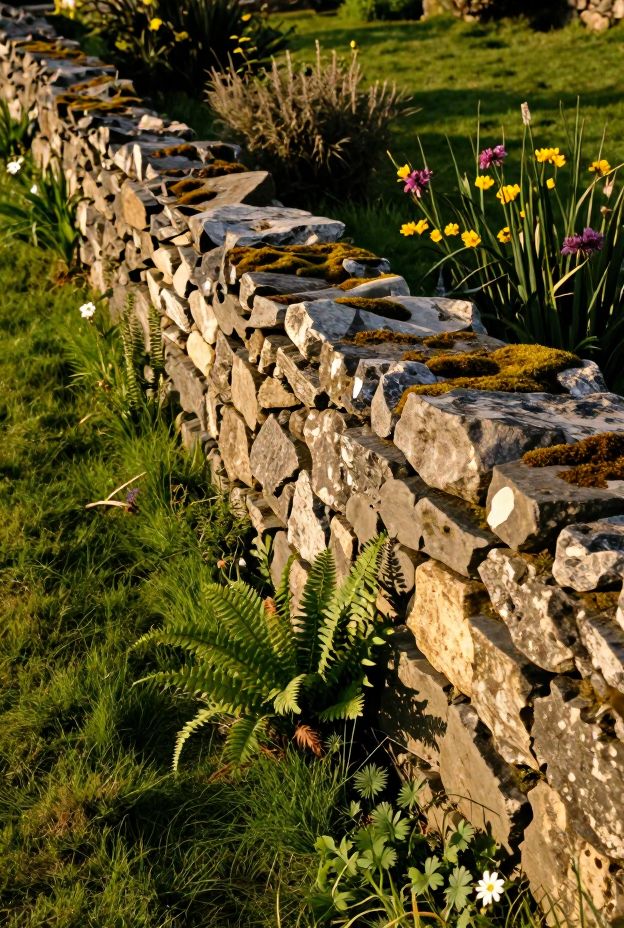
Dry stone walls also support biodiversity. Small gaps between the stones become cozy homes for insects, mosses, and even lizards if you’re lucky. So yes, your wall can literally be an ecosystem. Pretty cool, right?
- Best for: Cottage gardens, rural aesthetics, wildlife-friendly spaces
- Skill level: Moderate — patience is your main tool here
- Longevity: Centuries, if built correctly
2. Brick Garden Walls — Classic, Reliable, Never Boring
Brick walls have been around forever, and there’s a reason they keep showing up in garden design — they just work. Exposed red or cream brick adds warmth and structure to any outdoor space, whether you’re going for formal English garden vibes or something more contemporary.
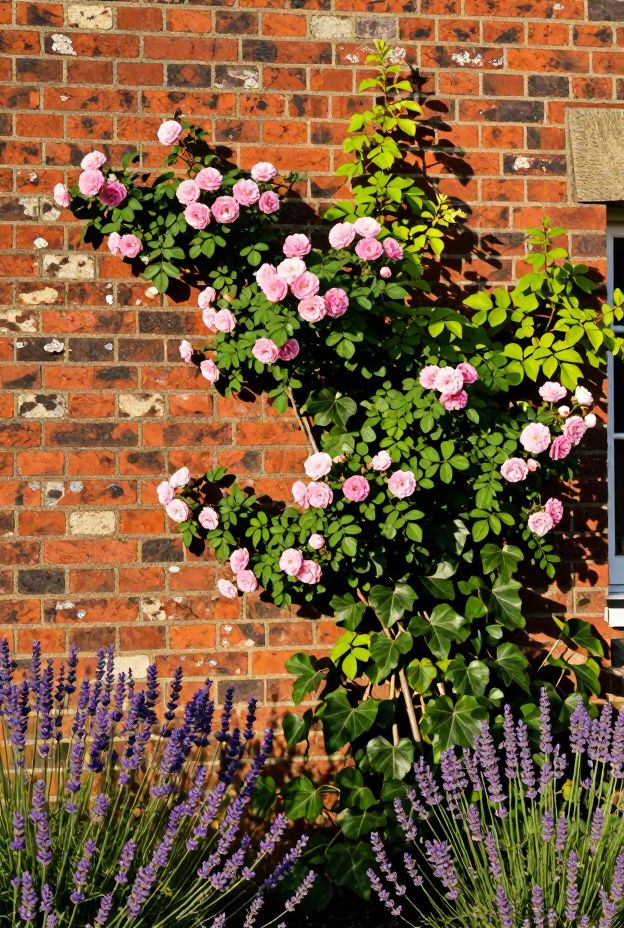
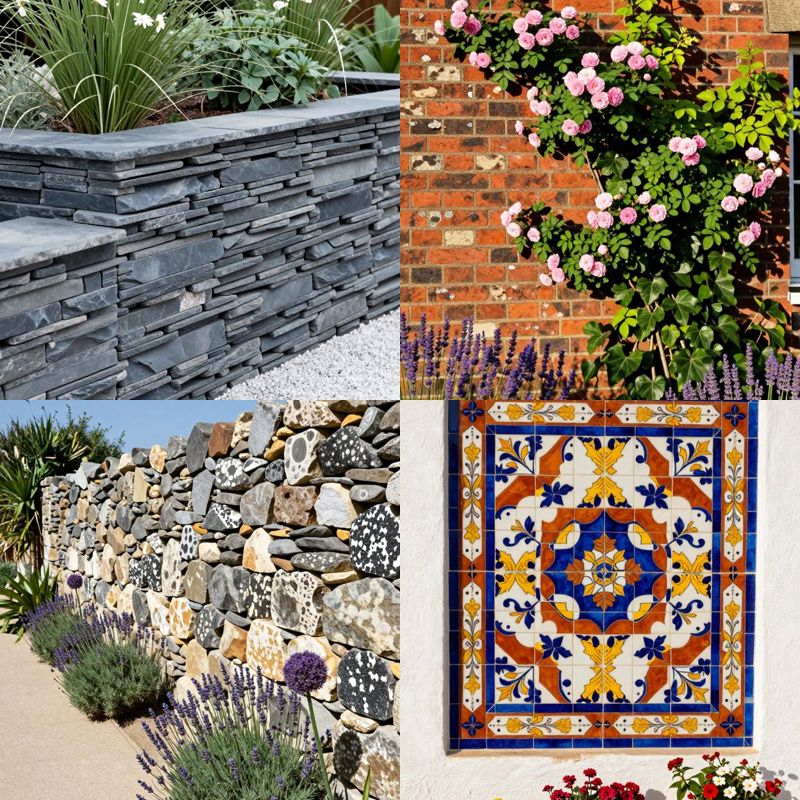
You can leave them plain, paint them white for a Mediterranean look, or even let climbing plants do their thing across the surface. A brick wall with a cascade of roses or wisteria draped over it? That’s not just a garden wall — that’s a mood.
3. Rendered Concrete Walls — The Modern Minimalist’s Dream
Not everyone wants a “ye olde cottage” look, and that’s totally fair. Rendered concrete walls — smooth, clean, and painted in muted tones — are perfect if your outdoor aesthetic leans more contemporary. Think charcoal grey, warm white, or dusty sage.
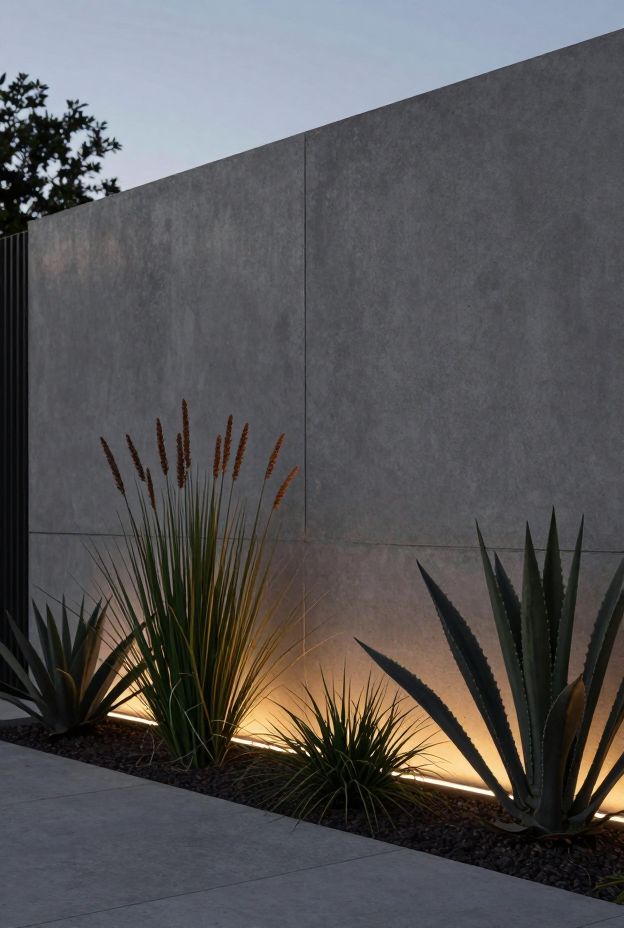
These walls pair beautifully with architectural plants like agaves, ornamental grasses, or bamboo. The contrast between a sleek rendered surface and wild, textural greenery is genuinely chef’s kiss. IMO, this combo gives you the most high-impact look per dollar spent.
- Choose moisture-resistant render to avoid cracking and staining
- Light colours reflect heat; darker tones absorb and radiate warmth
- Add recessed lighting along the base for a dramatic evening effect
4. Gabion Walls — Industrial Edge Meets Natural Beauty
Gabion walls are basically wire cages filled with rocks, gravel, or even recycled materials. Sounds rough, right? Actually, they look incredibly stylish. Gabion walls hit that sweet spot between raw industrial character and natural organic texture.
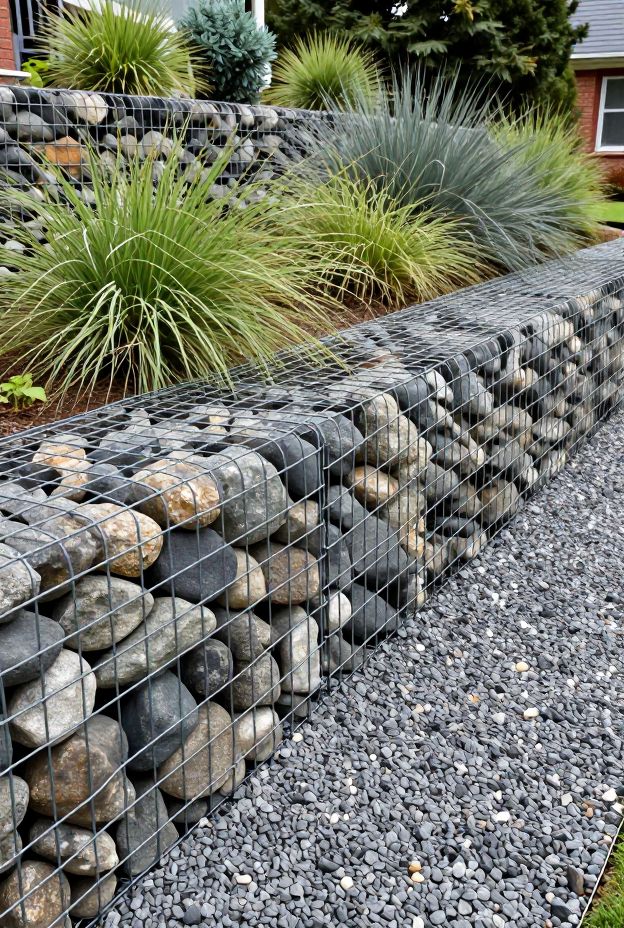
They’re also practical — they allow water to drain through rather than building up pressure behind the wall. If you’re dealing with a sloped garden, this drainage property makes them a seriously smart structural choice, not just a pretty one.
5. Wooden Sleeper Walls — Warm, Earthy, and Surprisingly Versatile
Timber sleepers (railway sleeper-style planks stacked horizontally) create retaining walls that feel warm, grounded, and totally at home in garden settings. They work brilliantly as low-level borders around raised beds, steps, or slopes.
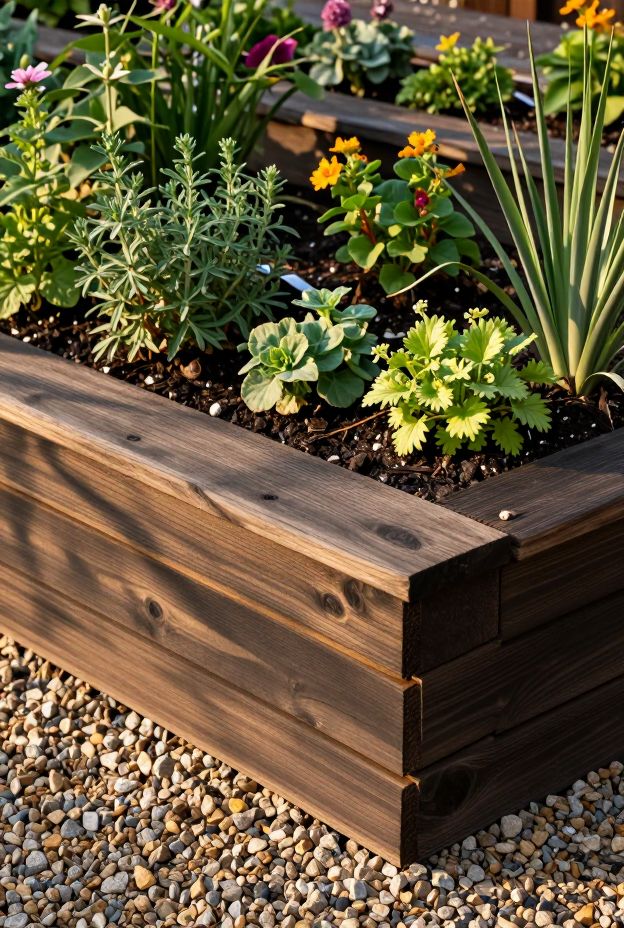
Go for hardwood or pressure-treated sleepers if you want them to actually last more than a couple of winters. Cheap untreated wood sounds like a money-saver until you’re replacing it three years later — been there, done that, learned the hard way :/ .
- Oak sleepers are premium but incredibly durable
- Pressure-treated pine is a solid budget-friendly alternative
- Stack them with slight backward lean to improve stability on slopes
6. Living Walls — When the Wall IS the Garden
A living wall (also called a vertical garden) flips the whole concept on its head — instead of building a wall and adding plants, the plants become the wall. Pocket planters, modular panels, or climbing frames support a full cascade of greenery right against your fence or structure.
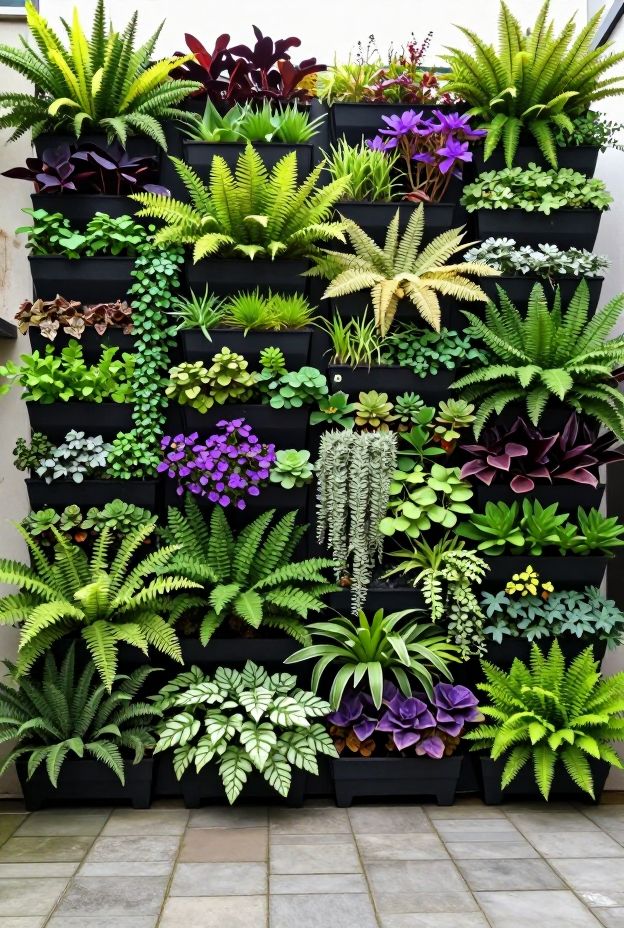
Living walls work brilliantly in small gardens where horizontal space is tight. Got a tiny patio? Stack your garden vertically. You’re not losing square footage; you’re gaining it. Plus, the air quality benefits around lush plant walls are genuinely impressive.
7. Corten Steel Walls — Rust That Actually Looks Good
Yes, you read that right. Corten steel (weathering steel) develops a rich, warm rust-orange patina over time that looks absolutely stunning in garden settings. It’s one of those materials that genuinely gets better as it ages — unlike most things in life.
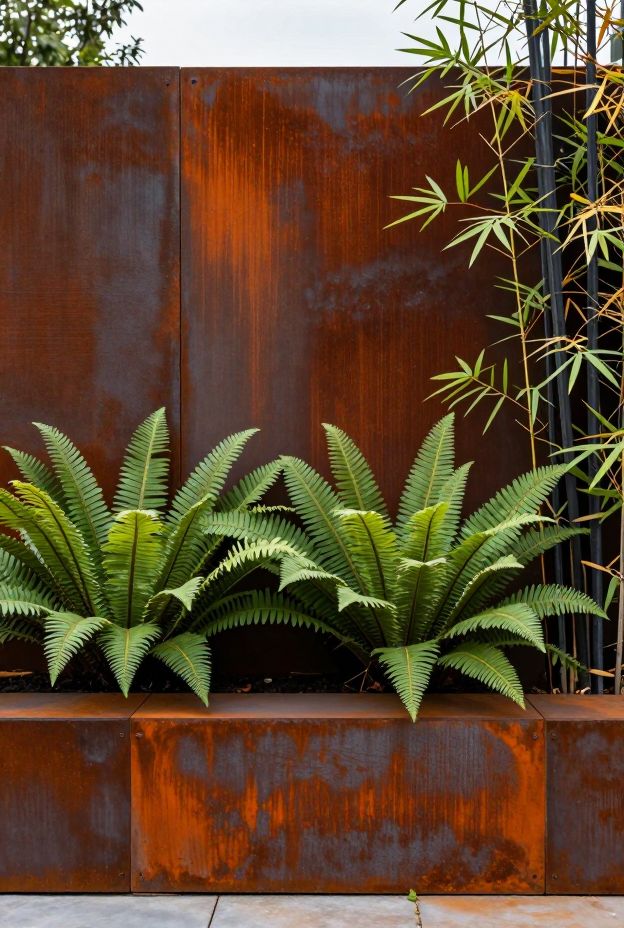
Corten walls and panels work especially well as feature backdrops, retaining borders, or decorative screens. Plant deep green ferns or grasses against them and watch the colour contrast do the work. FYI, Corten steel stops corroding after the patina forms — it’s self-protecting.
8. Flint Stone Walls — Coastal Charm for Any Garden
Flint stone walls have a distinctive knapped (split) surface that catches light beautifully — speckled with creams, blacks, and warm greys. They’re most common in coastal and rural UK gardens, but honestly, they look incredible anywhere you use them.
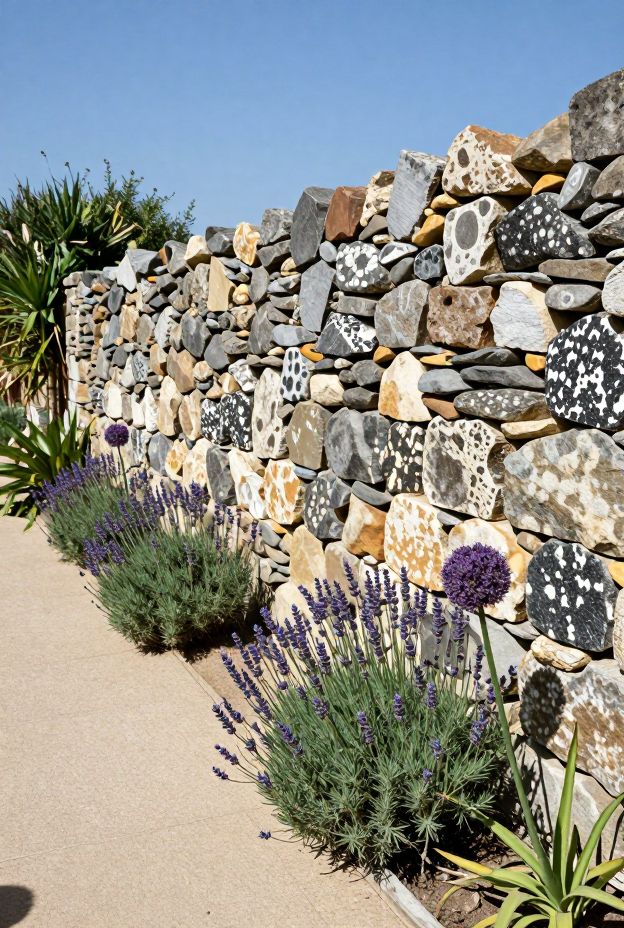
The texture of a flint wall is unlike anything else. Running your hand along it feels almost like touching something ancient, which adds a real sense of permanence and history to your garden. Pair them with lavender or rosemary for that sun-drenched Mediterranean feel.
9. Bamboo Screen Walls — Fast, Affordable, and Tropical
Want privacy fast? Bamboo screening panels are one of the quickest ways to add structure and a lush tropical vibe to your outdoor space. They attach easily to existing fences or frames and instantly transform a boring boundary into something that feels like a resort garden.
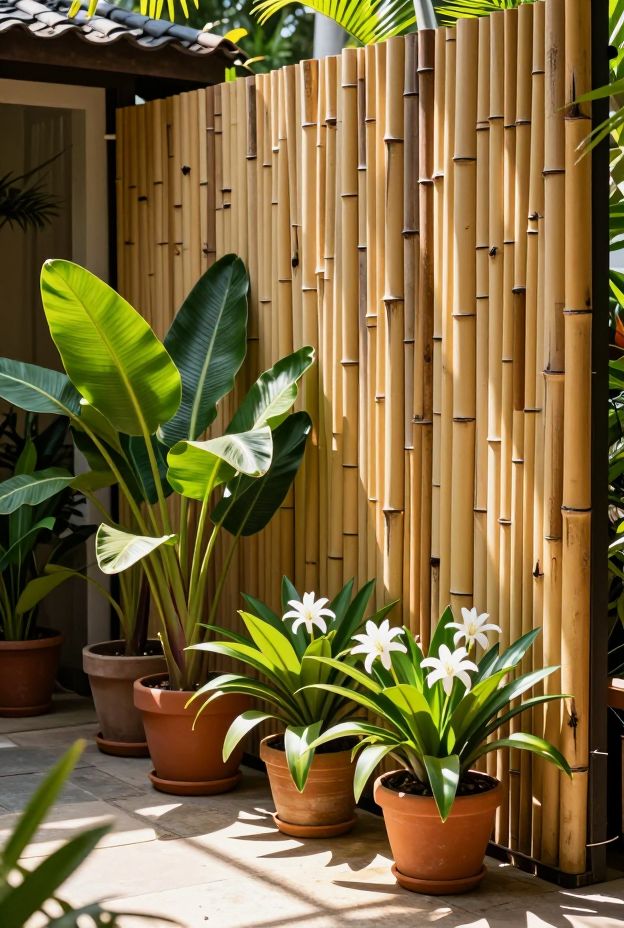
Just make sure you’re buying treated, UV-resistant bamboo panels — untreated ones fade and split faster than you’d expect. The good quality ones can last five to ten years outdoors without losing their look. That’s a solid return on a pretty affordable investment.
10. Mosaic Tile Walls — Bold, Artistic, Totally Unique
If you want your garden wall to be a genuine statement piece, mosaic tile work is the way to go. Think Mediterranean courtyards — colourful hand-painted tiles arranged in geometric patterns, florals, or abstract designs against a rendered wall. It’s bold, it’s personal, and nobody else in your street will have anything like it.
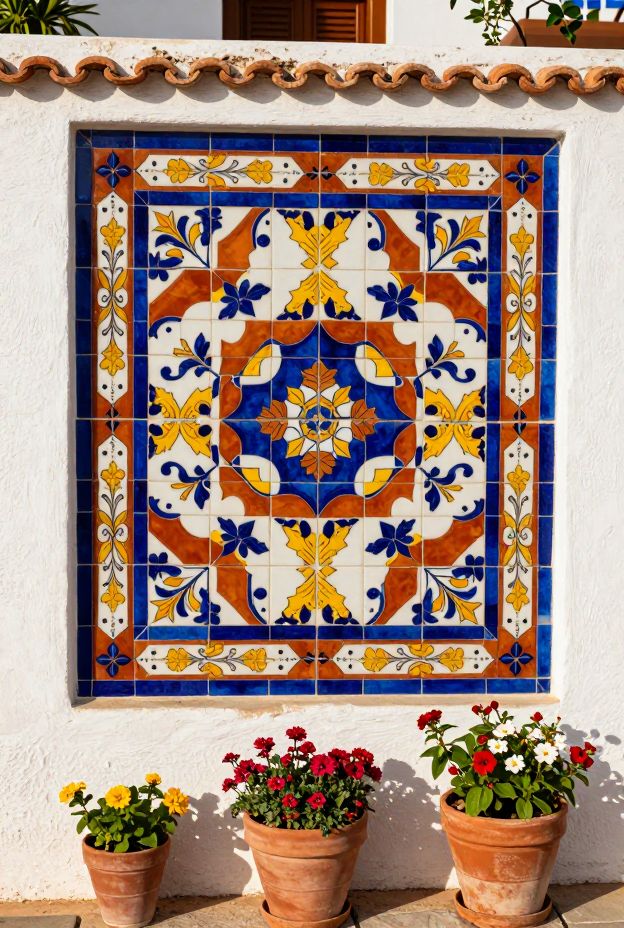
You can tile an entire wall or keep it as an accent feature — even a single tiled panel above a bench or water feature becomes a focal point. This is one of those garden ideas where DIY enthusiasm genuinely pays off if you’re willing to get creative.
- Use frost-proof outdoor tiles to avoid cracking in colder months
- Mosaic inserts work well as focal points even within a plain brick wall
- Grout colour dramatically changes the overall tone — choose carefully
11. Hedge Walls — The Living Boundary That Keeps Giving
Sometimes the best garden wall is one that breathes. Dense hedging — whether formal clipped yew, box, hornbeam, or informal native mixed hedges — creates living walls that add structure, privacy, and seasonal colour all at once.
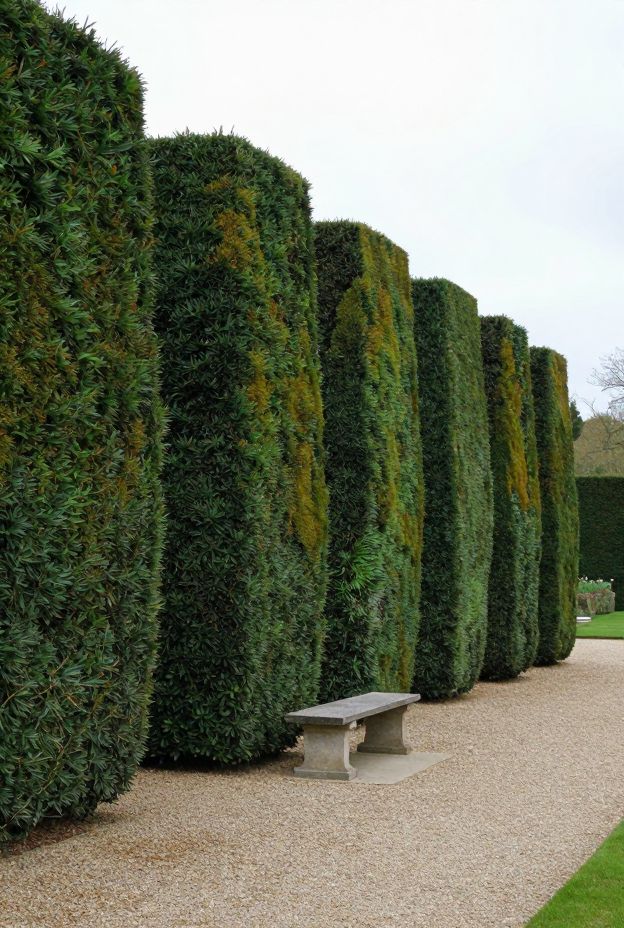
Formal hedges give your garden that crisp, architectural definition that makes everything around them look intentional. Ever noticed how a neatly clipped hedge makes even a simple garden look ten times more polished? That’s the power of clean green lines.
12. Stacked Slate Walls — Sleek, Dark, and Dramatic
Stacked slate walls use thin flat pieces of slate laid horizontally in even courses, creating a clean, structured look that’s distinctly modern yet entirely natural. The deep grey-blue tones read as genuinely sophisticated against bright planting or pale gravel.
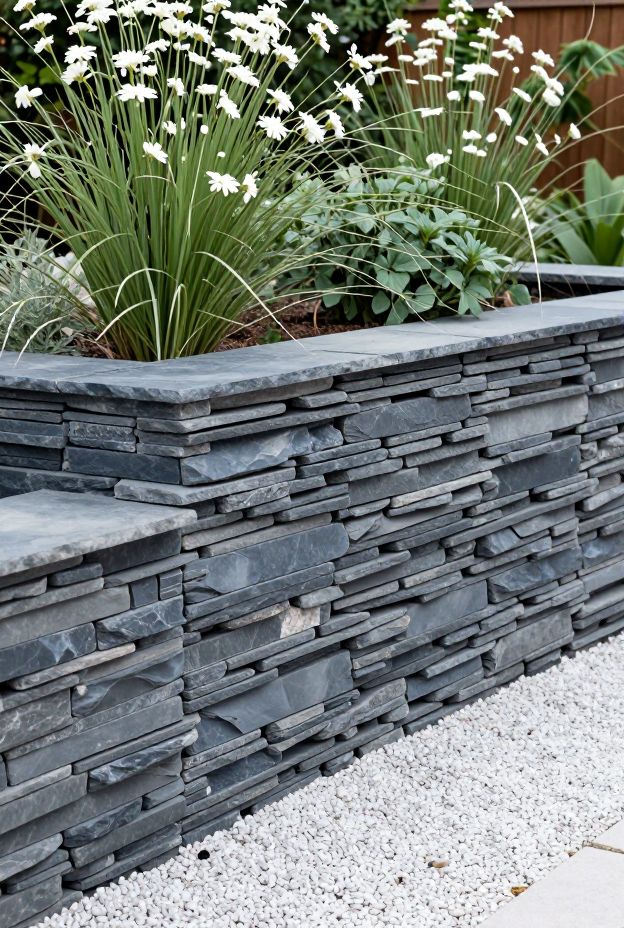
These walls work particularly well in contemporary garden designs or as raised planter borders. Combine them with ornamental grasses and white-flowering perennials and you’ve got a palette that looks effortlessly designed. Low maintenance once built, too — always a win.
13. Painted Feature Walls — Drama on a Budget
Sometimes the most impactful garden wall idea costs the least. Take an existing rendered or brick wall and paint it a bold, unexpected colour. Deep forest green, dusty navy, warm terracotta, or charcoal black — any of these can completely transform your outdoor space without any structural work at all.
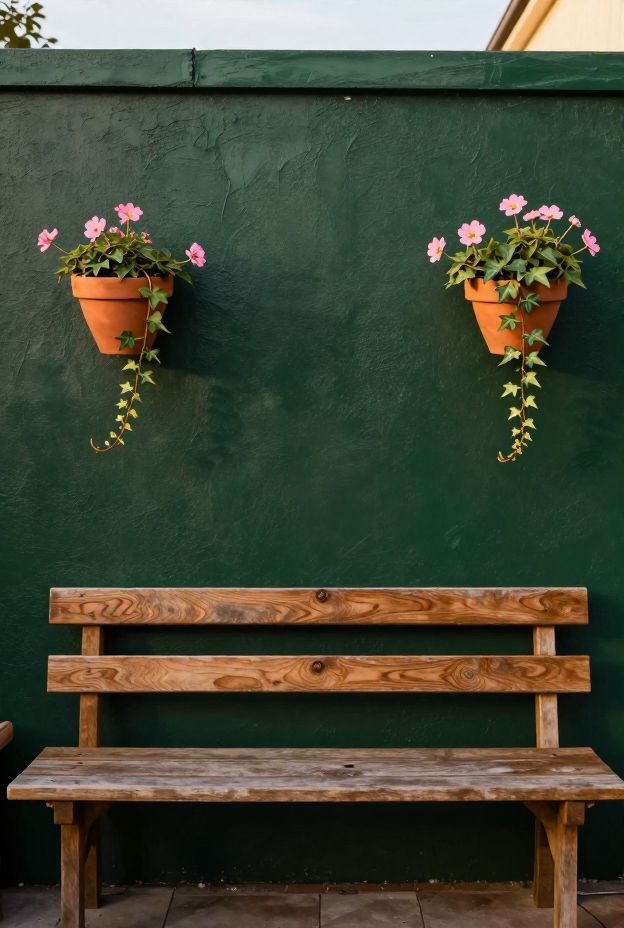
A painted backdrop wall behind a seating area or raised bed becomes an instant “outdoor room” feature. Add some wall-mounted planters or lighting and you’ve genuinely created a styled space, not just a garden. This is probably the highest-impact, lowest-effort idea on this whole list 🙂
- Use exterior-grade masonry paint specifically formulated for outdoor use
- Dark colours recede visually, making the space feel more intimate
- Light colours open up small spaces and reflect more natural light
14. Water Feature Walls — Where Structure Meets Serenity
A water wall combines the structural presence of a garden wall with the calming movement and sound of flowing water. These can be as simple as a flat panel with a thin sheet of water cascading down it, or as elaborate as a full stone-clad installation with multiple spouts.
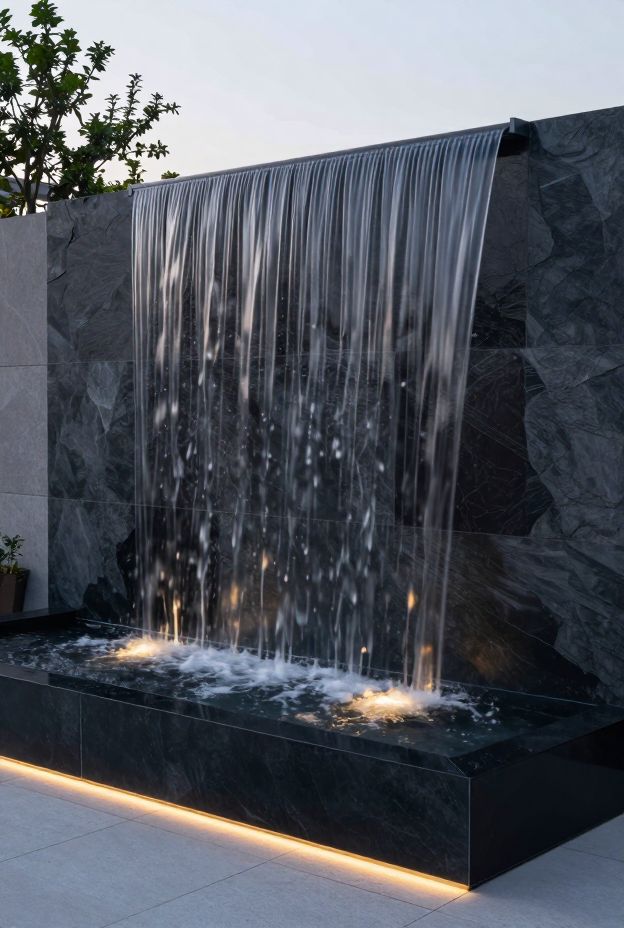
The sound alone is worth it. There’s something about running water that immediately slows everything down — the perfect antidote to a hectic week. Position yours near your main seating area so you actually get to enjoy it, not just admire it from across the garden.
- Stainless steel, slate, and rendered concrete all work beautifully as water wall surfaces
- Use a submersible pump with a timer to manage water flow and energy use
- LED lighting behind the water sheet creates a jaw-dropping evening effect
Bringing It All Together
Garden walls aren’t just functional boundaries — they’re design opportunities waiting to happen. Whether you go for the rustic warmth of dry stone, the sculptural drama of Corten steel, or the lush softness of a living wall, the right choice depends on your space, your style, and honestly, how much you enjoy your weekends.
Mix and match ideas, layer textures, and don’t be afraid to go bold with colour or materials. Your garden should feel like an extension of your personality, not just a tidy patch of grass with a fence around it. Pick one idea that excites you and start there — the rest tends to fall into place naturally.