You plant something once, and it keeps coming back every single year, looking better and better. That’s the magic of perennials, and honestly, once you experience it, you’ll wonder why you ever wasted money on annuals. I started my first perennial garden about six years ago with just three plants, and now my backyard is an absolute riot of color from early spring through late fall. If you’re ready to build a garden that practically runs itself, you’re in the right place.
1. Lavender for That Dreamy Purple Haze
Let’s kick things off with lavender, the overachiever of the perennial world. It blooms in gorgeous shades of purple and violet, smells incredible, and attracts every pollinator in a five-mile radius. IMO, no perennial garden is complete without at least one big lavender patch.
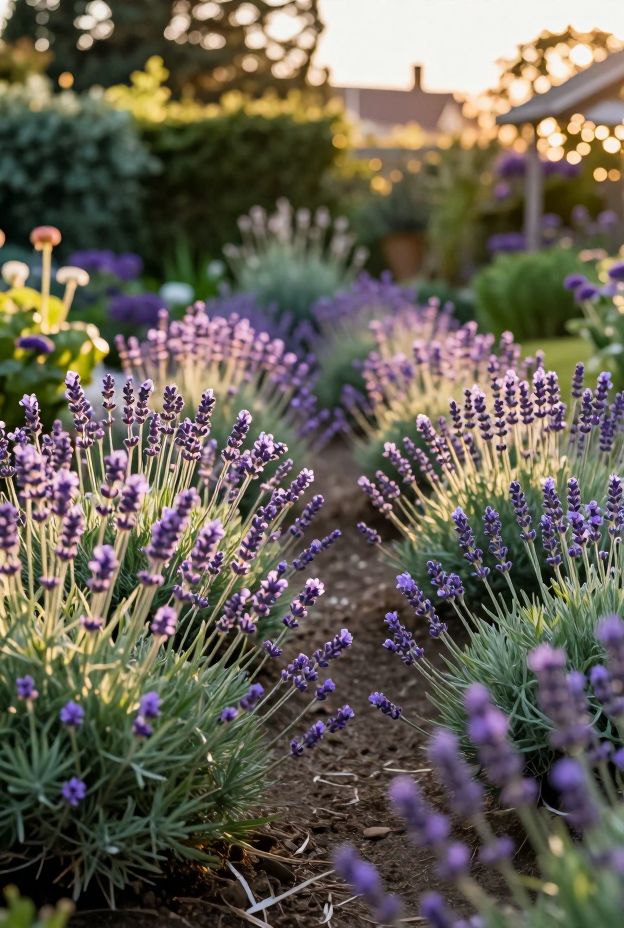
Lavender thrives in well-drained soil and full sun, so don’t try to shove it in a shady corner and expect miracles. Cut it back by about a third after blooming to keep it bushy and productive for years. I planted ‘Hidcote’ lavender along my front walkway three years ago, and it’s honestly the feature my neighbors compliment most.
2. Coneflowers (Echinacea) for Bold Summer Color
Coneflowers are the workhorses of the summer perennial garden. They bloom in shades of pink, purple, orange, yellow, and white, and they just keep going from June through September. Even when the petals drop, the seed heads feed birds well into winter.
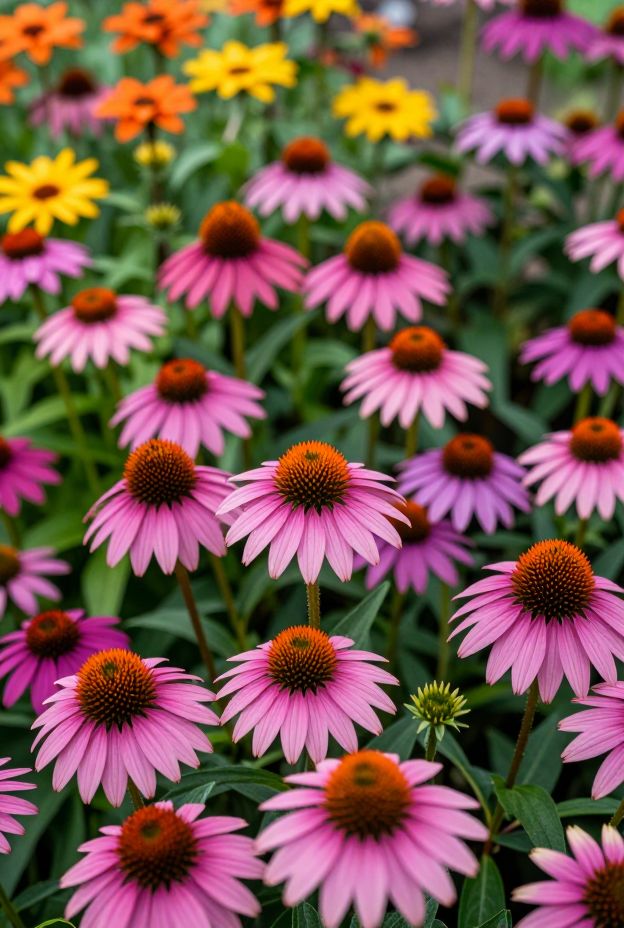
Plant them in full sun, give them decent drainage, and then basically ignore them. Seriously, they love a bit of neglect. The ‘Magnus’ variety is a classic, but the newer ‘Cheyenne Spirit’ mix gives you an explosion of mixed colors that looks like a sunset in your garden.
3. Black-Eyed Susans for That Golden Summer Glow
Black-eyed Susans (Rudbeckia) bring that warm, golden-yellow color that makes a garden feel sunny even on a cloudy day. They bloom from midsummer right into fall, filling the gap when spring flowers have faded. I’ve paired them with purple coneflowers for years, and that yellow-and-purple combo never gets old.
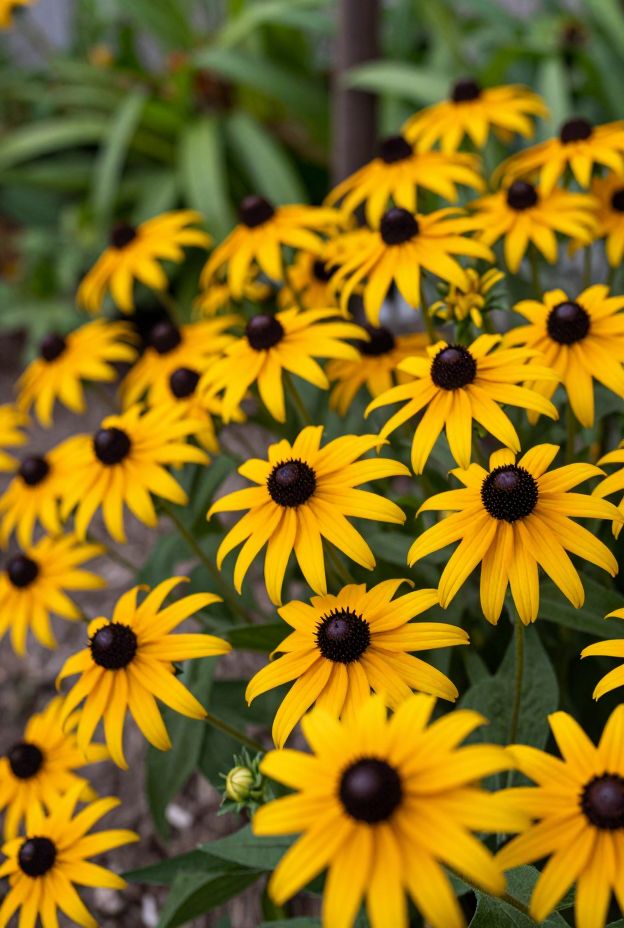
They spread readily over time, so you’ll actually get more plants for free, which is the best kind of gardening ROI. Leave the seed heads standing in winter and the goldfinches will absolutely love you for it.
4. Salvia for Spiky Vertical Drama
If your garden needs some height and structure, salvia delivers it in spades. The tall purple or blue spikes rise above other plants, creating layers and visual interest that flat, round flowers just can’t achieve. ‘May Night’ salvia is one of my personal favorites because it reblooms reliably if you cut it back after the first flush.
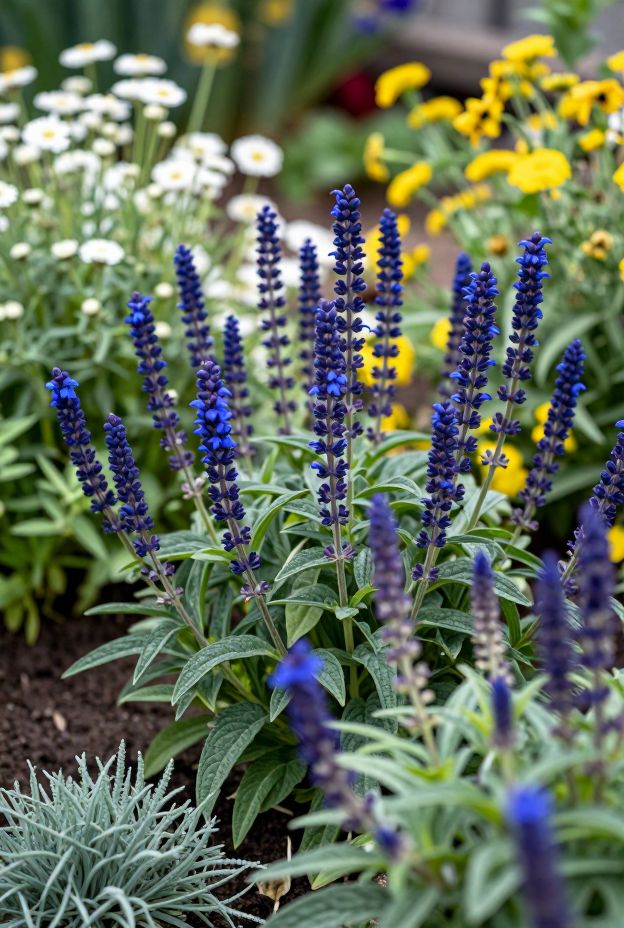
Salvia is also incredibly drought-tolerant once established, which means less watering and more time sitting in your garden actually enjoying it. It pairs beautifully with yellow achillea or white shasta daisies for a classic cottage look.
5. Hostas for Shady Spots That Need Color
Got a shady area where nothing seems to thrive? Hostas are your answer. They come in an enormous range of leaf colors from deep green to gold, blue-green, and variegated patterns that light up dark corners. Sure, they’re mostly grown for foliage, but the delicate lavender flower spikes in summer are a nice bonus.
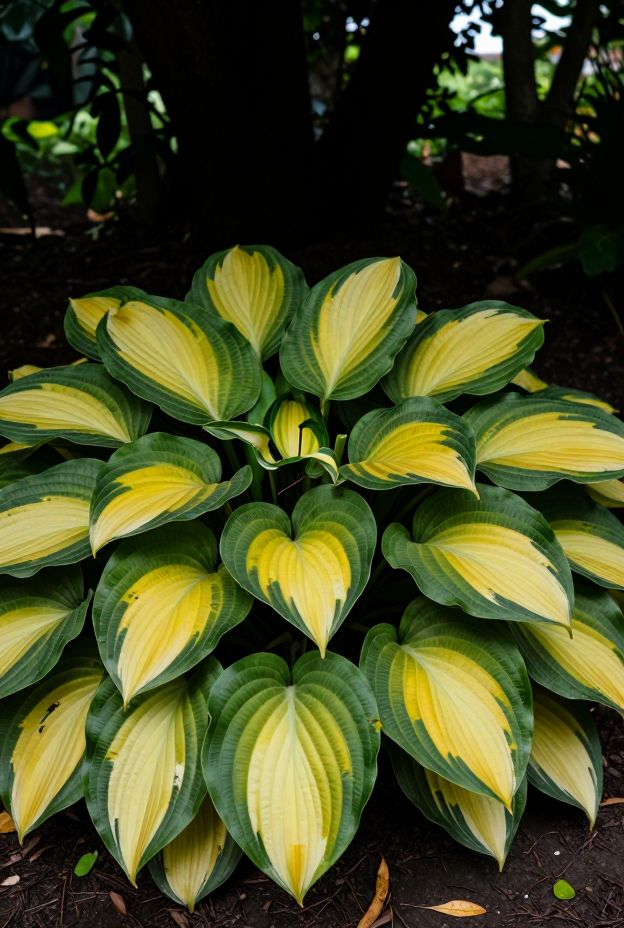
Hostas are incredibly low-maintenance once planted. They expand slowly each year and you can divide them every few years to multiply your collection for free. The giant ‘Sum and Substance’ variety has leaves the size of dinner plates, and yes, they’re as impressive as they sound 🙂
6. Daylilies for Effortless Summer Color
Daylilies might just be the most forgiving perennial on this list. They grow in almost any soil, tolerate heat, handle drought, and come back stronger every year. Each individual flower lasts only one day (hence the name), but the plant produces so many buds you’d never notice.
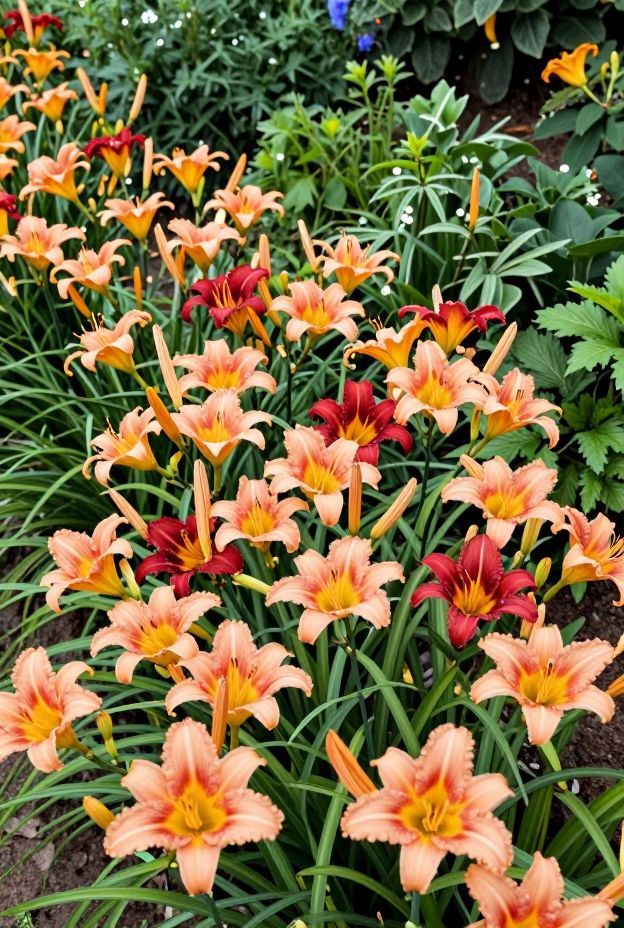
The color range is astonishing — peach, red, orange, yellow, lavender, and near-white. The ‘Stella de Oro’ variety is a compact rebloomer that pumps out flowers from June through September, making it an ideal front-border plant. Once you have daylilies, you’ll start dividing and sharing them with everyone you know.
7. Peonies for That Show-Stopping Spring Moment
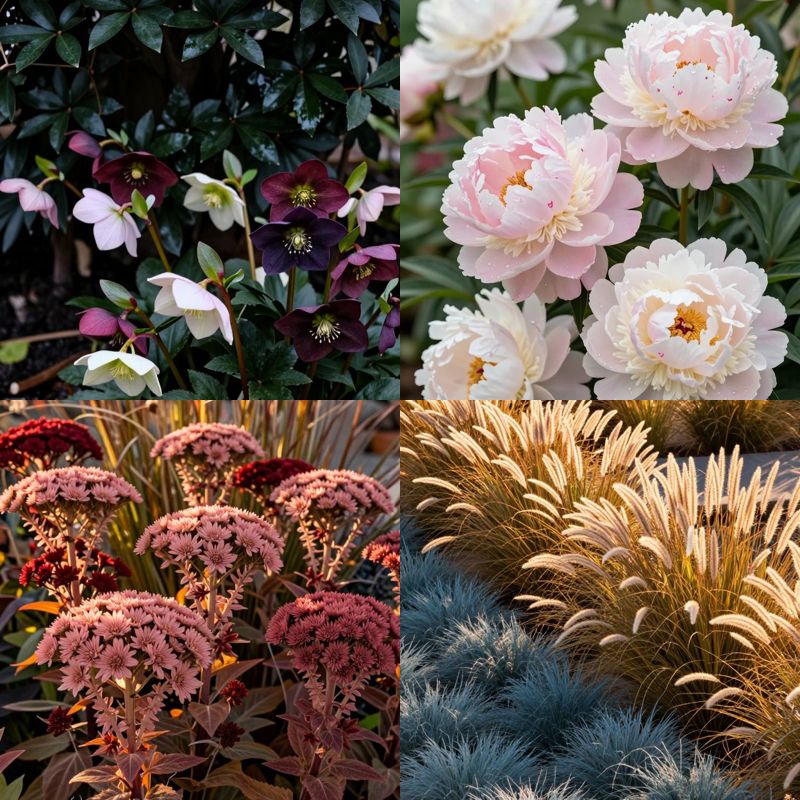
Let’s be real — peonies are the drama queens of the spring garden, and they’ve absolutely earned that title. Those enormous, lush blooms in pink, white, red, and coral are breathtaking, and the fragrance is something you genuinely can’t get from any other flower. They take a couple of years to establish, but once they’re settled, they’ll bloom for decades. My grandmother’s peonies are still going strong after 40 years.
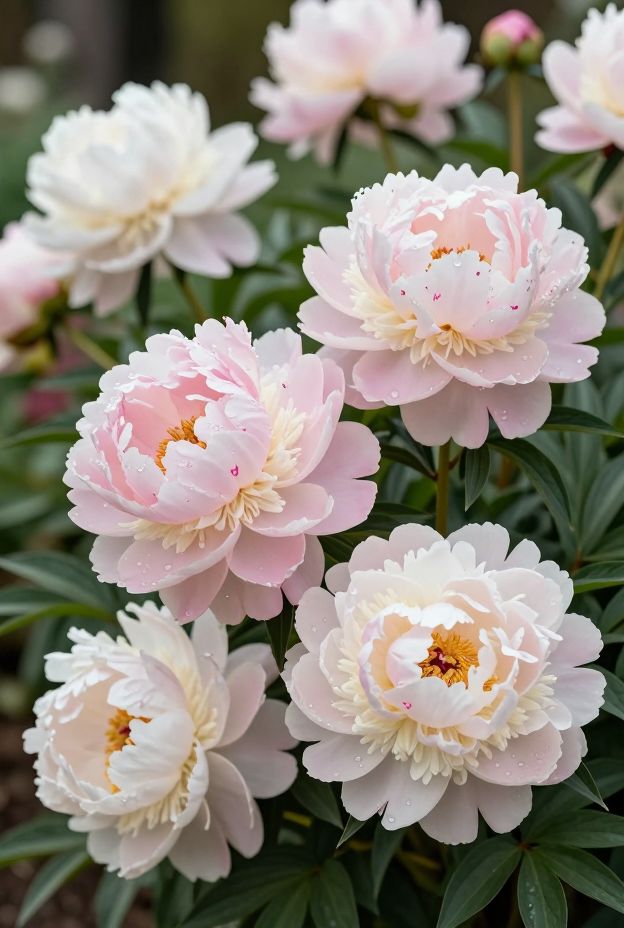
Plant them in full sun with the eyes (buds) no more than two inches below the soil surface — too deep and they won’t bloom, which is a lesson many gardeners learn the hard way. Stake them before the blooms open because those big flower heads will flop spectacularly in the first rain otherwise.
8. Ornamental Grasses for Texture and Movement
Ever thought your garden felt a little static? Ornamental grasses fix that instantly. They add movement, texture, and architectural interest that flowering plants just can’t replicate. Karl Foerster feather reed grass shoots up to five feet tall with golden seed plumes that catch the light beautifully in autumn.
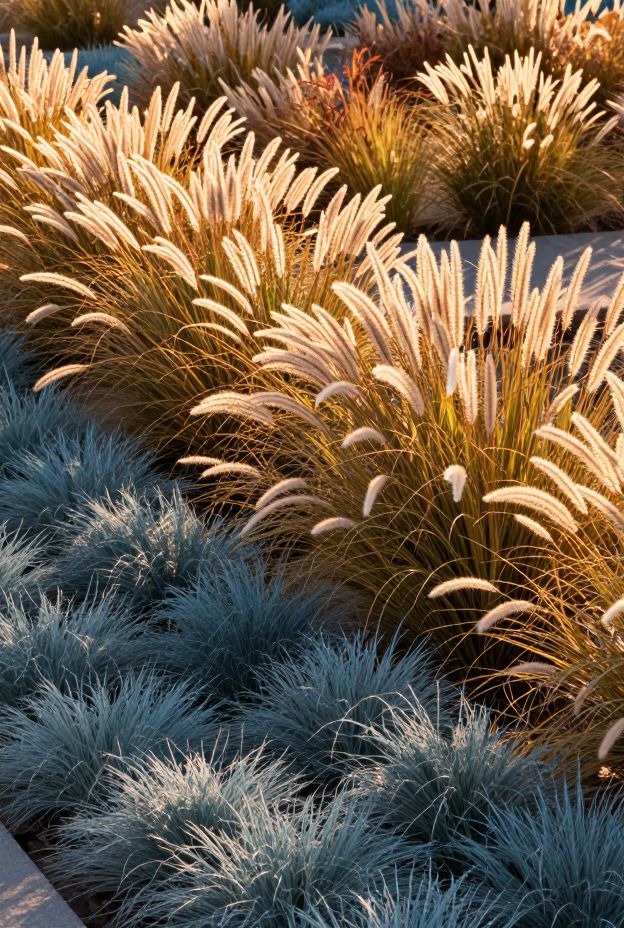
Blue oat grass and blue fescue stay compact and low, making them perfect border edgers. Most ornamental grasses look their best from late summer through winter, filling in exactly when most other perennials are winding down. Cut them back hard in late winter and they’ll flush back perfectly in spring.
9. Catmint for Effortless Cottage Charm
Catmint (Nepeta) is one of those under-appreciated perennials that deserves way more attention. It produces a frothy cloud of soft lavender-blue flowers from late spring through early summer, and if you shear it back after the first bloom, it often reblooms in late summer. It edges pathways beautifully and spills over borders in the most charming way.
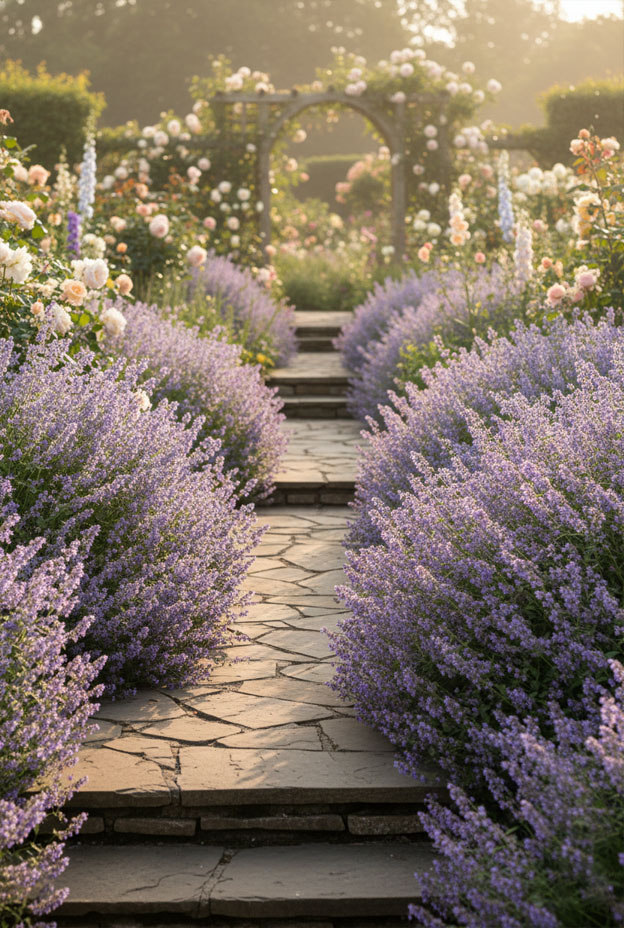
FYI, it’s extremely drought-tolerant and deer tend to avoid it, which is practically a superpower in most gardens. Pair it with roses for a classic English garden look that photographs incredibly well.
10. Astilbe for Feathery Color in the Shade
Shady, moist spots in the garden can feel like a design challenge, but astilbe turns them into a feature. The feathery plumes in shades of red, pink, white, and purple stand tall above ferny foliage and create a soft, romantic effect that’s hard to beat. They bloom at different times depending on variety, so you can plan a sequence of color from late spring through midsummer.
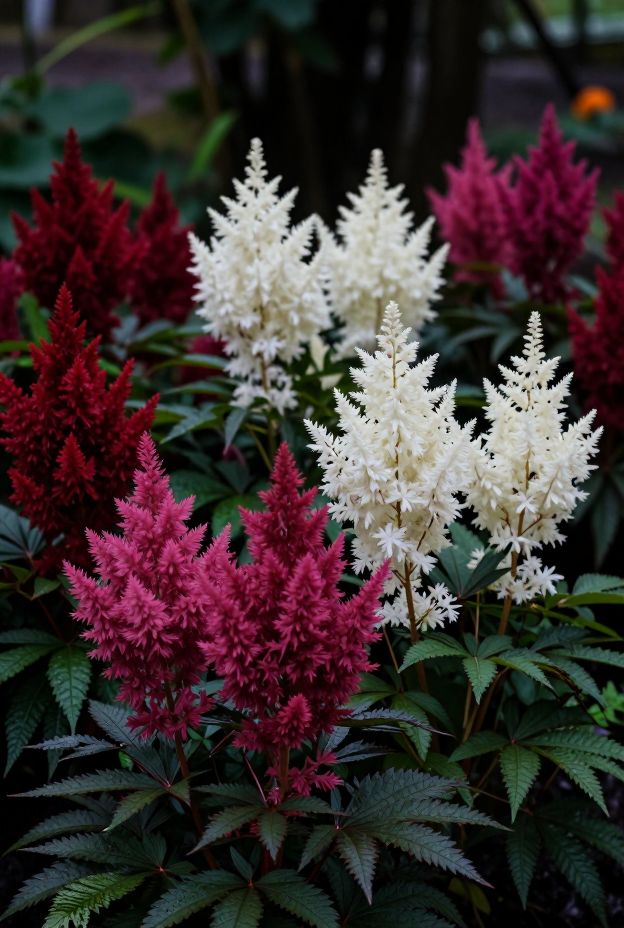
Astilbe prefers consistently moist soil, so it’s an ideal choice near a downspout or in a low spot where other plants struggle. The dried seed heads stay attractive well into winter, adding subtle interest even after the growing season ends.
11. Russian Sage for Late Season Interest
Russian sage is the perennial that carries your garden beautifully into fall when everything else starts fading. The silvery stems and lavender-blue flower spikes create an airy, hazy effect from midsummer through frost. It grows three to four feet tall and wide, so give it space to do its thing.
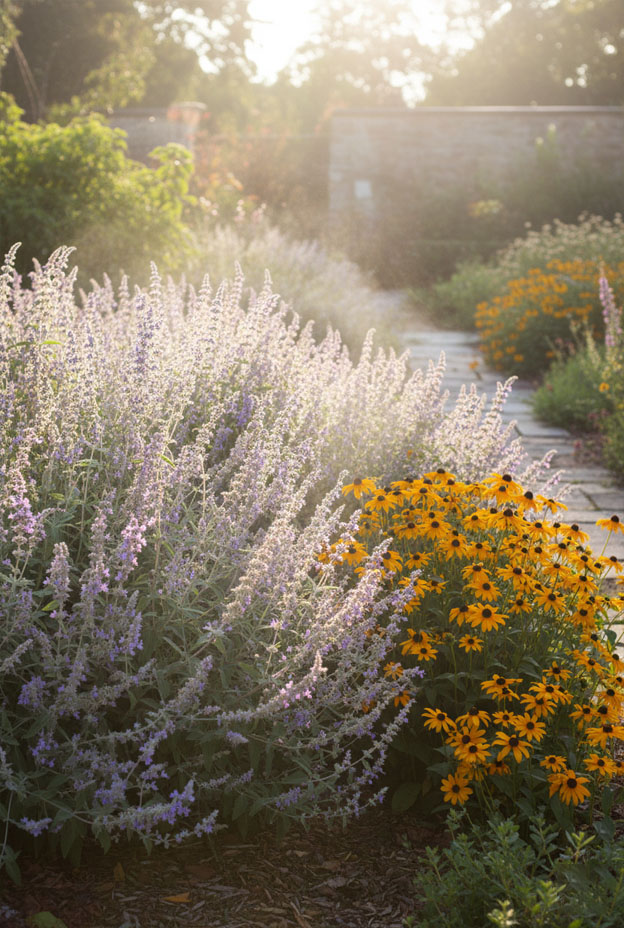
It’s extremely heat-tolerant, drought-resistant, and deer don’t touch it. If you’ve ever struggled to keep a back border looking good in August and September, Russian sage is genuinely the solution. Pair it with yellow rudbeckia for a color combination that practically glows in late summer light.
12. Shasta Daisies for Classic White Simplicity
Sometimes a garden needs a reset, and shasta daisies provide exactly that. The cheerful white petals with bright yellow centers are clean, classic, and endlessly versatile. They bloom from early to midsummer and work beautifully as a buffer between bolder colored flowers.
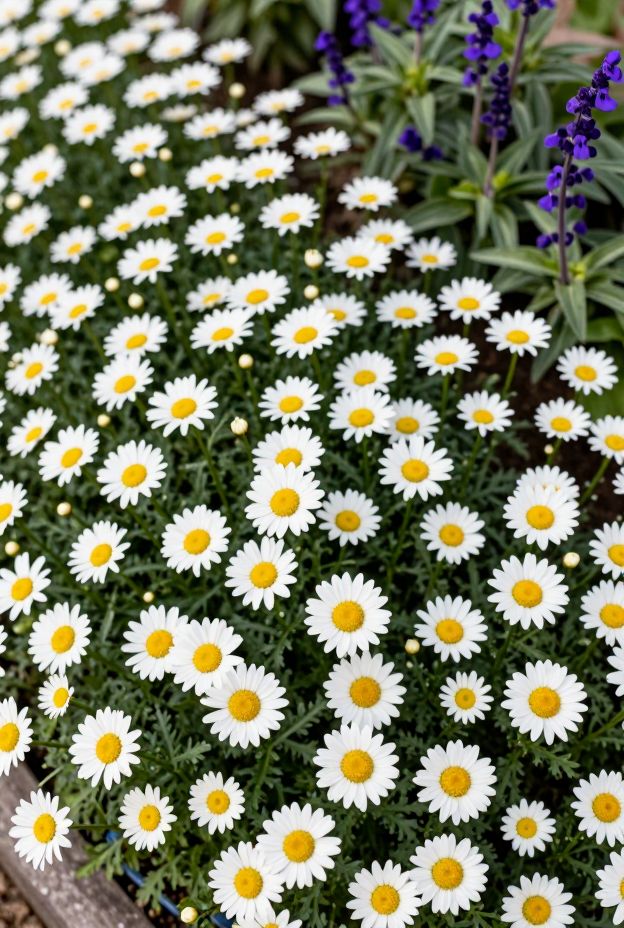
Deadhead regularly to extend the bloom season, and divide them every two to three years to keep them vigorous. I like to plant them in drifts between salvia and rudbeckia for a red, white, and yellow color scheme that works surprisingly well.
13. Sedum (Stonecrop) for Late-Season Texture
If fall color in the garden matters to you — and it should — tall sedum varieties like ‘Autumn Joy’ deserve a permanent spot. They start with attractive blue-green succulent foliage in spring, develop pink flower buds in late summer, and deepen to a rich rusty-red by fall. The seed heads persist all winter, adding structure to an otherwise bare garden.
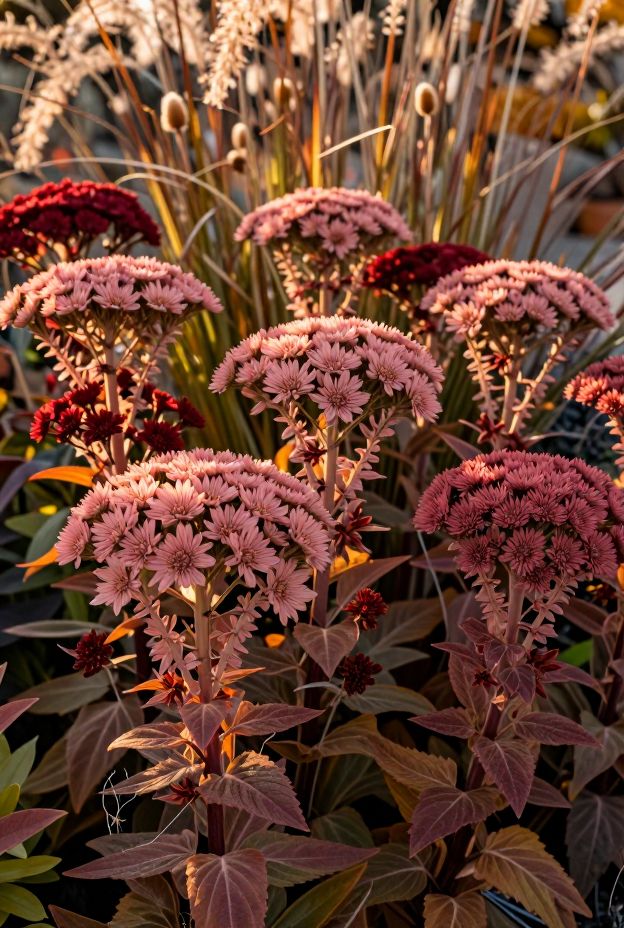
Sedum is essentially indestructible. It handles drought, poor soil, and full sun without complaint, which makes it ideal for those tough spots where other plants give up. It also attracts late-season butterflies and bees that need the nectar before winter sets in.
14. Coreopsis for Non-Stop Summer Sunshine
Want a perennial that blooms from early summer practically until frost? Coreopsis is it. The bright yellow or golden flowers are small but produced in such abundance that the plant looks like a bouquet from a distance. It’s heat-tolerant, drought-tolerant, and reblooms without much deadheading needed.
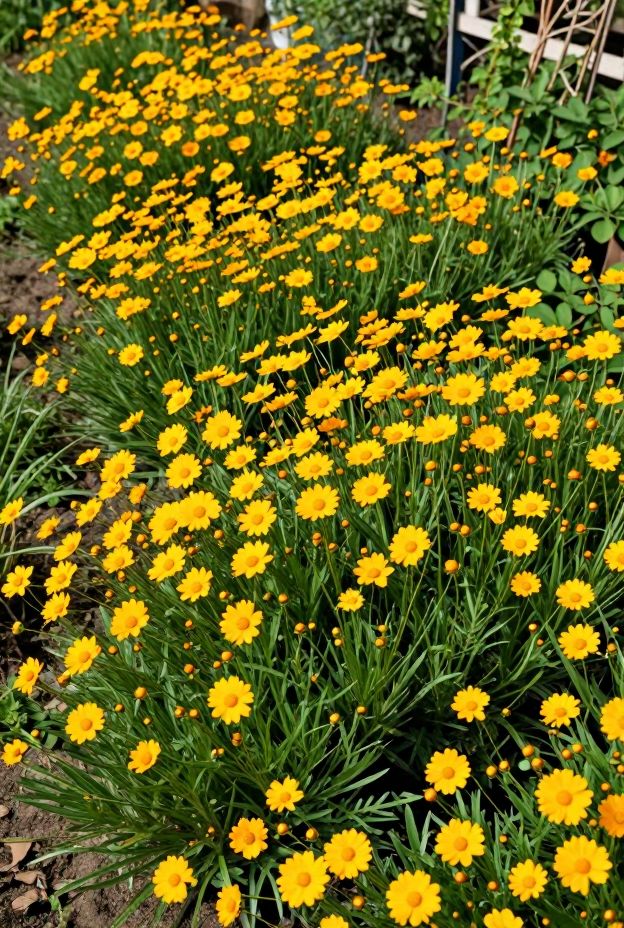
‘Moonbeam’ coreopsis has a softer, pale yellow color that works well with almost every other garden color. It spreads gently over time without becoming invasive, creating wider, more generous clumps each season. It’s genuinely one of the easiest perennials you’ll ever grow.
15. Hellebores for the Ultimate Early Spring Statement
Hellebores (Lenten roses) bloom in late winter to early spring when almost nothing else is showing color, which makes them feel like a genuine miracle every year. The nodding flowers in cream, white, pink, deep purple, and near-black look elegant and slightly mysterious. They thrive in shade or partial shade and have gorgeous evergreen foliage that looks great year-round.
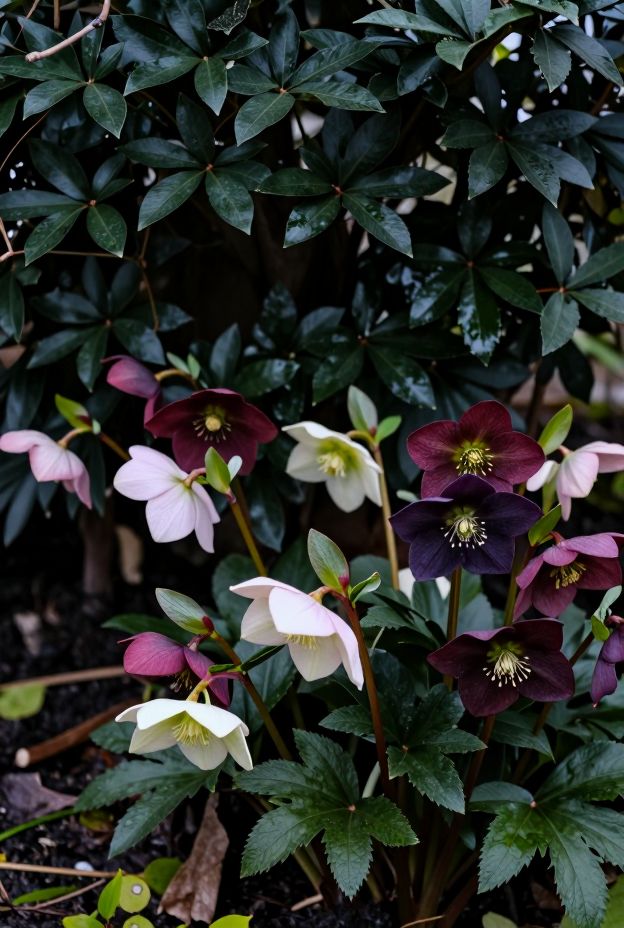
They’re slow to establish but incredibly long-lived — a well-placed hellebore can easily outlive you. Once they’re happy, they self-seed gently around the garden, creating little colonies of color in spots you didn’t even plan. If you only add one new perennial this year, make it a hellebore 🙂
Final Thoughts: Building Your Dream Perennial Garden
There you have it — 15 perennials that deliver real, reliable color year after year without making you replant from scratch every spring. The real key to a stunning perennial garden is layering bloom times so something is always performing: spring bulbs and hellebores, early summer salvias and catmint, midsummer coneflowers and daylilies, and late-season sedums and grasses carrying you to frost.
Start with three or four varieties that excite you, get them established, and then expand each year. Perennial gardening is honestly one of those things that just gets better with time — the plants mature, spread, and fill in exactly the way you imagined when you first put them in the ground. And when your neighbor asks how you manage to have such a beautiful garden all season long, you can just smile and say you planned it that way. Even if you didn’t 🙂