Let’s be honest — most of us want a gorgeous garden, but we don’t exactly have the time to babysit it every weekend. Between work, kids, errands, and actually trying to relax, spending hours weeding flower beds just doesn’t make the cut. The good news? You don’t have to choose between a beautiful yard and your sanity.
I’ve spent way too many summers learning this the hard way, planting high-maintenance flowers that looked stunning for two weeks and then turned into a mess I ignored until fall. Trust me, I’ve been there :/ . These 13 low maintenance flower bed ideas are the real deal — tested, practical, and genuinely beautiful without demanding your entire weekend.
1. Go Native With Wildflowers
Native wildflowers are basically the cheat code of gardening. Since they evolved to thrive in your local climate, they handle drought, pests, and poor soil way better than exotic imports. You plant them once, and they reward you season after season with almost zero effort on your part.
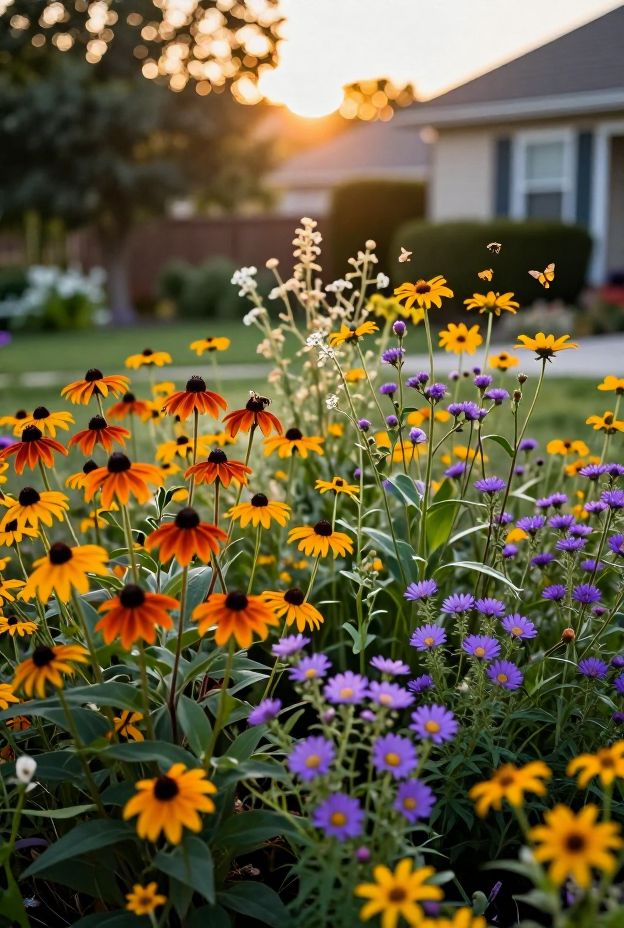
Think coneflowers, black-eyed Susans, and native asters. These plants don’t just survive — they actually thrive when left alone. Plus, they attract pollinators like bees and butterflies, which means your garden becomes a little ecosystem all on its own.
- Choose wildflowers native to your specific region for best results
- Mix different bloom times so something is always flowering
- Minimal watering needed once established
2. Plant Ornamental Grasses as Borders
Ornamental grasses are criminally underrated in flower bed design. They add movement, texture, and year-round visual interest without asking much in return. A little trim once a year in late winter, and they bounce right back.
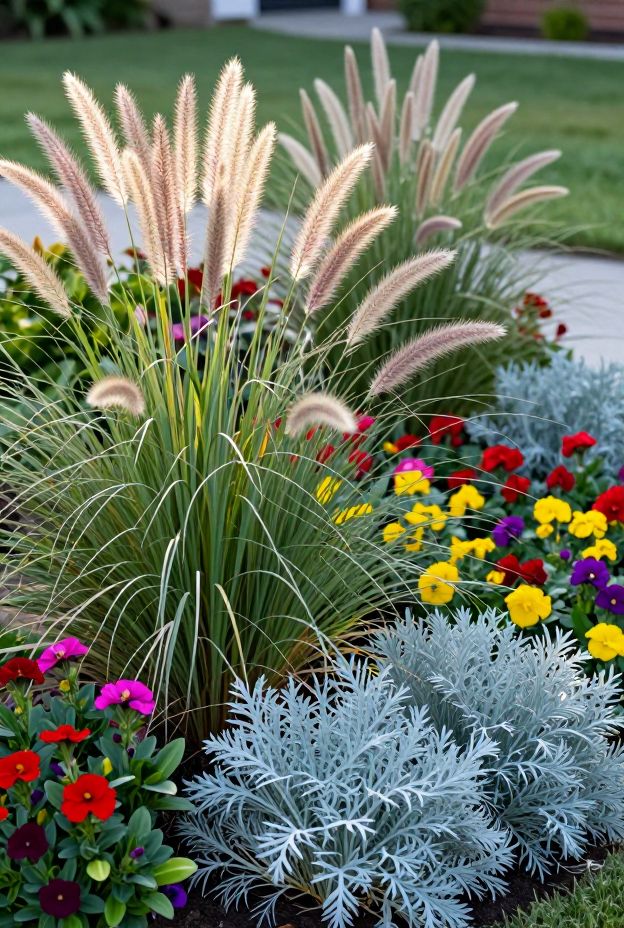
Varieties like Karl Foerster feather reed grass or blue oat grass look stunning when paired with flowering perennials. They also suppress weeds by crowding them out, which is basically doing half your gardening chores for you.
Best Ornamental Grasses for Low Maintenance Beds
- Karl Foerster Reed Grass — upright, architectural, four-season interest
- Blue Fescue — compact, silvery-blue, drought tolerant
- Maiden Grass — tall, feathery plumes, great as a backdrop
3. Layer Perennials for a “Plant Once, Enjoy Forever” Bed
Here’s a concept that changed how I garden: layered perennial planting. Instead of annuals that you replant every spring (why would anyone do that willingly?), you build a bed with perennials that come back stronger each year.
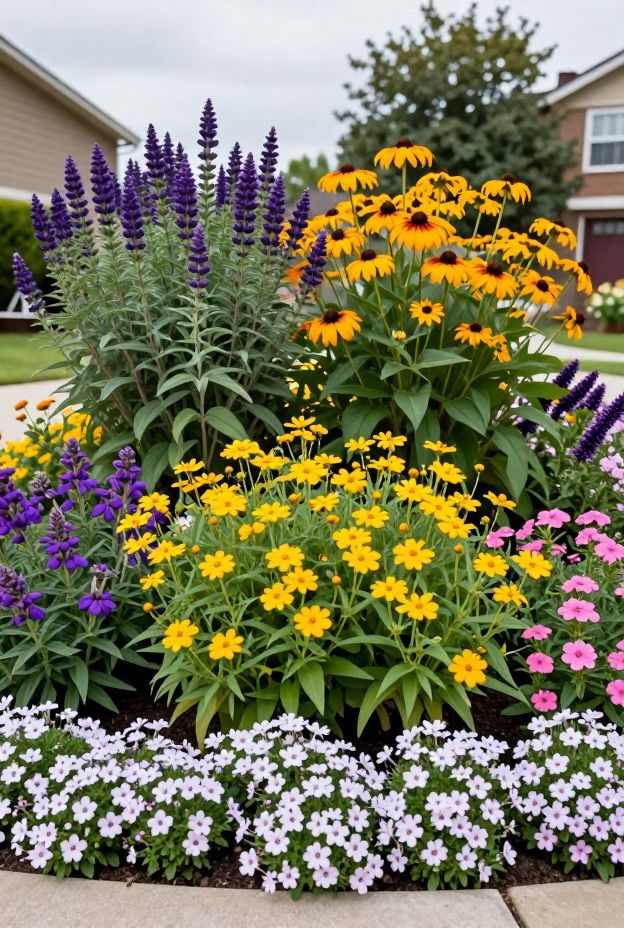
Layer tall plants like salvia or rudbeckia at the back, mid-height plants like coreopsis in the middle, and ground-hugging varieties like creeping phlox at the front. This approach naturally fills space and crowds out weeds before they even get started.
4. Use Thick Mulch to Cut Weeding Time in Half
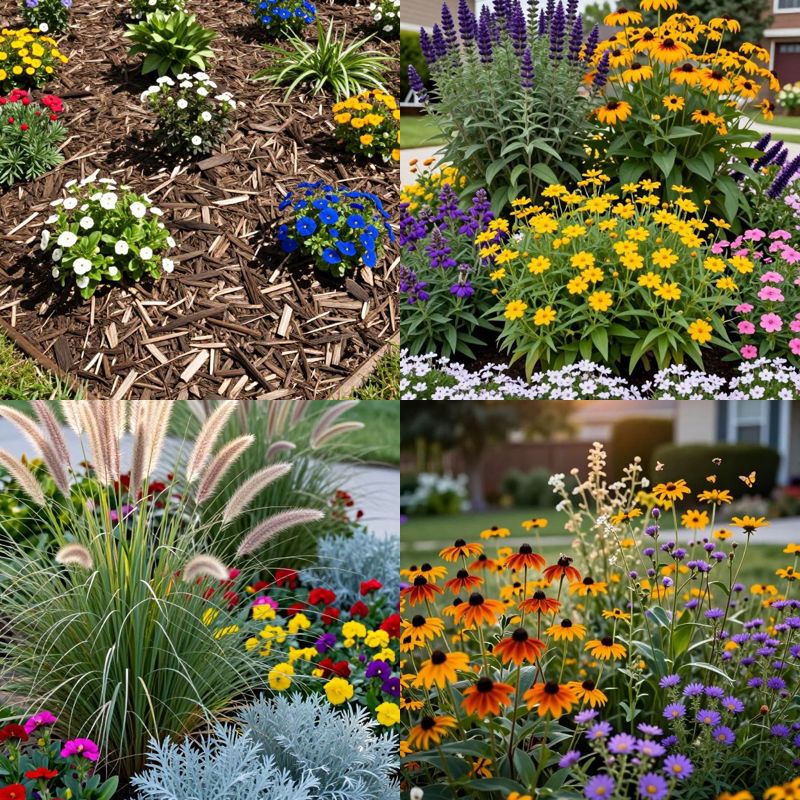
If there’s one single thing you do for your flower beds this year, make it mulching. A 3-inch layer of wood chip or bark mulch suppresses weeds, retains moisture, and regulates soil temperature. It’s basically a protective blanket for your plants.
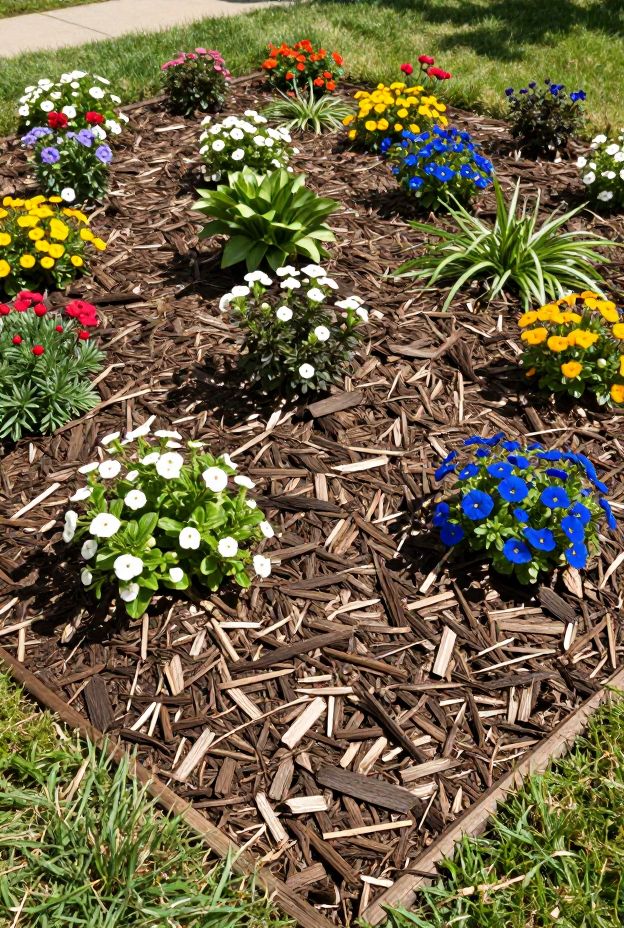
FYI, you don’t need expensive bagged mulch from the garden center. Many municipalities offer free wood chip mulch from tree trimming crews. Check your local parks department — you might score a whole truckload for nothing.
- Apply 2 to 3 inches deep, keeping mulch away from plant stems
- Refresh once a year in spring
- Organic mulch breaks down and improves soil over time
5. Plant Lavender for Beauty and Near-Zero Care
Is there anything lavender can’t do? It smells incredible, looks gorgeous, attracts pollinators, and practically begs you to ignore it. Lavender thrives in poor, dry soil and actually suffers when you fuss over it too much with extra watering or fertilizing.
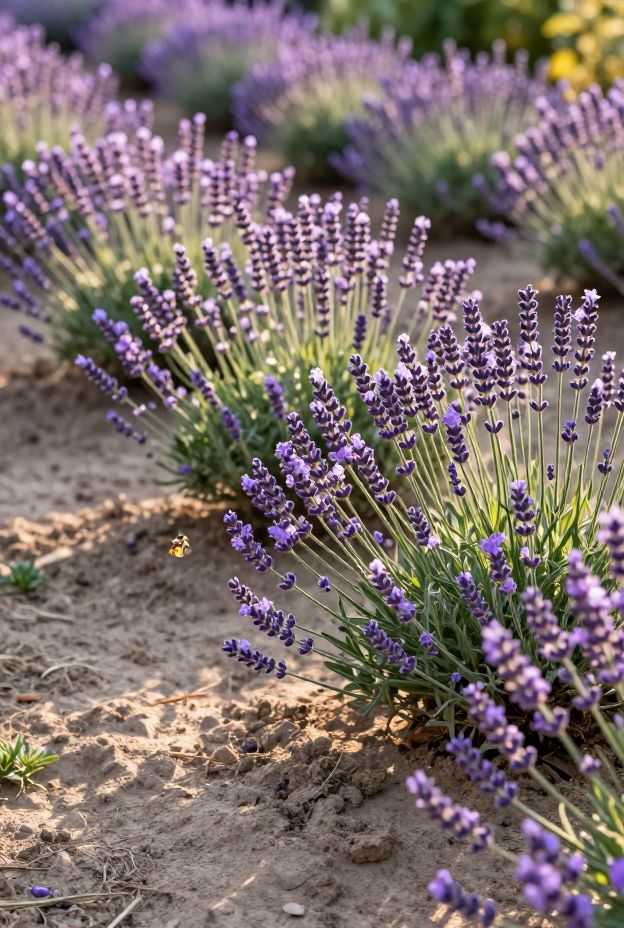
Plant it in a sunny spot with good drainage, give it a light trim after flowering, and walk away. It comes back reliably year after year. IMO, lavender is the most rewarding plant per effort invested in any flower bed.
6. Create a Drought-Tolerant Xeriscape Bed
A xeriscape flower bed sounds fancy, but it’s really just a water-smart garden designed around plants that don’t need babying. Think succulents, sedums, yarrow, and Russian sage. These plants store water in their tissues or have deep root systems that find moisture on their own.
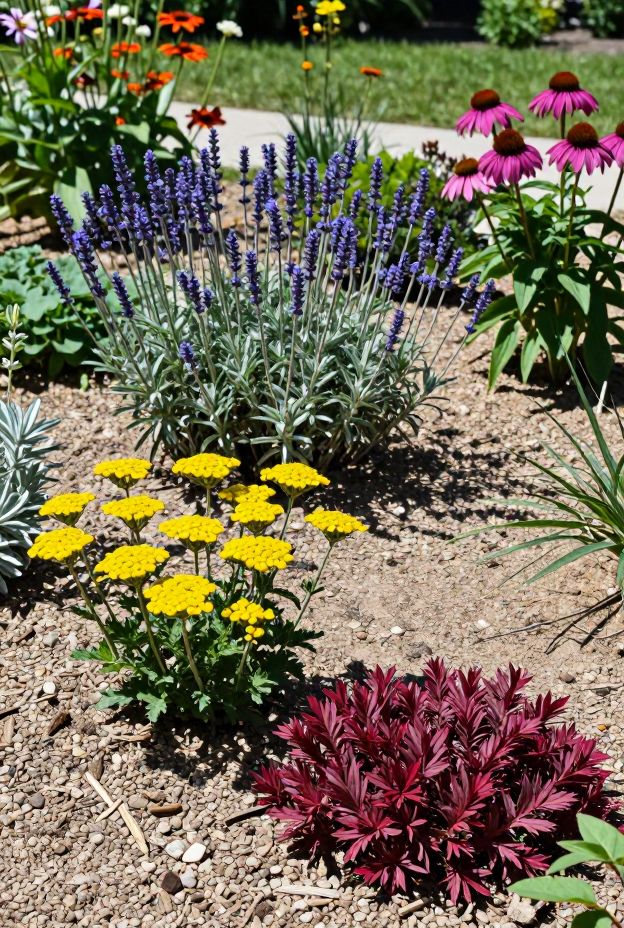
Group plants by water needs so you’re not overwatering drought-tolerant plants just because they’re next to thirstier ones. Once established, many xeriscape beds need virtually no irrigation beyond natural rainfall.
Top Drought-Tolerant Flowers for Busy Homeowners
- Yarrow — feathery foliage, flat flower clusters, spreads easily
- Sedum (Stonecrop) — succulent, colorful, practically indestructible
- Russian Sage — silvery stems, lavender-blue flowers, highly aromatic
- Coneflower (Echinacea) — bold blooms, self-seeds, extremely tough
7. Install Raised Flower Beds for Easier Management
Raised beds aren’t just for vegetable gardens. Raising your flower beds by even 8 to 12 inches gives you complete control over soil quality, dramatically reduces back strain, and makes weeding almost enjoyable (okay, maybe not enjoyable, but at least tolerable).
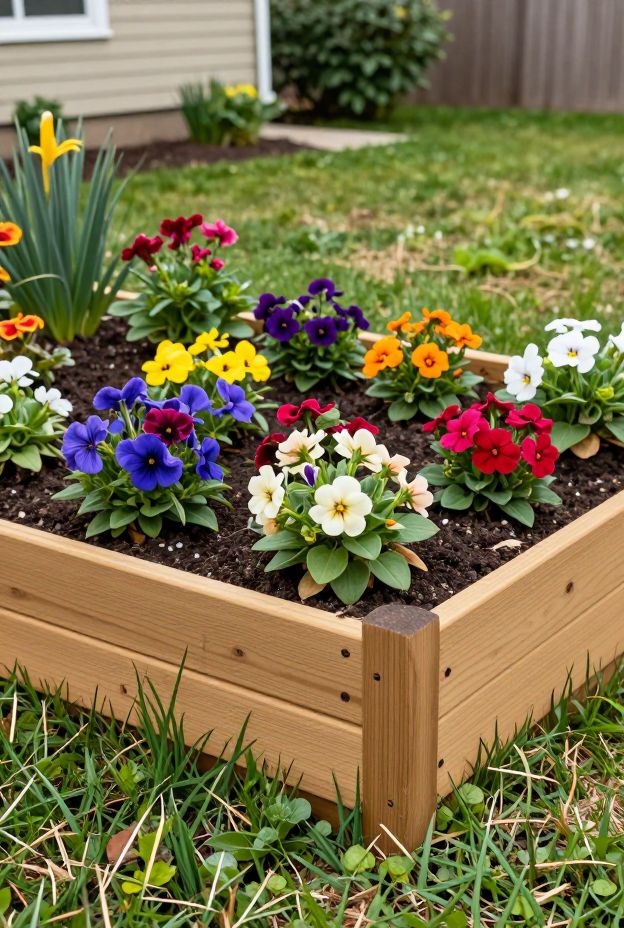
You can fill raised beds with a premium mix of topsoil, compost, and perlite, so your plants start with ideal conditions from day one. Fewer drainage problems, fewer compaction issues, fewer weeds from ground-level seeds blowing in.
8. Edge Your Beds to Keep Grass Out
Ever spent an afternoon weeding only to find the grass crept right back in two weeks later? That’s because without proper edging, lawn grass will constantly push into your flower beds and you’ll be fighting a never-ending battle. Install a physical edging barrier — metal, plastic, or stone — to draw a firm line.
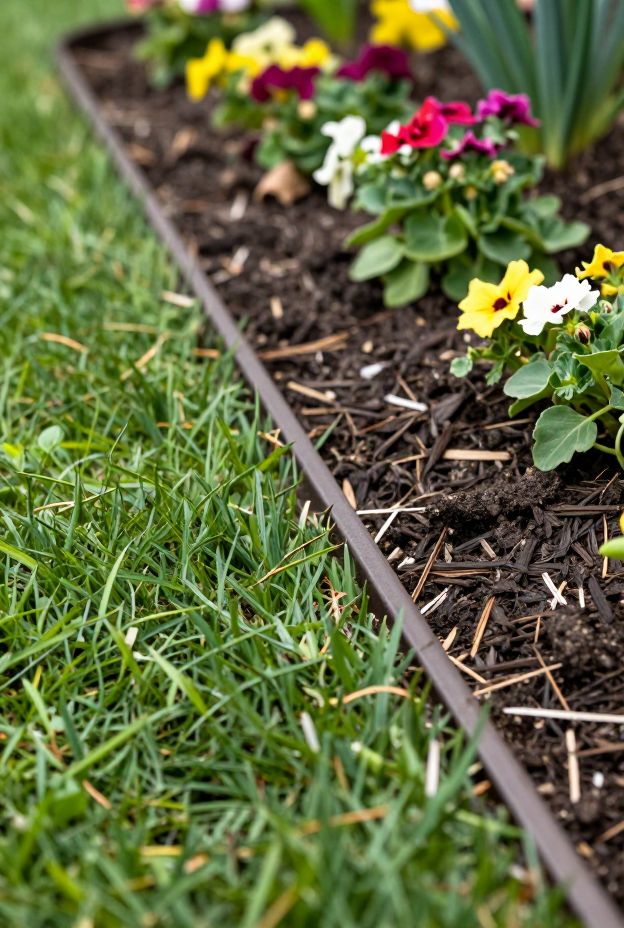
Deep-set metal edging is my personal favorite because it looks clean, lasts for years, and actually stops aggressive grass runners in their tracks. It’s a one-time investment that saves you hours of hand-weeding every single season.
- Metal edging: durable, sleek look, best for long straight or curved beds
- Stone borders: decorative, heavy enough to stay put naturally
- Plastic edging: affordable, flexible, works fine for casual beds
9. Choose Self-Seeding Annuals That Replant Themselves
Want the color variety of annuals without replanting every spring? Self-seeding annuals are your answer. Plants like cosmos, cleome, and California poppy drop seeds at the end of the season and come back on their own the following year, often in even more abundance.
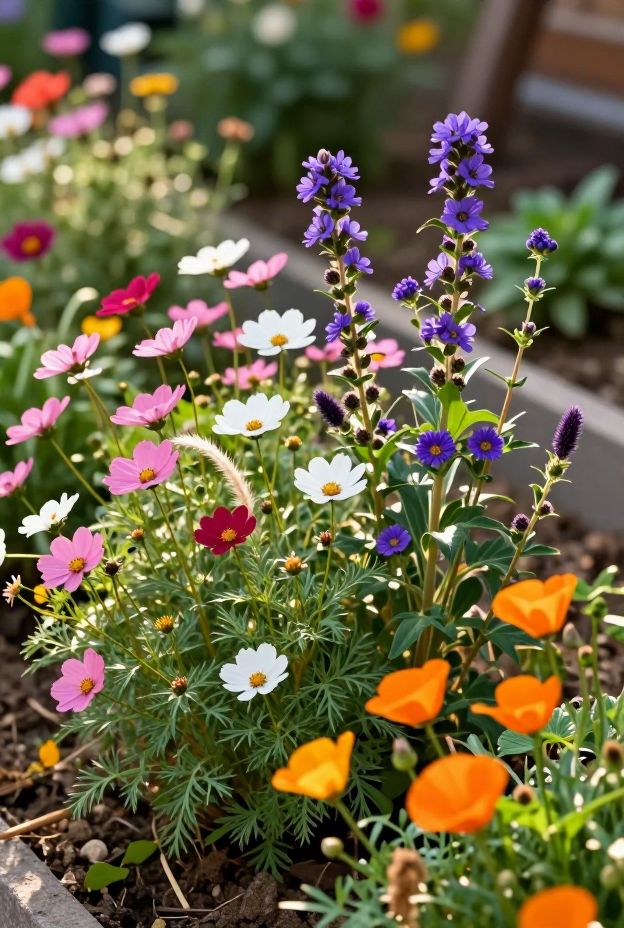
Just let them go to seed before you deadhead, and nature handles the rest. You get fresh, colorful blooms every year with zero effort beyond the original planting. That’s the kind of gardening math I can get behind.
10. Use Ground Cover Plants to Eliminate Bare Soil
Bare soil is basically an open invitation for weeds. The best way to deny weeds that opportunity is to cover every inch of soil with low-growing ground cover plants. Creeping thyme, ajuga, and vinca minor all spread quickly, smother weeds, and look great doing it.
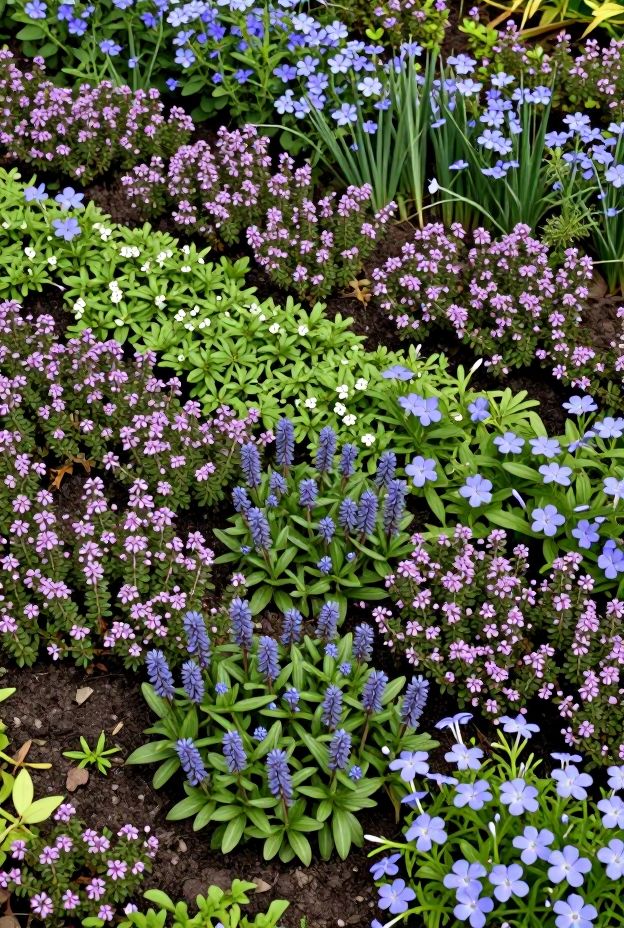
Creeping thyme is especially smart because it tolerates foot traffic, smells amazing when brushed, and produces tiny purple blooms in summer. It’s a ground cover that actually earns its space.
Best Ground Covers for Flower Beds
- Creeping Thyme — fragrant, drought tolerant, blooms in summer
- Ajuga (Bugleweed) — fast spreading, beautiful purple flower spikes
- Vinca Minor — evergreen in mild climates, cheerful blue flowers
- Sedum Acre — mat-forming, succulent, golden flowers in spring
11. Design a Shade-Friendly Bed Under Trees
Got a shady corner under a big tree that you’ve just been ignoring? That awkward spot is actually a perfect low maintenance flower bed opportunity. Shade-tolerant plants like hostas, astilbes, and hellebores thrive with minimal sun and almost no supplemental watering once established.
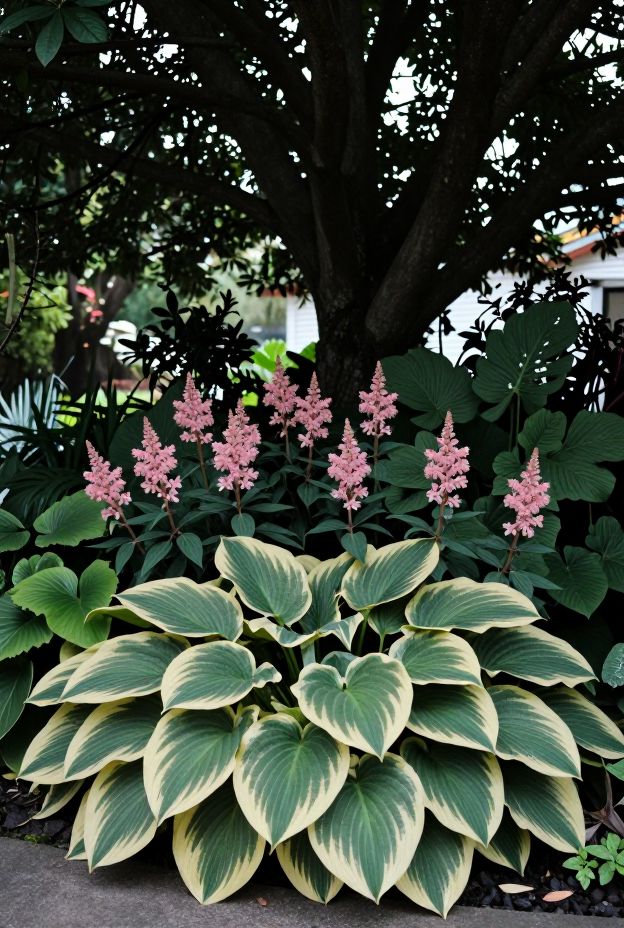
Hostas in particular are basically impossible to kill. They come back every year, get bigger and more dramatic with age, and handle dry shade better than almost anything else. Pair them with astilbes for feathery summer color and you’ve got a stunning, effortless bed.
12. Plant Spring Bulbs for Hands-Off Early Color
Here’s a low effort strategy with huge payoff: plant spring bulbs in fall and forget about them. Tulips, daffodils, alliums, and hyacinths all do their thing underground all winter and burst up in spring with zero intervention from you. It’s basically delayed gratification, gardening edition.
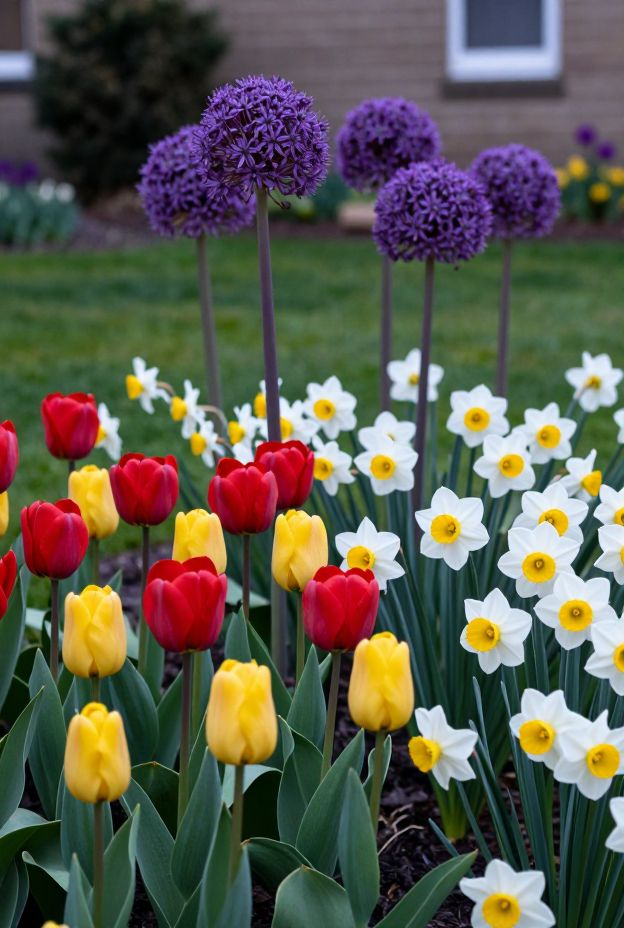
Daffodils are especially low maintenance because deer and rodents leave them alone, unlike tulips which can get dug up. Alliums are another fantastic choice — their dramatic spherical flower heads look architectural and they naturalize over time, meaning you get more every year.
- Plant bulbs in fall, 2 to 3 times deeper than the bulb’s diameter
- Mix early, mid, and late bloomers for weeks of continuous color
- Let foliage die back naturally to feed next year’s blooms
13. Add a Focal Point Shrub to Anchor Your Bed
Every great flower bed needs a structural anchor — something that looks good 12 months a year and gives the bed a visual center of gravity. A well-chosen shrub fills that role perfectly while requiring almost no attention once established.
Knockout roses are an obvious choice because they bloom nearly non-stop without spraying or deadheading. Dwarf spirea, weigela, and hydrangeas are also excellent picks depending on your light conditions. Pick one, plant it where you want the eye to land first, and build the rest of your bed around it.
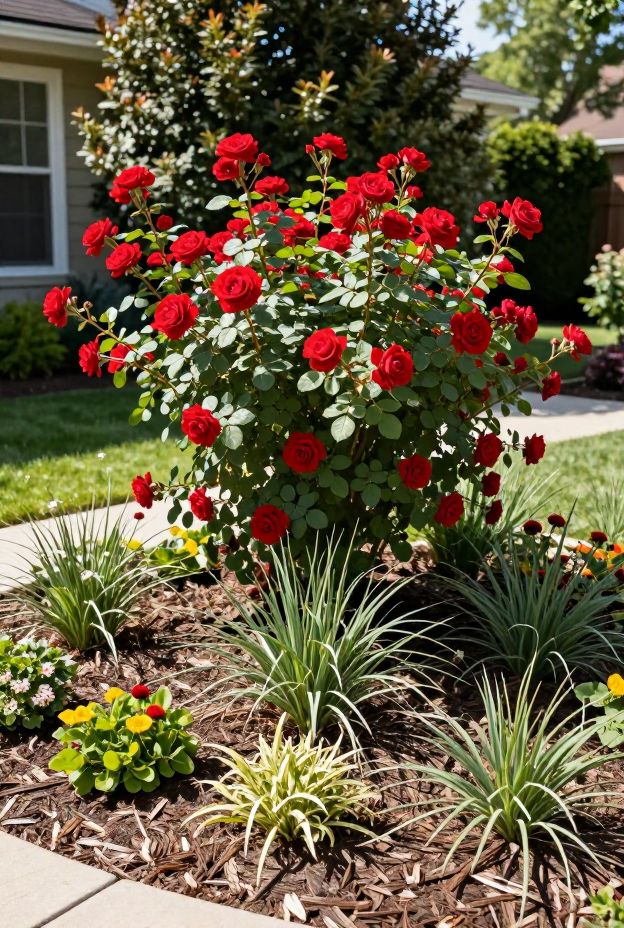
Best Anchor Shrubs for Low Maintenance Flower Beds
- Knockout Rose — continuous bloomer, disease resistant, no deadheading needed
- Dwarf Spirea — compact, colorful foliage, easy to shape
- Limelight Hydrangea — massive blooms, hardy, four-season interest
- Weigela — arching branches, tubular flowers, attracts hummingbirds
Wrapping It Up
Low maintenance doesn’t mean low beauty. It just means you work smarter, not harder — choosing the right plants, setting up your beds thoughtfully, and letting nature do most of the heavy lifting. These 13 ideas cover everything from drought-tolerant xeriscaping to self-seeding annuals, raised beds, and strategic mulching.
Start with one or two ideas that fit your yard and your schedule. You don’t have to overhaul everything at once. Pick the ideas that excite you most, get your hands a little dirty this weekend, and watch your garden become the low effort showstopper it was always meant to be 🙂 .