Look, I get it—your backyard’s been looking a bit… meh. You scroll through Instagram, see those jaw-dropping outdoor spaces, and think “yeah, right, probably costs a fortune.” But here’s the thing: modern garden design isn’t about throwing money at fancy landscapers. It’s about making smart choices that transform your outdoor space into something you’ll actually want to hang out in. I’ve spent the last few years experimenting with my own garden, and trust me, these 13 ideas are total game-changers. Ready to turn your boring backyard into the neighborhood’s coolest hangout spot?
1. Clean-Lined Geometric Planters
Forget those frilly Victorian pots your grandma loved. Modern gardens thrive on **geometric planters** with sharp, clean lines. Think rectangular concrete boxes, cylindrical metal planters, or cube-shaped containers that make a statement without trying too hard.
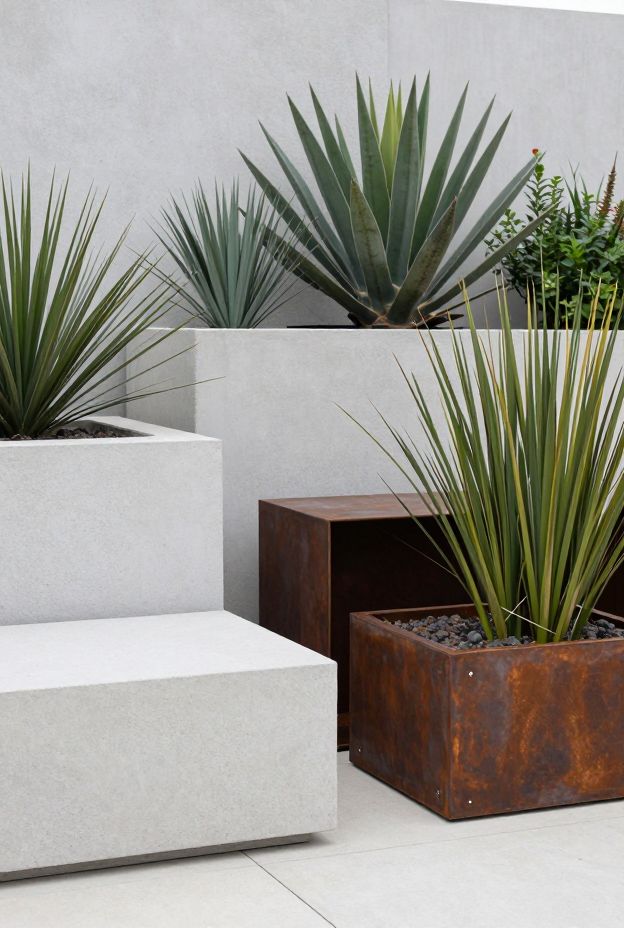
I switched to these last spring, and the difference was instant. Your plants become living sculptures when you frame them in minimalist containers. Plus, they’re ridiculously easy to arrange—just play with different heights and you’re golden.
Why They Work
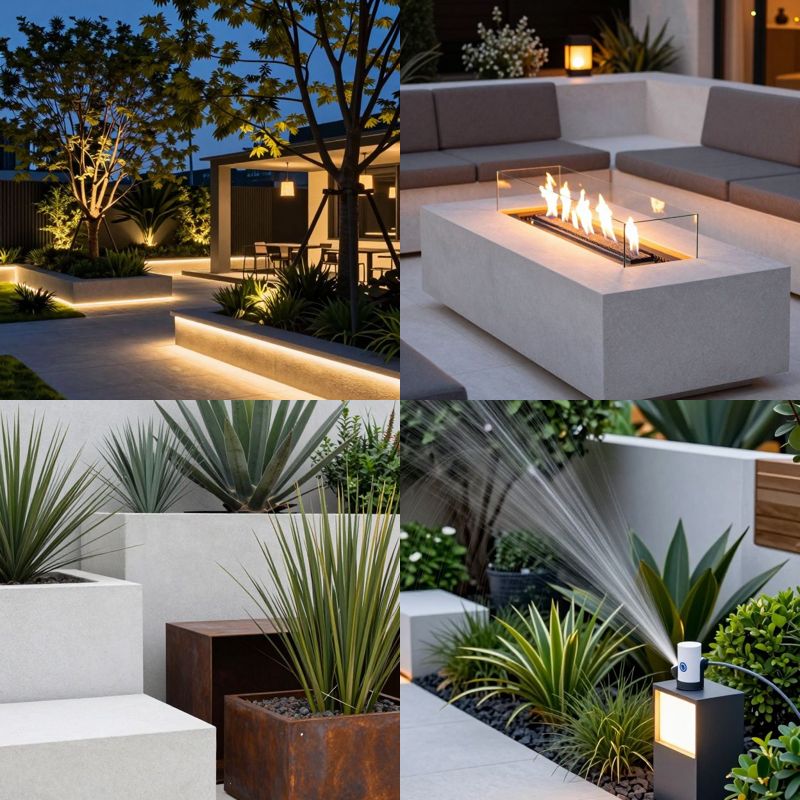
These planters create visual order in your garden. They work especially well with **architectural plants** like agaves, yuccas, or ornamental grasses. The contrast between organic plant forms and geometric containers? *Chef’s kiss*.
2. Minimalist Water Features
Water features don’t need to be those tacky fountains with cherubs spitting water (seriously, who thought those were a good idea?). Modern water features are sleek, simple, and often barely there. Think shallow reflecting pools, linear water channels, or single-spout wall fountains.
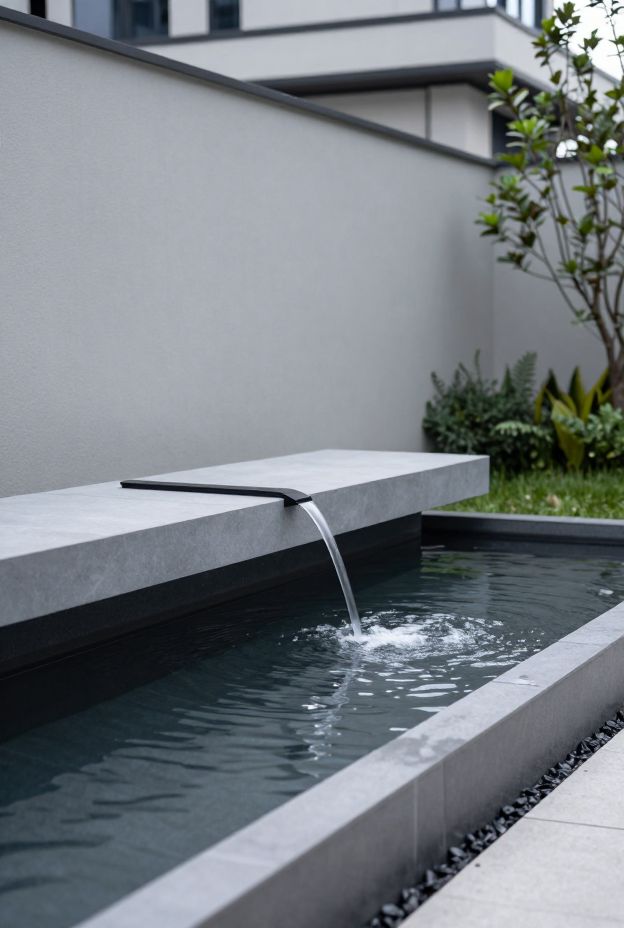
I installed a simple water blade fountain last year, and wow—the sound alone makes my garden feel like a zen retreat. It’s basically a thin sheet of water falling into a minimal basin. **Cost-effective** and way cooler than anything overly complicated.
Sound Matters
The gentle sound of moving water masks traffic noise and creates a calming atmosphere. Ever noticed how you instantly relax near water? That’s not coincidence—it’s biology, baby.
3. Multi-Level Decking Zones
Flat gardens are boring. Period. Creating **multiple deck levels** adds dimension and defines different outdoor “rooms” without building actual walls. You can have a dining zone, a lounging area, and a garden bed all at different elevations.
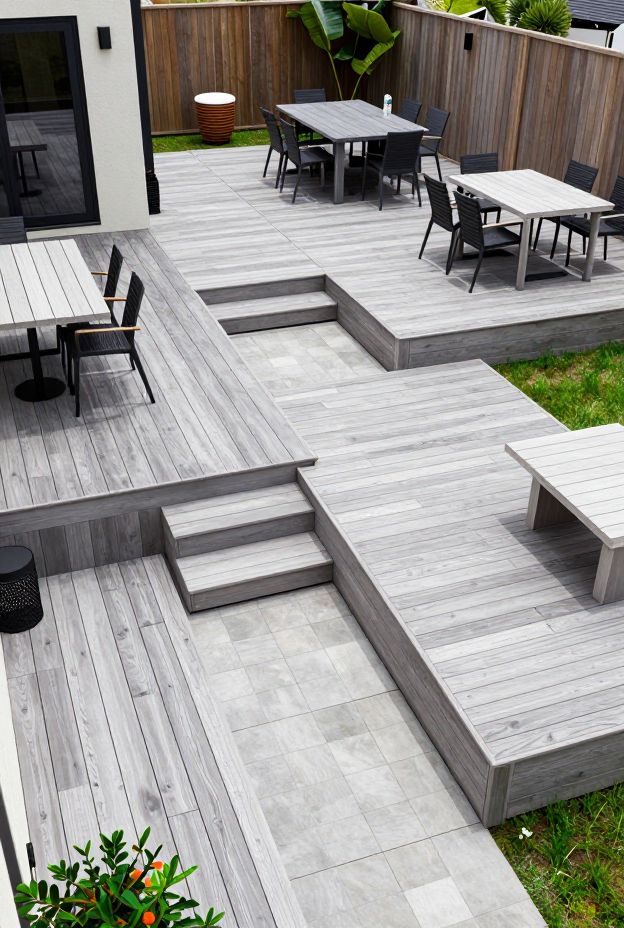
This trick makes even small gardens feel larger because it guides the eye through different spaces. Plus, it’s perfect for sloped yards where you’d otherwise struggle with awkward angles.
Material Choices
- Composite decking: Low maintenance, doesn’t splinter, looks consistently good
- Natural wood: Warmer aesthetic but needs regular sealing
- Concrete platforms: Ultra-modern, durable, surprisingly affordable
4. Vertical Garden Walls
Small space? No problem. **Vertical gardens** let you grow up instead of out. I’m talking living walls covered in succulents, herbs, or even vegetables. They’re like nature’s artwork, and they work as privacy screens too.
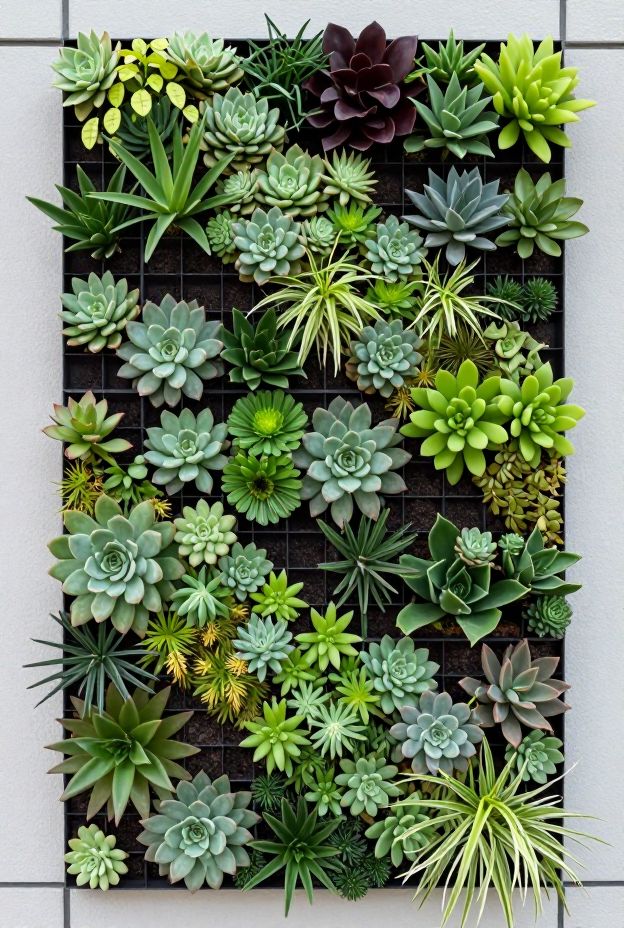
IMO, modular systems are the way to go for beginners. You can start small with a few panels and expand as you get the hang of watering and maintenance. Fair warning: they need proper irrigation, but once that’s sorted, they’re pretty self-sufficient.
Plant Selection Tips
Choose plants with similar water needs for each section. Mixing drought-tolerant succulents with water-hungry ferns? Recipe for disaster. Group your plants by their thirst level, and you’ll save yourself major headaches.
5. Outdoor Lighting with Purpose
Garden lighting isn’t just about seeing where you’re walking (though that helps too :). Modern outdoor lighting creates **ambiance and drama**. Think uplighting for trees, strip lighting along pathways, or pendant lights over dining areas.
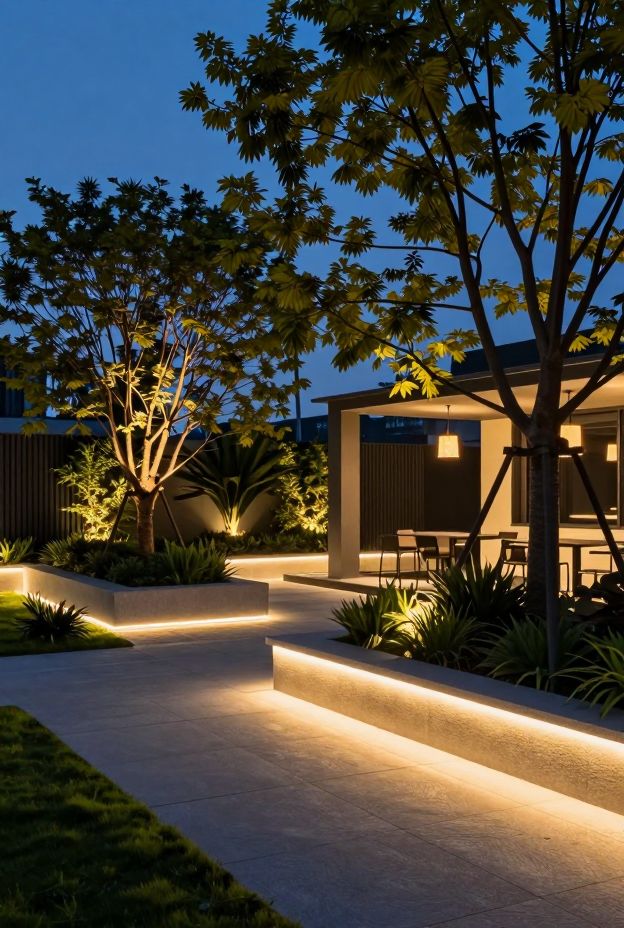
I went LED all the way—lower energy costs, longer lifespan, and you can get dimmable options. The transformation at night is unreal. Suddenly my garden becomes this moody, atmospheric space that rivals any fancy restaurant patio.
Layering Light
Don’t rely on one type of lighting. Layer it like you would indoors:
- Ambient lighting: Overall illumination from overhead or perimeter fixtures
- Task lighting: Brighter lights for cooking or dining areas
- Accent lighting: Spotlights on focal points like sculptures or specimen plants
6. Natural Stone Pathways
Concrete pavers are fine, but **natural stone** brings warmth that synthetic materials just can’t match. Bluestone, limestone, or slate laid in irregular patterns creates that effortlessly modern look.
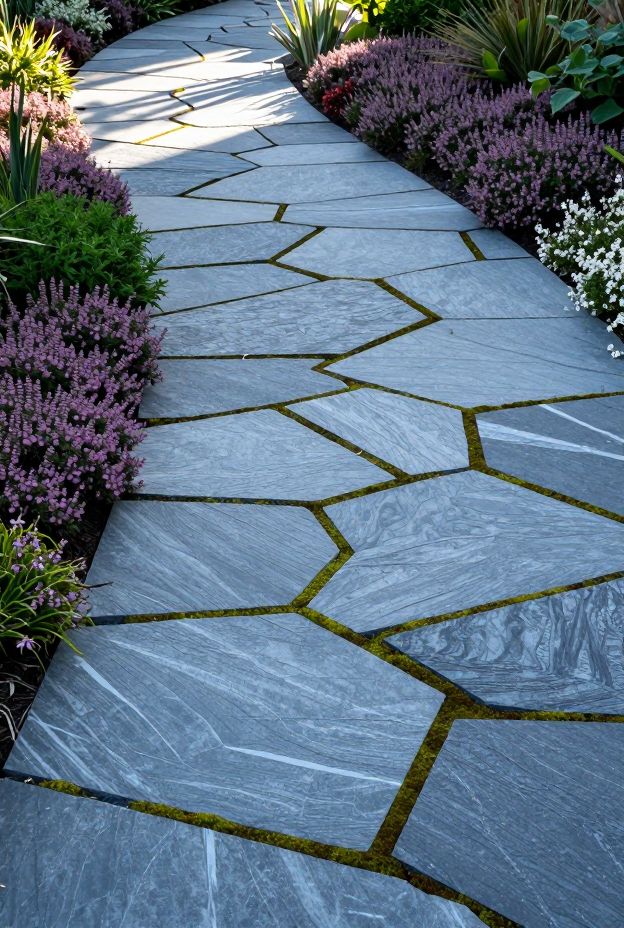
Here’s where I deviate from minimalist rules: I love leaving gaps between stones and filling them with low-growing plants like thyme or moss. It softens the hardscape without losing that contemporary edge. Plus, it smells amazing when you step on the herbs.
7. Built-In Seating
Why buy furniture when you can build **integrated seating** right into your garden design? Low walls with cushioned tops, bench-style seating along raised beds, or corner banquettes create permanent gathering spots.
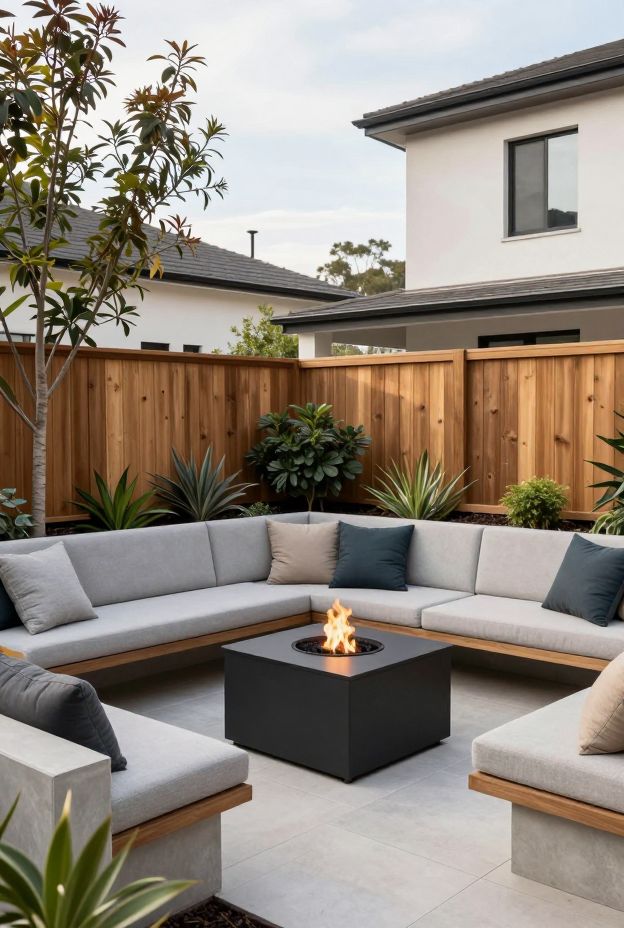
This approach maximizes space and looks intentional rather than cluttered with random chairs. I built an L-shaped bench around my fire pit, and it’s become everyone’s favorite spot during gatherings. FYI, adding storage underneath is a genius move—perfect for cushions, garden tools, or outdoor toys.
Material Consistency
Match your built-in seating materials to other hardscape elements. If you’ve got concrete planters, use concrete for benches. Wood deck? Wood benches. It creates visual cohesion that makes everything look professionally designed.
8. Monochromatic Plant Schemes
Ever wonder why some gardens look sophisticated while others look like a paint store exploded? It’s often about **color restraint**. Modern gardens frequently use monochromatic or limited color palettes.
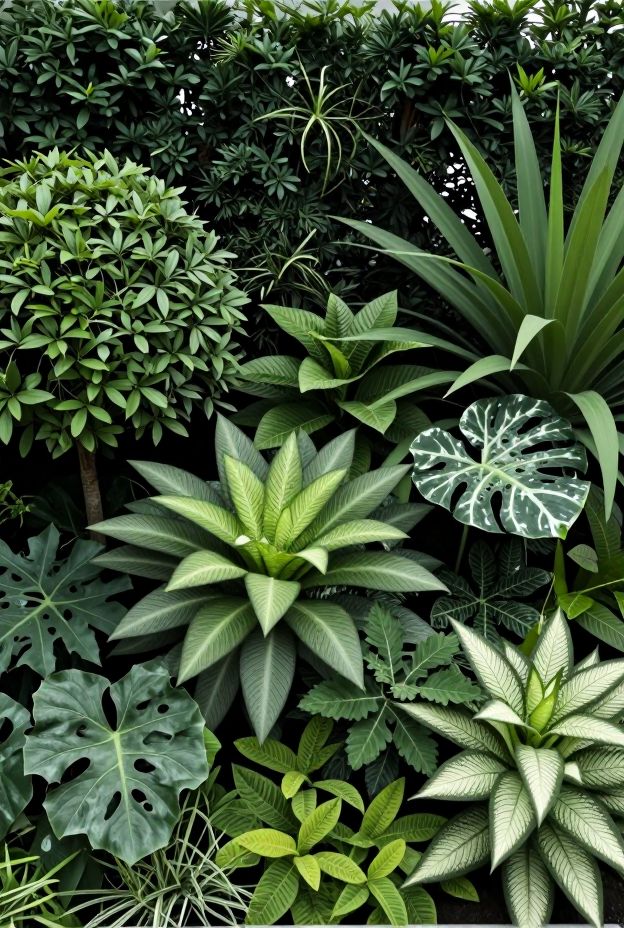
I went all-green in one section—different shades and textures of foliage without any flowers. Sounds boring? It’s actually incredibly elegant. The variety in leaf shapes, sizes, and green tones creates interest without chaos.
Adding Accents
If all-green feels too austere, pick **one accent color** and stick with it. White flowers only, or all purple blooms, or strictly yellow accents. This controlled approach reads as intentional rather than random.
9. Outdoor Kitchens and Bars
If you’re spending money anywhere, make it the **outdoor kitchen**. Built-in grills, prep counters, and storage transform your garden into an actual living space, not just a place to look at plants.
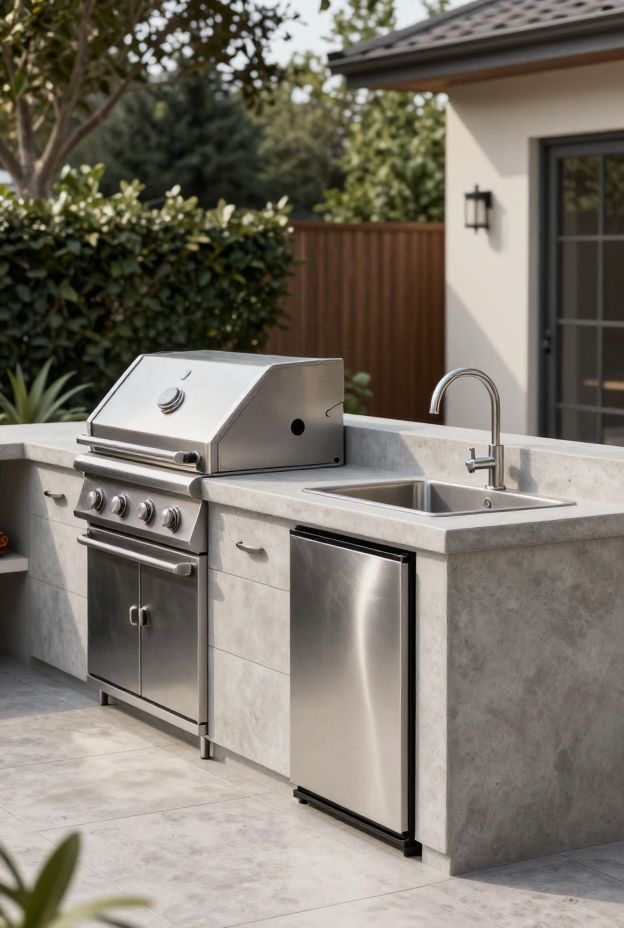
My outdoor counter with a small sink changed everything. Suddenly I’m not running inside every five minutes during cookouts. Add a mini-fridge, and you’ve basically got a second home out there. Worth every penny.
Smart Layout
- Position near your house: Easier utility connections for water, gas, and electricity
- Consider wind direction: You don’t want smoke blowing into dining areas
- Include counter space: You’ll need way more prep area than you think
10. Architectural Privacy Screens
Nobody wants to make eye contact with neighbors while chilling in their garden. But forget those sad wooden fences that scream “suburban subdivision.” **Modern privacy screens** use materials like metal panels, horizontal slats, or even frosted acrylic.
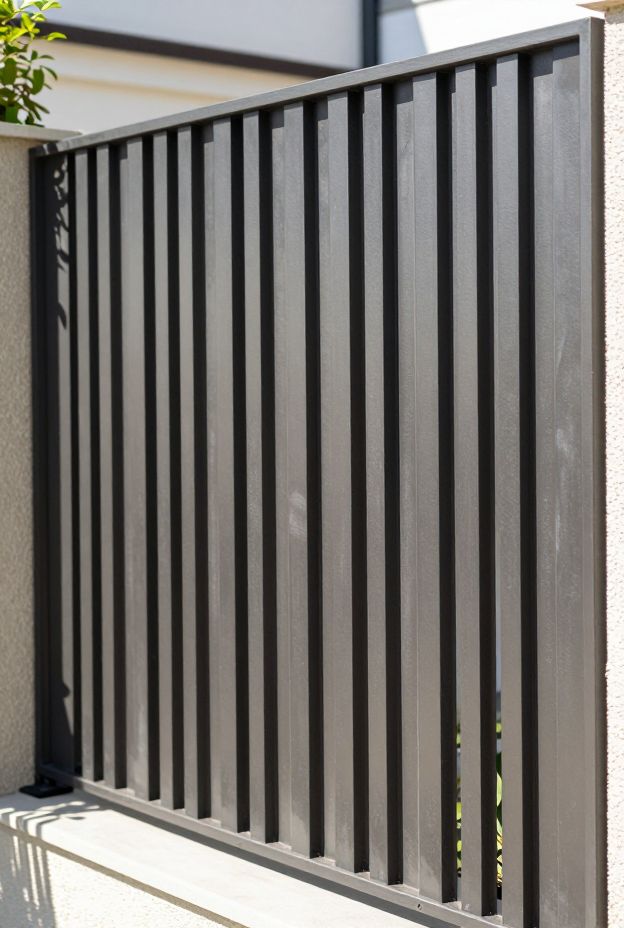
I installed vertical metal screens with a geometric pattern between my patio and the neighbor’s yard. They provide privacy without creating that boxed-in feeling, and they look like art installations. Bonus: they cast cool shadow patterns throughout the day.
11. Fire Features as Focal Points
Fire pits are everywhere now, but **modern fire features** elevate the concept. Linear gas fire tables, concrete fire bowls, or even bioethanol fireplaces create warmth and ambiance without the smoke and maintenance of wood-burning options.
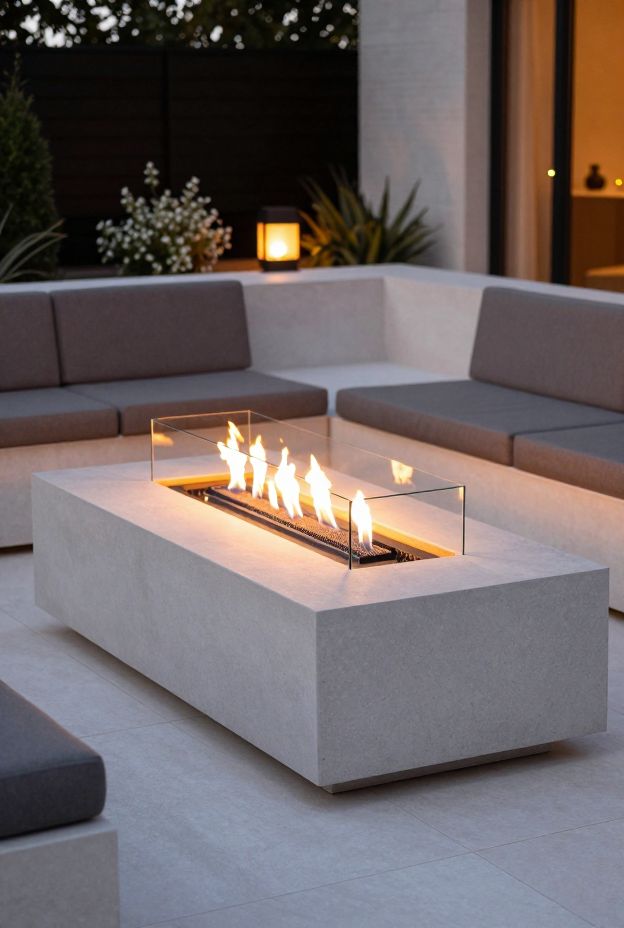
My rectangular fire table doubles as a coffee table when not lit. It’s surprisingly practical—no wood storage needed, no ash to clean, just flip a switch and instant atmosphere. Perfect for those evenings when it’s just slightly too cool but you’re not ready to go inside.
Placement Strategy
Put your fire feature where it becomes a natural gathering point. Mine sits at the intersection of multiple seating areas, so everyone can enjoy it regardless of where they’re sitting. Think of it as your garden’s hearth.
12. Outdoor Rooms with Purpose
Stop thinking of your garden as one big space. Divide it into **distinct outdoor rooms**, each with its own function: dining room, lounge, yoga area, kids’ play zone, whatever fits your lifestyle.
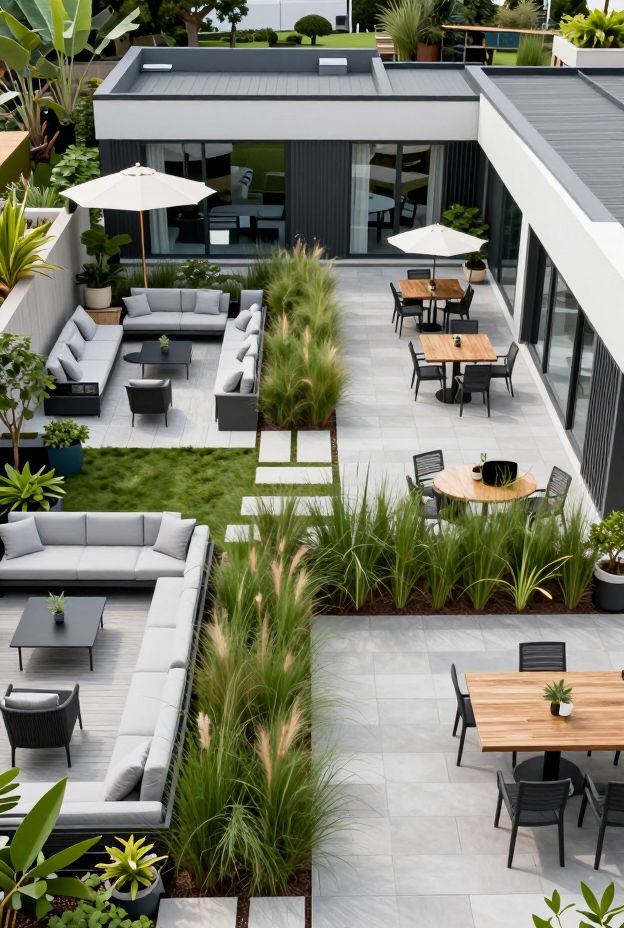
Use different flooring materials, changes in elevation, or strategic plantings to define these zones without actual walls. It makes your garden feel larger and more sophisticated. My favorite is the “secret” reading nook I created behind tall grasses—feels like a hideaway even though it’s just 10 feet from my main patio :/
13. Smart Garden Technology
Look, I’m not suggesting you turn your garden into a sci-fi movie set, but **smart irrigation systems** and outdoor lighting controllers are legit game-changers. Set watering schedules from your phone, adjust lighting scenes for different moods, even get weather alerts that pause your sprinklers when rain’s coming.
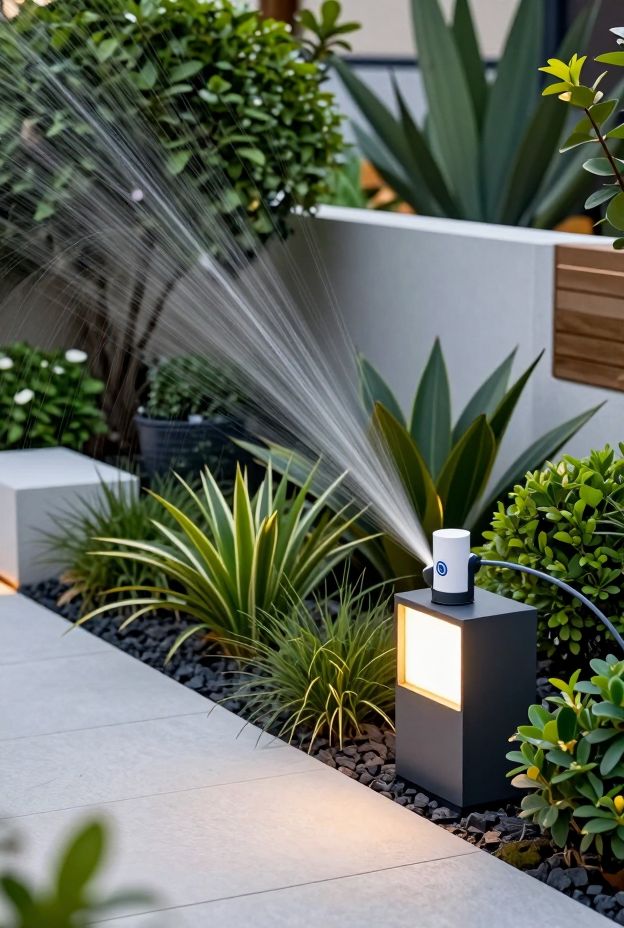
After installing a smart irrigation system, my water bill dropped by 30% because it actually waters based on need rather than a dumb timer. Plants are happier, I’m saving money, and I can adjust everything while sitting on my couch. That’s modern living, folks.
Worth the Investment
- Smart irrigation: Saves water and money long-term
- Automated lighting: Security and convenience combined
- Weather sensors: Protects sensitive plants from unexpected conditions
Conclusion
Modern garden design isn’t about following rigid rules or spending a fortune on trendy materials. It’s about creating **clean, functional outdoor spaces** that actually improve your daily life. Whether you go all-in with every idea here or cherry-pick a few favorites, the key is intentionality—every element should serve a purpose and contribute to the overall vibe.
Start small, experiment, and don’t be afraid to break rules if something works better for your space. Your garden should reflect how you actually live, not some magazine spread. Now get out there and make your outdoor space something worth bragging about. Your neighbors will definitely notice.