So your garden is basically a hill. Every time it rains, your carefully placed soil decides to take a little vacation downhill, and you’re left wondering why you even bother. Trust me, I’ve been there. Low retaining walls are honestly one of the best things you can do for a sloped garden, and the good news? They don’t have to look like a construction site. They can actually look stunning.
Whether you’re working with a gentle incline or a full-on slope that makes your lawnmower cry, these 12 charming low retaining wall ideas will help you tame those garden beds while keeping things beautiful. Let’s get into it.
1. Dry-Stacked Stone Walls
There’s something timeless about dry-stacked stone walls. You stack natural stones without mortar, letting them hold each other in place through weight and friction alone. This technique has been used for centuries, and it still looks absolutely gorgeous in a modern garden setting.
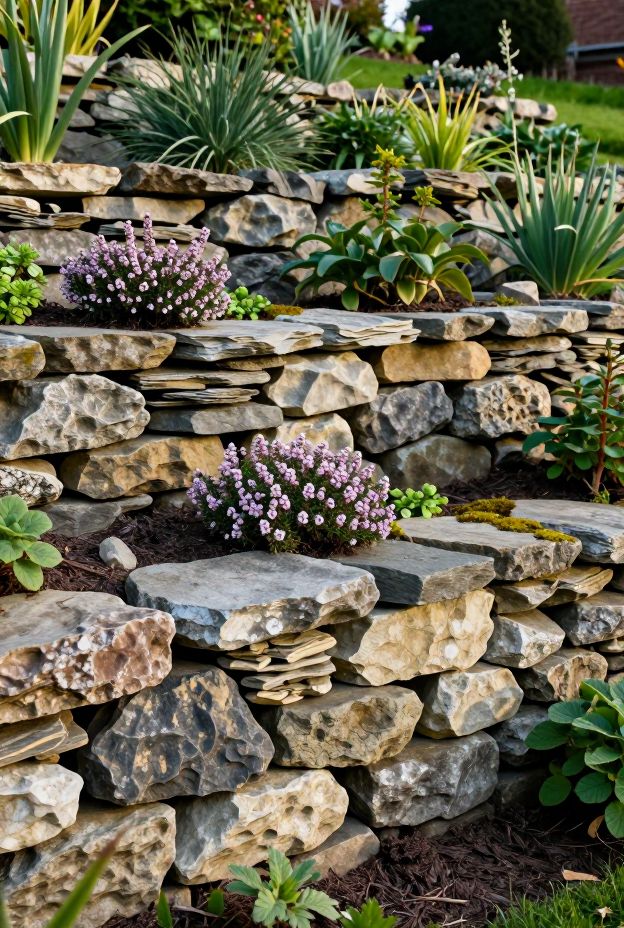
The beauty here is that the gaps between stones actually do something useful. Plants like creeping thyme, sedum, or moss love to root into those crevices, turning your retaining wall into a living feature. IMO, this is one of the most rewarding DIY projects a gardener can tackle on a weekend.
- Best for: Rustic, cottage, or naturalistic garden styles
- Height range: 6 inches to 24 inches
- Skill level: Beginner to intermediate
2. Timber Sleeper Walls
Railway sleepers have had quite the glow-up in gardening circles. These chunky wooden beams bring a warm, earthy feel to any sloped garden bed. Treated hardwood or recycled sleepers work best since they resist rot and handle the pressure of soil behind them well.
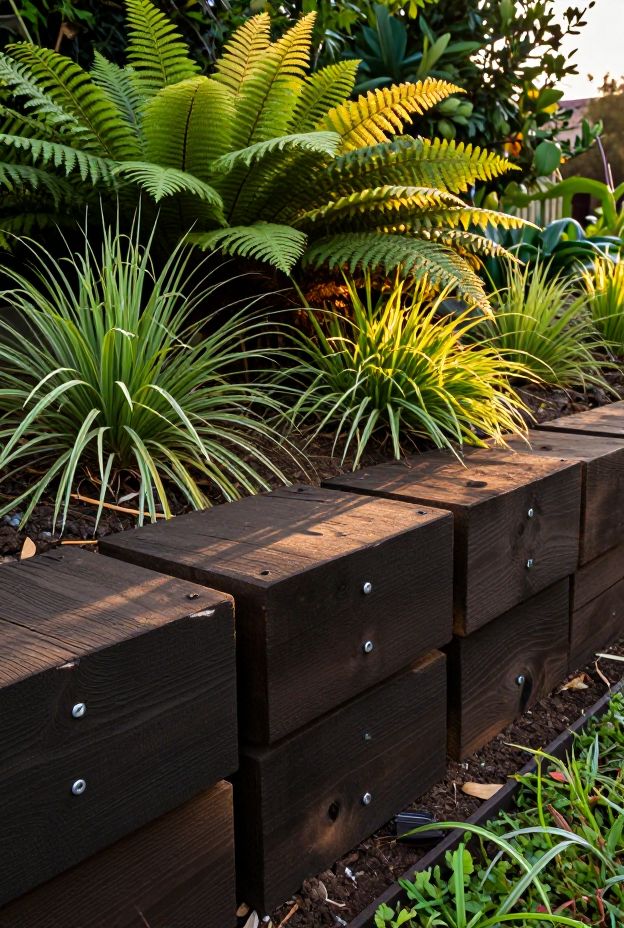
You can stack them horizontally, secure them with metal pins or rebar, and suddenly your messy slope looks intentional and stylish. Ever wondered why timber walls always look so cozy? It’s because wood naturally blends with plants in a way concrete just can’t compete with.
- Best for: Contemporary, rustic, or farmhouse gardens
- Height range: Up to 18 inches for DIY stability
- Pro tip: Use hardwood or pressure-treated timber to extend lifespan
3. Gabion Basket Walls
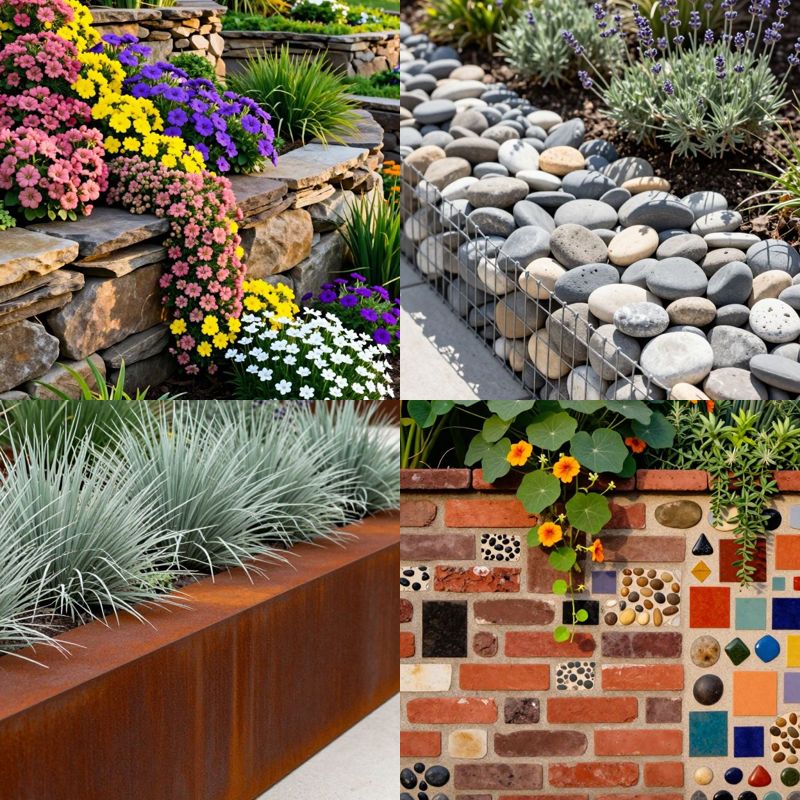
Gabion walls are basically wire cages filled with rocks, and they look way cooler than that description suggests. They’re incredibly sturdy, drain brilliantly, and have serious visual interest. You can fill them with river rocks, slate, or even recycled concrete chunks for an industrial-chic look.
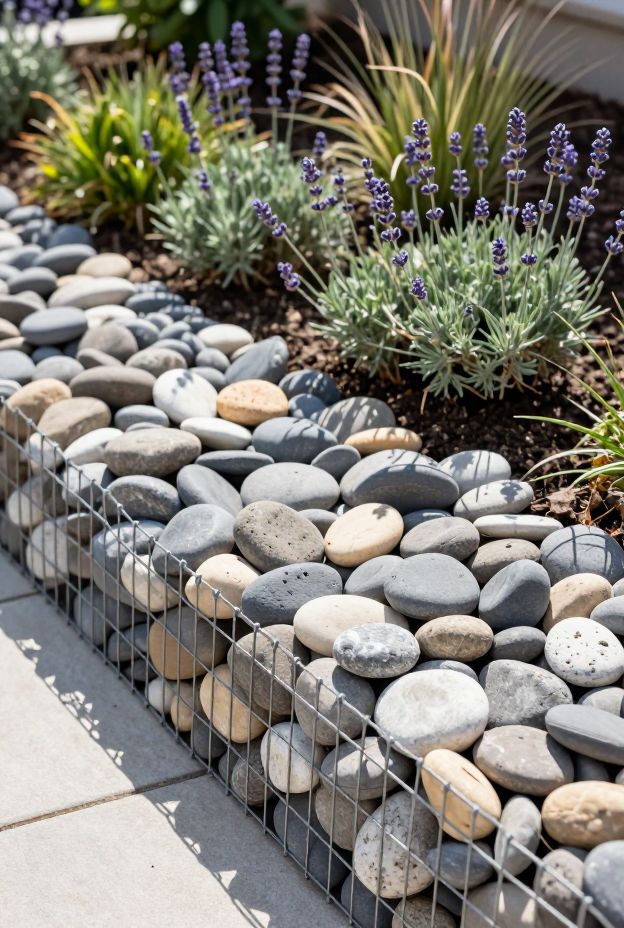
What I really love about gabions is how forgiving they are. The structure flexes slightly with soil movement without cracking, which makes them ideal for areas with heavy rainfall. They’re also surprisingly easy to build yourself with a bit of patience.
- Best for: Modern, industrial, or contemporary gardens
- Fill options: River stones, limestone, granite, slate
- Benefit: Excellent drainage reduces hydrostatic pressure
4. Brick Retaining Walls
Classic brick never goes out of style, and for good reason. A low brick retaining wall gives your garden a neat, formal structure that works beautifully with rose beds, herb gardens, or traditional cottage planting schemes. It’s the tailored suit of garden edging.
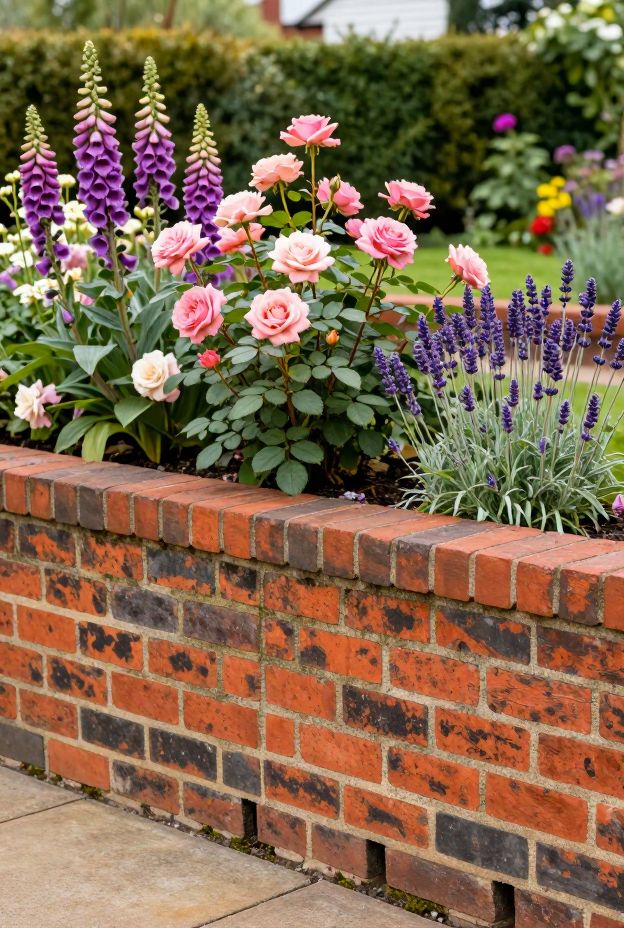
You’ll want to include weep holes at the base to allow water drainage and prevent the wall from bowing outward. Reclaimed or tumbled bricks give a weathered, antique look that feels instantly established. Don’t you love it when something looks like it’s been there forever from day one?
- Best for: Formal, traditional, or cottage gardens
- Key detail: Always include drainage holes every 3-4 feet
- Finish options: New brick, reclaimed brick, tumbled brick
5. Concrete Block Walls
Before you click away thinking “boring,” hear me out. Modern concrete blocks come in textured finishes, curves, and earthy tones that are nothing like the grey slabs you’re picturing. Segmental retaining wall blocks are specifically engineered for this job and interlock beautifully.
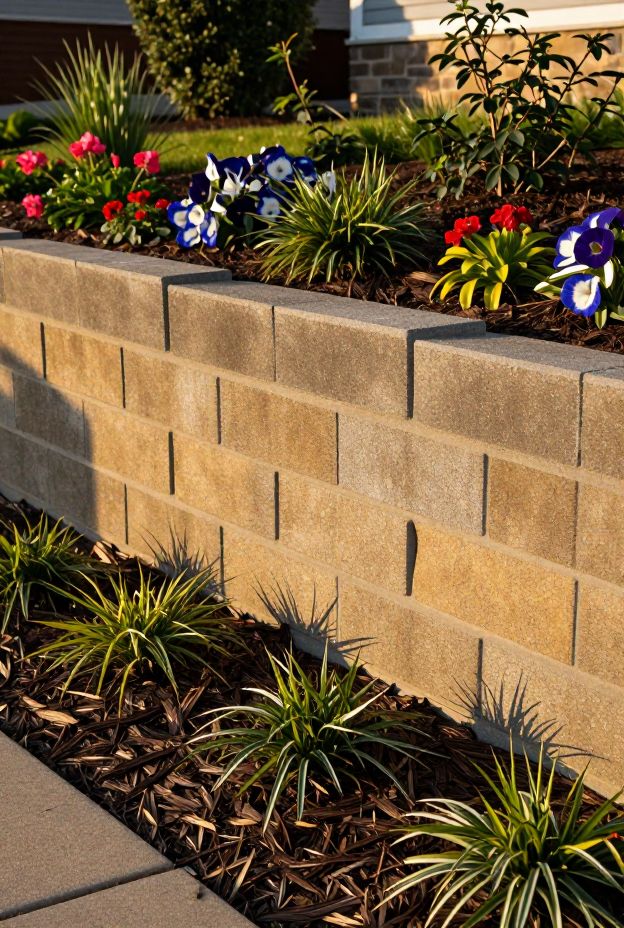
They’re also one of the most budget-friendly options for larger garden projects. Stack them, backfill with gravel for drainage, and you’ve got a wall that’ll handle serious soil pressure without complaint. FYI, brands like Versa-Lok and Allan Block offer some genuinely attractive options worth checking out.
- Best for: Any garden style with the right finish choice
- Cost: Generally the most economical hard option
- Benefit: Interlocking design adds structural stability
6. Poured Concrete Walls with a Twist
Poured concrete sounds brutally functional, but when you add texture, color stain, or a smooth render finish, it becomes a design feature. Colored concrete in terracotta, charcoal, or sandy tones can complement your planting beautifully. It’s all about how you finish it.
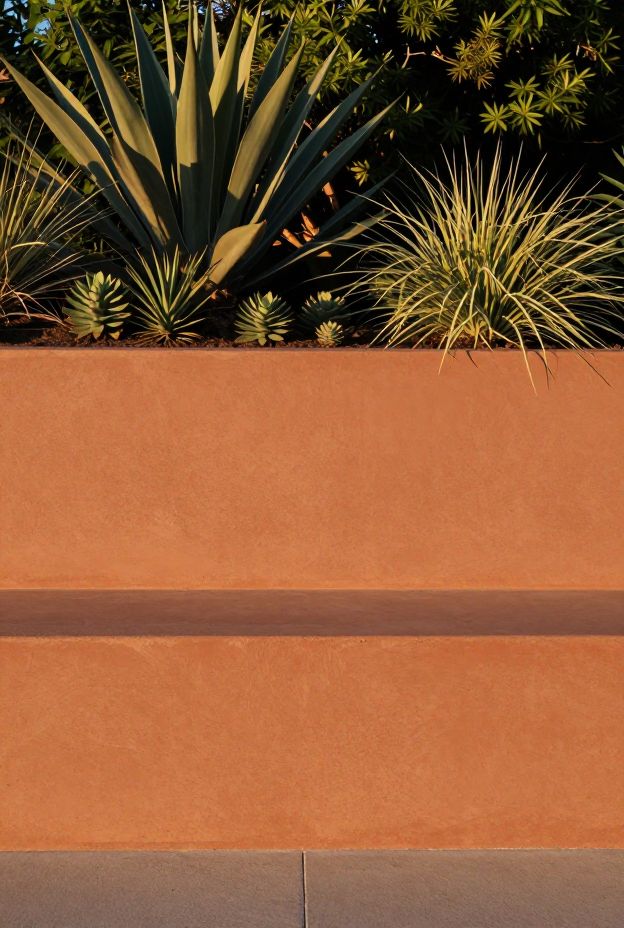
This option works especially well when you want crisp, clean lines in a contemporary garden. You can even embed small stones or pebbles into the wet surface for texture. The end result looks intentional and architectural rather than utilitarian.
- Best for: Modern, minimalist, or architectural gardens
- Finish options: Exposed aggregate, smooth render, acid stain, stamped pattern
- Longevity: Extremely durable with proper drainage
7. Corten Steel Edging Walls
Corten steel is the material that rusts on purpose and somehow looks incredible doing it. The warm, oxidized surface develops a protective patina that actually prevents further corrosion, so what looks like damage is actually the steel doing its job. Genius, really.
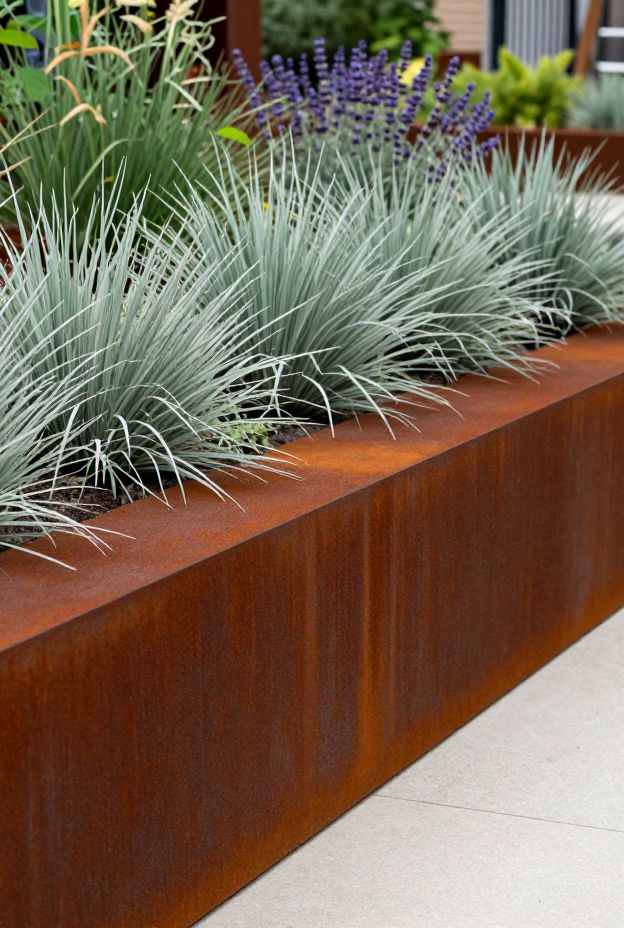
Low corten steel walls pair brilliantly with ornamental grasses, lavender, or drought-tolerant plants. The contrast of rusty steel against silver-green foliage is seriously striking. This is a high-end look that’s becoming more accessible as the material gets more popular among home gardeners.
- Best for: Contemporary, desert, or minimalist gardens
- Height: Works beautifully at 6 to 18 inches
- Note: Allow for initial rust runoff on nearby paving
8. Recycled Brick Mosaic Walls
Got leftover bricks from an old garden project? A mosaic-style low wall using mixed brick sizes and colors can be genuinely charming, especially in a cottage or eclectic garden. It’s a brilliant way to repurpose materials while creating something unique to your space.
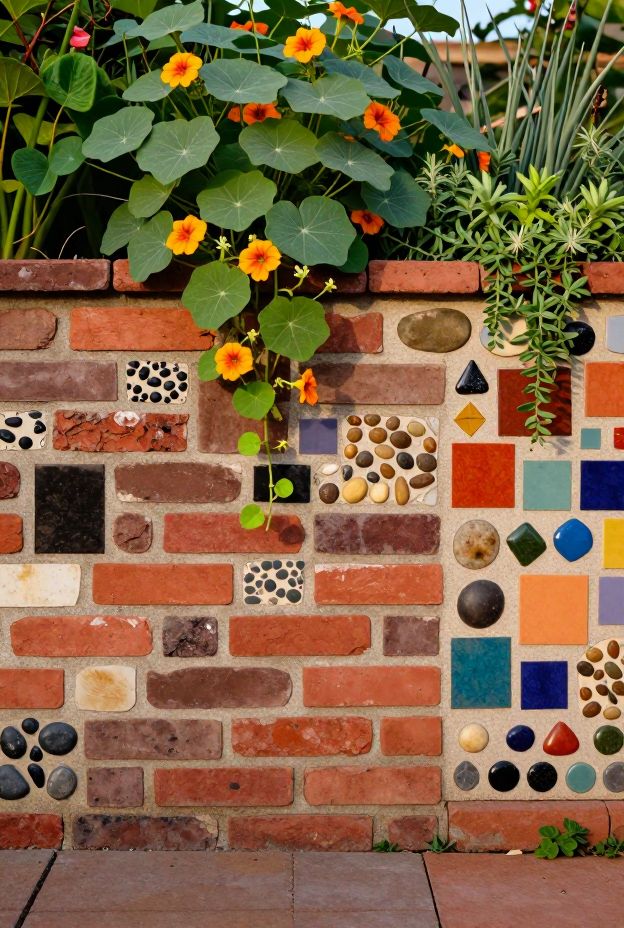
You can mix in terracotta tiles, pebbles, or coloured glass pieces for extra personality. Every single wall will be one-of-a-kind, which I think is a huge plus. Why settle for a cookie-cutter wall when you can build something that tells a story? 🙂
- Best for: Eclectic, bohemian, or cottage gardens
- Budget: Excellent use of salvaged or leftover materials
- Skill level: Intermediate; mortar work required
9. Hypertufa or Faux Stone Walls
Hypertufa is a lightweight concrete mix made with peat moss or perlite that mimics natural stone at a fraction of the weight and cost. You can cast hypertufa into moulds to create custom-shaped wall sections or boulders that look surprisingly authentic.
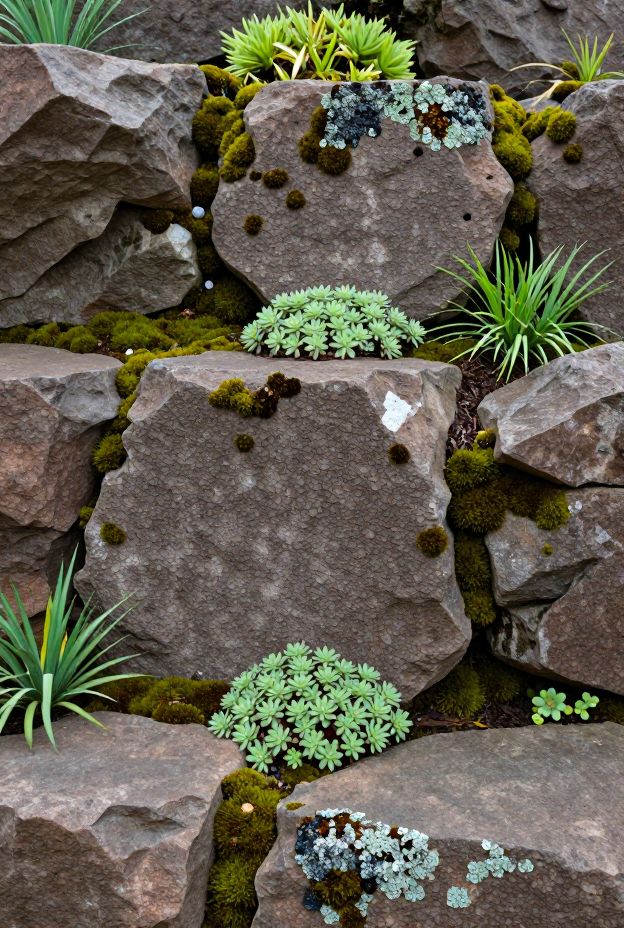
This is a fantastic option for gardeners who want that natural stone look but don’t want to deal with the backbreaking weight of actual rock. It’s also porous, which means mosses and lichens will colonize the surface over time, aging beautifully into the garden landscape.
- Best for: Rock gardens, alpine, or woodland gardens
- Advantage: Lightweight and customizable in any shape
- Fun fact: Ages naturally to look like real stone within a season
10. Planted Stone Terrace Walls
Sometimes the wall itself is just the canvas. A planted stone retaining wall integrates growing pockets directly into the structure, turning a functional barrier into a vertical garden. Think sedums, creeping phlox, arabis, or even small ferns tucked between the stones.
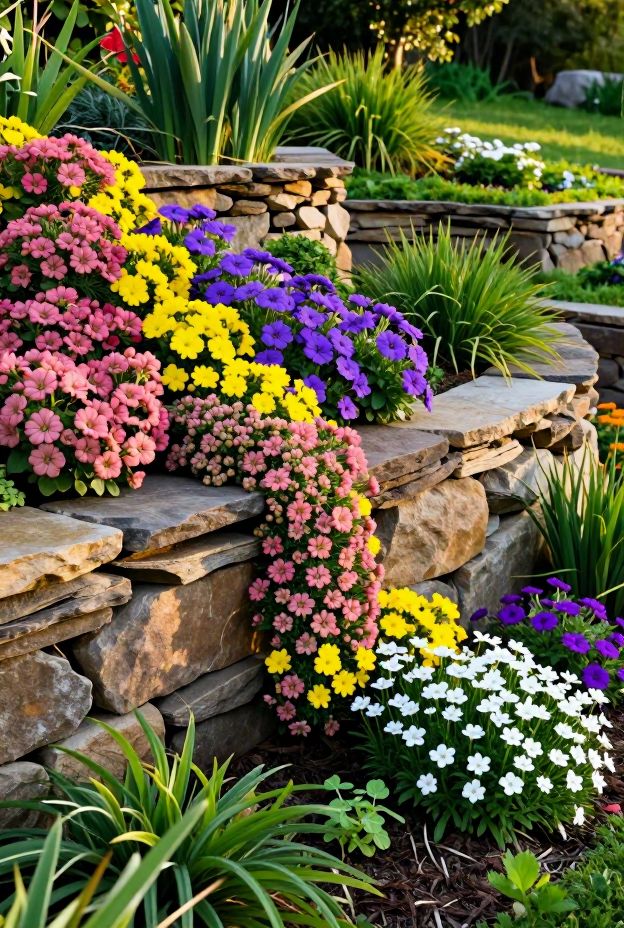
The key is leaving intentional planting gaps as you build, then filling them with a lean, gritty compost mix. Water will naturally travel down through the structure, keeping roots moist without waterlogging. It sounds complex, but once you see a fully planted stone wall in bloom, you’ll wonder why every slope doesn’t have one.
- Best plants: Sedum, creeping thyme, arabis, aubrieta, sempervivum
- Soil mix: Gritty compost with good drainage
- Ideal height: Up to 18 inches for best visual impact
11. Bamboo and Timber Post Walls
Bamboo retaining walls bring an unmistakably tropical or Zen aesthetic to a garden. Thick bamboo poles driven vertically into the ground create a clean, tight fence-style wall that handles light soil retention surprisingly well. Pair it with ornamental bamboo plants or Japanese maples for a cohesive look.
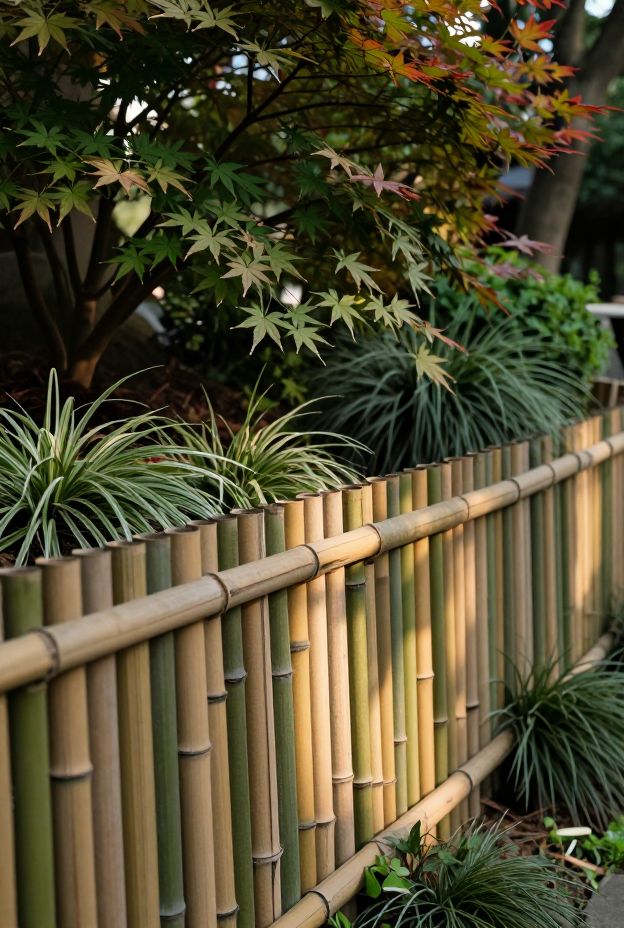
Timber post walls work on the same principle but feel more rustic and naturalistic. Use chunky hardwood posts, stain them dark, and plant ornamental grasses at the base for a layered look. This style suits sloped gardens that back onto woodland or naturalistic planting schemes.
- Best for: Asian-inspired, tropical, or woodland gardens
- Lifespan tip: Use treated or naturally rot-resistant bamboo varieties
- Height: Best kept under 12 inches for structural reliability
12. Raised Bed Combo Walls
Why build a retaining wall and a raised bed separately when you can combine them? A low retaining wall that doubles as the back wall of a raised garden bed is incredibly practical and space-efficient. You contain the slope, gain planting depth, and create a tidy structure all in one move.
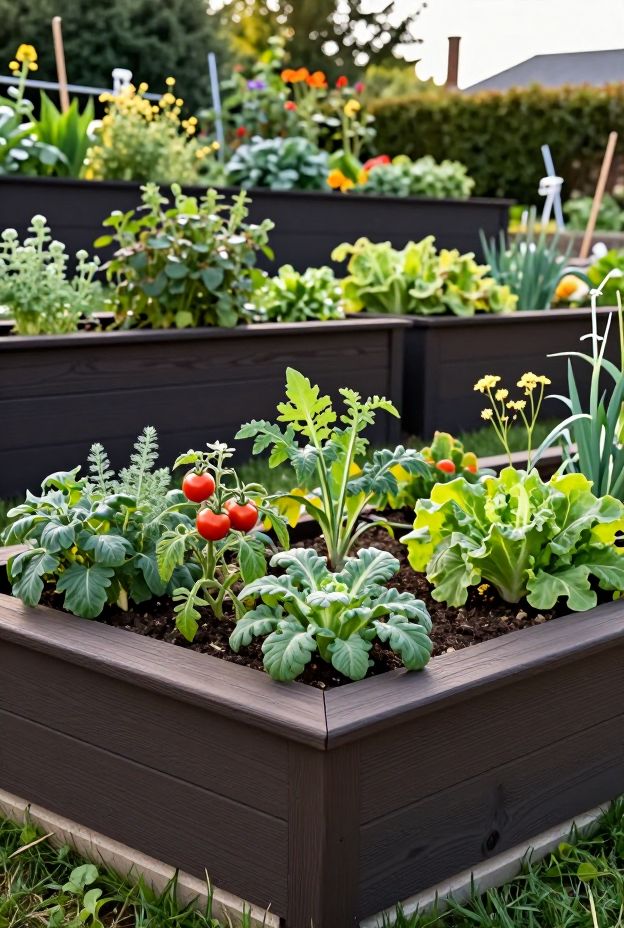
This approach works especially well on steep slopes where you’d naturally need to terrace the garden anyway. Build two or three low retaining walls stepping down the slope, fill each terrace with quality growing mix, and you’ve essentially turned a liability into prime growing real estate. That’s a win in my book. :/ (Only disappointment is not doing it sooner.)
- Best for: Vegetable gardens, herb gardens, or mixed borders
- Materials: Timber sleepers, brick, or concrete block work well
- Key benefit: Combines soil retention with increased growing space
Final Thoughts: Pick the Wall That Fits Your Garden’s Story
Sloped garden beds don’t have to be a problem. With the right low retaining wall, they become one of your garden’s best features. The trick is matching the material and style to your existing garden aesthetic rather than just grabbing whatever’s cheapest at the hardware store.
Whether you go for the timeless charm of dry-stacked stone, the modern edge of corten steel, or the practical genius of a raised bed combo wall, you’re making an investment that will pay off for years. So get out there, assess that slope, and start planning. Your garden beds will thank you, and honestly, so will your nerves every time it rains.