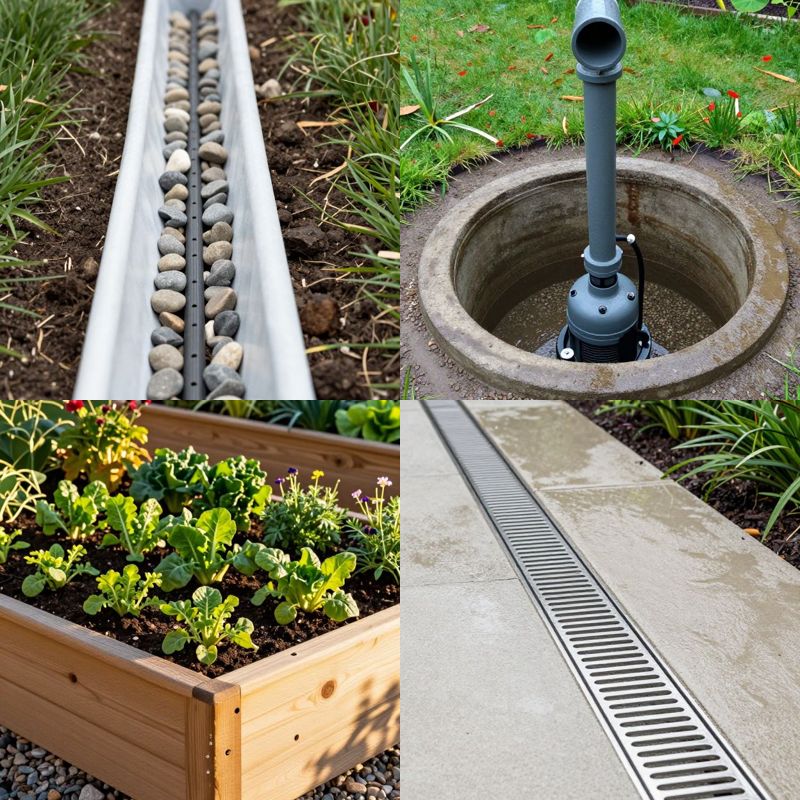
You step outside after a heavy rain, coffee in hand, ready to admire your garden — and instead you’re greeted by a swamp. Yep, been there. Waterlogged gardens are more than just an eyesore; they suffocate plant roots, invite disease, and basically signal that your soil is staging a quiet rebellion. The good news? You don’t need to call in a landscaping crew or spend a fortune to fix it. Here are 12 smart drainage ideas that actually work — and that you can realistically pull off yourself.
1. Install a French Drain
A French drain is one of the most effective drainage solutions you can add to a waterlogged garden. It’s essentially a gravel-filled trench with a perforated pipe that redirects water away from problem areas. You dig a sloped trench, lay the pipe, cover it with gravel and landscape fabric, and let gravity do the heavy lifting.
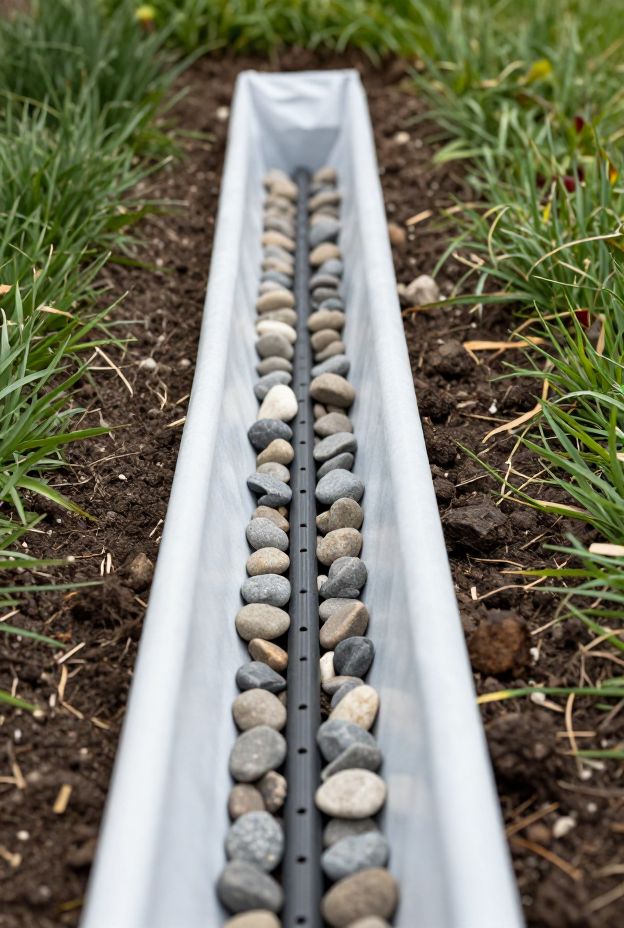
This works exceptionally well along fence lines, beside foundations, or at the base of slopes where water tends to pool. IMO, if you’re only going to do one drainage upgrade, make it this one. The results are dramatic and long-lasting.
- Slope the trench at least 1 inch per 8 feet for proper water flow
- Use a sock-wrapped perforated pipe to prevent sediment clogging
- Direct the outlet toward a street drain, dry well, or low-lying area away from the garden
2. Build a Rain Garden
Here’s a twist — what if instead of fighting the water, you worked with it? A rain garden is a shallow, planted depression that captures runoff and lets it slowly absorb into the ground. It turns your drainage problem into a genuine garden feature. Pretty clever, right?
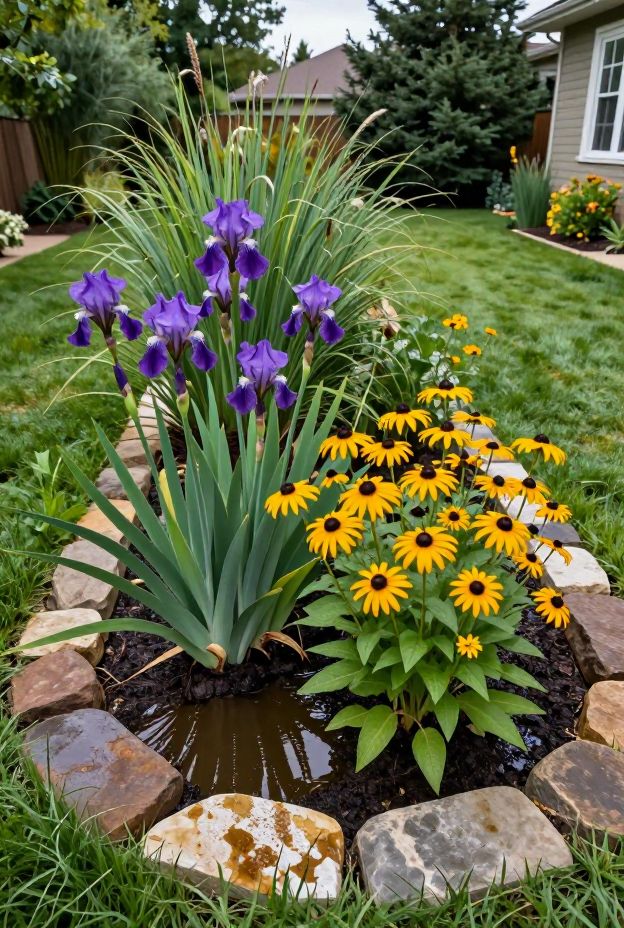
You position the rain garden at a natural low point in your yard, about 10 feet away from your home’s foundation. Fill it with water-tolerant plants like native irises, sedges, or black-eyed Susans. These plants love the occasional soak and thrive where other plants would drown.
- Make it 6 to 12 inches deep with gently sloped sides
- Amend the soil with compost and coarse sand to improve infiltration
- Choose native plants that handle both wet and dry cycles
3. Add Raised Beds
If your soil drains like a bathtub with a clogged plug, raised beds are your best friend. By elevating your planting areas, you completely sidestep the drainage issue at the root level — pun fully intended. You fill the beds with a custom mix of quality soil, compost, and perlite, giving your plants the perfectly draining environment they actually need.
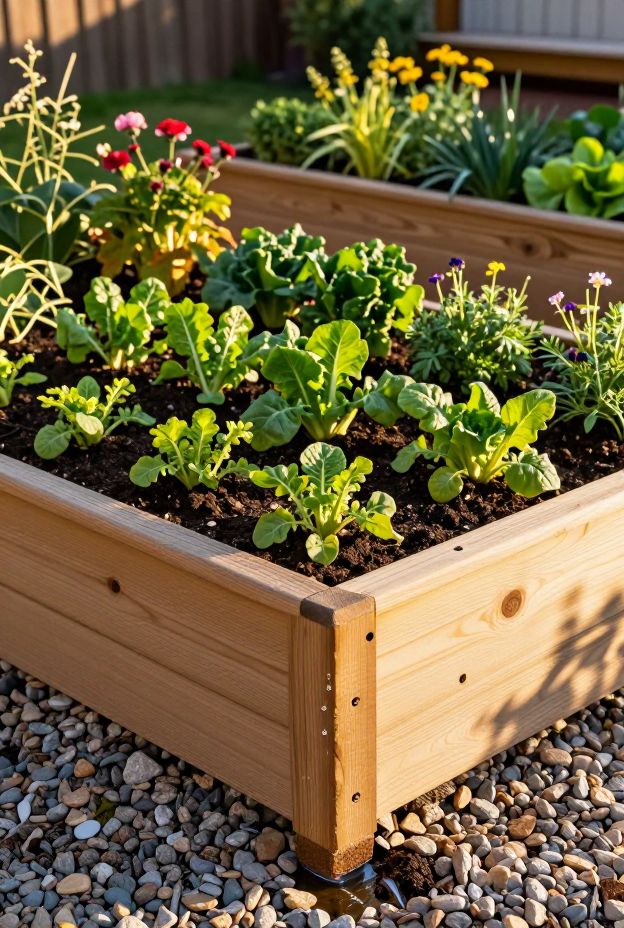
Raised beds also warm up faster in spring, extend your growing season, and look incredibly tidy. You can build them from timber, corrugated metal, or even recycled bricks. They’re one of those upgrades that pays off on every level.
- Aim for a minimum depth of 12 inches for most vegetables and flowers
- Use a 60/30/10 mix of topsoil, compost, and coarse sand or perlite
- Line the bottom with landscape fabric to prevent weed intrusion without blocking drainage
4. Improve Soil with Organic Matter
Sometimes the fix isn’t a big construction project — it’s just better soil. Clay-heavy soils compact over time and repel water rather than absorbing it. Working in generous amounts of organic matter like compost, aged bark, or leaf mold breaks up that compaction and dramatically improves drainage.
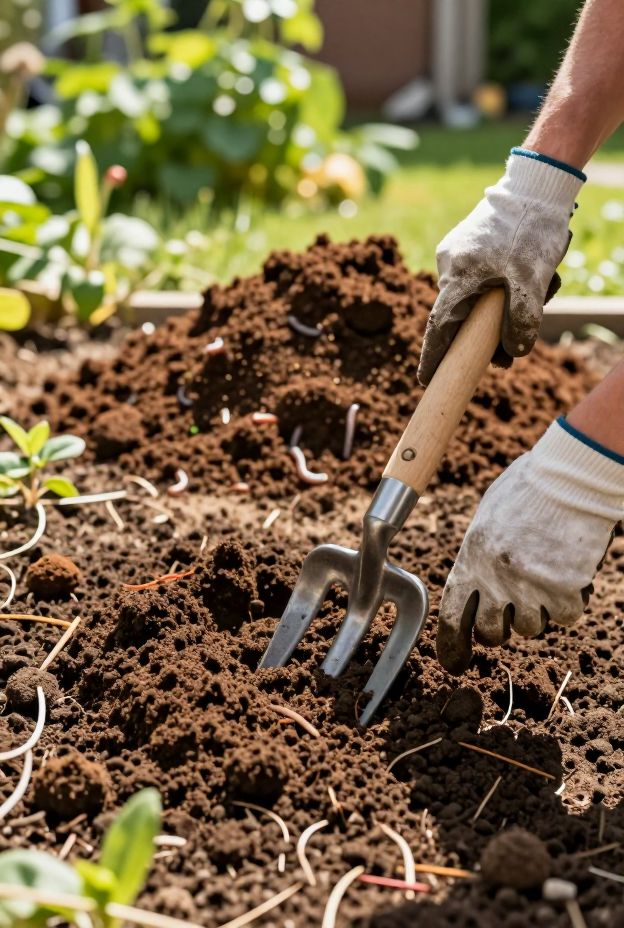
I personally do a full compost top-dressing every autumn and again in early spring. After two seasons, the difference in how my beds drain after heavy rain is honestly night and day. Your earthworms will also throw a little party — they love organic-rich soil.
- Incorporate 3 to 4 inches of compost into the top 12 inches of soil
- Add coarse horticultural grit to clay soils for immediate drainage improvement
- Avoid working wet soil, which destroys its structure and makes compaction worse
5. Create a Dry Creek Bed
A dry creek bed is one of those landscaping ideas that’s both functional and genuinely beautiful. It mimics a natural streambed using decorative rocks and gravel, channeling water through your garden in a controlled, attractive way. When it rains heavily, it acts as a drainage channel. When it’s dry, it looks like a thoughtful design feature.
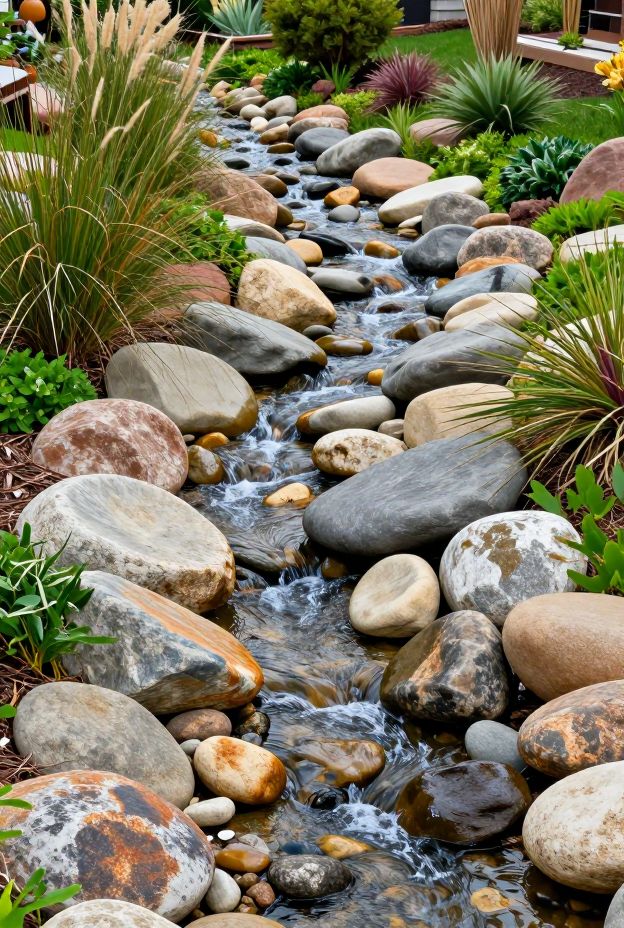
You follow the natural slope of your yard to map out the path, then excavate a few inches, lay landscape fabric, and arrange river rocks or pebbles of varying sizes. Add some ornamental grasses or low ground covers along the edges for a polished look. This is one of those solutions that makes guests think you hired a professional landscaper 🙂
- Make the bed wider and deeper at the start, tapering as it flows downhill
- Use a mix of large anchor stones and smaller filler pebbles for a natural look
- Direct the outlet to a suitable drainage point or rain garden
6. Install a Soakaway or Dry Well
A soakaway (also called a dry well) is essentially an underground chamber filled with gravel or plastic crates that collects water and slowly releases it into the surrounding soil. You connect it to downspouts, surface drains, or French drains to give excess water somewhere to go. It’s an out-of-sight, out-of-mind solution that handles large volumes of runoff quietly and efficiently.
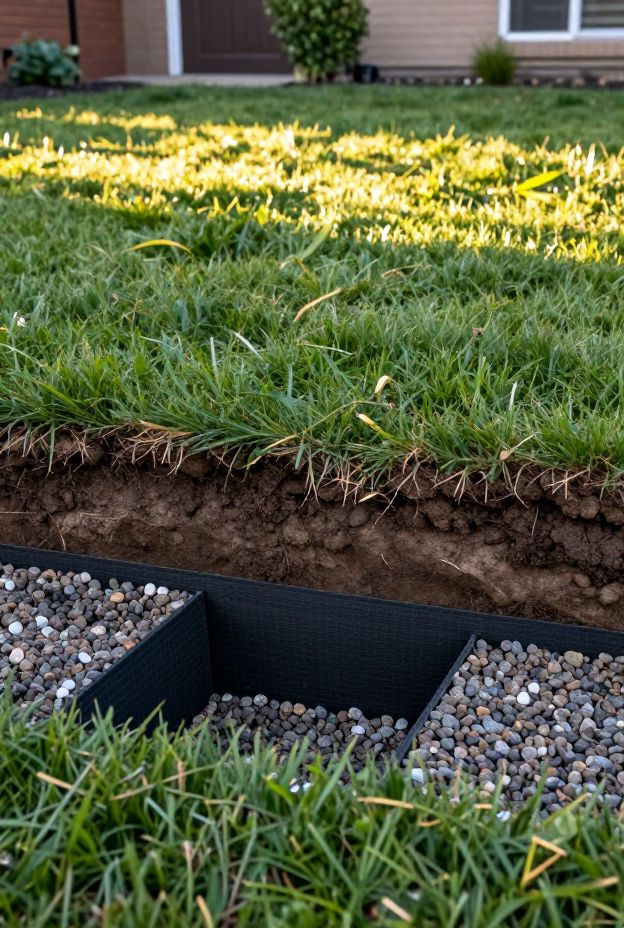
These work best in gardens where the soil beneath the compacted top layer is more porous. FYI, always check local regulations before digging — some areas have rules about where and how soakaways can be installed. A simple soil percolation test beforehand will also tell you if this solution will actually work for your yard.
- Position it at least 5 meters from any building foundation
- Fill with clean 20mm gravel or purpose-built plastic soakaway crates
- Cover with permeable membrane and topsoil to restore your lawn surface
7. Use Permeable Paving
Hard surfaces like concrete patios and solid paving are major culprits for garden flooding — they stop water from soaking in and send it rushing across your garden instead. Switching to permeable paving materials lets rainwater pass through the surface and into the ground beneath. It’s a smart fix for patios, pathways, and driveways.
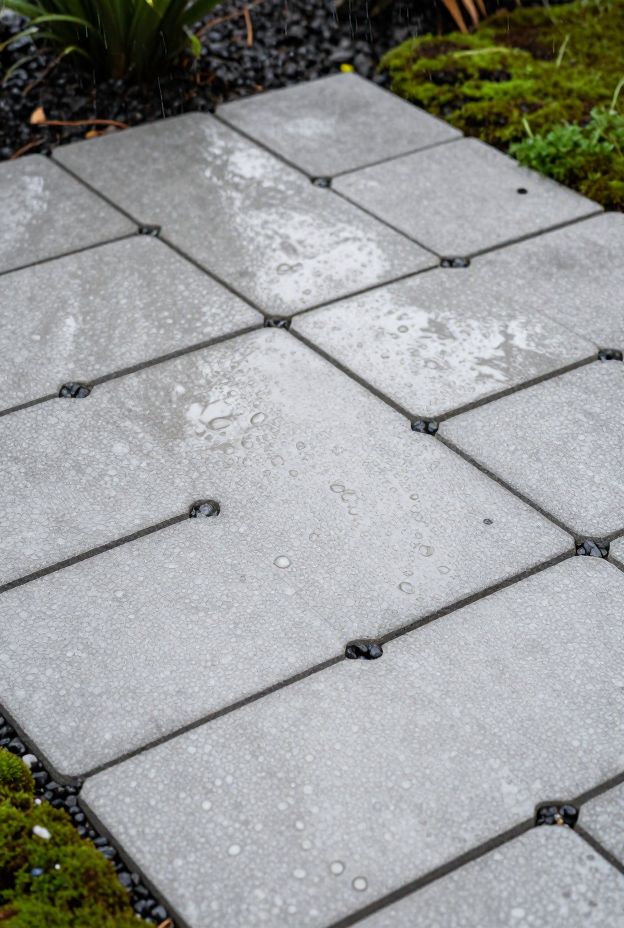
Options include gravel, permeable concrete blocks, resin-bonded gravel, or grass pavers. I replaced a concrete path alongside my beds with gravel and a compacted hardcore base, and the standing water that used to collect there just… vanished. Simple swap, big difference.
- Use a compacted hardcore sub-base of 100 to 150mm for stability
- Resin-bound gravel is low maintenance and looks clean and professional
- Grass pavers work brilliantly for occasional-use areas like side gates or overflow parking
8. Grade Your Garden Properly
Grading simply means shaping the ground so water flows away from structures and toward appropriate drainage points. It sounds basic, but improper grading is one of the most common reasons gardens waterlog. If your yard slopes toward your house or has low spots that collect water, regrading can solve the problem permanently.
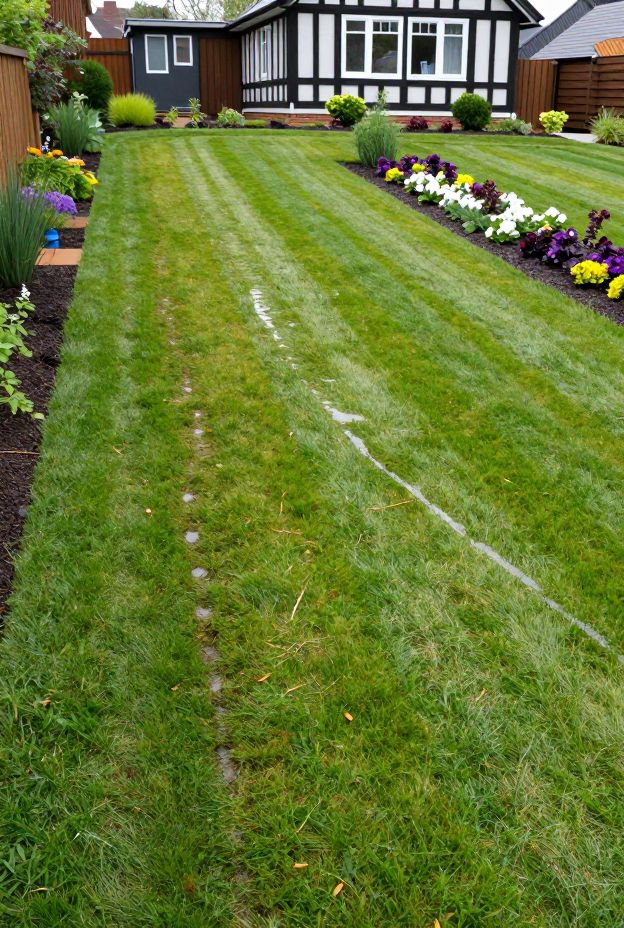
You don’t always need heavy machinery for this. For smaller areas, moving soil with a shovel and rake does the job. The goal is a gentle slope of about 2% grade (roughly 2 inches of drop for every 10 feet) moving water away from buildings and toward a drain or lawn area.
- Fill low spots with a mix of topsoil and sharp sand to build up the grade
- Re-seed or re-turf any disturbed lawn areas after regrading
- Check the slope after rainfall to confirm water moves in the right direction
9. Plant Water-Loving Trees and Shrubs
Plants are nature’s drainage system. Certain trees and shrubs absorb enormous amounts of water through their root systems, actively pulling moisture from waterlogged soil. Strategic planting of water-loving species can noticeably reduce how long your garden stays saturated after rain.
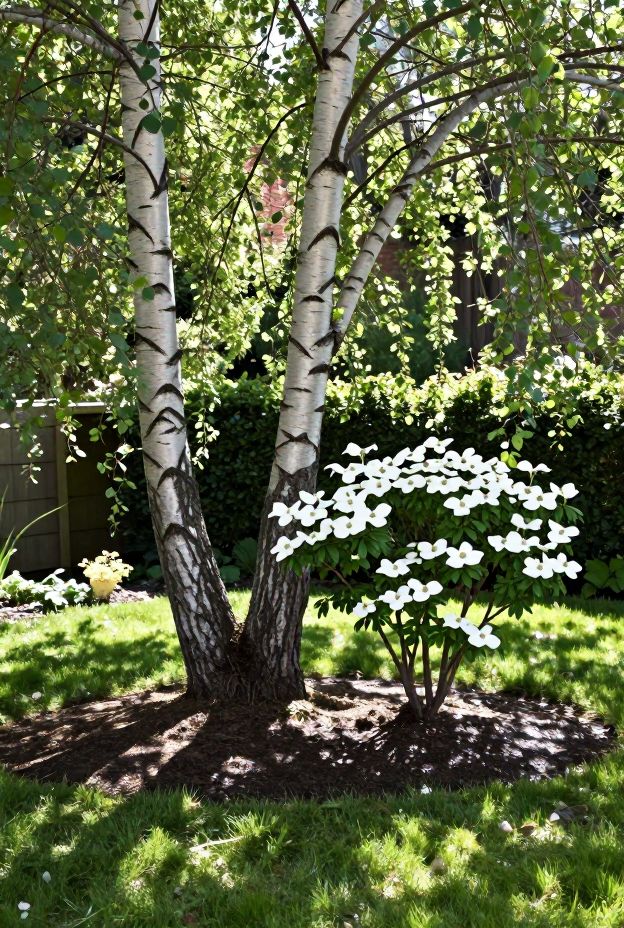
Think willows, birches, alders, or dogwoods for trees. For shrubs, try elderberry, buttonbush, or swamp rose. These aren’t just functional — they’re genuinely attractive plants that add structure and seasonal interest to your garden. Who said drainage had to be ugly?
- Plant water-loving trees at least 10 feet from foundations and pipes — their roots are aggressive
- Use them to frame the edges of a rain garden or low-lying area
- Willows in particular can absorb hundreds of liters of water per day in summer
10. Aerate Your Lawn Regularly
If your lawn turns into a sponge after every rainstorm, compaction is almost certainly the culprit. Lawn aeration punches small holes into the soil, relieving compaction and allowing water to penetrate deeper rather than sitting on the surface. It’s one of the simplest and most effective drainage improvements you can make.
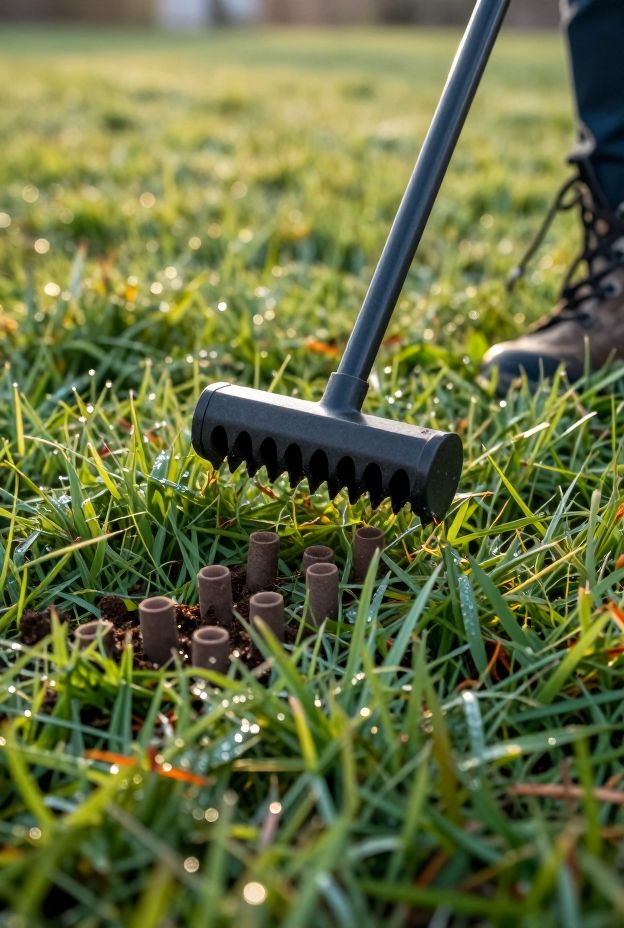
You can use a manual hollow-tine aerator for small areas or hire a machine aerator for larger lawns. After aerating, top-dress with a sandy loam mix and brush it into the holes. Do this every autumn and your lawn will drain noticeably better within a season or two.
- Hollow-tine aeration removes plugs of soil and is more effective than spike aeration
- Aerate when soil is moist but not waterlogged for best results
- Follow up with a sandy top-dressing to improve long-term infiltration
11. Install Channel Drains or Gully Drains
Channel drains (also called linear drains) sit flush with the surface and collect water across a wide area, funneling it into an underground pipe. They work brilliantly along the base of slopes, at patio edges, or across driveways where surface runoff concentrates. They handle high volumes of water quickly, which is exactly what you need during a downpour.
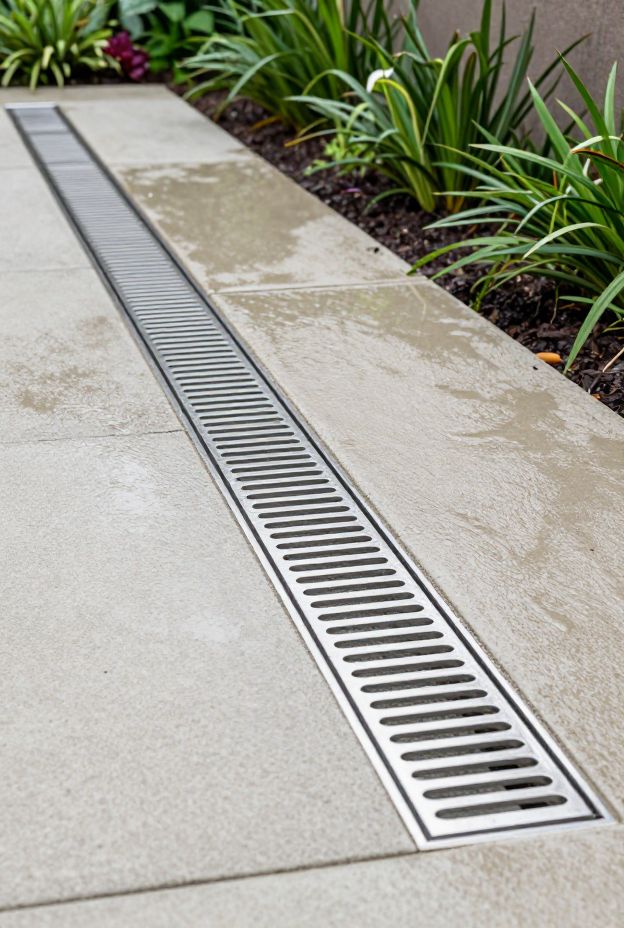
Installation involves digging a trench, setting the channel in concrete at the correct slope, and connecting it to your drainage system. The grates come in different styles — from basic plastic to decorative stainless steel — so you can match them to your garden’s look. Functional and not ugly is always a win in my book.
- Slope the channel at 1:100 minimum (1cm drop per 1m run) for effective flow
- Connect to a soakaway, storm drain, or other suitable outlet
- Clean the grates regularly — leaves and debris block them fast
12. Use a Sump Pump for Severe Cases
Sometimes the drainage problem is simply too serious for passive solutions. If your garden sits in a natural bowl, gets flooded from a high water table, or backs onto a slope that channels huge volumes of runoff your way, a sump pump gives you active control. It collects water in a pit and pumps it out automatically when levels rise too high.
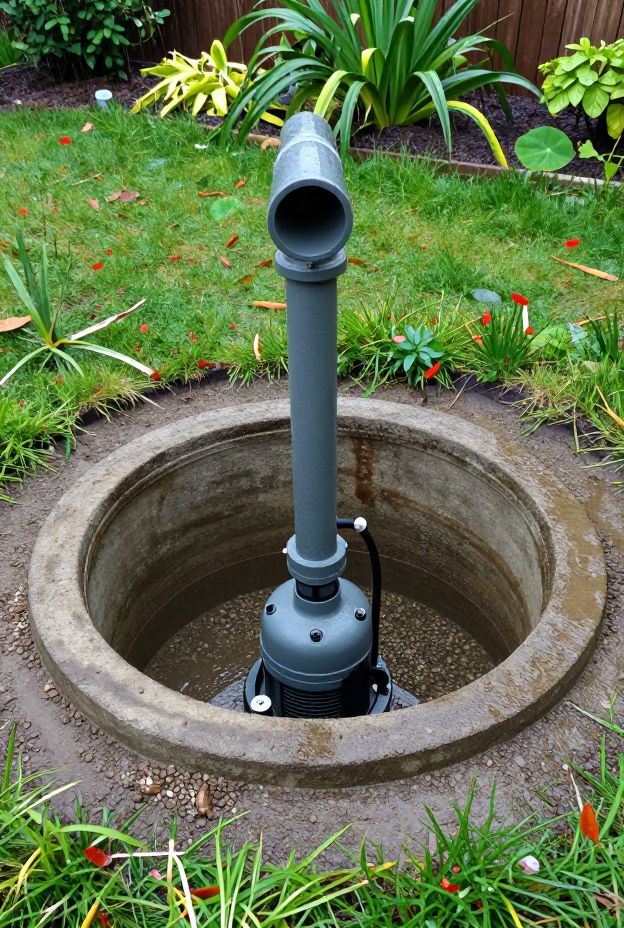
Submersible sump pumps are reliable, reasonably affordable, and can move serious amounts of water fast. You pair it with a collection pit and an outlet pipe directed away from your property. Is it the most glamorous garden upgrade? Definitely not :/ But when nothing else cuts it, a sump pump absolutely saves the day.
- Choose a pump rated for the volume of water your site typically accumulates
- Install a check valve on the outlet pipe to prevent backflow
- Test the pump before the rainy season every year — they can seize up when sitting idle
Wrapping It Up
A waterlogged garden doesn’t have to be your normal. With the right drainage strategy — whether that’s a French drain, better soil, a sump pump, or just regular aeration — you can transform a boggy mess into a genuinely thriving outdoor space. The key is matching the solution to your specific problem, because not every garden floods for the same reason.
Start with the simpler fixes like amending your soil and aerating your lawn. If those don’t solve it, layer in bigger solutions like channel drains or a soakaway. Most drainage problems respond well to a combination approach, and you don’t have to tackle everything at once. Pick one or two ideas from this list and start there. Your plants will thank you — and your Saturday morning coffee will finally taste better without the swamp view.