Your garden probably has that awkward transition between the lawn and flower beds where grass keeps sneaking into your carefully planned borders. You spend weekends trying to keep everything looking neat, but somehow it still ends up messy. I’ve been there, trust me.
Garden borders aren’t just about keeping grass in its lane. They actually shape your entire outdoor space and give it that polished, intentional look. Whether you’re going for cottage charm or modern minimalism, the right border makes all the difference. Let’s talk about 11 border ideas that’ll transform your garden from “meh” to “wow.”
1. Classic Brick Borders
Brick borders never go out of style, and there’s a good reason for that. You can lay them horizontally for a subtle edge or stand them vertically for a more dramatic look. The best part? You can hunt down reclaimed bricks for that vintage charm without breaking the bank.
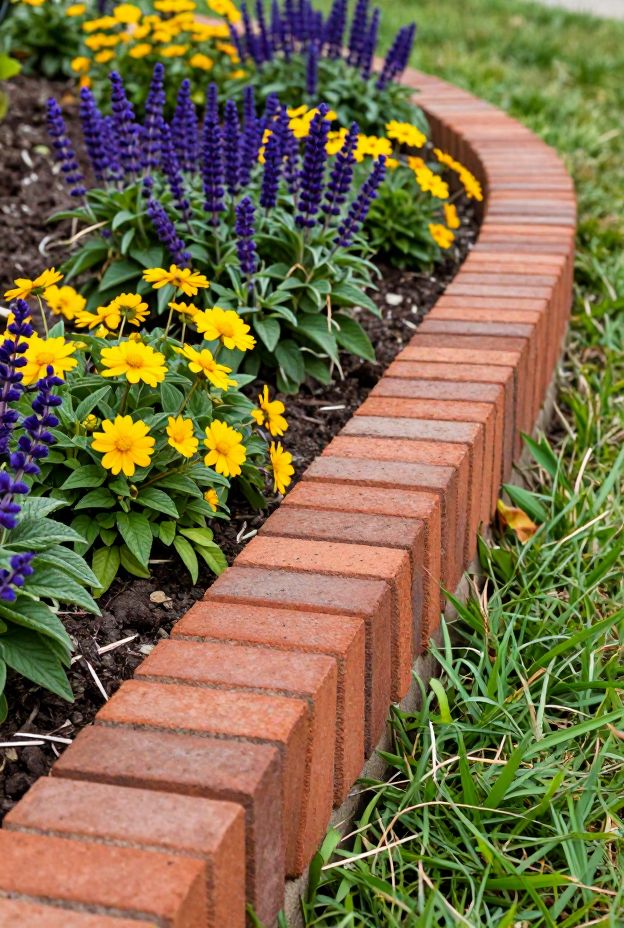
I love how brick borders work with literally any garden style. They handle weather like champs and give your beds a clean, finished edge. You’ll need to dig a shallow trench and secure them with soil or sand, but honestly, it’s worth the weekend effort.
Try arranging bricks in different patterns—herringbone, basketweave, or simple running bond. Each pattern creates a completely different vibe. Play around with the layout before you commit to digging!
2. Natural Stone Edging
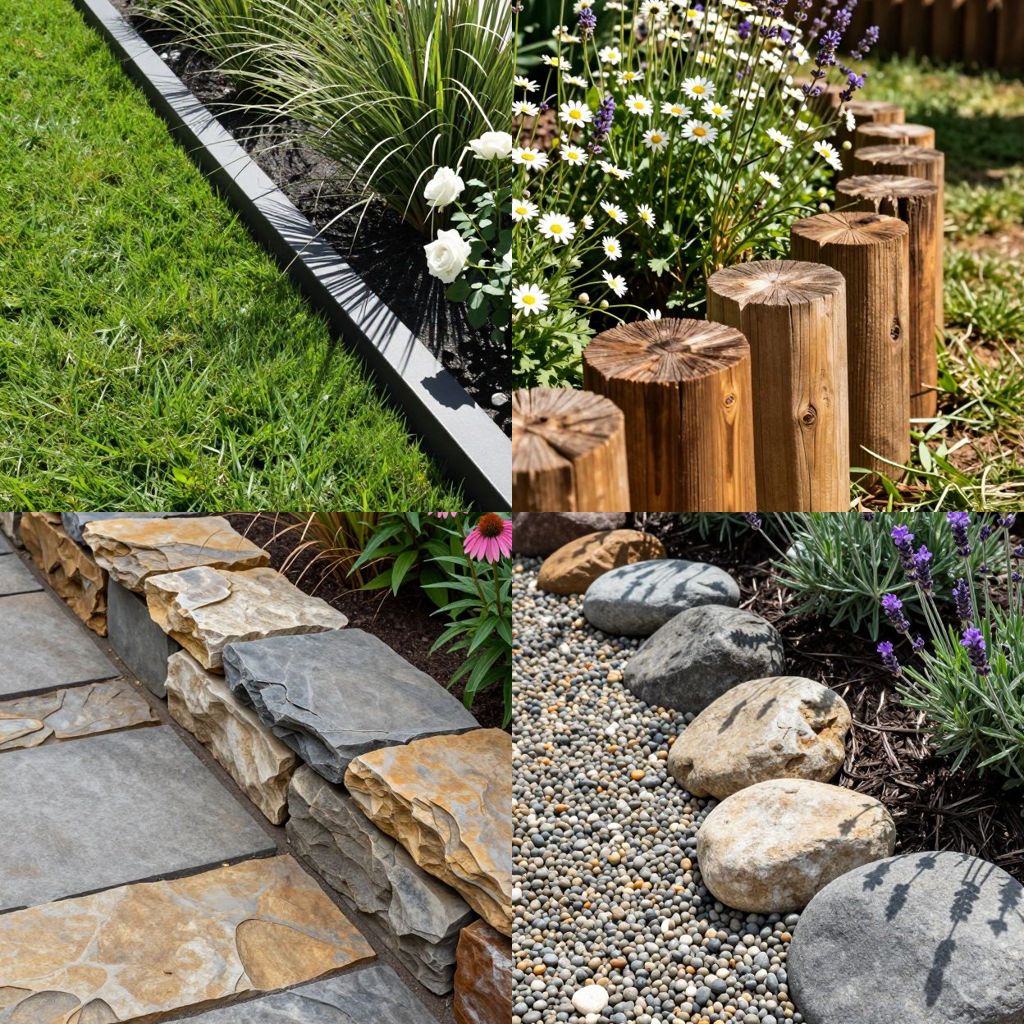
Want something that looks like it’s always been part of your landscape? Stone edging brings that timeless, organic feel that screams sophistication without trying too hard. Limestone, granite, flagstone, river rocks—you’ve got options galore.
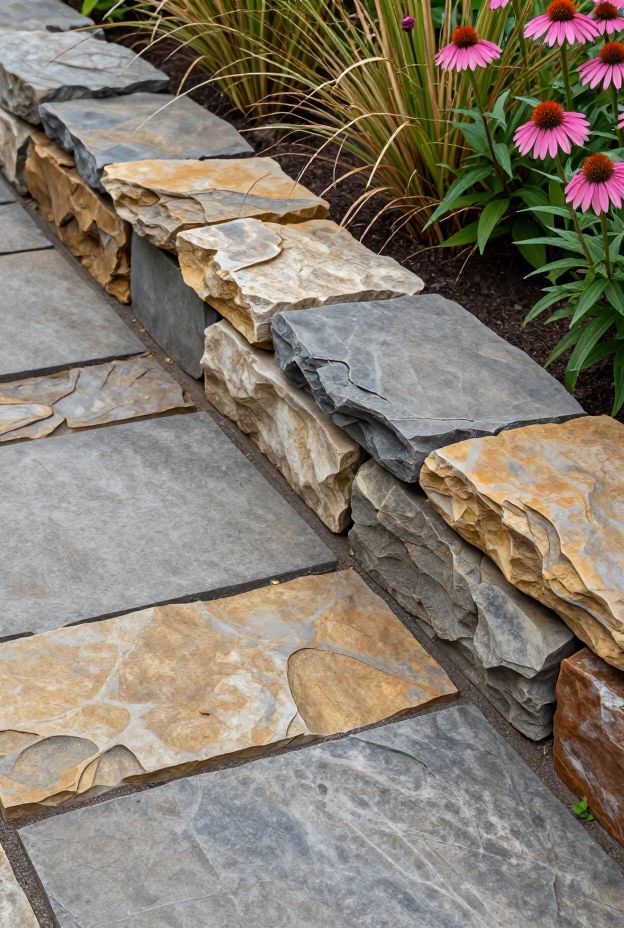
The beauty of stone is how you can color-coordinate with existing landscape features. Got gray pavers on your patio? Echo that with similar-toned stones around your borders. You create visual flow without even thinking about it.
Stone edging does require some muscle to install (those rocks don’t move themselves :/ ), but once they’re in place, they’re basically maintenance-free. Mother Nature’s got your back on this one.
3. Metal Edging for Clean Lines
If you’re all about that sleek, modern aesthetic, metal edging delivers the crisp lines you’re after. Steel or aluminum strips create razor-sharp borders that practically disappear while doing their job perfectly.
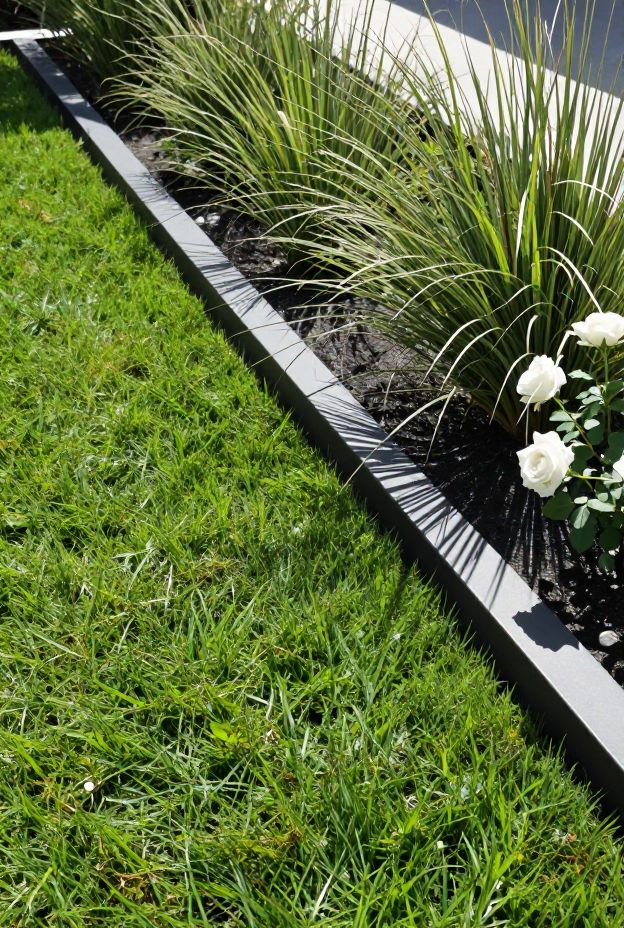
Metal edging bends to whatever shape you need, making it brilliant for curved beds and flowing designs. You hammer it into the ground, and boom—instant definition. It’s durable, weather-resistant, and won’t rot or crack over time.
The minimalist look works especially well in contemporary gardens. You get structure without visual bulk, letting your plants take center stage where they belong.
4. Rustic Wood Timber
Nothing beats the warm, rustic vibe that wood brings to a garden space. Half-log designs or simple landscape timber creates borders that feel natural and inviting. Ever wondered why cottage gardens always look so cozy? Wood edging is part of that magic.
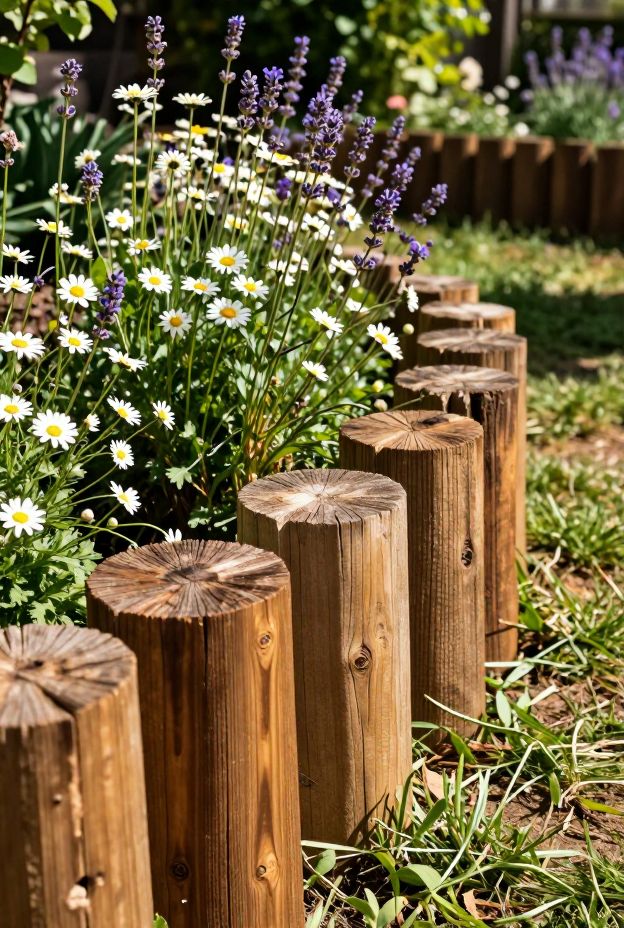
Cedar and redwood are your best bets because they naturally resist pests and rot. You can leave them natural for that earthy look or stain them to match your deck or fence. Small cedar boards hammer in easily around beds—no fancy tools required.
Wood does have a shorter lifespan than stone or metal, FYI. But it’s so easy to install and replace that many gardeners don’t mind swapping it out every few years for a fresh look.
5. Living Plant Borders
Why not let plants do the work? Hedges and low-growing perennials create lush, living borders that soften hardscapes beautifully. Boxwood, lavender, or creeping thyme make fantastic edging “plants.”
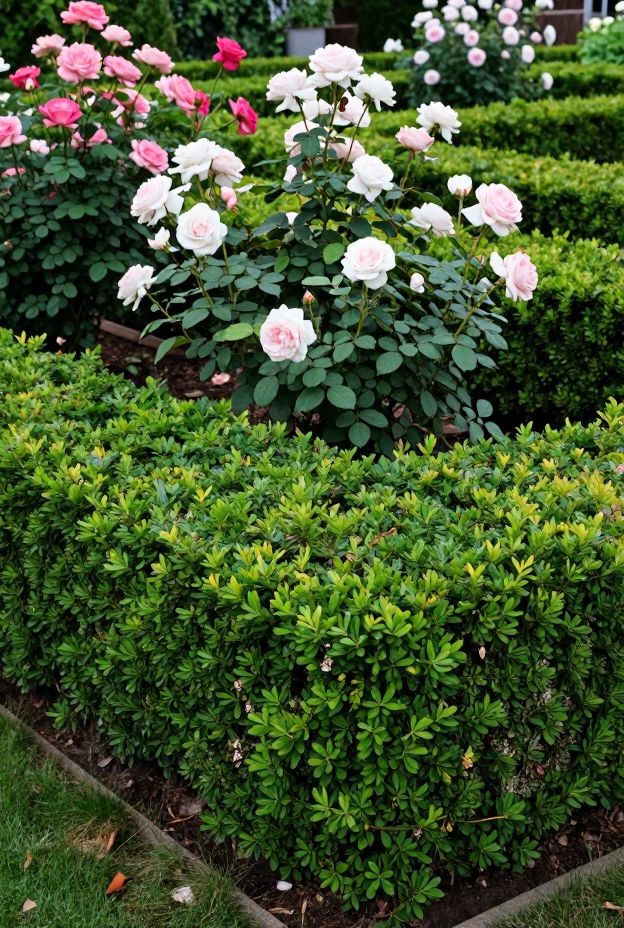
I’m a huge fan of this approach because it adds another layer of color and texture to your garden. Lavender borders smell amazing and attract pollinators—bonus points! Low-maintenance shrubs like boxwood keep edges looking neat with minimal trimming.
The downside? Living borders need pruning and care. But if you enjoy gardening anyway, this just gives you another reason to be out there playing in the dirt 🙂
6. Bamboo for Tropical Vibes
Looking for something sustainable and eye-catching? Bamboo brings instant tropical flair while being surprisingly affordable. It comes as short fencing sections that you hammer straight into the ground.
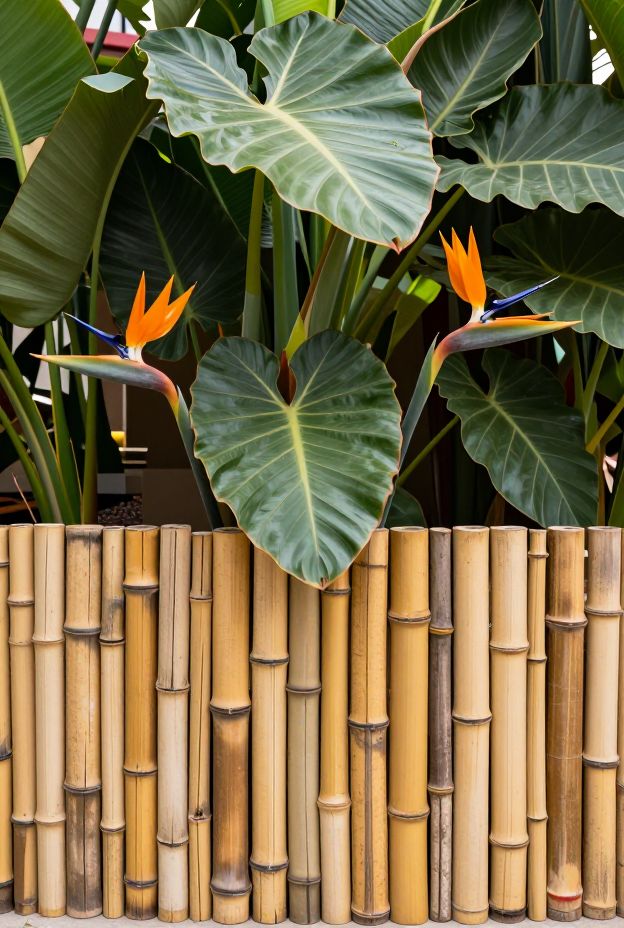
Bamboo works brilliantly in Asian-inspired or tropical-themed gardens, giving that Zen-like tranquility everyone’s after. You can use different thicknesses of bamboo poles to create subtle or bold borders depending on your style.
IMO, bamboo is underrated as an edging material. It’s naturally durable, grows quickly, and blends beautifully with lush plantings. Plus, it’s eco-friendly—always a win in my book.
7. Gabion Walls
Want to make a serious statement? Gabion walls—those wire cages filled with rocks—create bold, structural borders that double as retaining walls. They’re industrial-chic and surprisingly versatile.
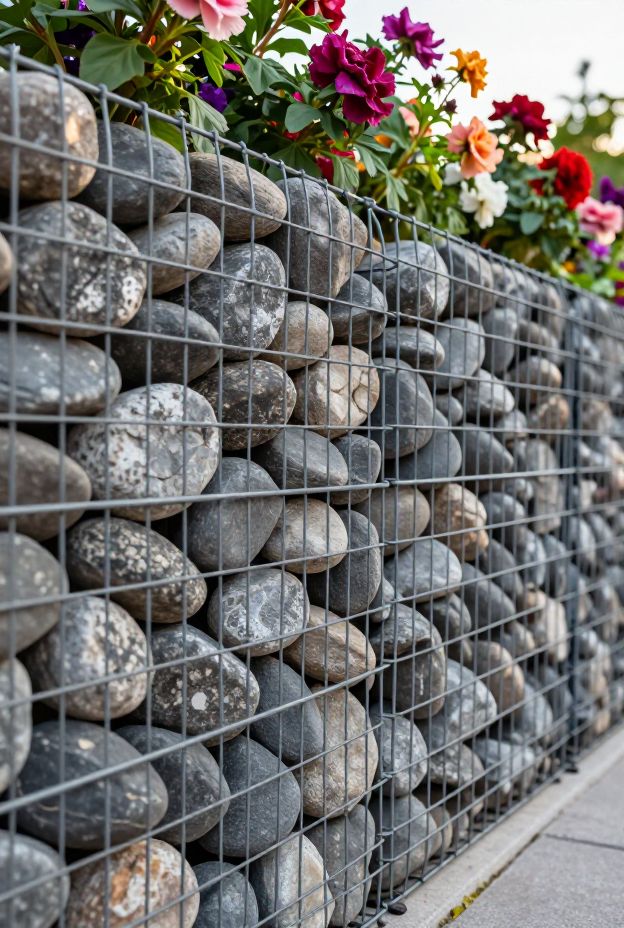
Fill them with local stones to keep costs down and support regional character. The texture they add is unmatched, and they handle slopes and elevation changes like pros. You get both function and serious visual impact.
Gabion walls work best for larger gardens where they won’t overwhelm the space. They’re perfect for defining seating areas or creating dramatic backdrops for colorful plantings.
8. Concrete Pavers
Don’t sleep on concrete pavers—modern designs have come a long way from boring gray squares. You can find pavers in tons of colors, shapes, and finishes that create polished, professional-looking borders.
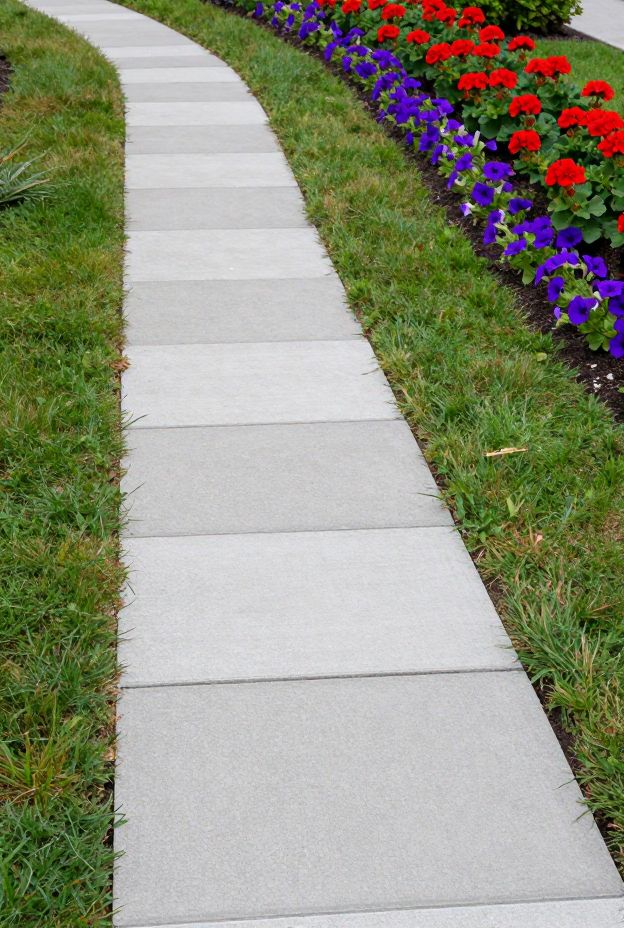
Pavers install relatively quickly and stay level over time. They handle foot traffic beautifully if your border doubles as a mowing strip. Mix different sizes or colors to create patterns that add visual interest.
The uniformity of pavers gives gardens that designer look without hiring an actual designer. They’re especially great for formal garden styles where symmetry matters.
9. Gravel and Stone Combinations
Combining materials creates depth and texture that single-material borders can’t match. Pair larger stones with gravel for a natural, layered look that provides excellent drainage too.
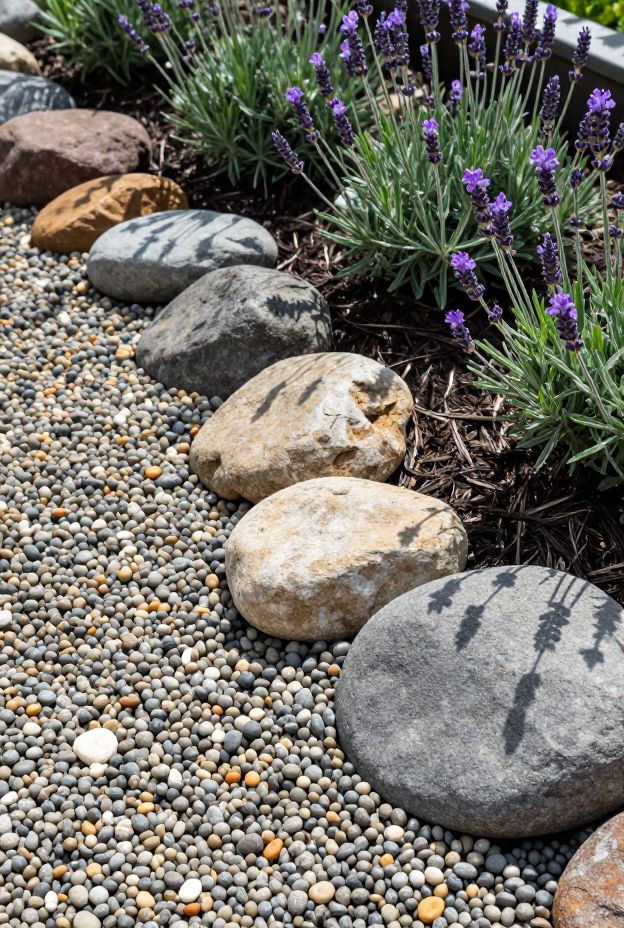
This approach works beautifully in xeriscaping or low-water gardens. The gravel suppresses weeds while the stones define edges clearly. You get practical benefits wrapped in aesthetic appeal.
I especially love how gravel-and-stone combos transition smoothly between different garden zones. They create visual flow without sharp divisions, making spaces feel cohesive and well-planned.
10. Plastic Edging
Okay, hear me out. Plastic edging might not sound glamorous, but it’s practical, flexible, and budget-friendly. Sometimes you just need something that works without fuss.
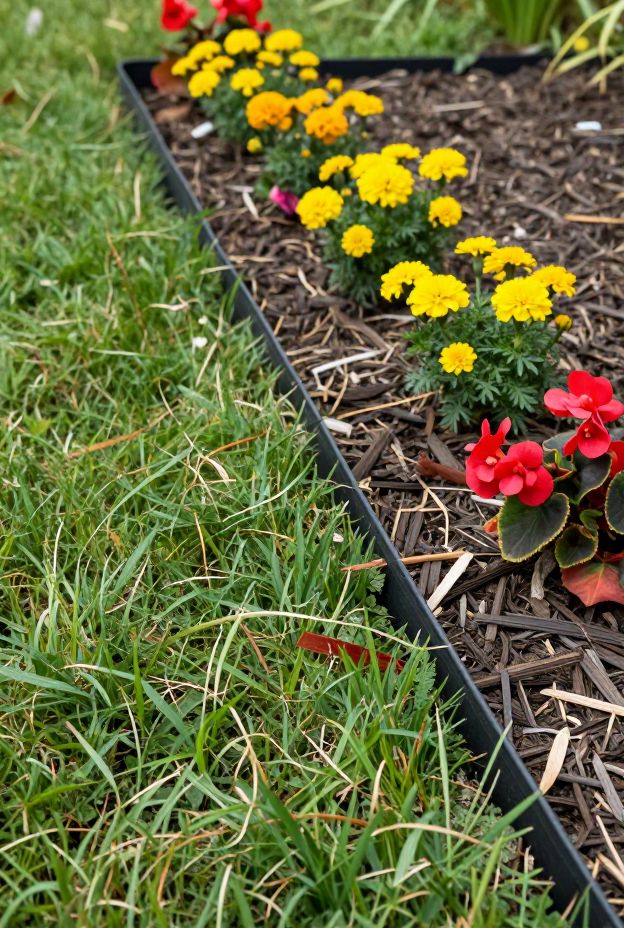
Plastic bends easily for curved beds and comes in various heights and colors. It installs quickly, doesn’t rot, and keeps grass from invading your beds. For functional borders that disappear visually, plastic does the job.
It won’t win design awards, but when you’re working with tight budgets or temporary plantings, plastic edging makes total sense. Not everything needs to be Instagram-worthy, right?
11. Railway Sleepers
For bold, chunky borders with serious presence, reclaimed railway sleepers deliver instant character. They’re especially brilliant for raised beds or defining different garden levels.
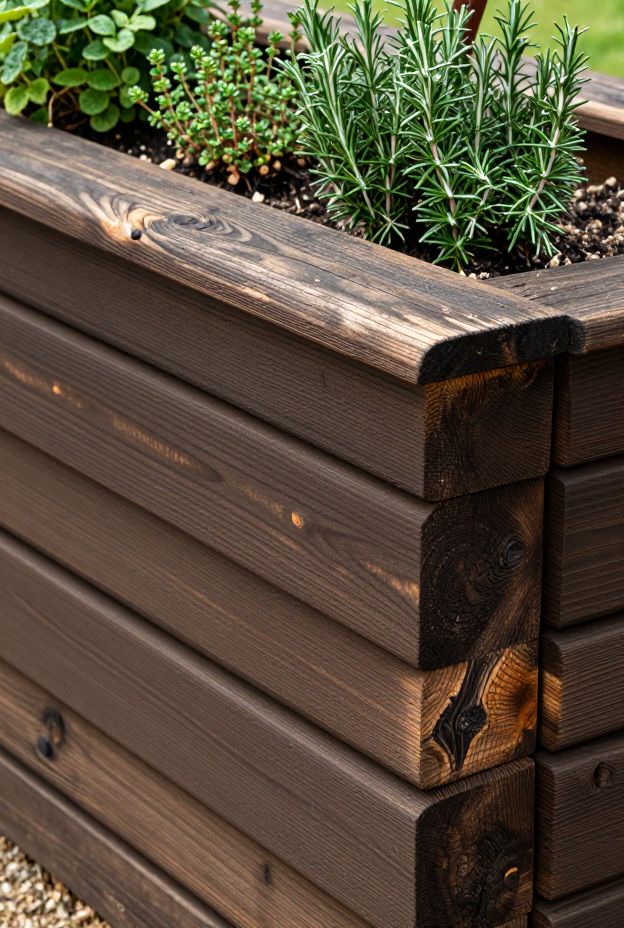
These heavy timbers last for decades and create strong, defined edges. Stack them for height or lay them flat for subtle definition. Either way, you get that rustic-industrial look that adds tons of personality.
Railway sleepers work particularly well in informal gardens where you want structure without stuffiness. They ground plantings beautifully and can handle the weight of soil in raised bed situations.
Making Borders Work for You
The right border transforms your garden from a collection of plants into an actual designed space. It guides the eye, defines areas, and makes maintenance so much easier. No more grass creeping where it shouldn’t or mulch spilling onto lawns.
Think about your garden’s style and your maintenance preferences when choosing borders. Love the clean lines of modern design? Go metal or concrete. Prefer cottage coziness? Wood or living borders are your friends. Match the border to both your aesthetic and your willingness to maintain it.
Your garden borders should work with your lifestyle, not against it. Pick something you’ll actually maintain (or won’t need much maintenance), and watch how it pulls your entire outdoor space together. Now go define those spaces and show that grass who’s boss!