So you’ve been staring at your backyard, thinking it could be more than just a patch of grass and a forgotten BBQ grill. Same. I started my first vegetable garden with zero experience, a bag of seeds, and an embarrassing amount of confidence — and honestly? It changed everything. Growing your own food is one of the most rewarding things you can do at home, and it doesn’t matter if your yard is massive or barely bigger than a parking spot. There’s a setup that works for you, and I’m here to walk you through 12 genuinely useful ideas to get you started.
1. Raised Bed Gardens
If you ask most home gardeners where they’d start over, they’d say raised beds, no question. These elevated planting boxes give you full control over your soil quality, drainage, and spacing. You’re not fighting your backyard’s existing dirt — you’re starting fresh with a custom mix that your plants actually love.
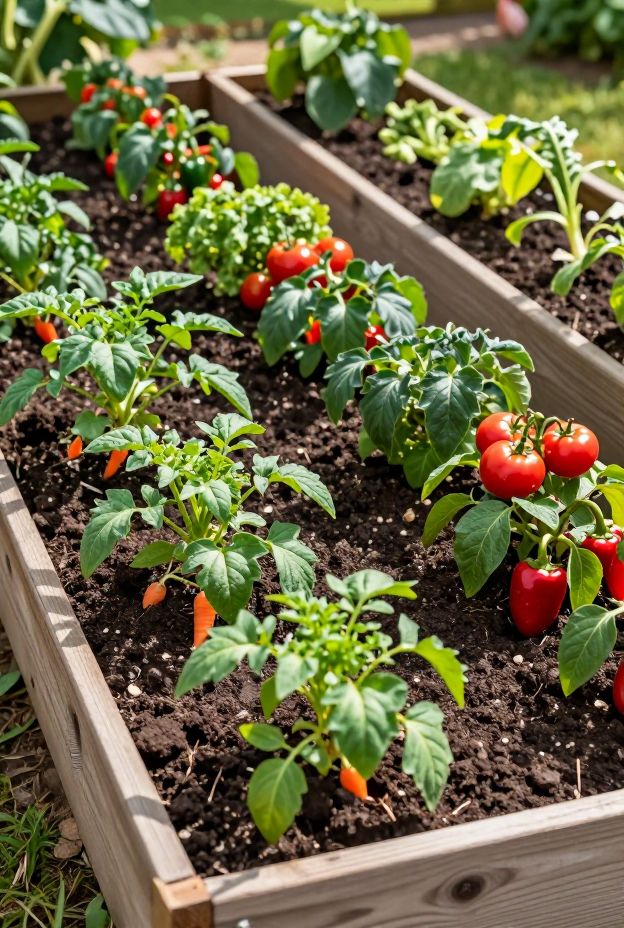
Raised beds also mean fewer weeds, less bending over, and better yields. You can build them with cedar boards, cinder blocks, or even reclaimed wood. Go for a depth of at least 12 inches so root vegetables like carrots have room to grow down properly.
- Best for: tomatoes, peppers, carrots, lettuce
- Ideal size: 4 x 8 feet for easy reach from both sides
- Pro tip: Line the bottom with cardboard to block grass from growing up
2. Container Gardening
No yard? No problem. Container gardening is the ultimate space-saver and works brilliantly on patios, balconies, or even a small concrete corner of your backyard. You can grow herbs, tomatoes, lettuce, and even dwarf pepper plants in pots, buckets, or fabric grow bags.
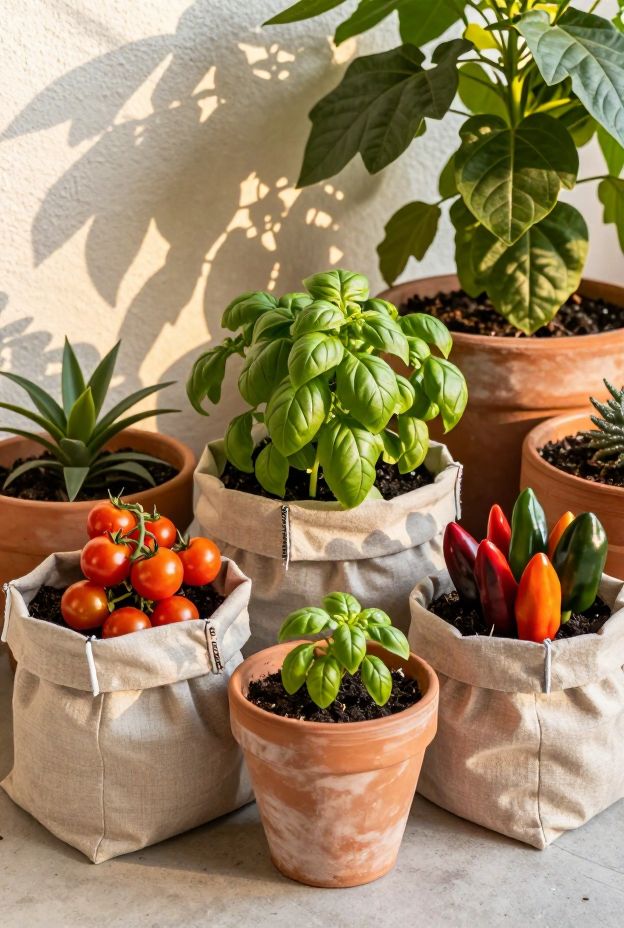
The flexibility is what I love most about this method. You can move your containers to chase sunlight throughout the day, or bring them inside during unexpected cold snaps. FYI, fabric grow bags are especially great because they prevent overwatering and encourage healthier root development.
- Use pots with drainage holes — always
- Self-watering containers save you daily watering stress
- Great picks: cherry tomatoes, basil, chili peppers, spinach
3. Vertical Vegetable Garden
Here’s a question — why grow out when you can grow up? Vertical gardens use wall space, fences, and trellises to maximize your growing area without expanding your footprint. This idea is perfect for narrow backyards or side fences that just sit there doing nothing.
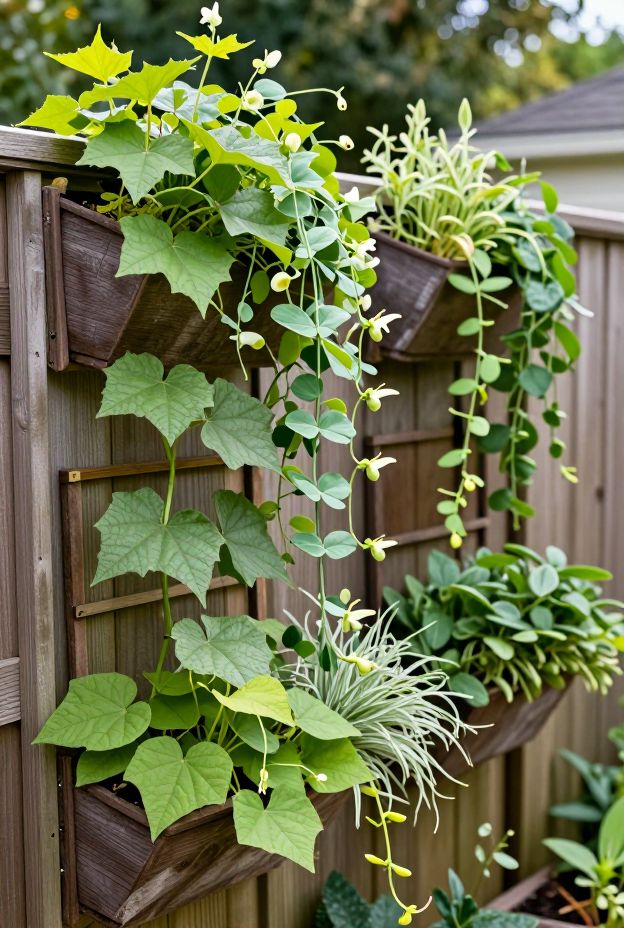
You can hang pocket planters, mount PVC pipe planters to a fence, or use a freestanding tower planter. Vining vegetables like cucumbers, peas, and beans are naturally suited for vertical growth. Just make sure your structure can handle the weight once plants get going — I learned that the hard way with a very dramatic cucumber collapse.
- Best crops: cucumbers, peas, beans, squash
- Use sturdy zip ties or garden twine to guide vines upward
- Bonus: vertical beds tend to have fewer pest problems since leaves dry faster
4. Square Foot Gardening
Square foot gardening is basically the Marie Kondo method of vegetable growing — everything has its place and nothing is wasted. You divide your bed into one-foot squares and plant a specific number of crops in each square based on their size. Big plants like broccoli get one square; small ones like radishes can share 16 per square.
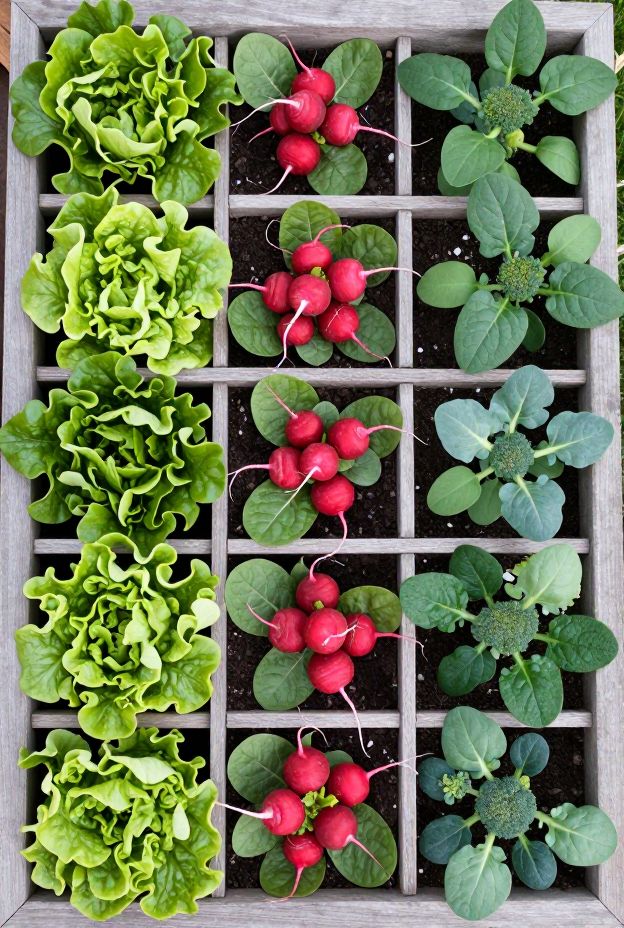
This method dramatically cuts down on wasted space and overplanting. It also makes crop rotation and succession planting much easier to track. If you love being organized (or at least want to look organized), this method is deeply satisfying.
- Spacing guide: 1 tomato, 4 lettuces, 9 spinach, or 16 carrots per square foot
- Works best in raised beds or defined plots
- Use a grid frame made from wood strips or string to keep things neat
5. Companion Planting Garden
Plants have friends too — who knew? Companion planting means placing plants together that naturally benefit each other, whether by repelling pests, improving soil nutrients, or boosting yields. The classic trio is corn, beans, and squash, traditionally called the “Three Sisters.”
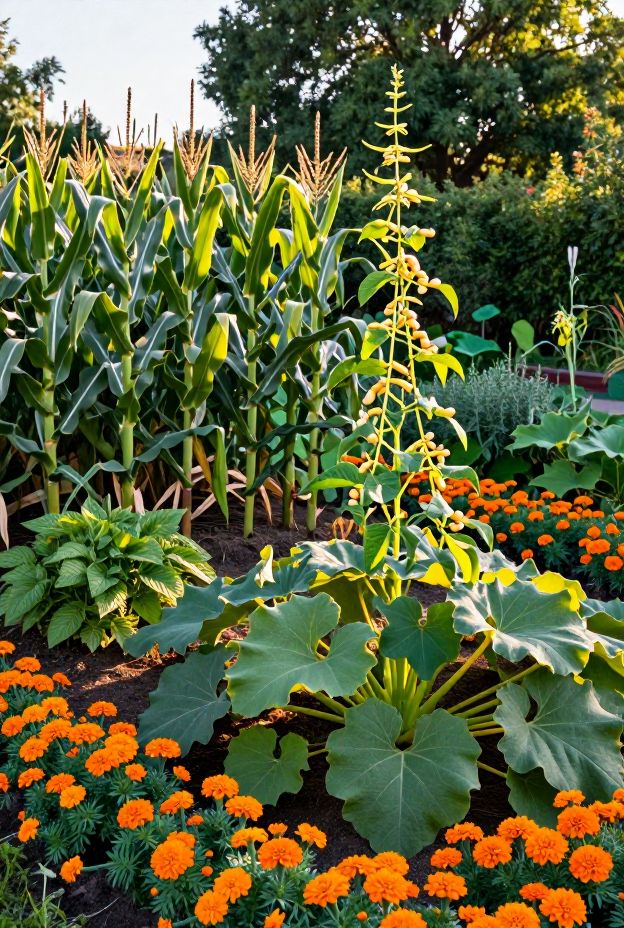
Corn grows tall and gives beans something to climb. Beans fix nitrogen in the soil that feeds the corn and squash. Squash spreads wide on the ground, blocking weeds and retaining moisture. It’s a perfectly efficient little ecosystem. IMO, this is one of the smartest and most satisfying gardening strategies you can try.
- Basil near tomatoes improves flavor and repels aphids
- Marigolds near vegetables deter nematodes and whiteflies
- Avoid: planting fennel near most vegetables — it’s a bad neighbor
6. Herb and Vegetable Mix Garden
Mixing herbs into your vegetable garden is a game-changer, both practically and visually. Herbs like basil, parsley, thyme, and rosemary fill gaps beautifully while pulling double duty as natural pest deterrents and flavor additions to your kitchen. Plus, having fresh herbs within arm’s reach while cooking? Absolute luxury.
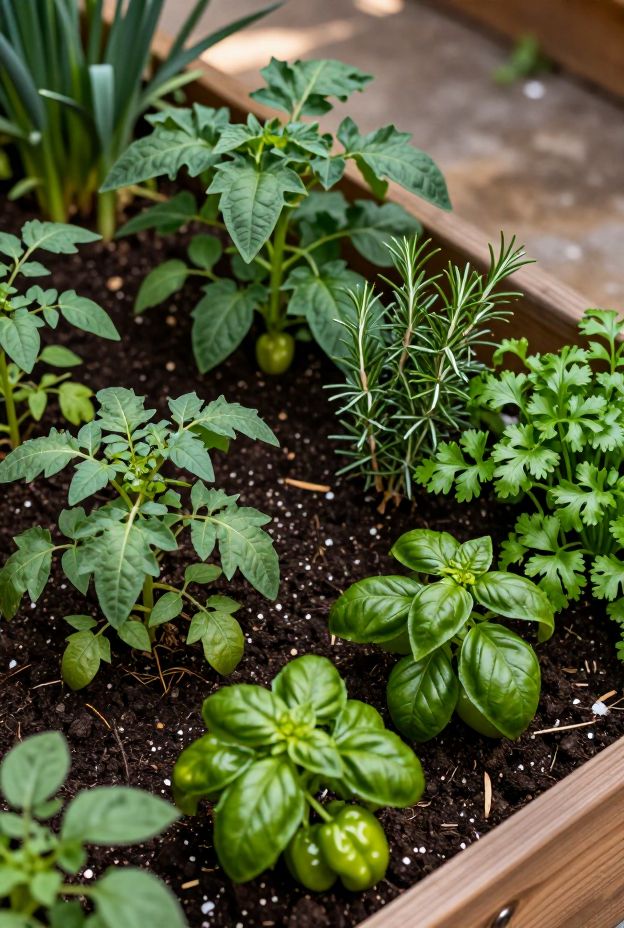
You don’t need a dedicated herb patch — just tuck them in between your tomatoes, peppers, or salad greens. The textures and colors also make your garden look intentional and lush instead of just a random pile of plants. A win on every level.
7. Keyhole Garden
A keyhole garden is a circular raised bed with a narrow access path cut into one side — shaped exactly like a keyhole when you look down from above. The design lets you reach every part of the bed from the center without stepping on the soil, which keeps your growing medium loose and aerated.
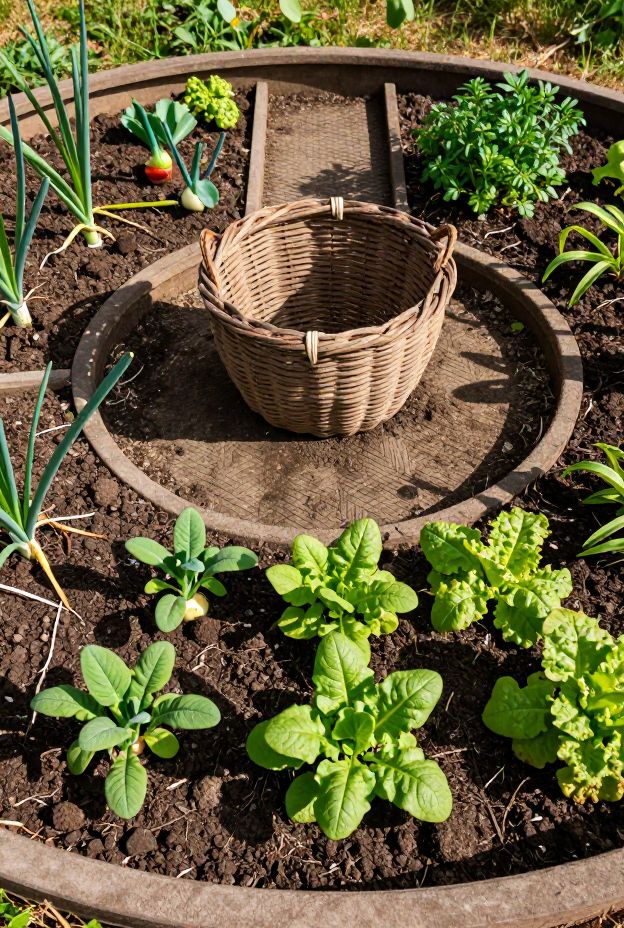
At the center of the circle sits a composting basket where you feed kitchen scraps directly into the garden. As scraps break down, nutrients slowly seep outward to feed your plants. It’s efficient, low-maintenance, and honestly looks pretty cool in a backyard layout.
- Ideal diameter: 6 feet across for full reach
- Great for water conservation in drier climates
- Works well with: leafy greens, onions, garlic, herbs
8. Straw Bale Garden
Okay, this one sounds a little unusual — but stick with me. Straw bale gardening involves planting directly into bales of straw, which decompose over time and create a warm, nutrient-rich growing environment. It’s surprisingly effective and requires almost no digging.
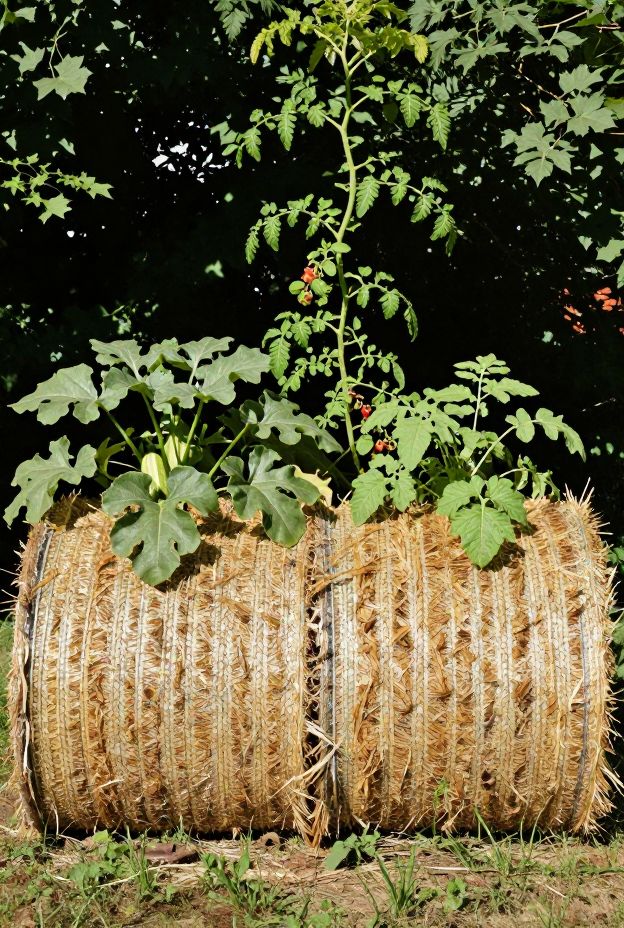
You condition the bales first by watering and fertilizing them for about 10 days before planting. This kickstarts decomposition and heats the interior, which actually extends your growing season. By the end of the season, your bales have turned into compost you can spread across your regular beds.
- Use straw bales, not hay — hay carries too many weed seeds
- Best crops: tomatoes, zucchini, melons, potatoes
- Great for yards with poor or compacted soil
9. Trellis and Climbing Garden
A well-designed trellis setup doesn’t just support your plants — it becomes a beautiful architectural feature in your backyard. Arched trellises covered in climbing beans or cucumbers create a tunnel effect that looks stunning and produces loads of food. It’s like having a vegetable garden and a garden structure at the same time.
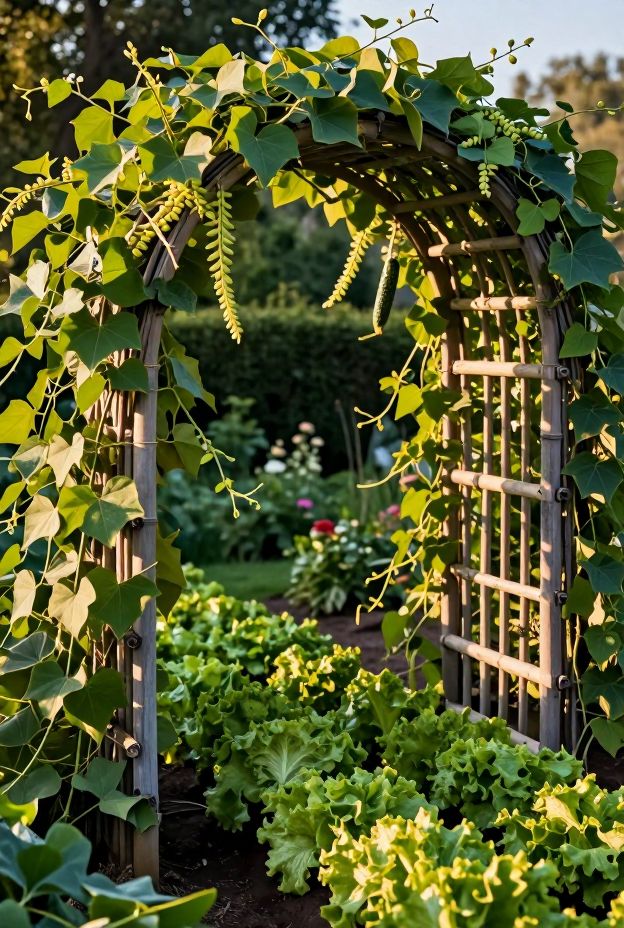
Even a simple A-frame trellis made from bamboo stakes and twine works brilliantly for peas or pole beans. Position it where it creates shade for lower-growing crops that prefer cooler conditions, like lettuce or spinach. Smart layering like this maximizes every inch of your garden space.
10. Salad Cut-and-Come-Again Garden
Ever wanted a salad garden that practically restocks itself? Cut-and-come-again crops like lettuce, spinach, arugula, and kale regrow after you harvest the outer leaves, giving you fresh greens for weeks without replanting. It’s one of the most beginner-friendly and cost-effective gardening methods out there.
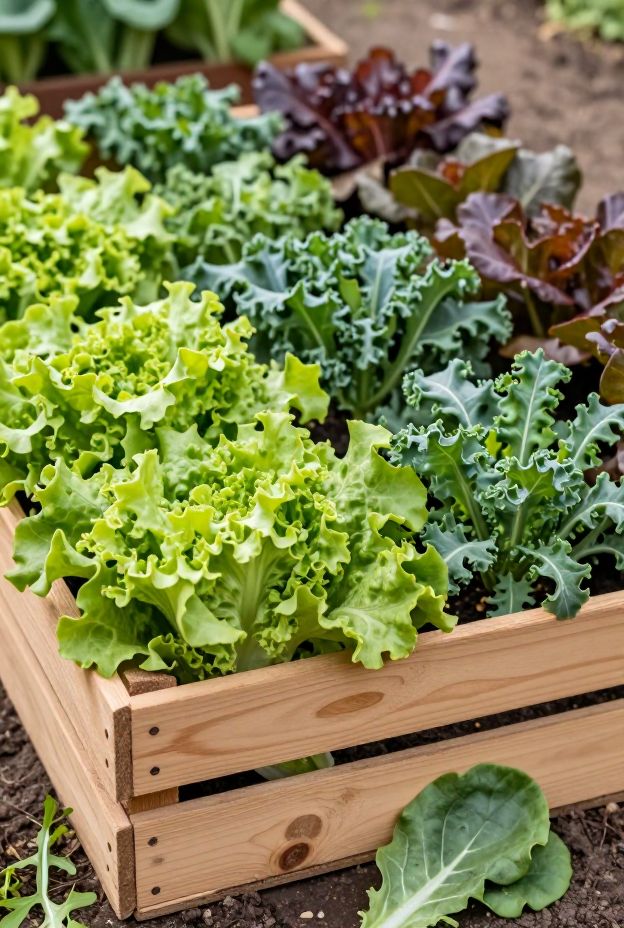
You can grow these in a shallow window box, a small raised bed, or even a repurposed wooden crate. Sow seeds every two to three weeks for a continuous supply rather than one big harvest all at once. This technique, called succession planting, means you’re always pulling fresh greens instead of watching a glut go to waste.
- Harvest outer leaves and leave the center to keep growing
- Best varieties: loose-leaf lettuce, baby kale, mesclun mix, Swiss chard
- Works well in partial shade — perfect for spots that don’t get full sun
11. Pollinator-Friendly Vegetable Garden
Here’s something a lot of new gardeners overlook — without pollinators, many of your vegetables simply won’t produce fruit. Tomatoes, peppers, zucchini, cucumbers, and beans all need bees and other insects to set fruit. Inviting pollinators into your garden is just as important as good soil and watering.
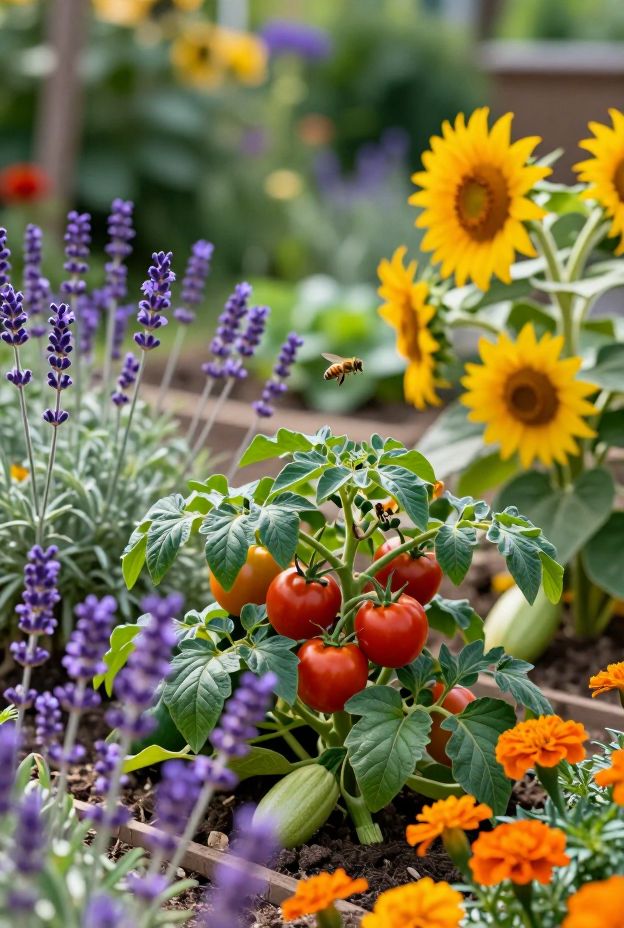
Plant flowers like lavender, sunflowers, marigolds, and borage alongside your vegetables to attract bees and butterflies. These companion flowers don’t just look great — they actively increase your vegetable yields. Think of them as unpaid garden workers who also happen to look beautiful. 🙂
- Avoid chemical pesticides that harm pollinators
- Leave a small shallow dish of water for bees to drink from
- Top pollinator plants: lavender, borage, sunflowers, phacelia
12. Four-Season Vegetable Garden
Most people treat vegetable gardening like a summer-only hobby, then let their beds sit empty for six months. A four-season garden keeps something growing all year round by choosing cold-hardy crops and using protective techniques like cold frames, row covers, and hoop houses to extend your growing season.
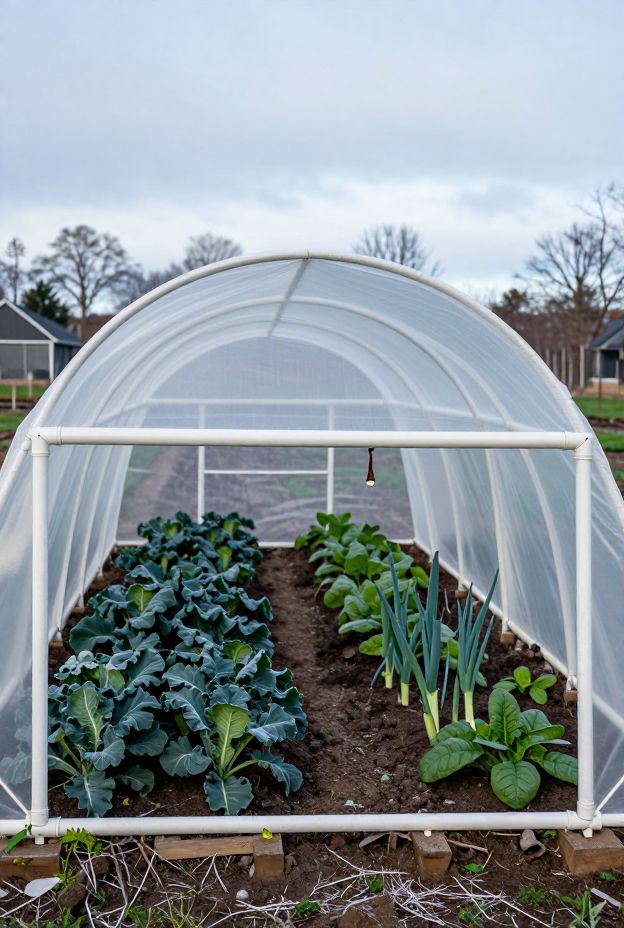
In fall and winter, kale, Brussels sprouts, turnips, garlic, and certain lettuce varieties thrive with minimal protection. A simple hoop house made from PVC pipes and plastic sheeting costs almost nothing to build and can keep your greens producing well into freezing temperatures. Why leave your garden bare when it could be feeding you year-round?
- Cold frames are essentially bottomless boxes with glass or plastic lids
- Winter crops to try: kale, garlic, spinach, leeks, Brussels sprouts
- Use row cover fabric for light frost protection without building a full structure
Ready to Get Your Hands Dirty?
There you have it — 12 genuinely useful vegetable garden ideas that go beyond the generic “just plant some tomatoes” advice. Whether you’re working with a sprawling backyard or a tiny corner of concrete, at least a handful of these setups will work for your space and your lifestyle.
You don’t need to try all 12 at once (please don’t). Pick one or two ideas that match your space, your time, and your enthusiasm level. Start small, learn what your backyard likes, and build from there. The most important move is just getting started — because a garden that actually feeds you beats a picture-perfect unused yard every single time. 🙂