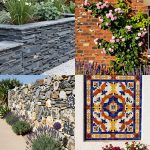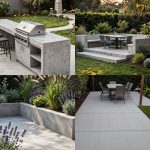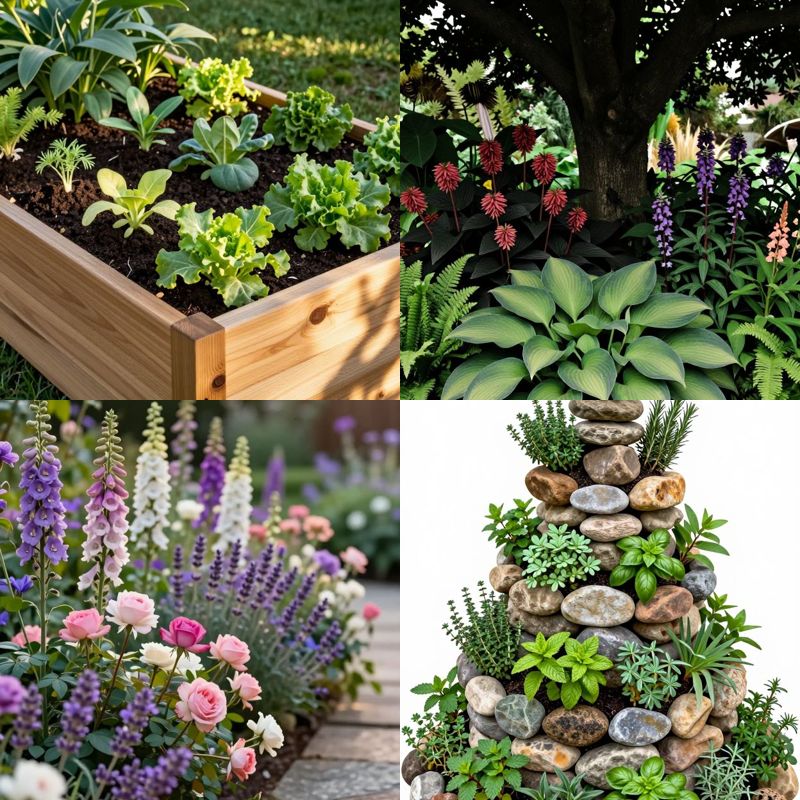
You know that feeling when you walk past a neighbor’s garden and your jaw just drops? Yeah, that’s the power of a well-designed garden bed. I’ve spent more afternoons than I care to admit staring at my own patch of dirt, wondering why it looks like a sad salad instead of the lush paradise I imagined. Good news: I’ve done the research, tried a few of these myself, and I’m here to share 15 stunning garden bed ideas that will genuinely transform your outdoor space into something worth showing off.
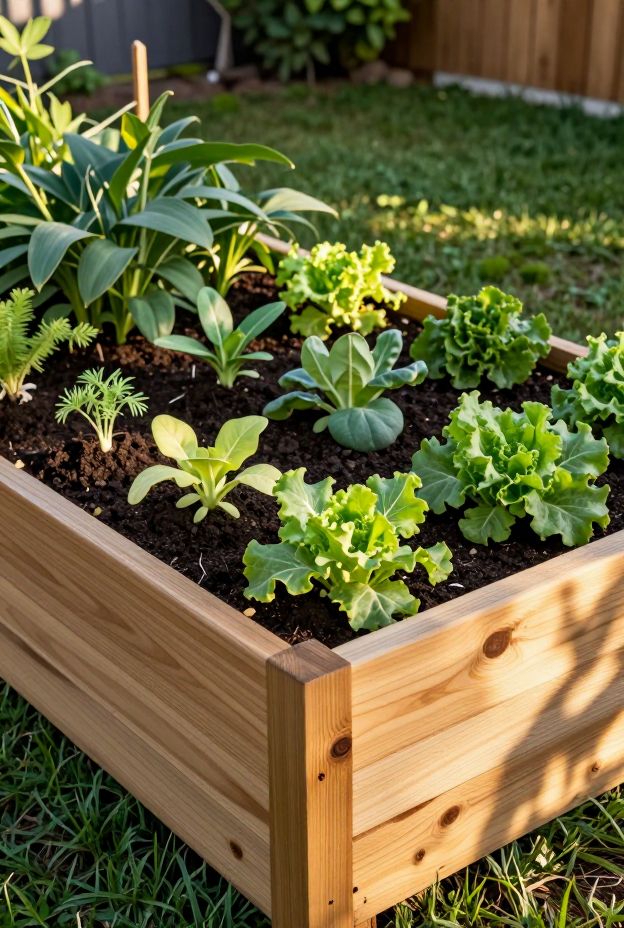
1. Raised Wooden Garden Beds
Raised wooden garden beds are basically the classic choice — and for good reason. They give you full control over your soil quality, which means healthier plants and fewer weeds fighting for territory. Cedar and redwood are the best wood choices because they naturally resist rot and pests.
You can build them at any height, which is a total game-changer if bending down all day isn’t exactly your idea of fun. Stack them two or three planks high and you’ve got a back-friendly setup that still looks gorgeous.
- Best wood: cedar, redwood, or Douglas fir
- Ideal height: 6–12 inches for most veggies and flowers
- Add landscape fabric at the base to block weeds
2. Tiered Garden Beds for Sloped Yards
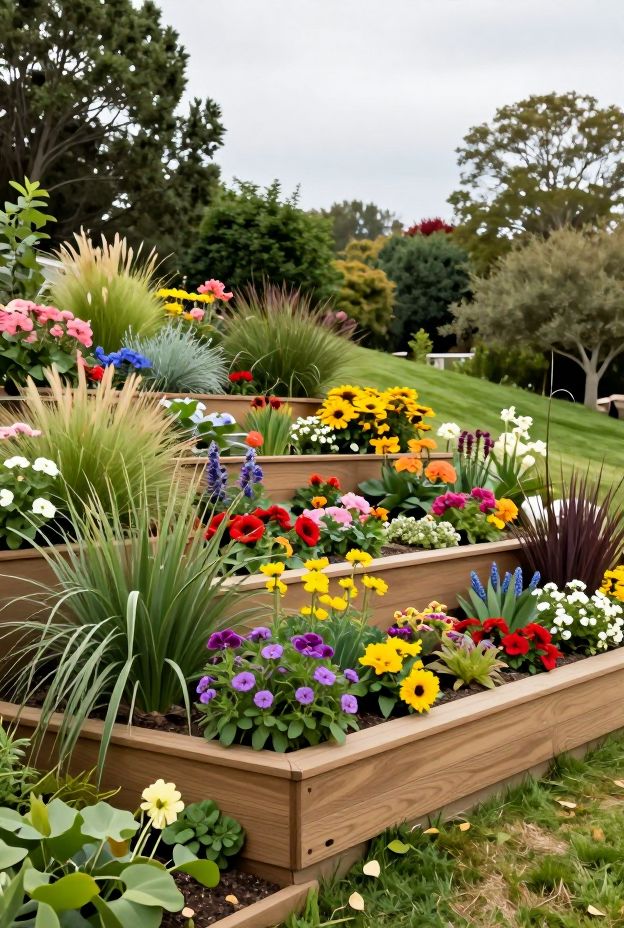
Got a sloped yard? Don’t fight the terrain — work with it. Tiered garden beds turn an annoying incline into a dramatic, eye-catching feature that looks like it belongs on a magazine cover. Each level can hold a different plant type, so you get both beauty and function in one setup.
IMO, tiered beds are one of the most underrated landscaping tricks out there. They also help with water drainage, so your plants don’t drown during heavy rain.
- Use retaining wall blocks or timber to create each level
- Plant taller species at the back, shorter ones at the front
- Pairs beautifully with ornamental grasses or flowering perennials
3. Cottage-Style Flower Beds
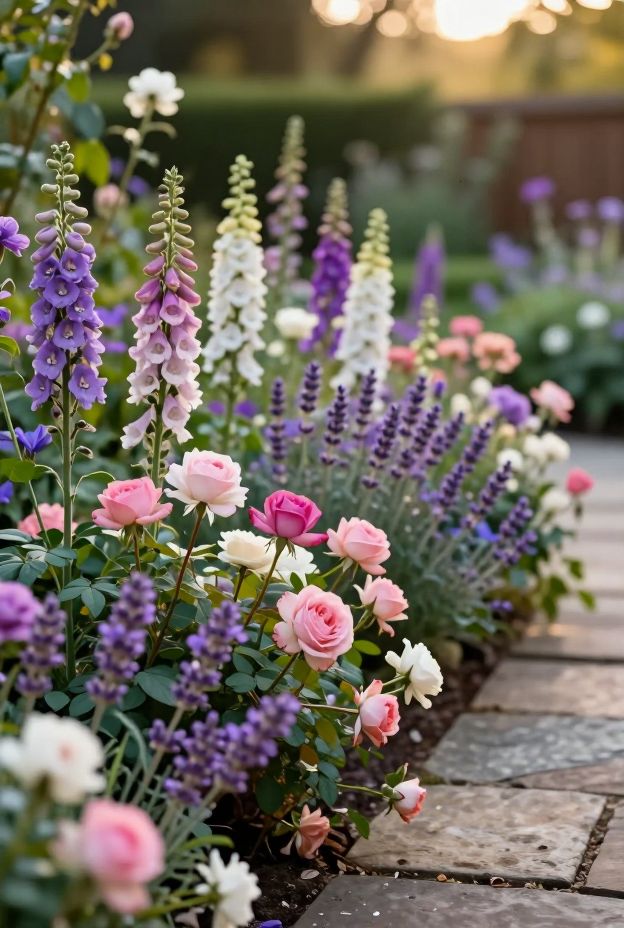
There’s something irresistibly charming about a cottage-style flower bed. Think overflowing blooms, a slightly wild look, and colors that somehow all work together despite the chaos. Roses, lavender, foxglove, and delphiniums are your best friends here.
The key is to plant in clusters rather than single rows. This creates that lush, abundant look that makes people stop and stare. Honestly, it’s one of the easiest styles to pull off because a little “messiness” is actually part of the aesthetic. 🙂
4. Herb Spiral Garden Beds
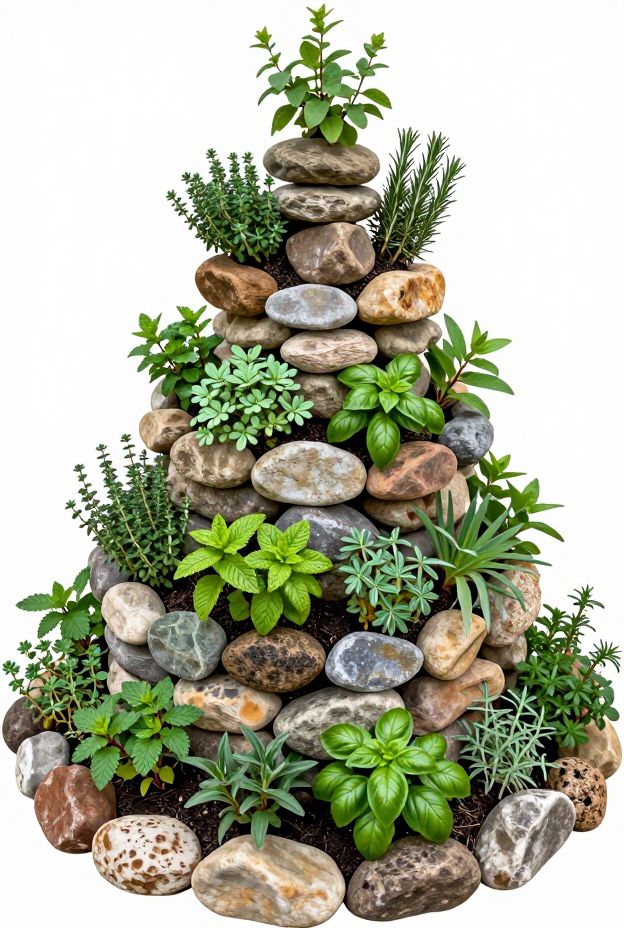
An herb spiral is one of those ideas that sounds complicated but is actually brilliant in its simplicity. You build a spiral-shaped raised bed that creates multiple microclimates — sunny at the top, shadier and moister at the base. This means you can grow a wide variety of herbs in a very small footprint.
Thyme and rosemary love the dry, sunny top. Mint and parsley thrive near the bottom where moisture collects. It’s basically nature’s own smart gardening system packed into a few square feet.
- Build with stones or bricks for a natural look
- Height: about 3 feet at the peak
- Great for small patios or tight spaces
5. Colorful Annual Flower Beds
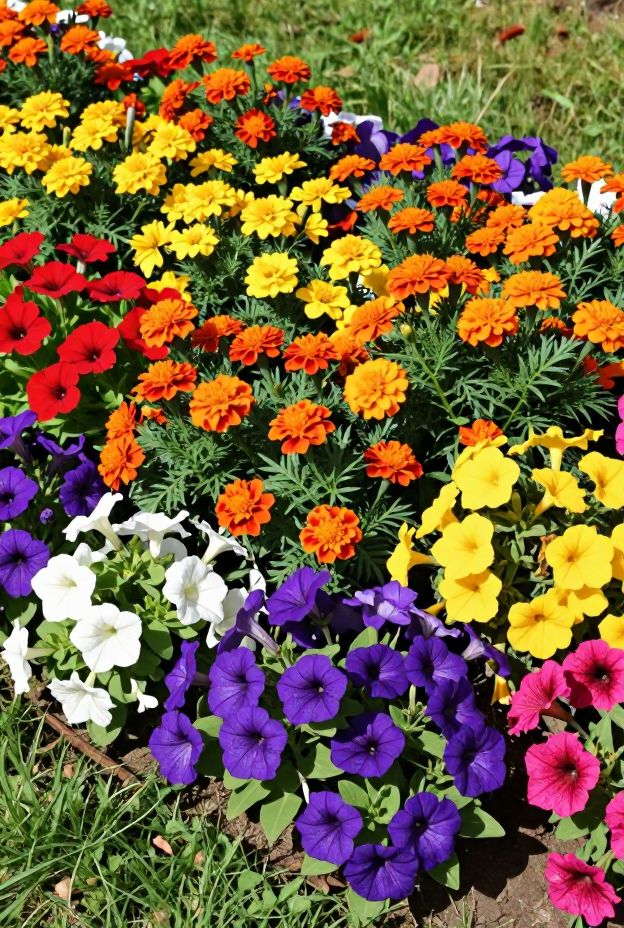
Want instant, show-stopping color? Annual flower beds deliver exactly that. Marigolds, zinnias, petunias, and impatiens bloom reliably all season and give you that pop of color from spring through fall. Unlike perennials, annuals let you completely change your garden’s look every year.
Mix warm tones like orange, red, and yellow for a vibrant, energetic vibe. Or go with cool purples, whites, and blues for a more calming, elegant feel. Either way, you’re working with a fresh canvas every single season.
6. Perennial Garden Beds That Come Back Every Year
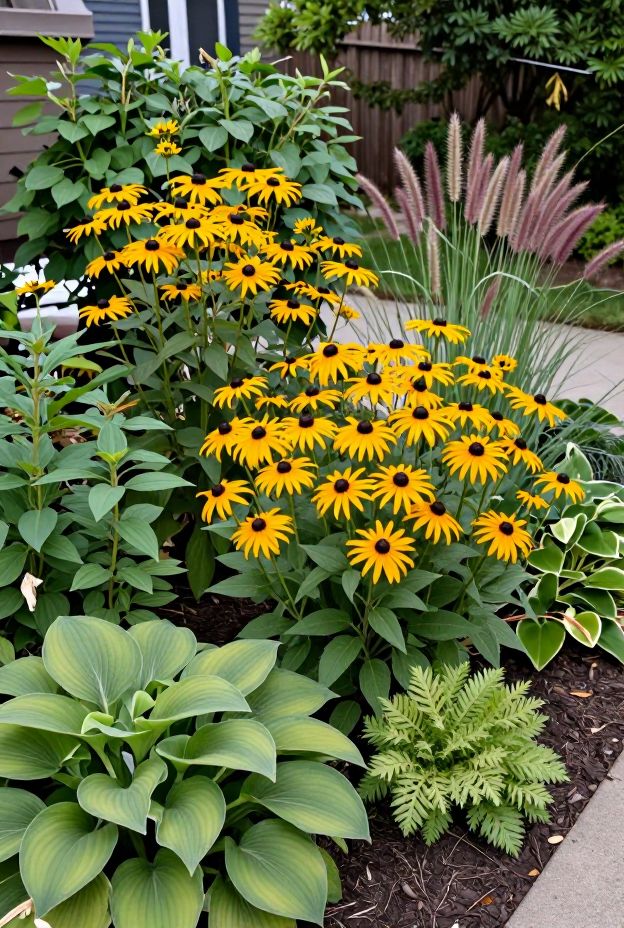
Here’s a little secret: perennial garden beds are the lazy gardener’s best friend — and I mean that as the highest compliment. You plant once, and they come back year after year. Hostas, black-eyed Susans, coneflowers, and ornamental sedums are practically indestructible.
The trick is to plan for bloom succession so something is always flowering from early spring through late fall. Layer early, mid, and late-season bloomers together and your bed will never have a dull moment.
- Early bloomers: tulips, daffodils, bleeding heart
- Mid-season: coneflowers, black-eyed Susan, salvia
- Late season: asters, sedum, ornamental grasses
7. Rock Garden Beds for Low Maintenance
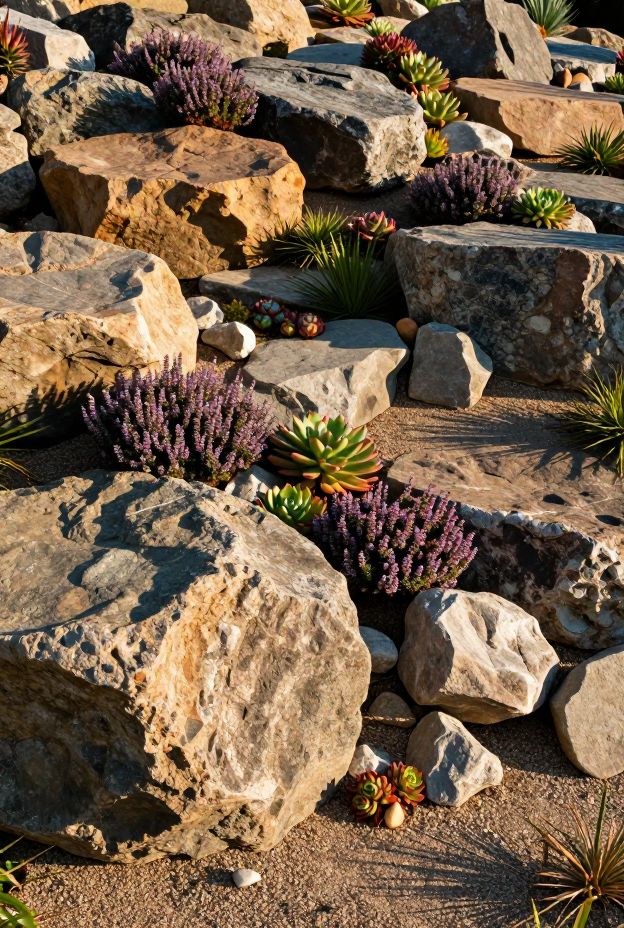
Rock garden beds look stunning and barely need any attention — which, honestly, is the dream. They work especially well in dry or drought-prone climates where traditional garden beds struggle. Alpine plants, succulents, and creeping thyme thrive between rocks and give you texture and color without constant watering.
Arrange rocks naturally, as if they were placed by geology rather than a gardener. Odd-numbered groupings of stones look more organic and less like someone just randomly threw rocks around. Which, fair, we’ve all been there. :/
8. Pollinator Garden Beds
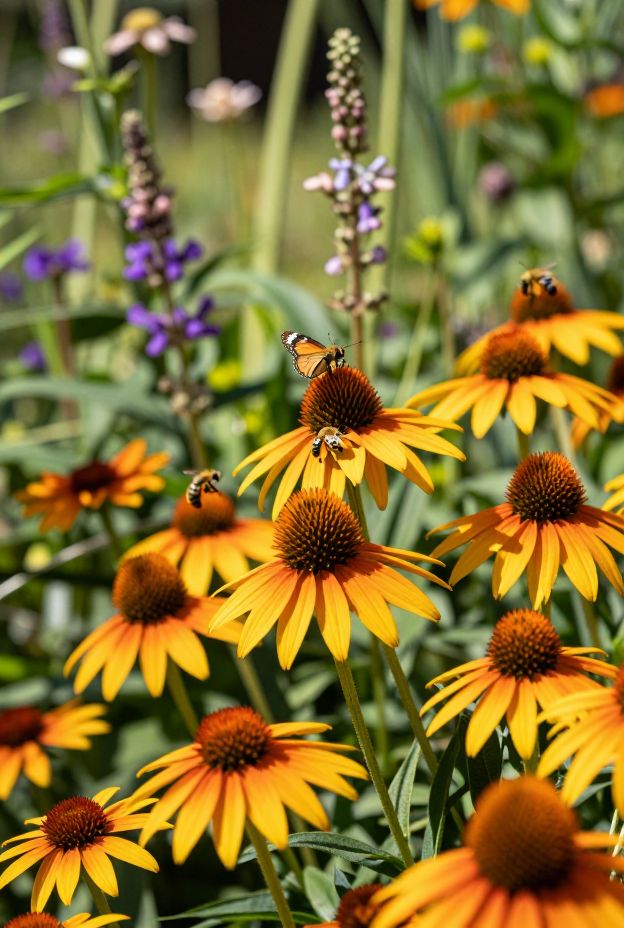
Want to do something great for your local ecosystem? Build a pollinator garden bed packed with native wildflowers, coneflowers, bee balm, and milkweed. Bees, butterflies, and hummingbirds will visit constantly, turning your yard into a living, buzzing nature scene.
Native plants are the key because they’ve evolved alongside local pollinators and provide the right nectar and pollen these creatures need. FYI, native plant gardens also require far less water and fertilizer than traditional beds — so it’s a win for you and the bees.
9. Formal Geometric Garden Beds
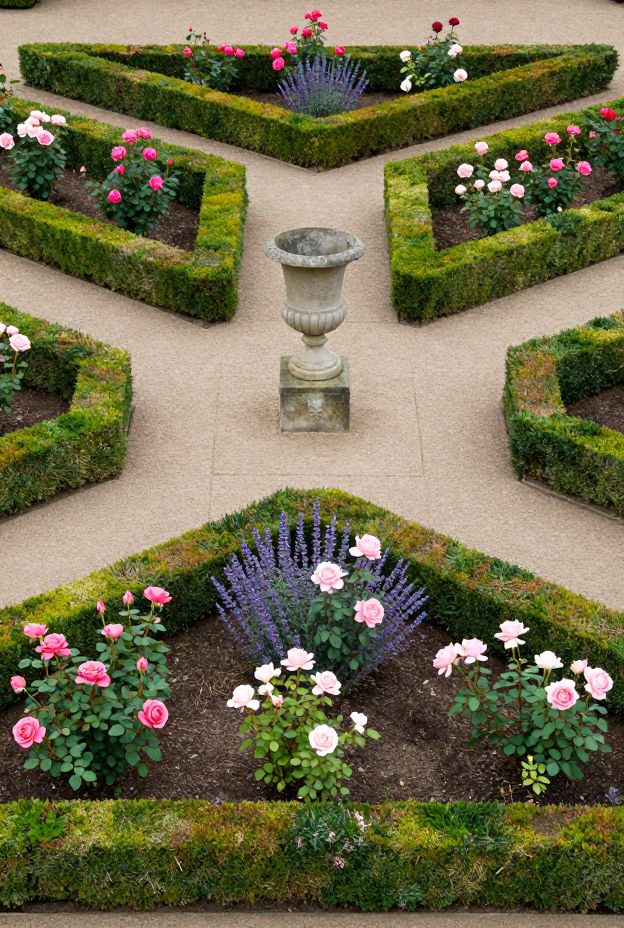
If you lean toward a more structured, elegant aesthetic, formal geometric garden beds are your calling. Think clean lines, symmetrical layouts, and neatly clipped hedges framing beds of roses or lavender. French and Italian formal gardens are the gold standard of this style.
Boxwood hedges work brilliantly as borders and hold their shape well with regular trimming. Pair them with a central focal point like a stone fountain, a topiary, or even a striking urn. Structure has never looked so good.
10. Shade Garden Beds Under Trees
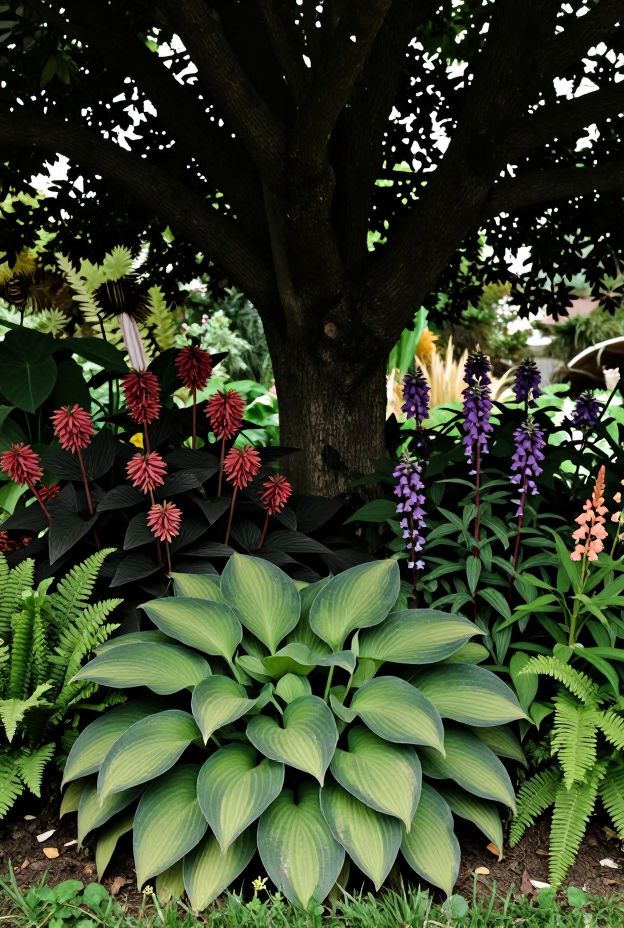
That shady spot under your big oak tree doesn’t have to be a plant graveyard. Shade-loving plants like hostas, ferns, astilbe, and coral bells thrive in low-light conditions and create a lush, woodland-inspired bed that feels almost magical.
Layer different foliage textures and colors to add visual interest since blooms can be limited in deep shade. The contrast between large hosta leaves and delicate fern fronds creates a naturally beautiful tapestry that basically maintains itself. Almost.
11. Edging Garden Beds with Decorative Borders
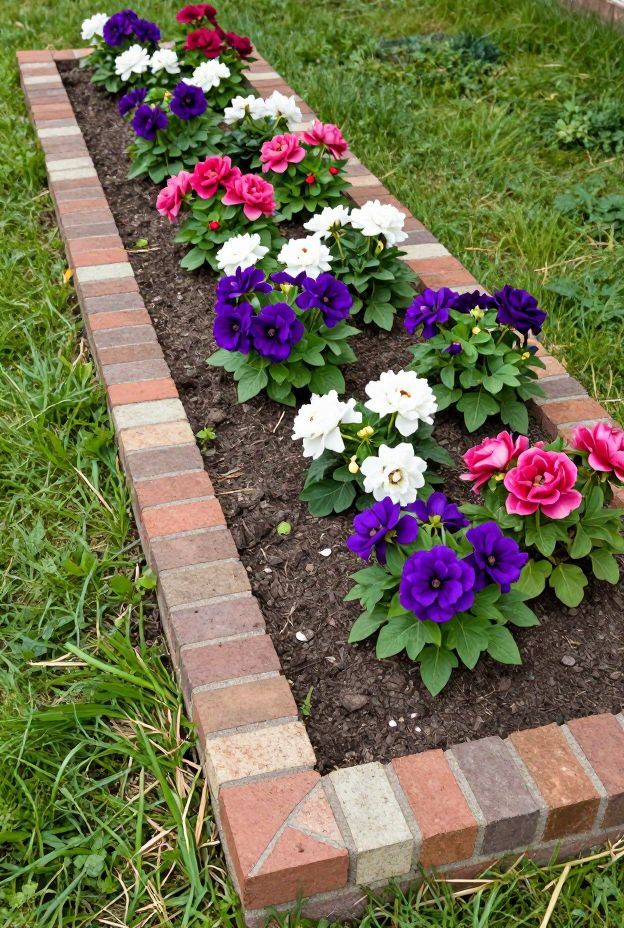
Never underestimate the power of a good edge. Well-defined garden bed borders instantly make a garden look more polished and intentional, even if the planting inside is relatively simple. Steel edging, stone pavers, reclaimed bricks, or even wooden logs all work beautifully depending on your style.
A clean edge also keeps lawn grass from creeping into your beds, which saves you from a weekly battle you will definitely lose without intervention. Use a half-moon edger or a spade to cut a crisp line and refresh it once a month during the growing season.
12. Vertical Garden Beds for Small Spaces
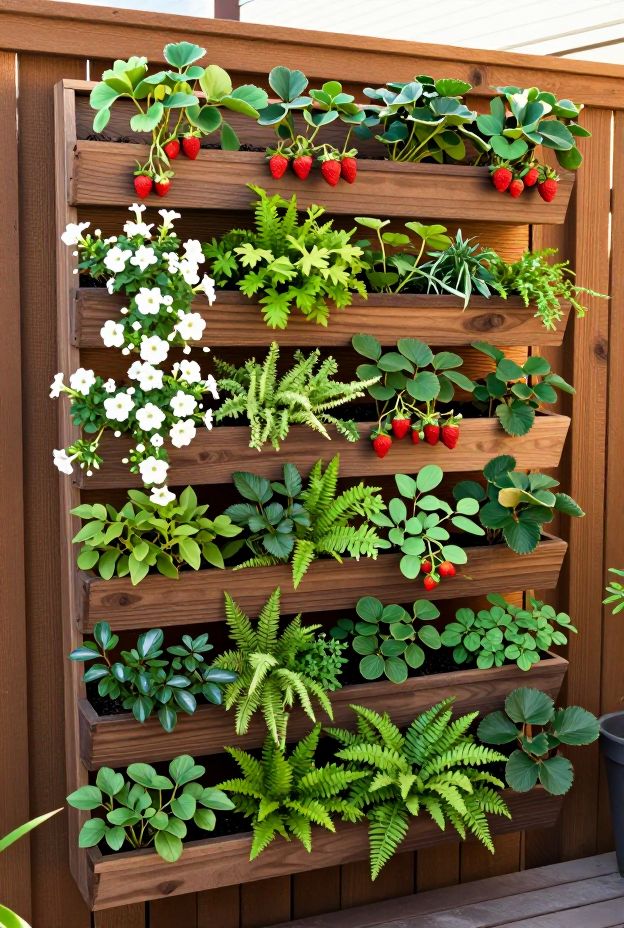
Working with a small backyard, balcony, or fence line? Go vertical. Vertical garden beds use wall-mounted planters, pallet frames, or trellis systems to grow plants upward instead of outward. You maximize space while creating a stunning living wall effect.
Strawberries, herbs, ferns, and trailing flowers all perform brilliantly in vertical setups. Make sure each planter has adequate drainage and that you water more frequently since vertical beds dry out faster than ground-level ones.
- Best plants: herbs, strawberries, petunias, ferns
- Materials: wood pallets, pocket planters, modular wall systems
- Water daily during hot weather
13. Wildflower Meadow Garden Beds
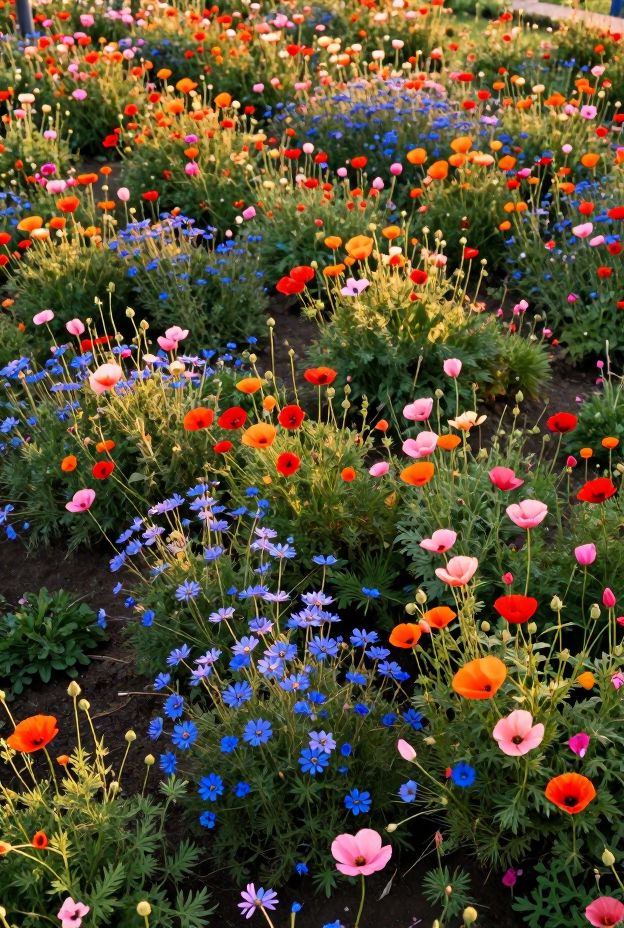
A wildflower meadow bed is basically nature doing its thing with a little nudge from you. Scatter a mix of native wildflower seeds across a prepared bed, water regularly until established, and then mostly step back and let it do its thing. Poppies, cornflowers, cosmos, and California poppies create breathtaking drifts of color.
Ever wondered why wildflower gardens always look so effortlessly beautiful? It’s because they mimic natural plant communities that have been perfecting their look for thousands of years. You just need to get out of their way.
14. Kitchen Garden Beds Combining Edibles and Flowers
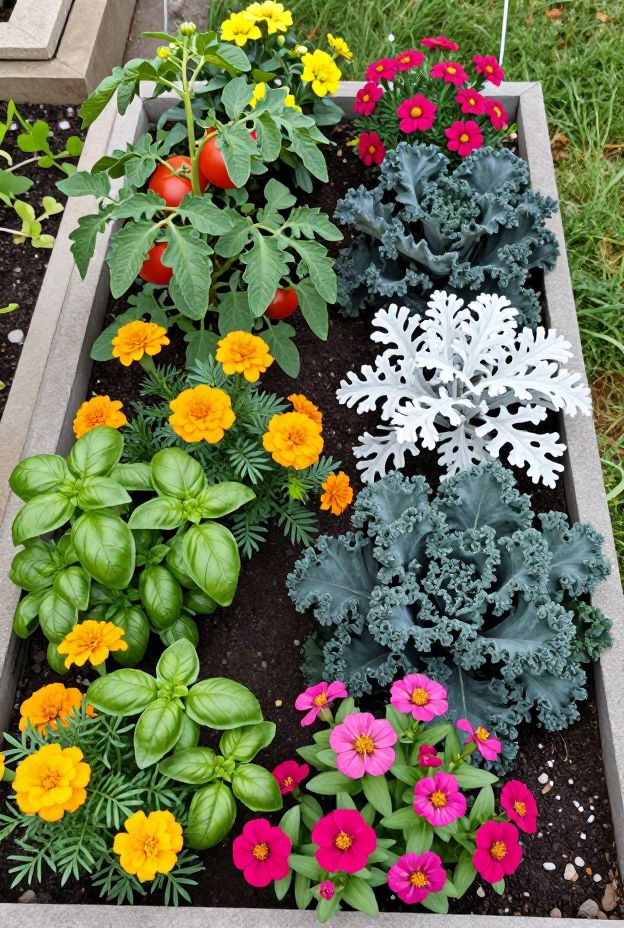
Who says a vegetable garden can’t be gorgeous? Potager-style kitchen garden beds mix edible plants with ornamental ones for a setup that looks just as good as it tastes. Think tomatoes growing alongside marigolds, basil bordered by zinnias, and kale paired with dusty miller for silvery contrast.
Marigolds aren’t just pretty — they also repel common pests like aphids and nematodes, making them one of the smartest companion plants you can use. Beauty and function in one package. That’s the kind of efficiency I can get behind.
15. Monochromatic Color-Themed Garden Beds
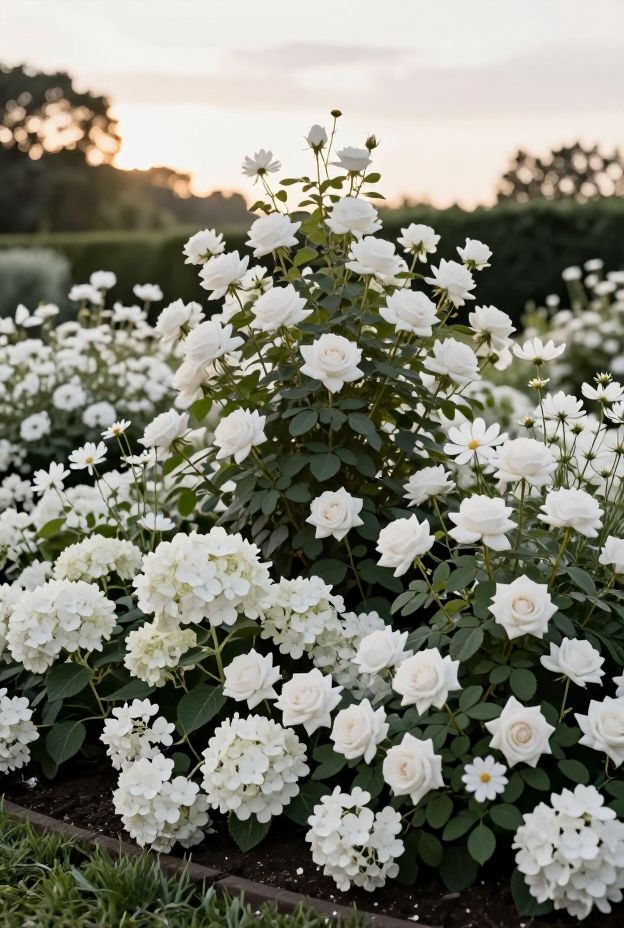
Picking a single color theme for your garden bed sounds limiting, but the results are genuinely striking. An all-white garden bed (think white roses, white hydrangeas, and white cosmos) creates an ethereal, elegant look that absolutely glows in the evening. An all-purple bed mixing lavender, salvia, and allium feels rich and sophisticated.
Monochromatic beds work because the eye reads them as unified and intentional rather than random. You still get plenty of visual variety through different flower shapes, heights, and textures. It’s one of those design tricks that looks far more deliberate and impressive than the effort it actually takes.
Final Thoughts
There you have it — 15 garden bed ideas that run the full range from low-maintenance rock gardens to lush cottage-style flower explosions. Whether you have a sprawling backyard or a tiny balcony, at least a handful of these ideas will work beautifully for your space and your lifestyle.
The best garden bed is always the one you’ll actually enjoy building and maintaining. Start with one or two ideas that genuinely excite you, get your hands dirty, and see what grows. Your future garden-obsessed self will thank you for taking that first step.