So you’ve got a backyard that deserves better than a patch of grass you mow every Sunday while questioning your life choices. A low deck at ground level might be exactly what’s missing — and honestly, it’s one of the best upgrades you can make for seamless indoor-outdoor living. I built my first ground-level deck three summers ago, and I haven’t looked back since. Let’s talk about 12 gorgeous ideas that’ll make you want to grab a shovel this weekend.
1. The Classic Floating Wood Deck
A floating wood deck sits just a few inches above the ground, giving you that clean, flush look that makes your yard feel like an extension of your living room. Cedar and redwood are popular picks because they naturally resist rot and insects. You don’t need a permit for most ground-level floaters, which is always a win. FYI, pressure-treated pine gives you the same durability at a fraction of the cost.
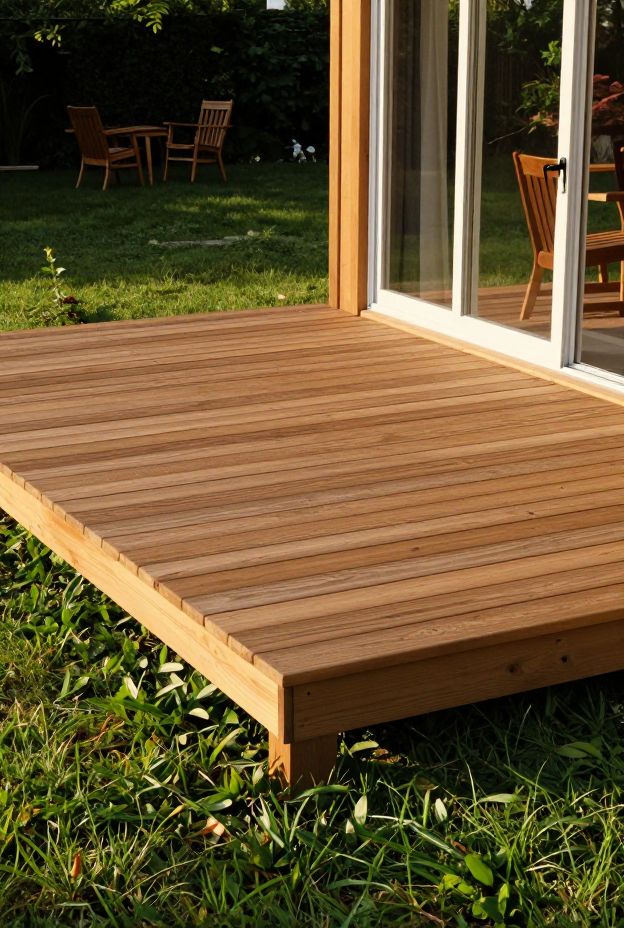
The beauty of a floating deck is how simple the construction is. You set concrete blocks or deck blocks directly on leveled ground, lay your frame, and start decking. No digging, no concrete footings, no contractor drama.
- Best wood options: Cedar, redwood, or pressure-treated pine
- Typical height: 6–12 inches above ground
- Ideal for: DIY beginners who want big results fast
2. Composite Decking for Low-Maintenance Living
If the idea of sanding, staining, and sealing wood every year makes you tired just thinking about it, composite decking is your answer. Brands like Trex and TimberTech make boards from recycled wood fibers and plastic that look stunning and last decades. IMO, composite is the smartest long-term investment for a ground-level deck.
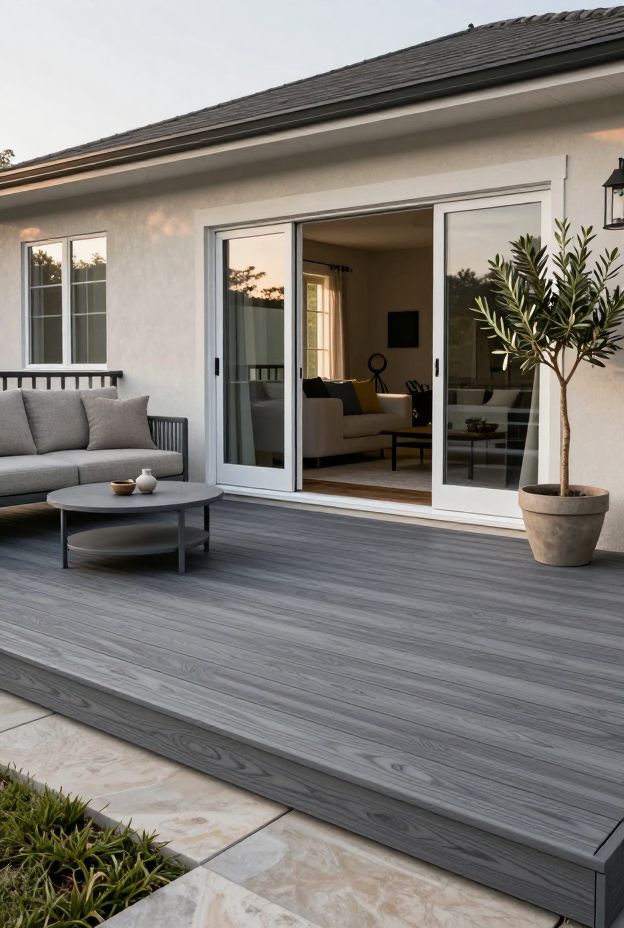
You get the warm, natural look of real wood without the upkeep headaches. Composite boards resist fading, staining, and mold — so your deck looks great even after a rough Singapore-style rainy season.
Why Composite Wins the Low-Maintenance Game
- No annual staining or sealing required
- Resists moisture, mold, and UV fading
- Available in a wide range of colors and wood grain textures
- Eco-friendly — most boards use recycled materials
3. Wraparound Ground-Level Deck
Want to maximize your outdoor space? A wraparound low deck hugs the perimeter of your home and creates multiple outdoor “zones” without any elevation changes. You can have a dining corner on one side and a lounging area on the other, all connected seamlessly. It’s like giving your house a giant outdoor hug.
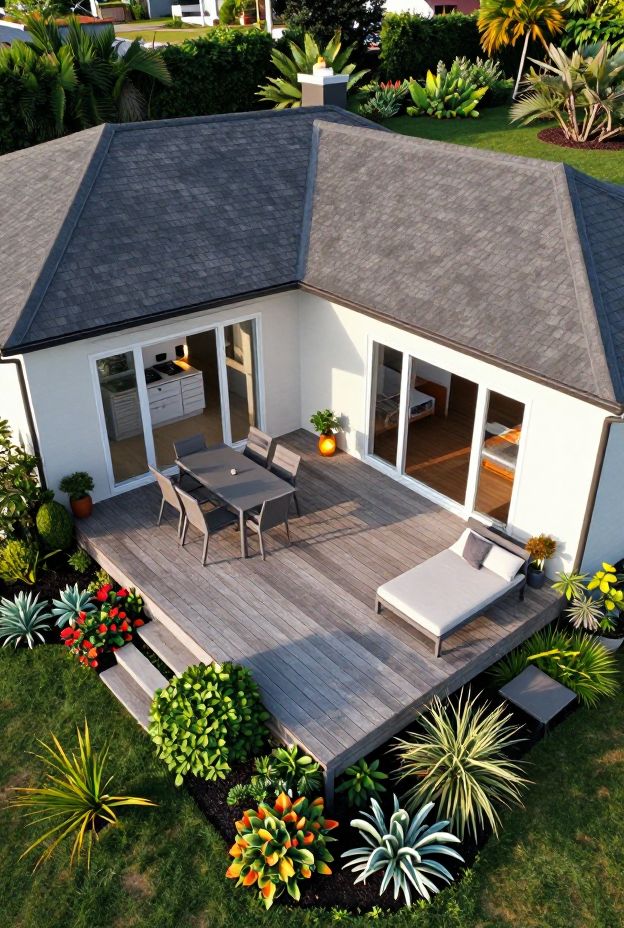
This style works especially well on homes with multiple entry points — think sliding doors in the kitchen AND the living room. The deck ties everything together so every exit leads to something beautiful instead of just… dirt.
4. Deck with Built-In Planters
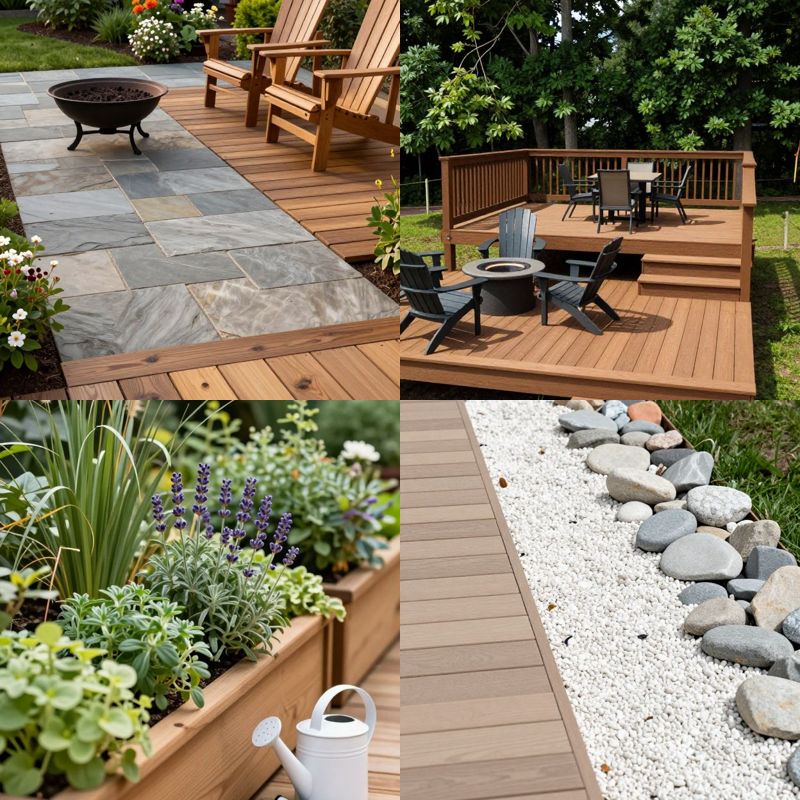
Here’s where your gardening obsession gets to shine. Built-in planters along the deck edge create a lush, living border that softens the transition between your deck and the yard. You can grow herbs, ornamental grasses, or flowering perennials right there on the deck frame. It’s functional AND gorgeous.
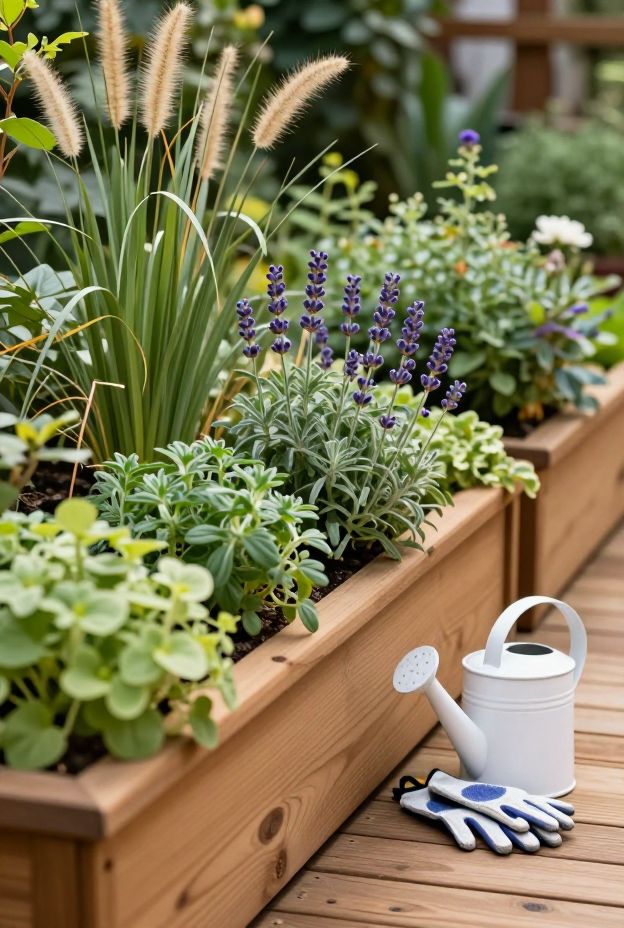
Cedar works brilliantly for built-in planters because it handles moisture without rotting fast. Line the inside with a pond liner to protect the wood even further. Imagine stepping outside to snip fresh basil for dinner — that’s the dream, right?
Best Plants for Deck Planters
- Herbs: Basil, rosemary, thyme, mint
- Ornamental grasses: Karl Foerster, Blue Oat Grass
- Flowering perennials: Lavender, black-eyed Susan, coneflower
- Trailing plants: Sweet potato vine, creeping Jenny
5. Patio Pavers Mixed with Wood Decking
Who says you have to choose between a wood deck and a stone patio? Mixing patio pavers with wood decking creates a layered, textured look that feels high-end and intentional. You lay the pavers flush with the deck boards, and the result is something that looks like it came straight out of a landscape design magazine. Honestly, it’s one of my favorite combinations.
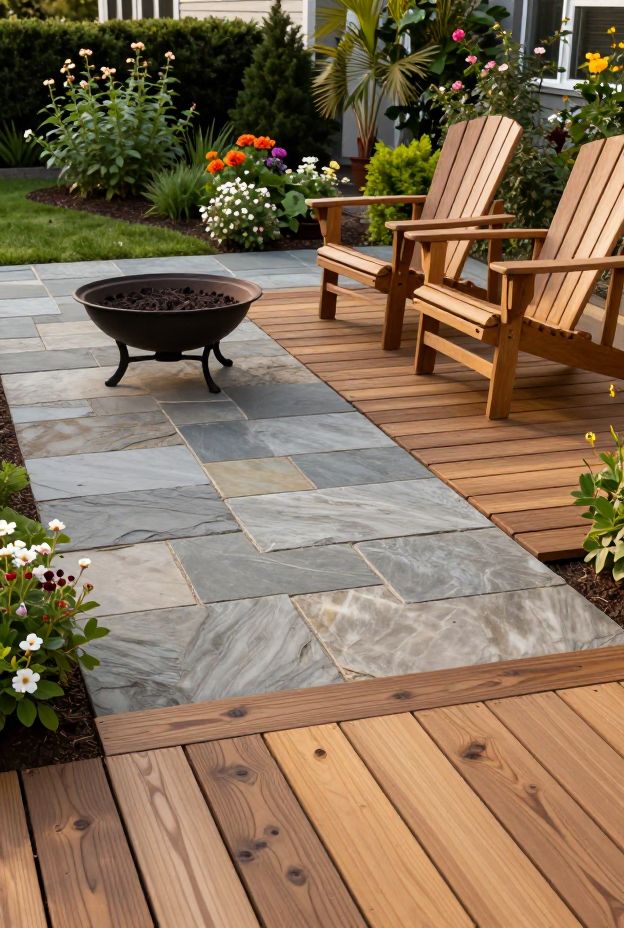
This hybrid approach also gives you practical benefits. Pavers handle heavy furniture and grills without sagging, while wood decking adds warmth in seating areas. The contrast in textures makes the whole space feel dynamic.
6. Low Deck with Pergola Overhead
A ground-level deck on its own is great. A ground-level deck with a pergola overhead? That’s a whole lifestyle upgrade. The pergola defines the space, adds shade, and gives you something to drape string lights or climbing plants over. It transforms a flat deck into an actual outdoor room.
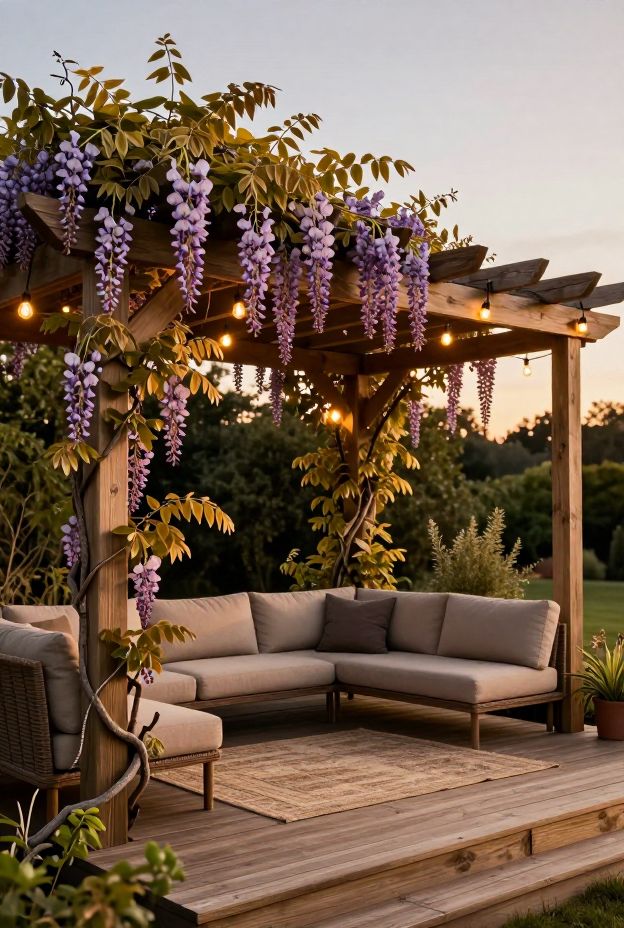
You don’t need to go full construction mode either. Freestanding pergola kits are widely available and can anchor directly to your deck frame. Add a retractable shade cloth or let wisteria climb the posts for a romantic, garden-party vibe.
Pergola Style Options
- Classic wood pergola: Cedar or redwood for natural charm
- Metal pergola: Aluminum or steel for modern, industrial look
- Vinyl pergola: Zero maintenance, clean white finish
- Louvered pergola: Adjustable roof slats for ultimate shade control
7. Multi-Level Ground Deck with Shallow Steps
Even at ground level, you can create subtle elevation changes using shallow one- or two-step platforms. This adds visual interest and naturally defines separate zones — one level for dining, another for a fire pit, for example. The steps don’t need to be dramatic; even a 6-inch rise makes a big difference visually.
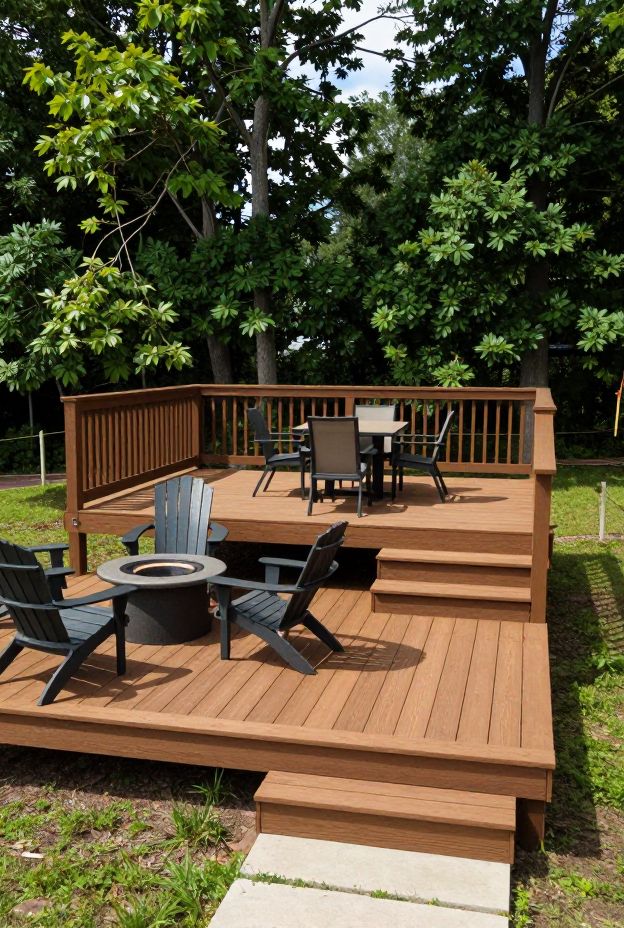
This design trick works especially well on gently sloping yards. Instead of fighting the slope or building a retaining wall, you work with it. Each platform follows the natural grade of the land, and the result looks organic and intentional.
8. Deck Surrounded by Gravel or River Rocks
Framing your low deck with gravel or river rocks is one of the smartest landscaping moves you can make. It prevents weeds from creeping up around the deck edge, improves drainage, and adds a crisp, clean border that makes the whole setup look finished. Plus, it’s genuinely low maintenance — you’re not going to mow gravel 🙂
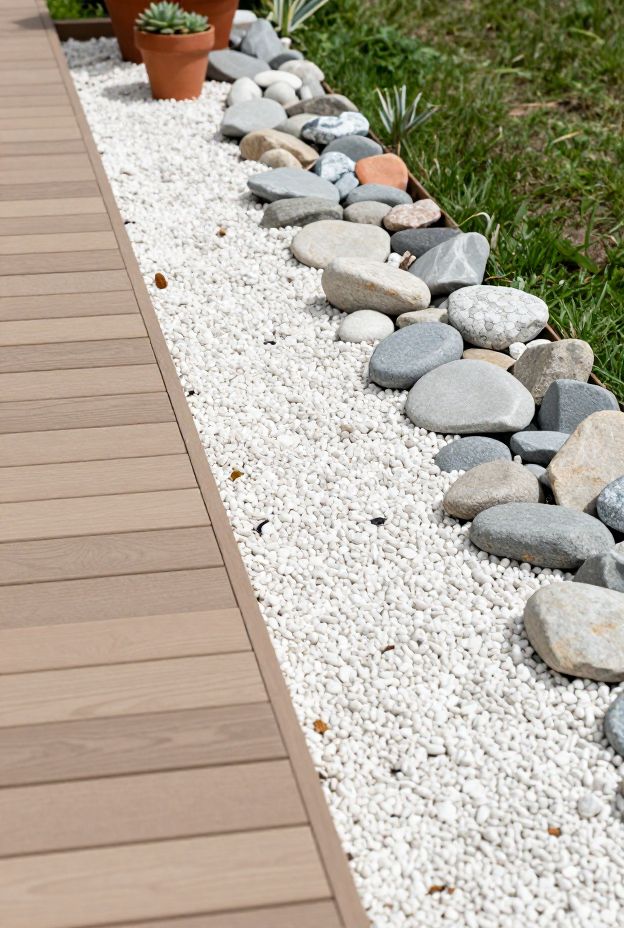
Pea gravel, crushed granite, and river rock all work well. Match the stone color to your deck boards for a cohesive look, or go contrasting for a bold design statement. Either way, it beats a muddy border after every rainstorm.
9. Deck with Built-In Bench Seating
Built-in bench seating along the perimeter of your deck does two things brilliantly: it maximizes seating without cluttering the space with extra furniture, and it gives your deck a custom, finished look. You can build the benches directly into the deck frame during construction, or add them later as a weekend project.
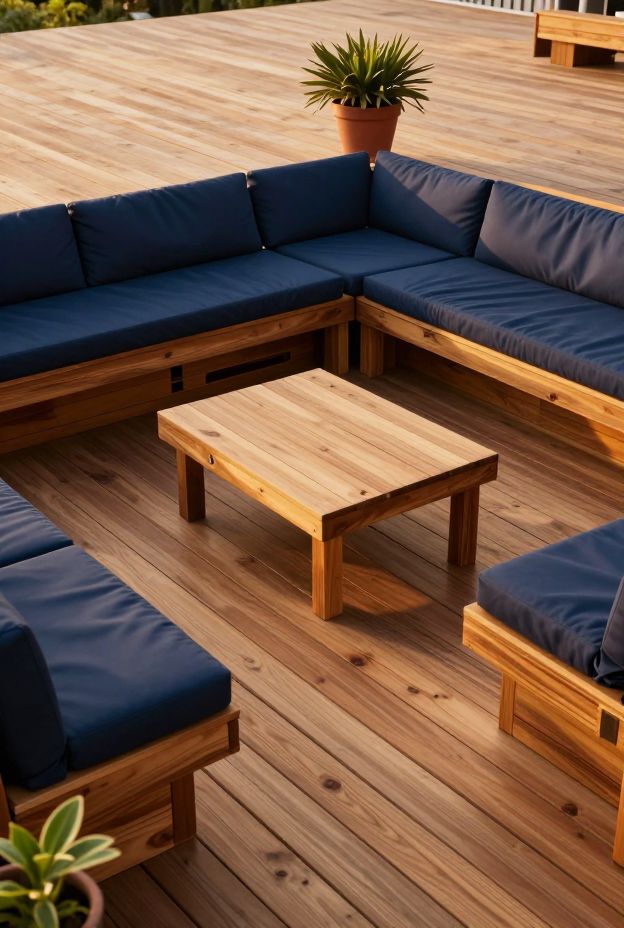
Add cushions in weather-resistant fabric and you’ve got a lounge area that feels intentional, not thrown together. Under-bench storage is another smart add-on — lift the seat and store garden tools, outdoor cushions, or kids’ toys. Smart design is always satisfying.
10. Ipe Hardwood Deck for a Premium Look
Ipe wood (pronounced “ee-pay”) is the Rolls-Royce of decking materials. This Brazilian hardwood is extraordinarily dense, naturally resistant to insects and decay, and it develops a beautiful silver patina if you leave it unsealed. It lasts 40 years or more with minimal care. Yes, it costs more upfront — but do the math over a decade.
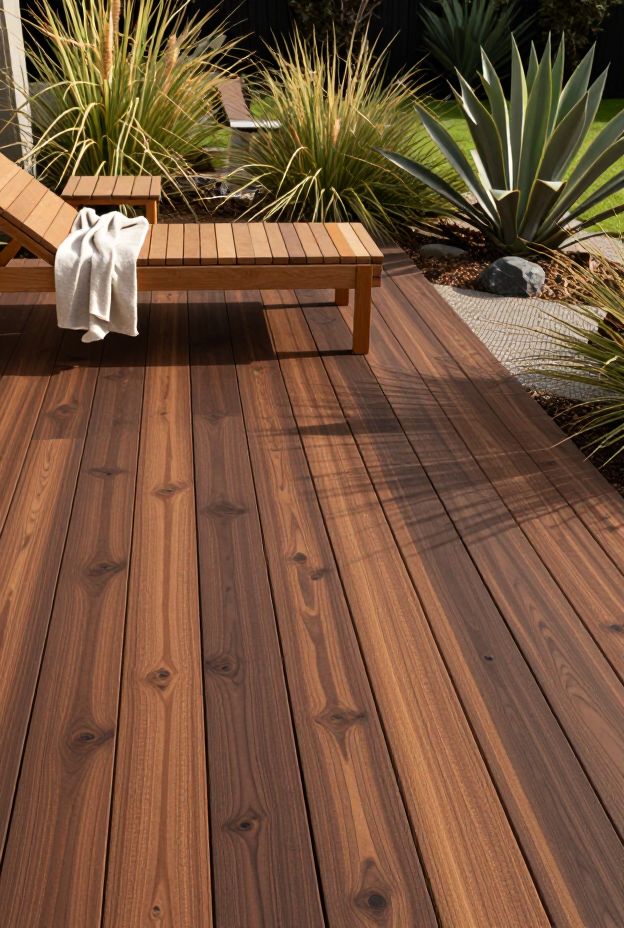
Ipe is incredibly hard, which actually makes DIY installation trickier — you need pre-drilled holes and sharp carbide drill bits. But the payoff is a deck that looks jaw-droppingly good and requires almost no maintenance beyond the occasional oil treatment.
11. Decking Around a Fire Pit
Building your low deck around a central fire pit creates an instant gathering spot that draws people in every single evening. You design the deck with a cutout or open circle in the center, drop in a fire pit bowl or built-in fire feature, and surround it with seating. It’s cozy, practical, and genuinely one of those features your guests will talk about for years.
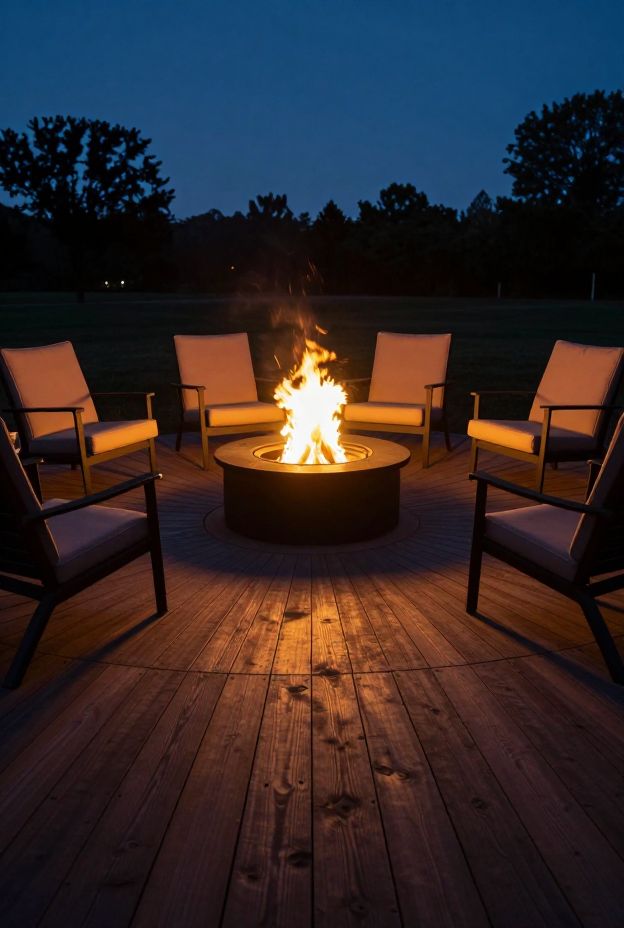
Use fire-rated materials near the pit area — composite decking brands like Trex have fire-resistant ratings worth checking. Always maintain proper clearance between the flame and any wood surfaces. Safety first, ambiance a very close second.
Fire Pit Deck Safety Tips
- Maintain at least 24 inches of clearance between fire and decking
- Use a fire pit with a spark screen
- Check local regulations on open flames near structures
- Keep a fire extinguisher or hose nearby
12. Decking with Outdoor Lighting Integrated Into the Frame
You’ve nailed the daytime look — now what happens after sunset? Integrated deck lighting transforms your ground-level deck into a magical evening hangout. Solar post caps, recessed LED deck lights, and low-voltage strip lights along the frame edge all work beautifully at ground level. The key is planning the wiring BEFORE you lay the deck boards.
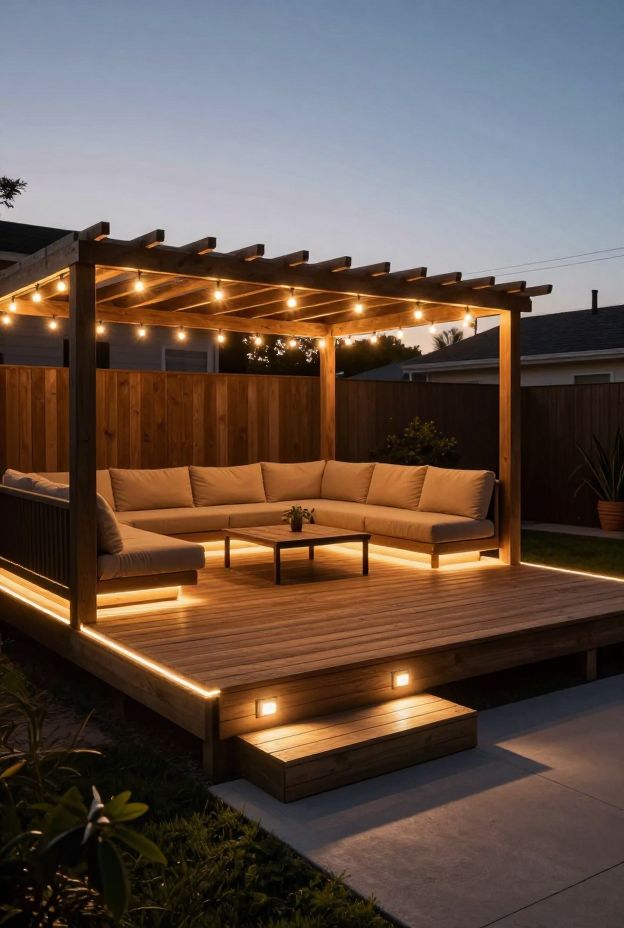
String lights overhead add warmth, but dedicated deck lighting does something different — it makes the structure itself glow. Step lights on any shallow risers improve safety, and hidden LED strips under the deck frame cast a soft ambient glow that makes the whole space look like it belongs on a design blog 🙂
Best Deck Lighting Options
- Recessed deck lights: Flush-mounted, clean look between boards
- Post cap lights: Solar-powered, easy install
- Step lights: Safety + style on any level changes
- LED strip lights: Under-frame ambient glow
- String lights: Hung overhead from pergola or posts
Bringing It All Together
A ground-level deck is one of the most rewarding outdoor projects you can take on — whether you’re a seasoned DIYer or hiring a contractor for the first time. The ideas above cover every style, budget, and skill level. From a simple floating cedar deck to a fully lit, fire pit-centered hardwood showpiece, there’s something here for every yard and every vision.
The real magic of a low deck is how effortlessly it blurs the line between indoors and outdoors. You open the back door and just… step out. No stairs, no drop-off, no awkward transition. Just seamless, beautiful living space that makes every morning coffee and every evening gathering feel a little more special.
So which of these ideas grabbed you? Pick one, start planning, and get outside. Your future deck is waiting — and trust me, your backyard has been patient long enough.