Your yard looks flat. Boring. Like a green carpet with zero personality. If you’ve been staring at your lawn wondering why it just doesn’t pop, berms might be exactly what you need. I stumbled onto berms landscaping a few years back when I was desperately trying to add some visual interest to my backyard without tearing everything up. Spoiler: it worked beautifully, and I haven’t looked back since.
What Even Is a Berm?
A berm is simply a raised mound of soil that you shape into your landscape to create height, movement, and visual interest. Think of it as a natural speed bump, but make it gorgeous. You can use berms to redirect water, block wind, create privacy, or just make your yard look like it has some actual dimension.
They come in all shapes and sizes. Some people go for long, sweeping berms that follow a property line. Others build compact focal-point berms right in the center of the lawn. The beauty is that berms are incredibly versatile, and you get to decide how dramatic or subtle you want to go.
10 Creative Berms Landscaping Ideas to Add Depth to Your Yard
1. The Classic Kidney-Shaped Berm
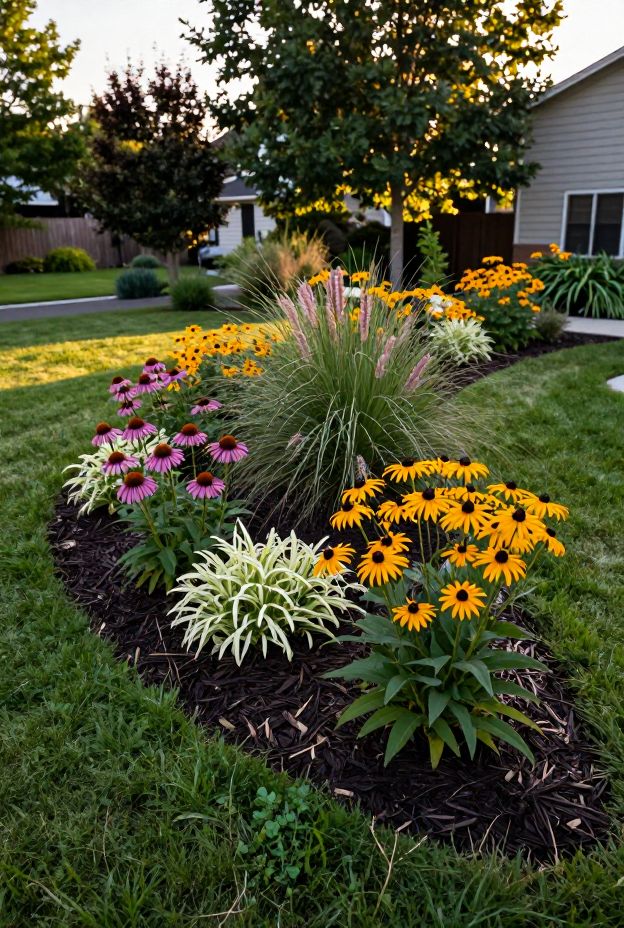
If you’re new to berms, this is where I’d tell you to start. The kidney shape is forgiving, natural-looking, and fits almost any yard size. You build a gently curving mound, plant it with a mix of ornamental grasses and flowering perennials, and suddenly your flat lawn has a focal point.
The key here is the slope ratio. Aim for a 4:1 or 5:1 ratio (four to five feet of horizontal run for every one foot of height). This keeps the berm from looking like a pile of dirt someone forgot to flatten. Trust me, the ratio matters more than most people realize.
2. The Privacy Berm Along the Property Line
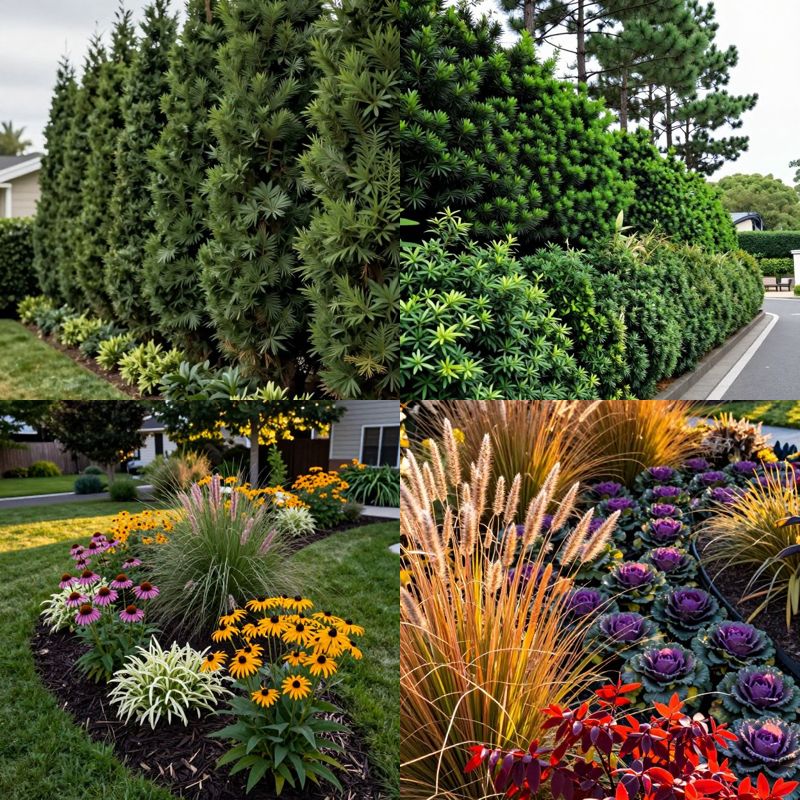
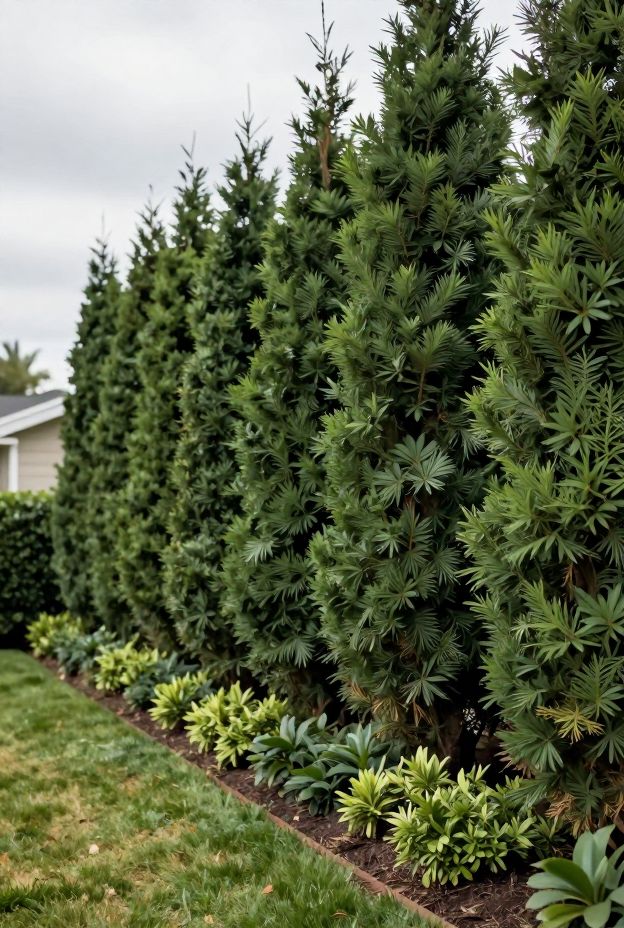
Got nosy neighbors? (Yeah, we all do.) A tall privacy berm planted with fast-growing evergreens like arborvitae or Leyland cypress does the job beautifully. It’s far more attractive than a fence, and it actually gains value over time as the plants mature.
For this idea, you’ll want a berm height of at least 3 to 4 feet, combined with shrubs that add another 6 to 8 feet when mature. That combination creates a natural wall your neighbors definitely can’t see over. IMO, this is one of the most practical berm uses out there.
3. The Rain Garden Berm
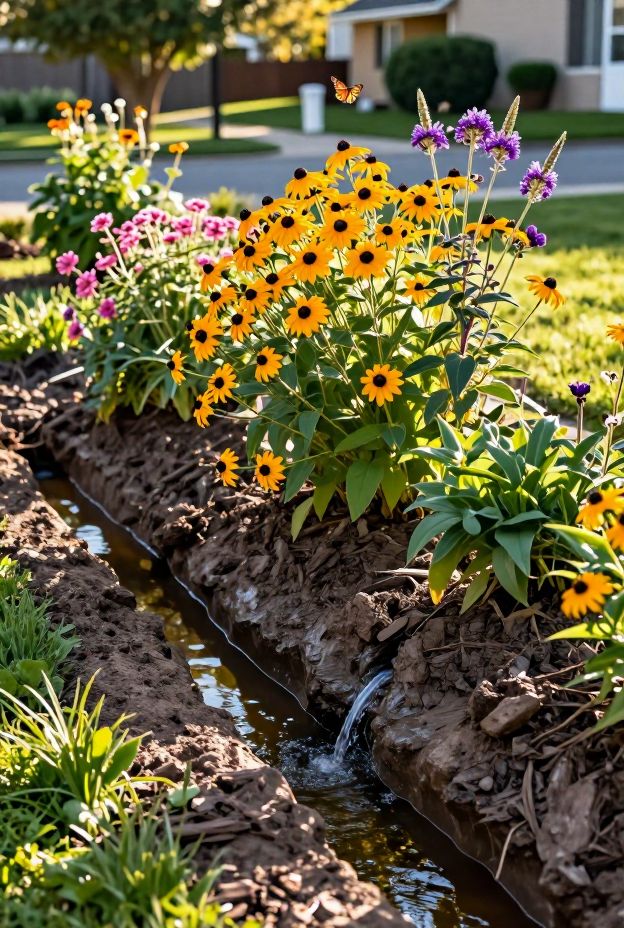
Here’s one that’s both beautiful and functional. A rain garden berm captures and filters stormwater runoff by directing water into a planted depression on the downhill side of the mound. You’re essentially solving a drainage problem and creating a gorgeous planting bed at the same time.
Choose plants that tolerate both wet and dry conditions, like:
- Black-eyed Susans for bright color
- Native sedges for texture
- Swamp milkweed for pollinators
- Joe Pye weed for height
This setup handles runoff naturally while supporting local wildlife. Win-win.
4. The Berm-and-Boulder Combo
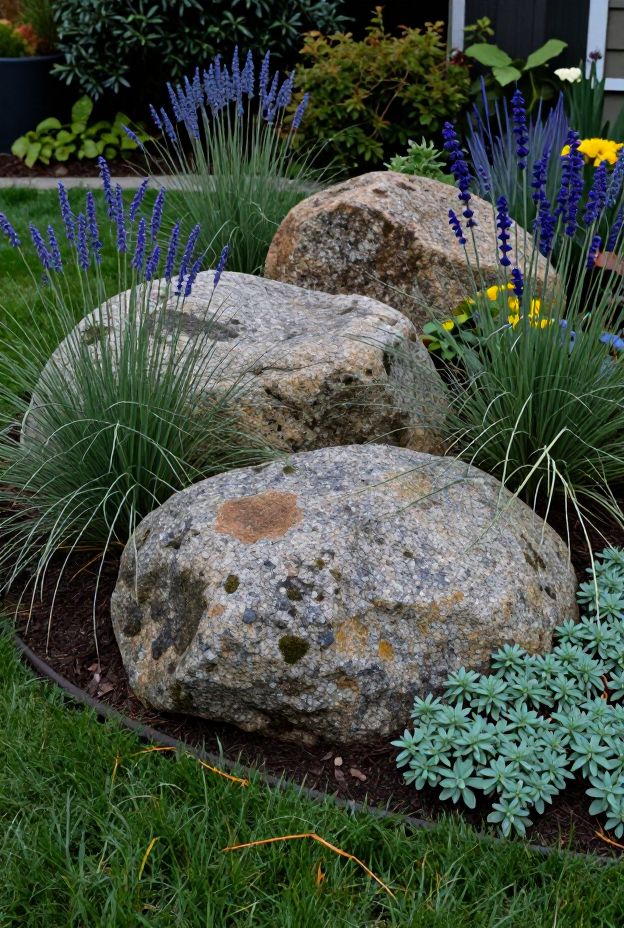
Want your yard to look like it belongs in a Pacific Northwest magazine? Pair your berm with large decorative boulders half-buried in the soil for a naturalistic, rugged look. The boulders anchor the berm visually and break up the softness of the plants in a really satisfying way.
The trick is to bury at least one-third of each boulder into the berm. Rocks just sitting on top of soil look like someone dropped them there by accident. Partially buried rocks look intentional, natural, and honestly really cool. Add ornamental grasses around the base and you’ve got something special.
5. The Layered Perennial Berm
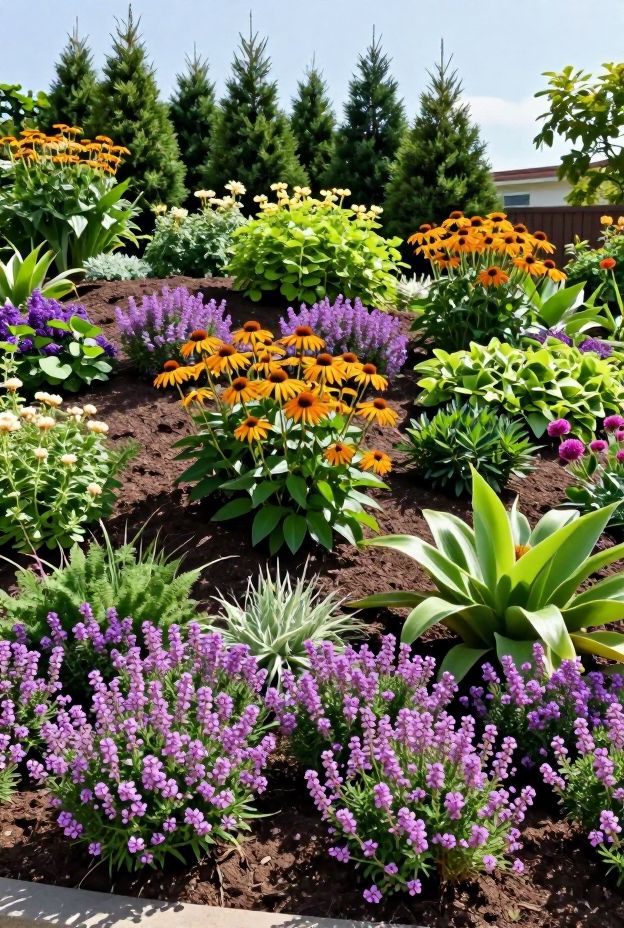
This one is all about creating a layered planting design that mimics natural hillside ecosystems. You plant taller shrubs or small trees at the top of the berm, medium-height perennials in the middle, and low groundcovers around the base. The result is a lush, tiered look that has visual interest at every level.
Great plant combinations for this approach include:
- Top tier: Dwarf conifers, ornamental cherry, or viburnum
- Middle tier: Coneflowers, salvia, or daylilies
- Base tier: Creeping thyme, sedum, or ajuga
This kind of layered berm practically takes care of itself once established. Less weeding, more admiring. That’s the goal, right? 🙂
6. The Front Yard Curb Appeal Berm
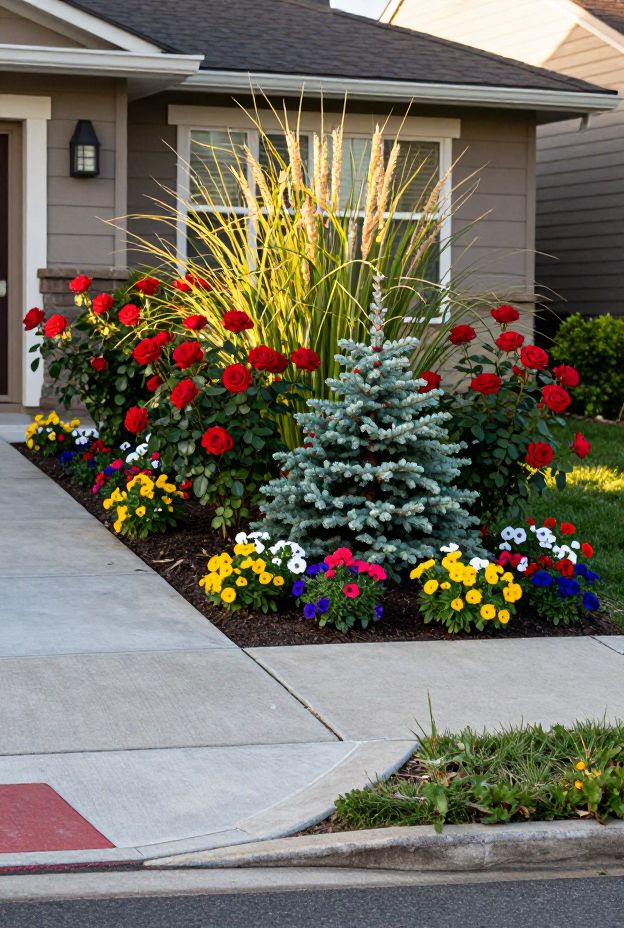
A well-designed berm in the front yard instantly elevates curb appeal and adds dimension to an otherwise flat foundation planting. Position it between the sidewalk and your home, or use it to frame the driveway entrance. Either way, you’re making a statement before anyone even knocks on the door.
For front yard berms, keep plant choices neat and well-structured. Think:
- Knockout roses for low-maintenance color
- Ornamental grasses like Karl Foerster for vertical interest
- Dwarf spruces for year-round structure
- Annual flowers tucked in for seasonal pops of color
7. The Backyard Island Berm
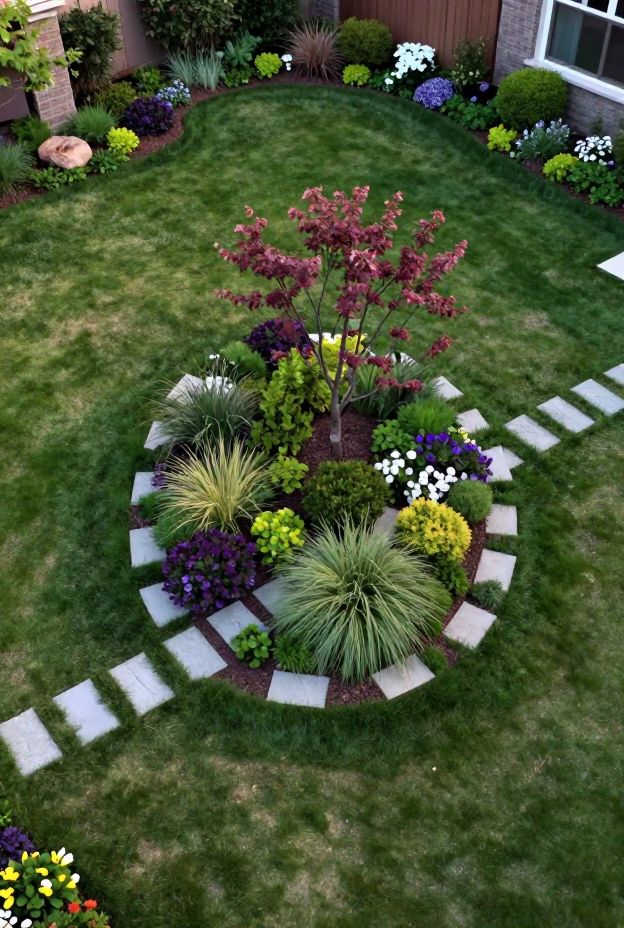
This is the idea that made me fall in love with berms in the first place. An island berm sits in the middle of your lawn like a little mountain oasis, visible from every angle. It breaks up the monotony of a large flat backyard and creates a natural gathering point for the eye.
Make this berm accessible by adding a flagstone or stepping stone path that winds around or through it. That detail transforms it from a planting bed on a hill to an actual destination in your yard. FYI, this is also a great way to recycle excess soil from other landscaping projects.
8. The Erosion Control Berm on a Slope
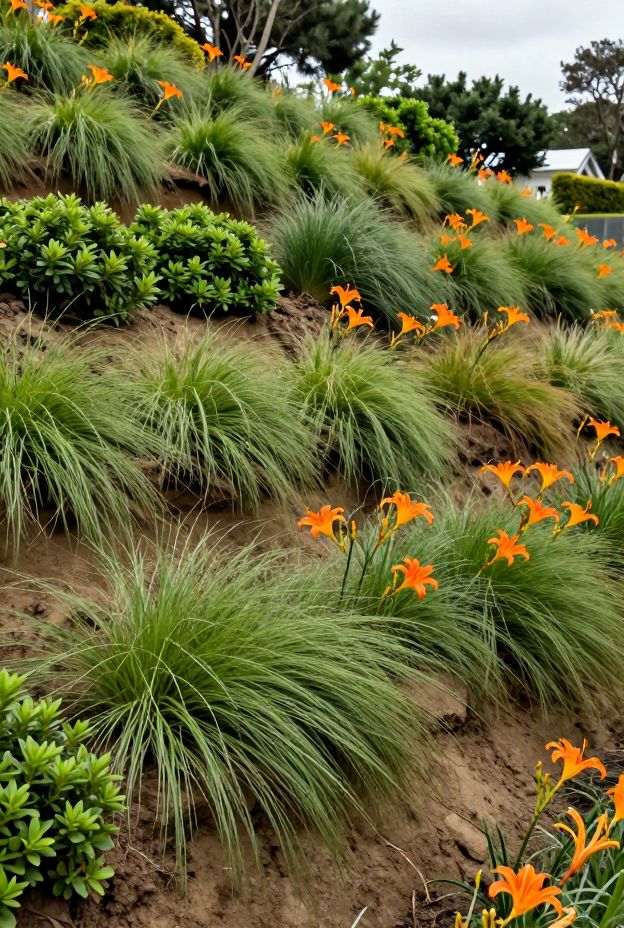
Got a slope that’s slowly washing away every time it rains? A series of smaller berms built perpendicular to the slope slows water runoff and keeps your topsoil right where it belongs. This is practical landscaping at its finest.
Reinforce these berms with deep-rooted plants like:
- Native grasses with extensive root systems
- Groundcover junipers for spreading coverage
- Daylilies for dense, erosion-fighting roots
- Wild bergamot for pollinator support
The combination of the berm structure and plant root systems works together to hold the slope through heavy rain. You’re solving a real problem and making the space look intentional at the same time.
9. The Berm as a Sound and Wind Buffer
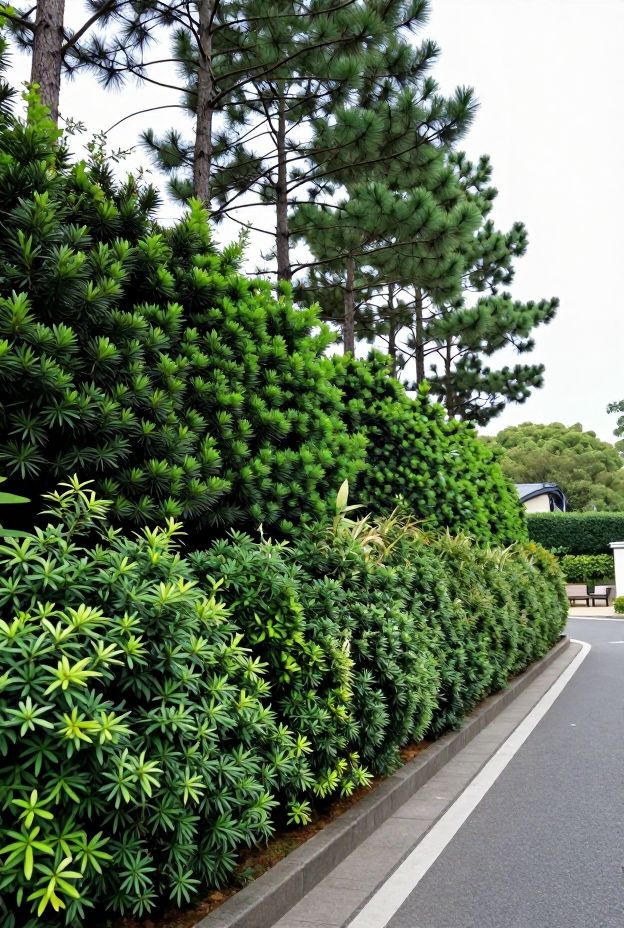
Live near a busy road? A strategically placed berm planted with dense evergreens absorbs both noise and wind far better than a fence ever could. Research suggests that a well-designed earth berm with plantings can reduce noise levels by 6 to 10 decibels, which is actually noticeable in everyday life.
For maximum effectiveness, combine:
- Berm height of 4 to 6 feet as the base barrier
- Dense evergreen shrubs like holly or yew on the slope
- Tall evergreen trees like white pine at the top
This layered defense system handles noise, wind, and visual pollution in one landscaping move. Not bad for a pile of dirt, honestly. :/
10. The Four-Season Interest Berm
Here’s where you get to show off a little. A well-planned berm can look stunning in every single season if you choose your plants strategically. Most people plan for spring and summer color, then forget that winter is coming (it always is).
Build a four-season berm with:
- Spring: Tulips, daffodils, or bleeding heart tucked into the base
- Summer: Coneflowers, rudbeckia, and ornamental grasses in full swing
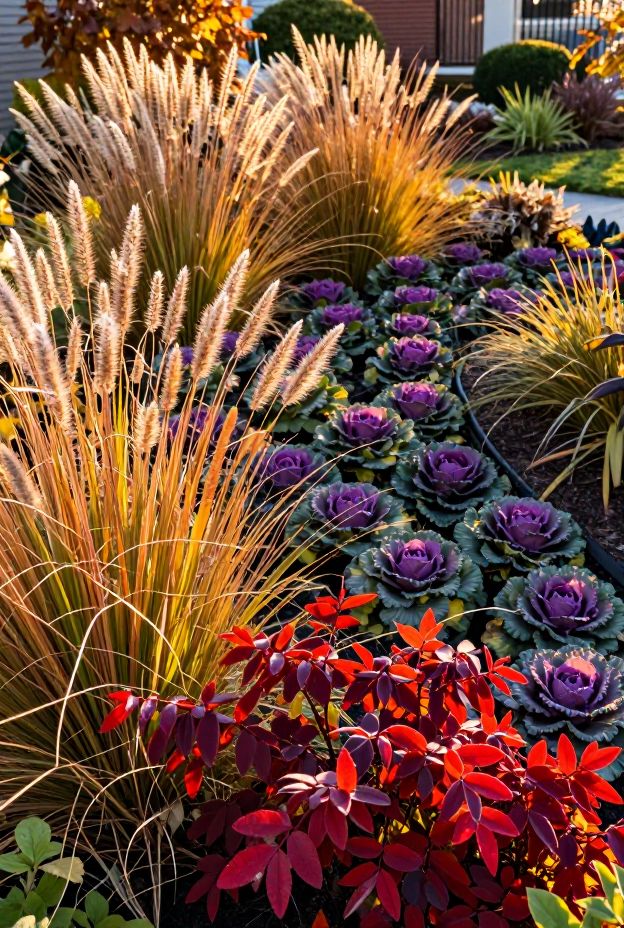
- Fall: Asters, ornamental cabbage, and grasses turning golden
- Winter: Evergreen structure, red-twig dogwood stems, and dried seed heads
Planning for winter interest is the move that separates a great berm from an average one. Those red dogwood stems against a snowy background? Absolutely worth it.
Tips Before You Start Building
Before you grab a shovel and start piling dirt in your yard, a few things are worth knowing. Call 811 before you dig to locate underground utilities. Seriously, don’t skip this step. Also, use a mix of topsoil and organic compost rather than just subsoil, which compacts badly and drains poorly.
Also consider your berm’s long-term maintenance. Steeper slopes are harder to mow around, so gentle slopes with good groundcover coverage save you effort in the long run. Mulch the entire berm heavily after planting to suppress weeds and retain moisture, especially in that first critical year.
Final Thoughts
Berms are one of those landscaping features that deliver way more than you’d expect from what is essentially shaped dirt. They add dimension, solve practical problems, create privacy, support wildlife, and make your yard look intentional and designed rather than just… there. Whether you go with a small curb appeal berm out front or a big privacy berm along the back fence, you’re making an investment that pays off visually for years.
So next time you look at your flat, uninspiring yard, remember that a little soil, some creative shaping, and the right plants can completely transform the space. Pick one idea from this list, start small if you need to, and see what happens. Your yard is already asking for it.