You look at your front garden and think, “What on earth can I even do with this?” Been there. A tiny strip of outdoor space between your front door and the pavement doesn’t exactly scream curb appeal opportunity — but trust me, it absolutely can. Whether you’re prepping for a big event (hello, wedding season!), putting your home on the market, or just tired of the sad patch of grass greeting your guests, these 12 stunning small front garden ideas will help you transform even the tightest space into something genuinely beautiful.
1. Go Vertical with Trellises and Climbing Plants
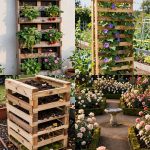
When ground space runs out, the only way is up. Vertical trellises attached to walls, fences, or even freestanding frames let you grow plants upward instead of outward, instantly adding height, structure, and a sense of lushness without stealing a single inch of your path.
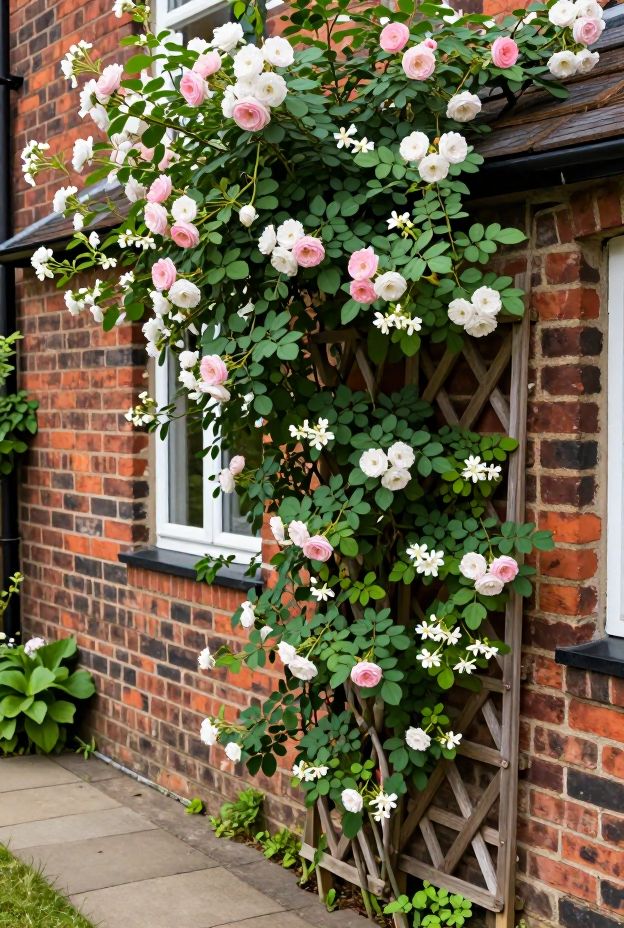
Climbing plants like jasmine, wisteria, roses, and ivy are your best friends here. Jasmine smells incredible and grows fast. Roses give you that romantic, cottage-garden vibe that makes every visitor stop and stare. Pick the one that matches your home’s personality.
- Best climbing plants for small spaces: Jasmine, clematis, climbing roses, English ivy
- Trellis placement tip: Fix them flush against the wall to keep the path wide and walkable
- Style match: Works beautifully with cottagecore, traditional, and modern garden styles
Ever wondered why some tiny front gardens look three times bigger than they actually are? Nine times out of ten, someone used vertical planting smartly. It draws the eye upward and makes the whole space feel more expansive.
2. Frame Your Entrance with Tall Slim Planters
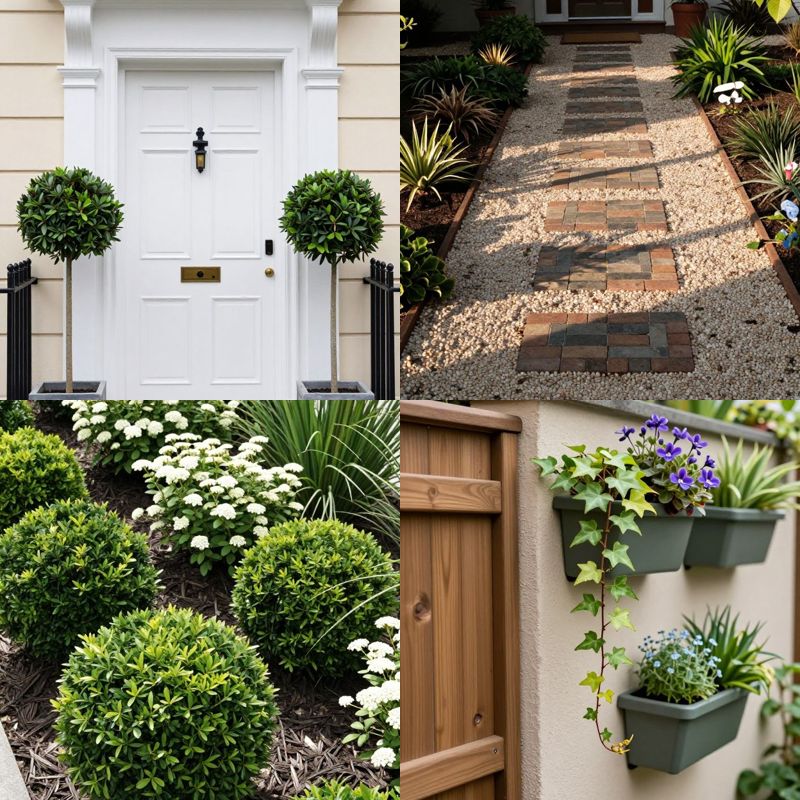
Two tall, narrow planters flanking your front door do something almost magical — they create instant symmetry and visual drama without eating up your precious floor space. Think of them as the bouncers at a very stylish club; they set the tone before anyone even knocks.
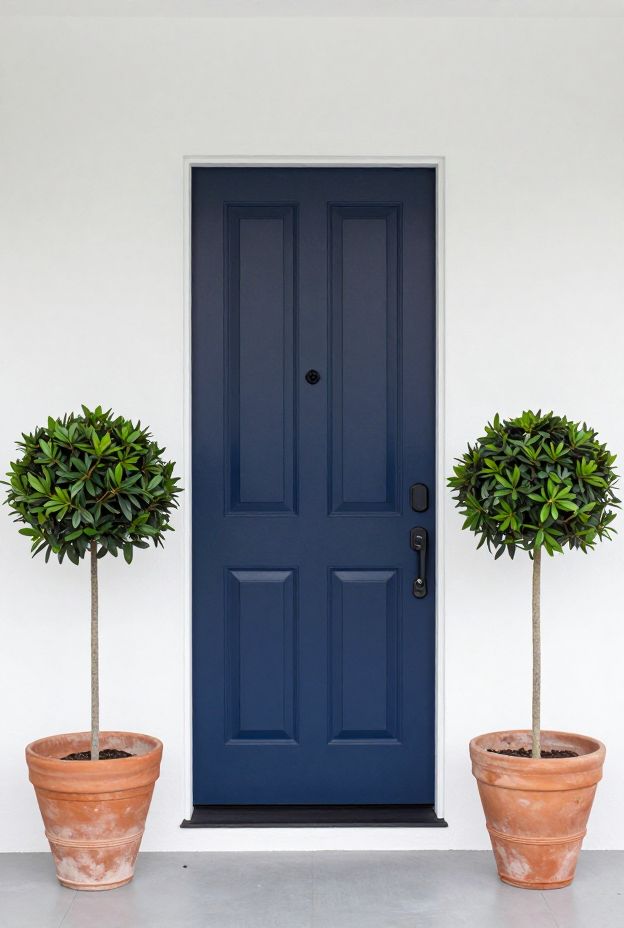
Fill them with structured plants like boxwoods, ornamental grasses, or small evergreens for a year-round polished look. The best part? You can swap out seasonal flowers in spring and autumn to keep things fresh without buying new planters.
- Best planter materials: Fibreglass (lightweight), terracotta (classic), zinc (modern)
- Top plant picks: Dwarf boxwood, lollipop bay trees, ornamental grasses
- Pro tip: Match your planter colour to your front door for a cohesive, designer look
3. Layer Your Plants for Depth and Dimension
Here’s a gardening trick that professional landscape designers use constantly: layered planting. You place low ground-cover plants at the front, medium-height perennials in the middle, and taller shrubs or grasses at the back. Simple in theory, stunning in execution.
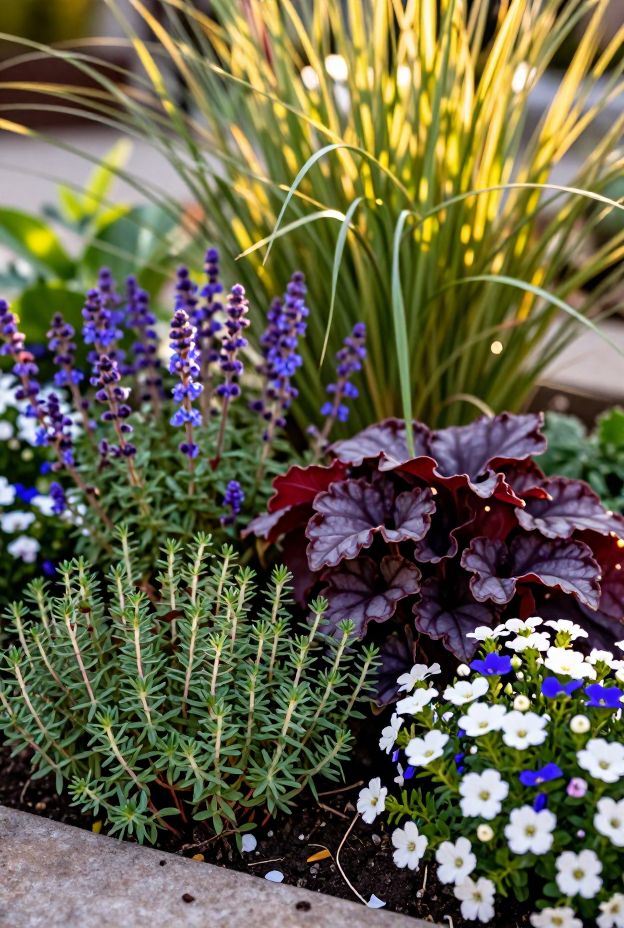
This technique creates a sense of depth that genuinely makes small spaces feel larger. Your eye naturally travels from the front layer to the back, giving the garden a sense of journey — even if that journey is about two metres long. IMO, this single trick delivers more visual impact per pound spent than almost anything else on this list 🙂
- Front layer: Creeping thyme, alyssum, sedum, or low lavender
- Middle layer: Salvia, heuchera, compact hydrangeas
- Back layer: Ornamental grasses, dwarf shrubs, or tall ornamental alliums
4. Install a Narrow Raised Bed Along the Path
A slim raised bed running parallel to your garden path is one of the most practical and good-looking upgrades you can make to a small front garden. It keeps your planting tidy, improves drainage, and lifts plants up so they’re actually visible from the street — rather than getting lost in a ground-level muddle.
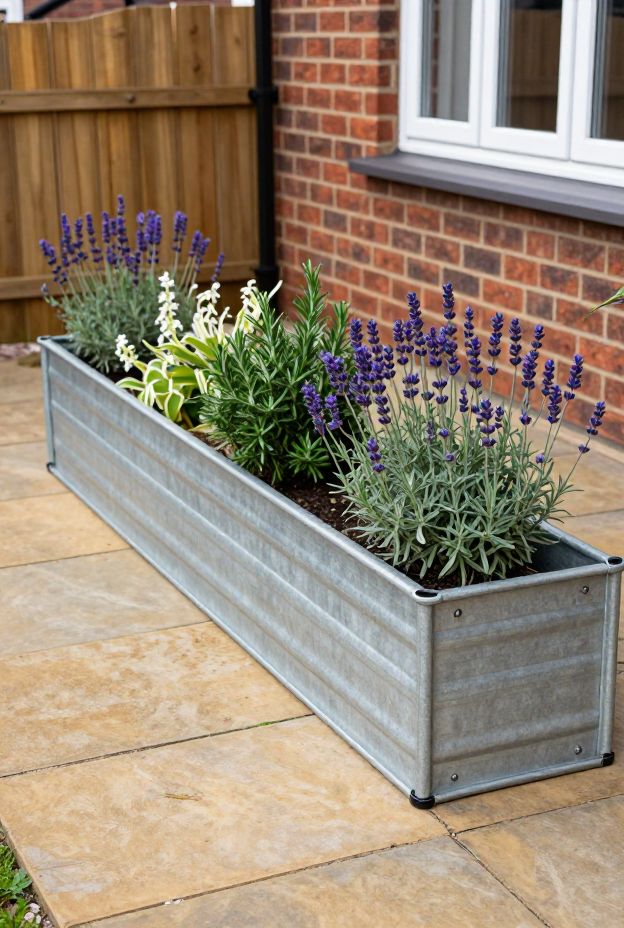
Raised beds also give you full control over your soil quality, which matters a lot if your front garden sits on compacted clay or nutrient-poor ground. Filling with quality compost and grit means your plants grow happier and healthier with less effort from you.
- Ideal raised bed width: 30 to 60 cm to keep it slim and path-friendly
- Best materials: Sleeper wood, galvanised steel, or composite boards
- What to plant: Lavender, rosemary, ornamental grasses, or seasonal bedding
5. Add Wall-Mounted Planters for Eye-Level Greenery
Got a blank wall or fence staring back at you? Put it to work. Wall-mounted planters bring greenery up to eye level and make small gardens feel layered and alive without cluttering the ground at all. It’s basically free real estate — vertical free real estate, but still.
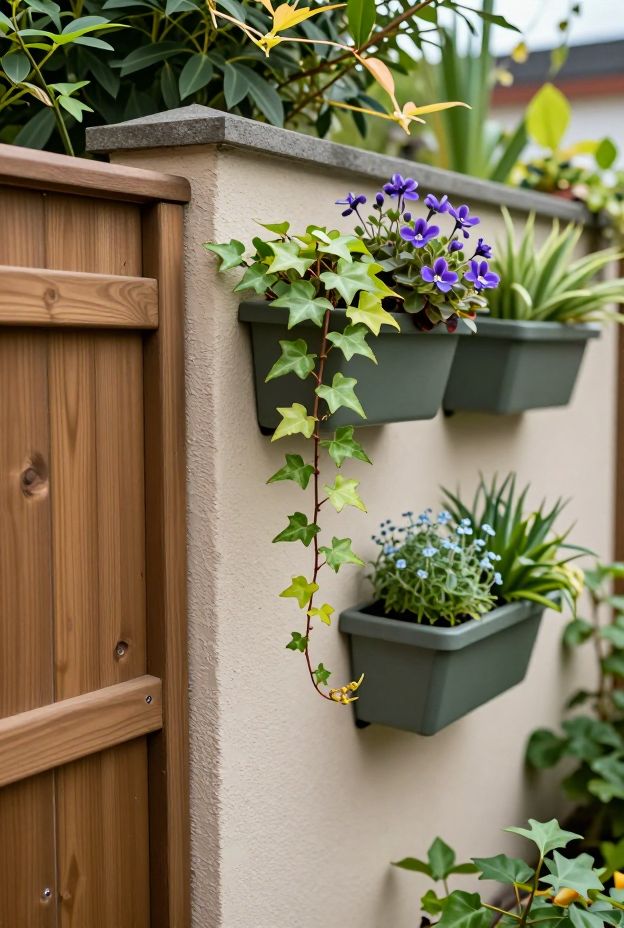
Trailing plants like lobelia, bacopa, or ivy spill beautifully over the edges and soften hard surfaces. For a more structured look, try succulents or herbs arranged in a grid pattern. Herbs also give you the bonus of fresh basil or mint whenever you need it. Practical and pretty — that’s the dream.
- Best plants for wall planters: Trailing lobelia, ivy, succulents, herbs
- Mounting options: Hook-and-bracket systems, repurposed wooden pallets, modular pocket planters
- Maintenance tip: Self-watering wall planters reduce daily care significantly
6. Choose Compact Dwarf Shrubs for Low-Maintenance Structure
Not everyone wants to be out trimming plants every weekend — and that’s completely fair. Dwarf shrubs give your front garden year-round structure and shape without demanding constant attention. Varieties like dwarf boxwood, Japanese holly, and compact azaleas grow slowly, stay naturally tidy, and never try to take over your space.
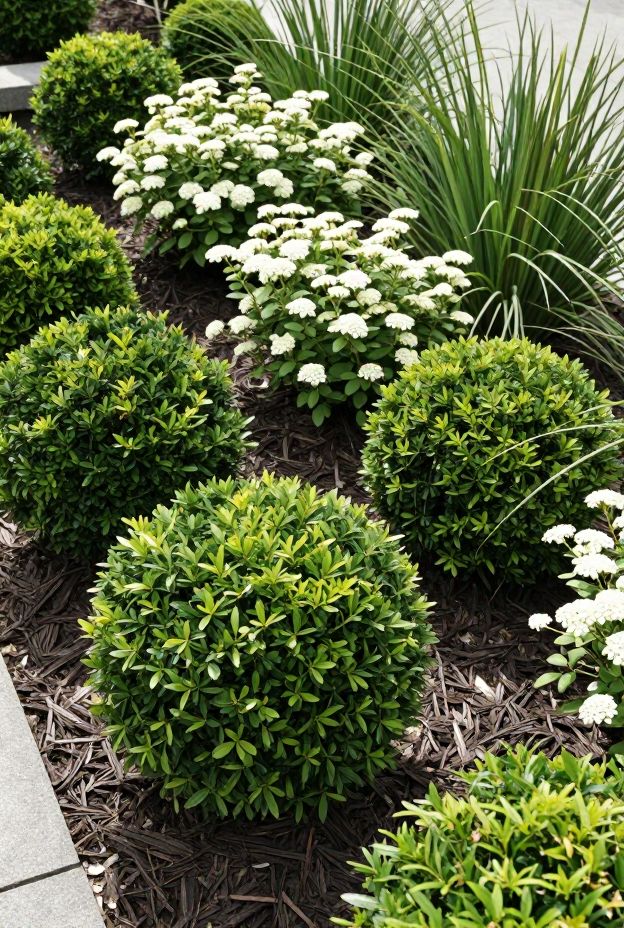
The key word here is “compact.” Regular shrubs planted in a small garden will eventually overwhelm it, and then you’re fighting a losing battle with secateurs every spring. Choose varieties specifically bred for small spaces and your future self will thank you enormously.
- Top dwarf shrub varieties: Dwarf boxwood, Nandina domestica, compact loropetalum, dwarf spirea
- Pruning frequency: Once or twice a year for most dwarf varieties
- Best placement: Corner anchors, either side of the path, or as low border edging
7. Create a Defined Pathway That Draws the Eye
A well-designed path does so much more than get you from the gate to the front door. It creates structure, defines zones, and visually elongates the garden — which is exactly what you want in a tight space. A curved path, in particular, makes a small garden feel larger because the eye follows the bend and perceives more distance.
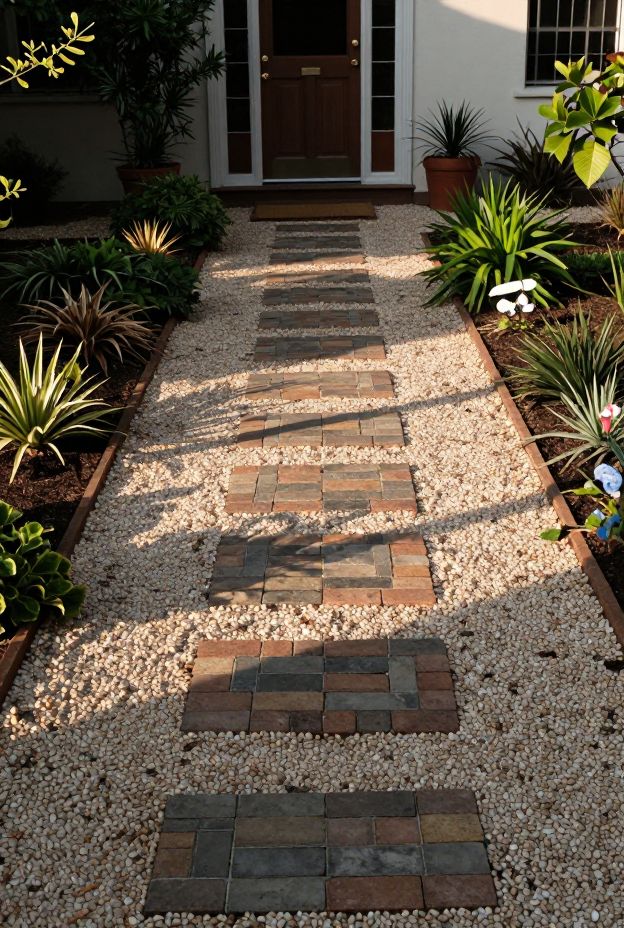
Material choice matters too. Natural stone, brick, or gravel all add texture and character that poured concrete simply can’t. Mix materials for an upscale, layered look — for example, stepping stones set into fine gravel with low planting tucked between.
- Path materials to consider: Reclaimed brick, natural sandstone, pea gravel, porcelain pavers
- Width tip: Keep paths at least 60 cm wide for comfortable walking
- Design trick: A gently curved path looks more spacious than a straight one
8. Use Symmetry for a Classic, Timeless Look
Symmetry is one of those design principles that works almost every single time. Mirroring your planting on both sides of the front door creates a balanced, elegant aesthetic that feels intentional and polished rather than accidental. FYI, this works especially well for period homes or properties with a central door.
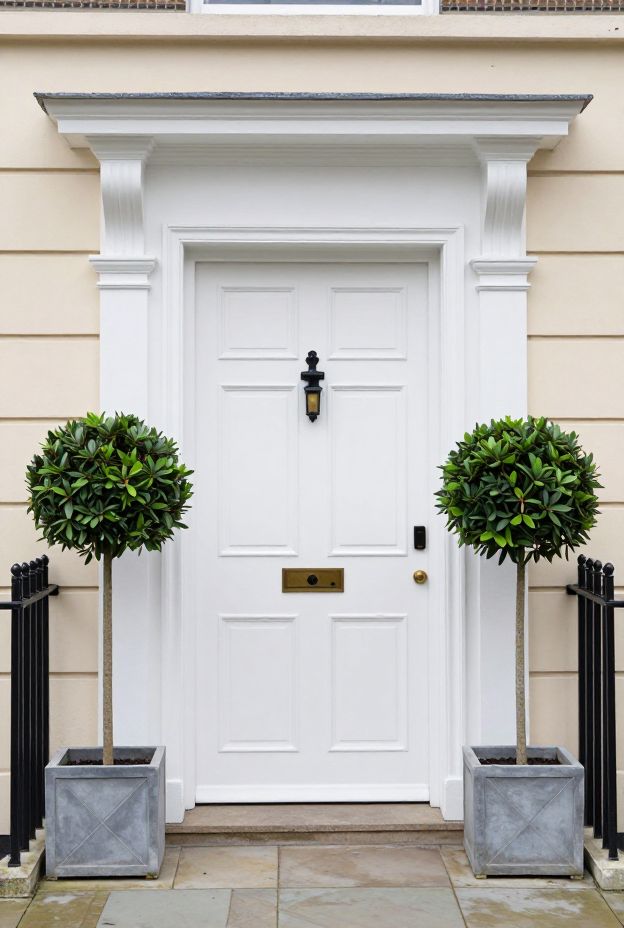
You don’t need to overthink it. Two matching topiary balls, two identical planters, or two mirrored shrub beds flanking the entrance is all it takes to achieve that classic, well-composed look. Keep the planting restrained and the impact is actually stronger for it.
- Classic symmetry plants: Box topiary, lollipop bays, matched ornamental grasses
- Works best with: Georgian, Edwardian, and traditional-style homes
- Modern twist: Use geometric concrete planters for a contemporary take on symmetry
9. Add Strategic Lighting for Evening Curb Appeal
Most people forget that their front garden needs to look good at night too — especially if you’re hosting evening events or just want the house to look welcoming after dark. Low-voltage or solar garden lights placed along the path, uplighting a feature shrub, or tucked into border planting create atmosphere and dimension that daylight simply can’t replicate.
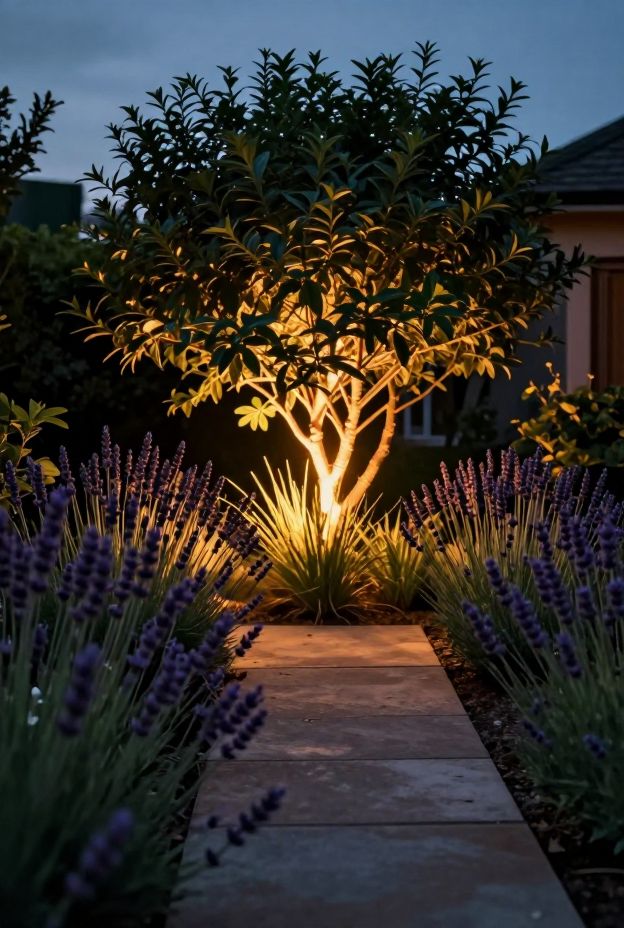
Solar-powered spike lights have improved enormously in recent years. They charge during the day and turn on automatically at dusk, which means zero running costs and no wiring headaches. Position them to highlight your best plants or to guide guests safely along the path on dark evenings.
- Best lighting types for small front gardens: Solar spike lights, LED path lights, uplighters for feature plants
- Placement tip: Light from below adds drama; light along a path adds safety and elegance
- Warm or cool? Warm white (2700–3000K) looks the most natural and inviting
10. Install a Garden Arch or Statement Gate
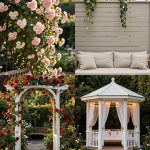
Want to make your small front garden look genuinely impressive? Add a garden arch or a decorative gate. This single vertical feature creates a defined entry point, adds height, and gives climbing plants a stunning structure to work with. It’s the kind of detail that makes people stop on the pavement and actually look.
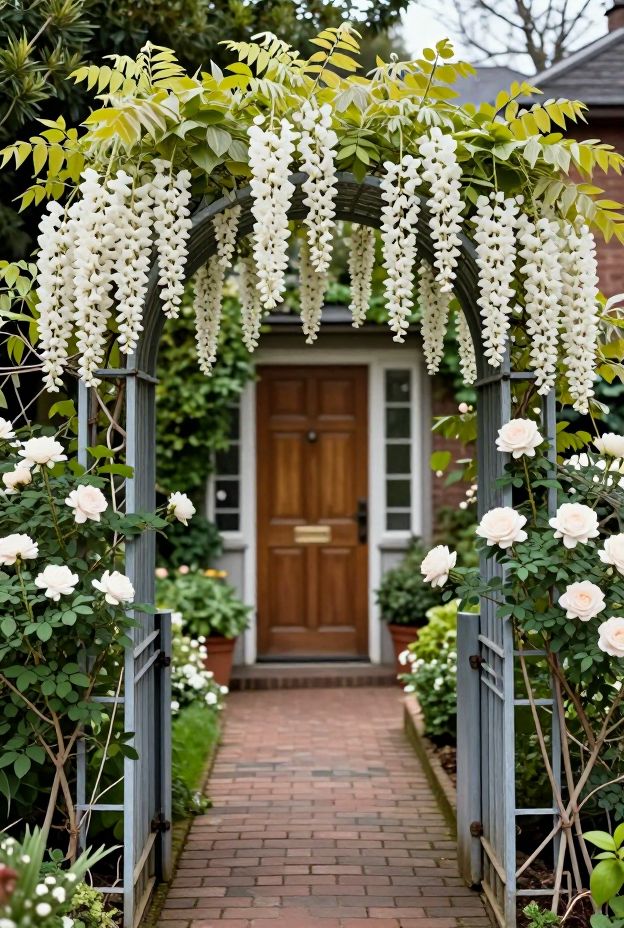
A timber arch draped in climbing roses or wisteria has a romantic, cottage-garden charm that’s hard to beat. A sleek metal arch suits more contemporary homes beautifully. Either way, you’re creating a “transition zone” between the street and your home — a little moment of theatre that makes arrival feel special.
- Best climbers for arches: Climbing roses, wisteria, clematis, honeysuckle
- Material options: Painted steel, powder-coated aluminium, rustic timber
- Proportion tip: The arch should be at least 2 metres tall to feel generous, not cramped
11. Embrace Gravel and Smart Hardscaping
Here’s one that surprises people: replacing lawn with gravel or decorative stone can actually make a small front garden look bigger and more polished. A small patch of struggling grass doesn’t add much visual value, but a neat gravel bed with carefully chosen plants dotted through it looks intentional, contemporary, and genuinely beautiful.
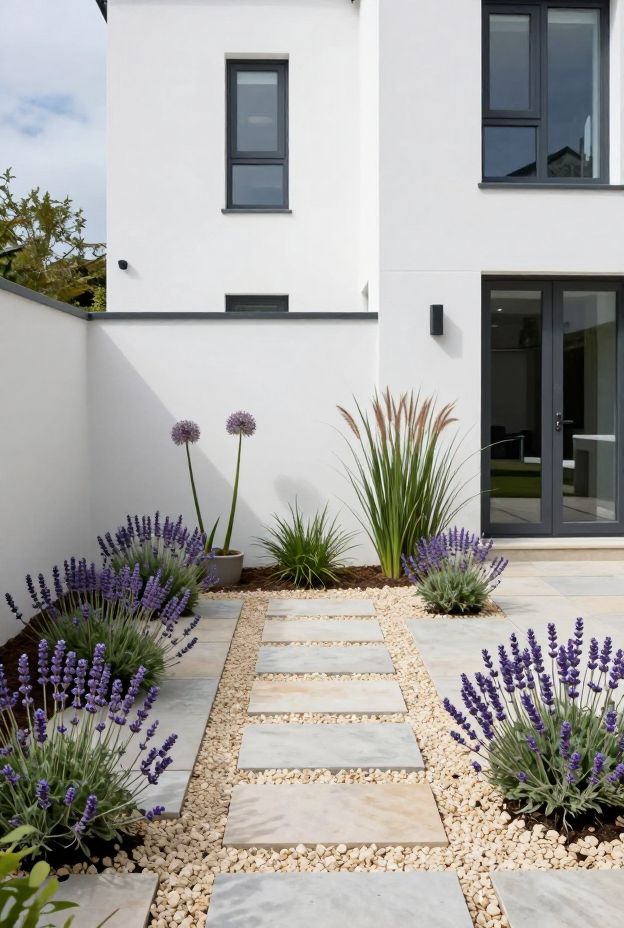
Gravel also handles drainage brilliantly, suppresses weeds when laid over membrane, and requires almost zero maintenance once it’s down. Choose a gravel colour that complements your home — warm pea gravel works well with brick, while pale limestone chips suit white or rendered properties.
- Popular gravel types: Pea gravel, slate chippings, golden flint, white limestone
- Plants that shine in gravel: Lavender, agave, ornamental grasses, alliums, echinacea
- Essential prep step: Always lay weed-suppressing membrane under gravel to save yourself future headaches
12. Use Seasonal Container Gardens for Year-Round Colour
The beauty of container gardening is its total flexibility. You can swap plants in and out with the seasons, which means your front garden always looks current, colourful, and alive — regardless of whether it’s the height of summer or the middle of winter. It’s the ultimate cheat code for perpetual curb appeal :/ (in the best way possible).
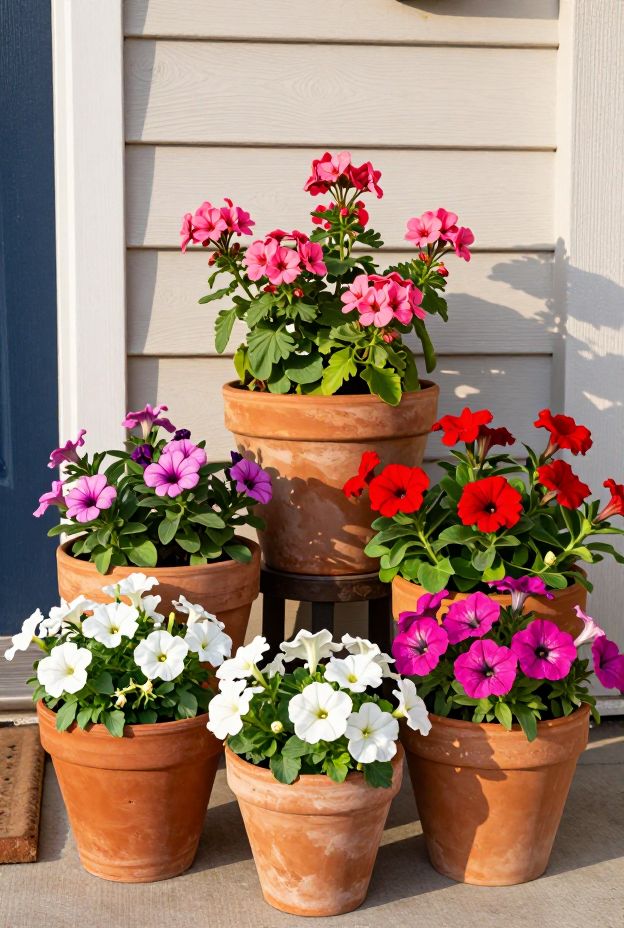
Cluster containers in odd numbers — three or five pots of different heights look far more dynamic than two identical ones sitting side by side. Mix textures, heights, and colours within your cluster for maximum impact. In winter, go for evergreen holly, cyclamen, and trailing ivy; in summer, load up with pelargoniums, petunias, and verbena.
- Spring containers: Tulips, daffodils, violas, hyacinths
- Summer containers: Pelargoniums, petunias, verbena, bacopa
- Autumn/Winter containers: Cyclamen, ornamental kale, evergreen ivy, white heather
- Grouping tip: Use one statement pot as the “hero” and two smaller ones as supporting acts
Wrapping It All Up
A small front garden is never a limitation — it’s just a design challenge waiting for a smart solution. Whether you go all-in with a garden arch and climbing roses or simply add a pair of elegant tall planters, every single one of these ideas can transform your front garden’s curb appeal without requiring a huge budget or a landscaping degree.
Start with one or two ideas that excite you most and build from there. The best front gardens are the ones that feel personal, not like a show home catalogue. So pick the ideas that actually speak to your style, get your hands a little dirty, and enjoy the process. Your front garden is the first hello your home gives the world — make it a good one.