Let’s be honest — a flat patch of soil with some stakes and string is not exactly the stuff of garden dreams. If you’ve been staring at your vegetable patch wondering why it looks like a sad construction site, I’ve been there too. Raised garden beds changed everything for me, and once you see these 11 stunning ideas, you’ll wonder how you ever grew tomatoes without them.
1. Classic Cedar Wood Raised Beds
Cedar is the OG of raised garden beds, and for good reason. Cedar wood naturally resists rot, insects, and decay — no chemical treatments needed. I built my first cedar bed about three years ago and it still looks gorgeous today. It weathers to a beautiful silver-grey over time, which honestly adds character rather than looking worn out.
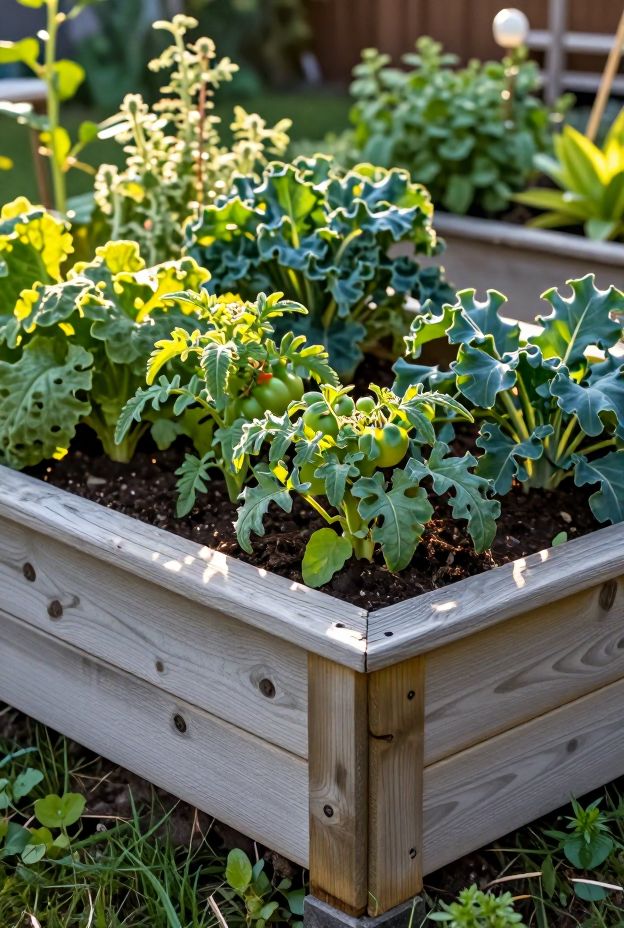
What makes cedar so special for vegetable growing is how it handles temperature. Unlike metal, cedar doesn’t heat up rapidly in the sun, which means your soil stays more stable throughout the day. That stability translates directly into happier roots and better harvests. If you’re a first-time raised bed builder, cedar is your safest bet.
- Best for: Beginner gardeners, all climates
- Lifespan: 10–20 years with minimal maintenance
- Ideal dimensions: 4×8 feet, 12–24 inches deep
2. Galvanized Steel Raised Beds
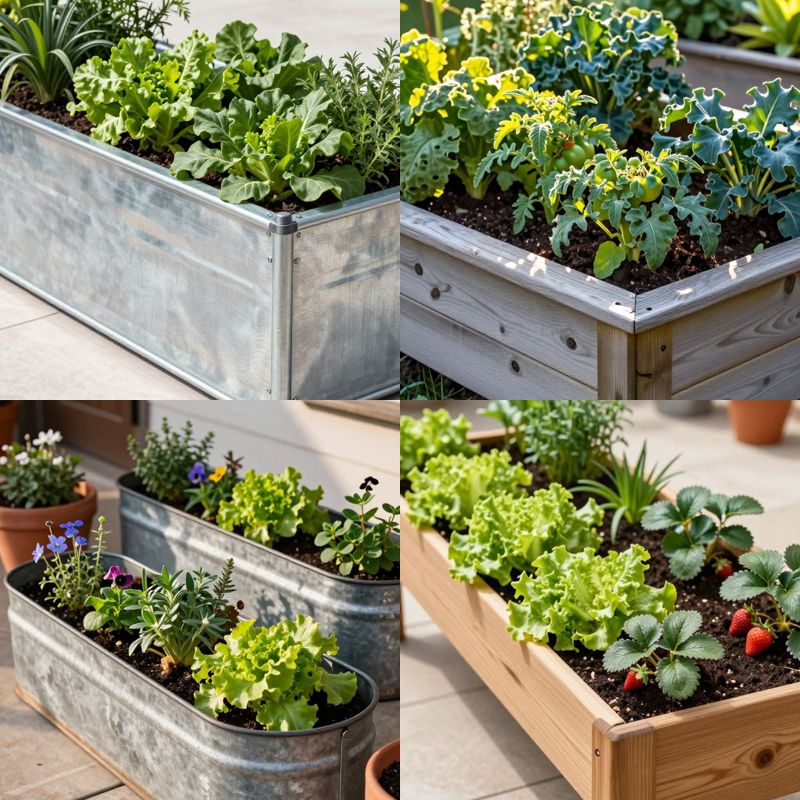
Want your vegetable patch to look like it belongs in an architectural magazine? Galvanized steel raised beds bring that sleek, modern industrial aesthetic that cedar simply can’t match. They’re rust-resistant, incredibly durable, and they warm up your soil faster in spring — which means earlier harvests. FYI, galvanized steel does not leach harmful chemicals into your soil, so your veggies stay clean and safe.
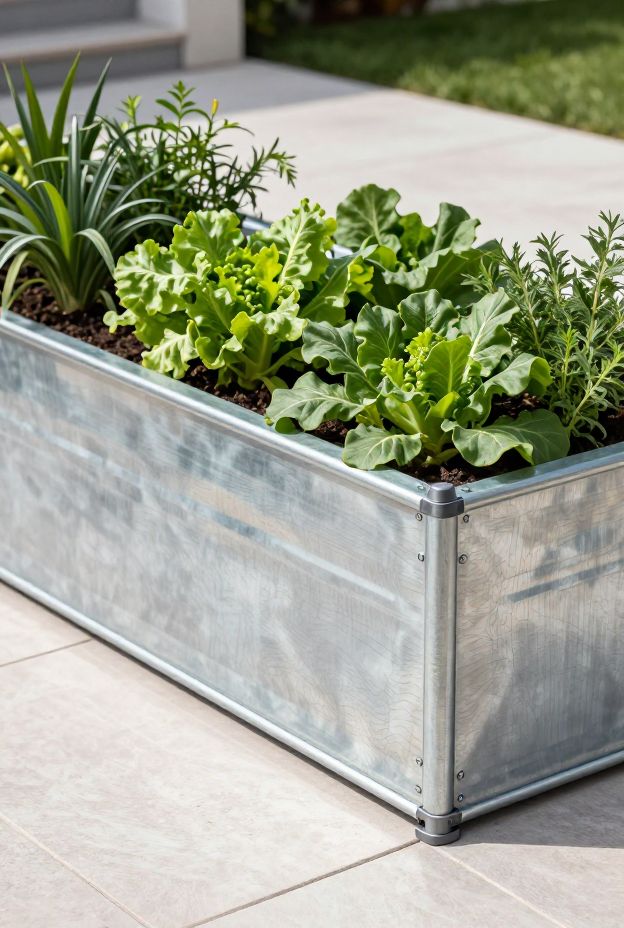
The one thing I’ll mention is that metal beds can get hot in peak summer. Mulching heavily and watering more frequently during heatwaves keeps your plants from stressing out. If you live in a milder climate, though, metal beds are almost maintenance-free. They’re also sharper at the edges, which naturally deters pests from crawling in — a sneaky but effective bonus.
- Best for: Modern garden aesthetics, cooler climates
- Pro tip: Add a thick layer of mulch to regulate soil temperature
- Bonus: Sharp edges deter snails and slugs naturally
3. U-Shaped Raised Garden Beds
Ever tried reaching the center of a wide garden bed without stepping on your plants? It’s a disaster waiting to happen — one misstep and your prize courgette is history. U-shaped raised garden beds solve this problem completely by giving you access to every single plant from the open center. You can stand or sit right in the middle and tend to everything without contorting your back into a pretzel.
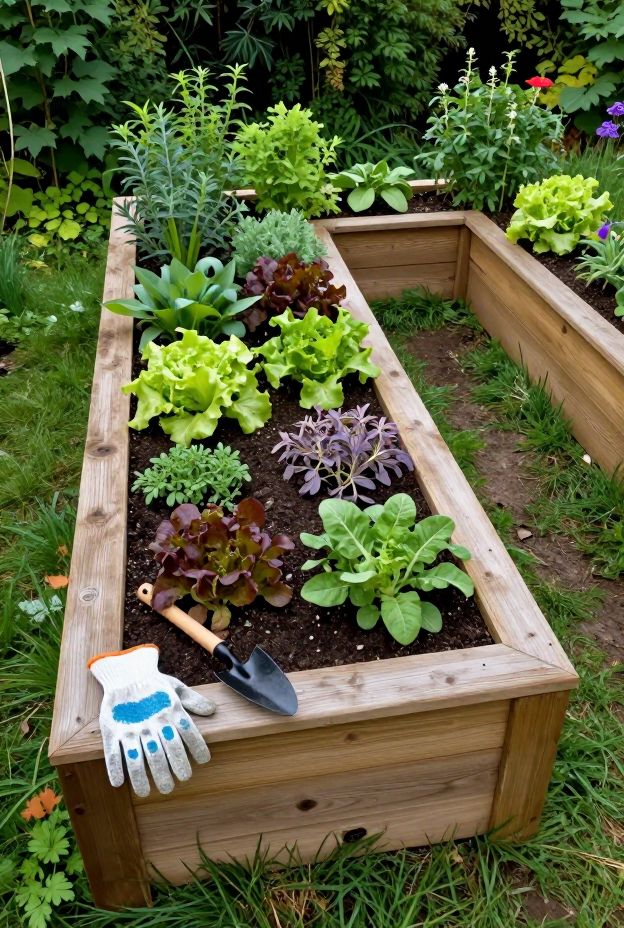
The U-shape also creates a natural windbreak for your plants when positioned strategically. Cedar or redwood works beautifully for this configuration, and the recommended height sits between 12 and 24 inches for most vegetables. This design works especially well for herbs and salad greens, where you want to harvest frequently without disturbing neighboring plants.
- Best for: Herb gardens, salad patches, frequent harvesters
- Height recommendation: 12–24 inches
- Access benefit: Reach every plant without stepping in soil
4. Tiered Terraced Raised Beds
If your backyard has a slope, stop fighting it — work with it. Tiered terraced raised beds turn an awkward gradient into a jaw-dropping garden feature that looks totally intentional. Each tier creates a different growing zone, so you can play with microclimates, drainage levels, and sun exposure all in one structure. It’s basically a vertical vegetable kingdom, and I am here for it 🙂
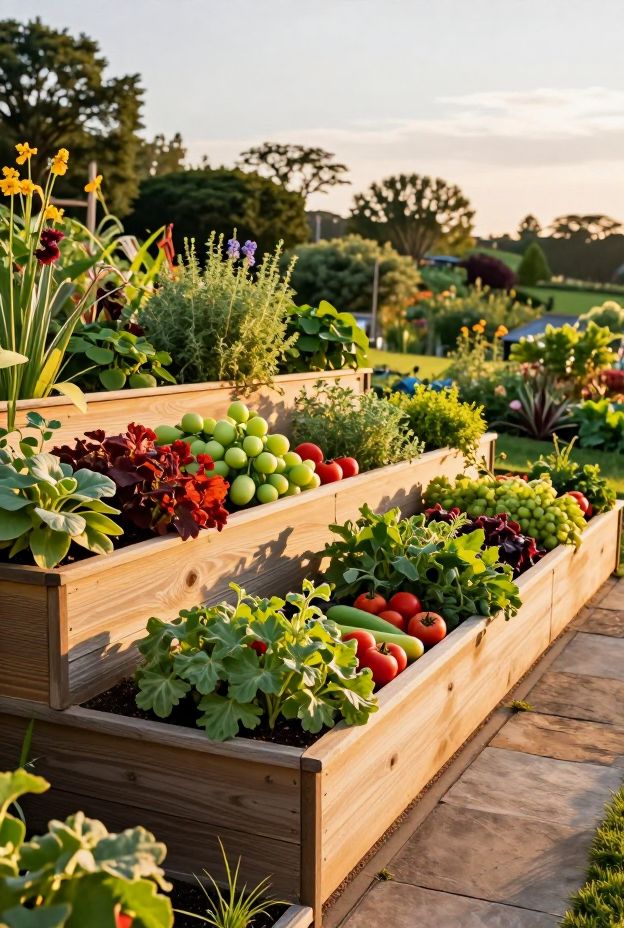
Beyond the visual drama, tiered beds offer excellent drainage control — water flows naturally from the top tier downward, feeding each level as it goes. Taller plants like tomatoes or sunflowers can sit on the lower tiers without blocking sun from shorter crops above. The overall effect is genuinely stunning and adds serious structure to a garden that might otherwise look flat and uninspiring.
- Best for: Sloped gardens, maximizing visual impact
- Plant strategy: Tall plants on lower tiers, compact crops on upper tiers
- Drainage: Natural downward flow feeds every level
5. Elevated Table-Style Raised Beds
Your back has put up with a lot. Bent over in the rain, on your knees in the mud — gardening can be brutal on your body. Elevated table-style raised beds sit at waist height, letting you garden while standing comfortably upright. For anyone with mobility issues, back problems, or just a strong preference for not kneeling in cold soil, these beds are an absolute revelation.
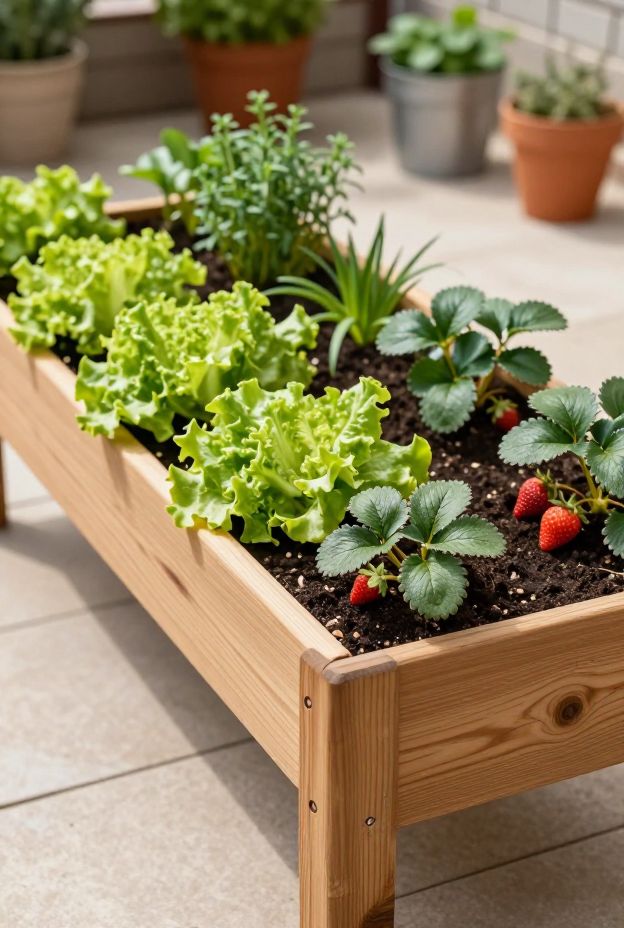
These work brilliantly on patios, balconies, and even decking areas where ground-level beds aren’t an option. Most table-style beds include built-in drainage systems to prevent waterlogging. They do tend to dry out faster than ground-level beds, so consistent watering is key. Herbs, lettuce, strawberries, and shallow-rooted vegetables thrive in these setups.
- Best for: Gardeners with mobility challenges, patio or balcony setups
- Water tip: Check moisture more frequently as elevated beds dry faster
- Top crops: Lettuce, herbs, strawberries, radishes
6. Keyhole Garden Beds
A keyhole garden bed is circular with a narrow wedge-shaped path cut into the center — giving you that characteristic keyhole shape when viewed from above. The genius of this design is total accessibility — you can reach the middle of the circle from the central path without stretching or stepping into the bed at all. It’s efficient, compact, and looks incredibly intentional in any garden layout.
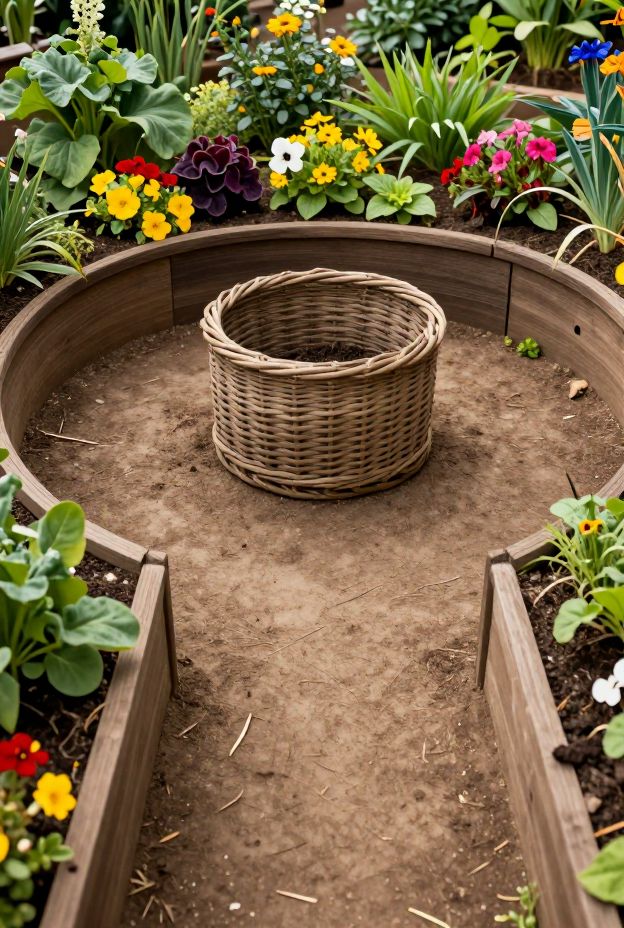
Many keyhole designs include a central composting basket that feeds nutrients directly into the surrounding soil as you water. You literally compost and fertilize your garden at the same time — now that’s working smarter, not harder. This design originated in African permaculture practices and has been adapted globally for good reason. Compact but highly productive, it punches well above its weight.
- Best for: Small gardens, permaculture enthusiasts
- Feature: Central compost basket for integrated fertilization
- Ideal diameter: 6 feet for easy center reach
7. Stock Tank and Cattle Trough Raised Beds
Okay, I know what you’re thinking — cattle troughs? In my garden? But hear me out. Repurposed galvanized stock tanks make some of the most charming and characterful raised beds you’ll ever see. They’re sturdy, deeply cool in an industrial-farmhouse kind of way, and cost significantly less than purpose-built raised garden beds of the same size. I spotted a pair at a farm supply store and immediately thought: vegetable garden.
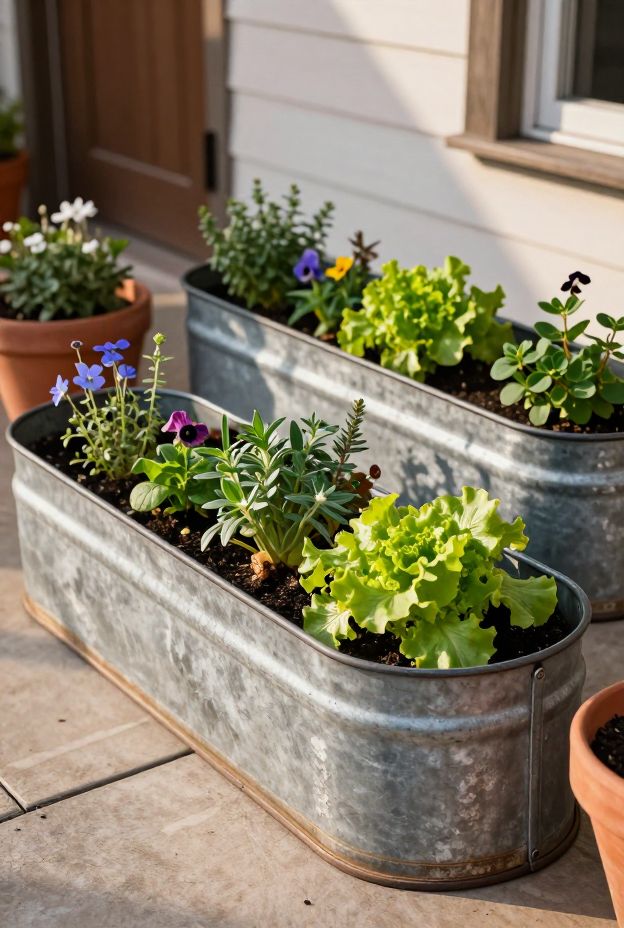
The metal sides warm your soil earlier in spring, extending your growing season noticeably. Most troughs sit at an ideal height for herbs, salad greens, and edible flowers without any modification. Just drill drainage holes in the base, fill with quality soil, and you’re growing. IMO, these make the most visually interesting raised beds precisely because they’re unexpected — guests always comment on them.
- Best for: Herbs, salad greens, edible flowers
- Setup tip: Drill 6–8 drainage holes in the base before filling
- Bonus: Earlier soil warming extends the growing season
8. Modular Metal Raised Beds
What if your garden layout needs to change every season? Modular metal raised beds let you reconfigure your entire setup without dismantling and rebuilding from scratch. Individual panels connect together to form whatever shape or size you need — a long row this year, an L-shape next year. It’s like adult Lego, but with vegetables growing inside. Who wouldn’t love that?
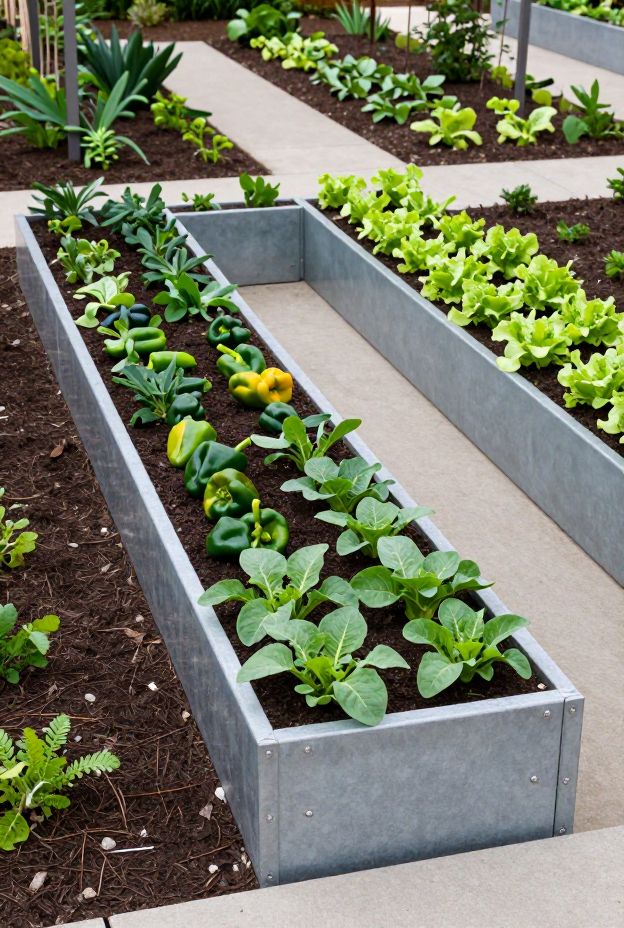
The best modular systems use non-toxic, corrosion-resistant coated metal that won’t leach anything harmful into your soil. Heights typically range from 12 to 24 inches, giving deep-rooted vegetables plenty of room to grow. Assembly is manageable for one person, though a second pair of hands does speed things up significantly. If you’re someone who loves to experiment with garden layouts, modular beds are your new best friend.
- Best for: Experimental gardeners, renters, evolving layouts
- Key feature: Reconfigurable panels for changing designs
- Available heights: 12 to 24 inches for varied root depths
9. Hexagonal Raised Garden Beds
Round is nice. Square is fine. But hexagonal? Hexagonal raised garden beds are a complete showstopper and one of the most underrated designs in the vegetable gardening world. The six-sided shape lets you cluster multiple beds together with almost no wasted space between them — like a giant honeycomb layout that both looks incredible and maximizes your planting area.
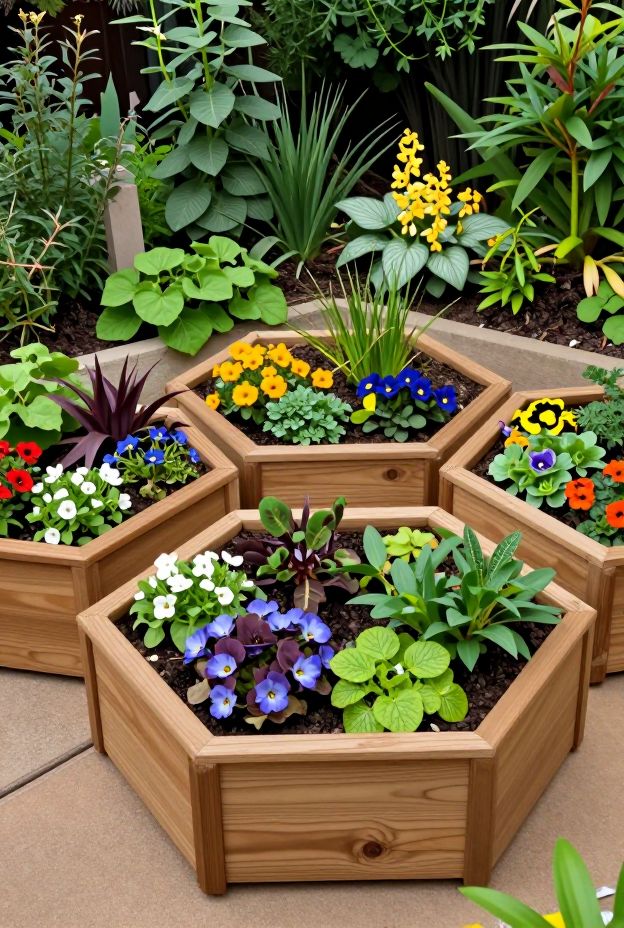
Each hexagonal bed provides easy all-round access from every side, making maintenance effortless. They work brilliantly with companion planting layouts since the shape naturally encourages you to group complementary plants together. Build them from cedar planks or use pre-cut kits available online. Once you go hexagonal, a boring rectangular bed just doesn’t cut it anymore :/
- Best for: Companion planting, visually creative gardens
- Layout tip: Cluster multiple hexagons together for a honeycomb effect
- Material recommendation: Cedar or redwood for natural aesthetics
10. Vertical Stackable Raised Beds
Got a tiny garden? A balcony? A postage-stamp patio? No problem. Vertical stackable raised beds grow upward instead of outward, giving you serious planting capacity in minimal floor space. Stack two or three tiers and suddenly you have room for strawberries, herbs, lettuce, and trailing nasturtiums all within a 2-square-foot footprint. Space efficiency doesn’t get much better than this.
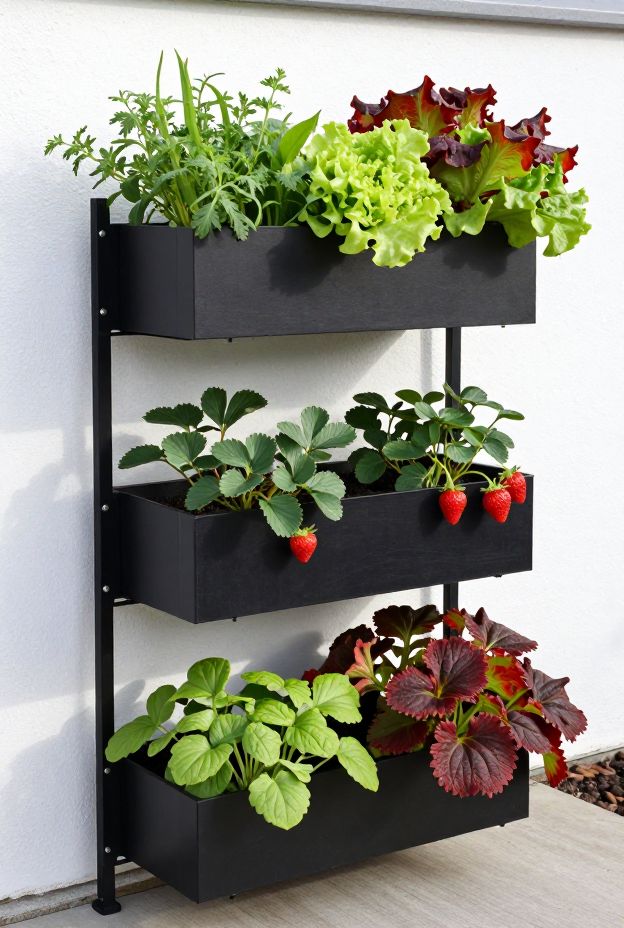
The stacked tiers allow for different soil mixes at different heights, which is incredibly useful for plants with varying nutrient needs. Shallow-rooted crops like lettuce and herbs sit happily in upper tiers, while deeper configurations at the bottom accommodate root vegetables. Water flows naturally downward through each level, reducing waste. For urban gardeners especially, stackable beds are nothing short of a game changer.
- Best for: Urban gardens, balconies, tiny outdoor spaces
- Watering tip: Top-down watering feeds all tiers simultaneously
- Top crops per tier: Herbs and lettuce up top, root veg on lower levels
11. Curved and Circular Raised Beds
Straight lines are practical. Curves are poetic. Circular and curved raised garden beds soften the hard geometry of most backyards and create an organic, flowing look that feels genuinely inviting. A well-placed circular bed at the center of your vegetable patch becomes an instant focal point — the kind of thing that makes people stop and say “wait, did you design this yourself?”
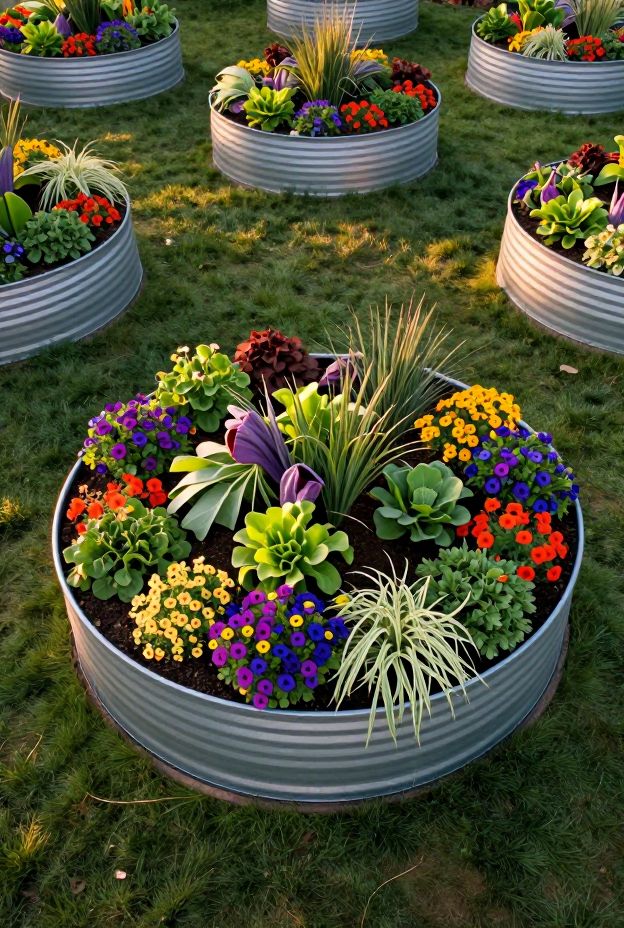
Curved beds work with flexible materials like galvanized steel sheeting, corrugated metal, or thin cedar boards that can be bent gently into shape. The rounded design is also incredibly practical — no awkward corners where soil compacts and water pools. Pair a large circle with smaller satellite beds arranged around it for a layout that looks professionally designed, even if you figured it out on a Sunday afternoon with a tape measure and some string.
- Best for: Decorative gardens, creating visual focal points
- Material tip: Use flexible corrugated metal or thin cedar for curves
- Layout idea: Central circle with smaller satellite beds for a stunning arrangement
Which Raised Bed Should You Choose?
The right raised bed depends entirely on your space, your style, and how much time you want to spend maintaining it. Cedar beds win for natural warmth, repairability, and beginner-friendliness. Metal beds win for longevity, modern aesthetics, and pest resistance. Elevated and U-shaped designs win for accessibility. And if you’re working with limited space, vertical or modular systems open up possibilities you didn’t think existed.
Here’s the thing — there’s no wrong choice. Every single option on this list beats a flat patch of ground-level soil. Raised beds give you better drainage, warmer soil, fewer weeds, and a dramatically more attractive garden, no matter which style you pick. Start with one bed, nail your technique, then expand from there. Your vegetable patch deserves an upgrade, and honestly, so do you.