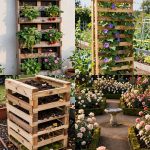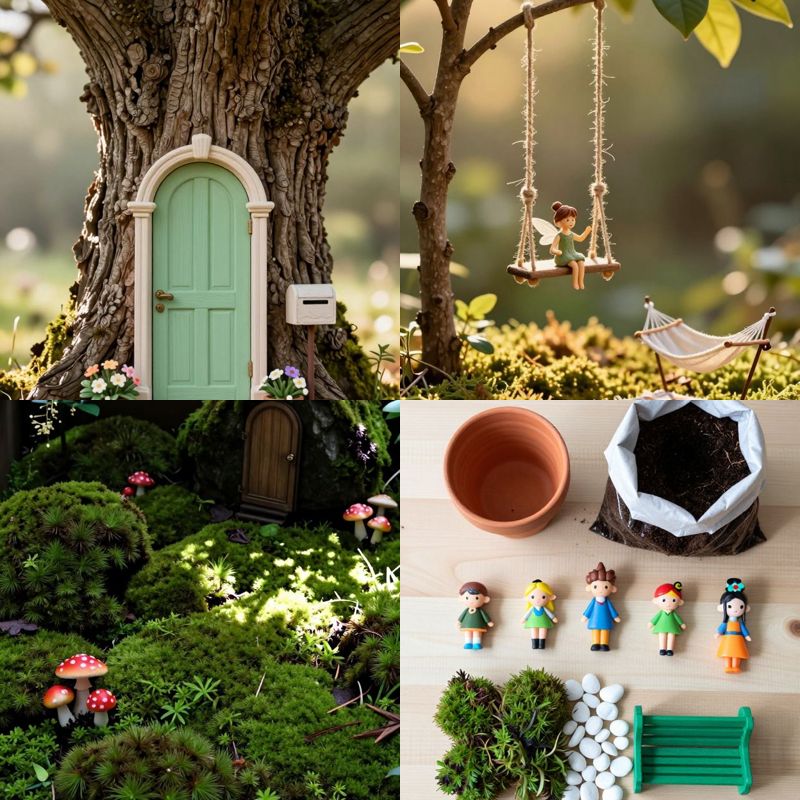
Okay, let me be honest — the first time I stumbled across a fairy garden at a local nursery, I stood there like a wide-eyed five-year-old for a solid ten minutes. Tiny little houses, mossy pathways, and itty-bitty lanterns? Absolutely irresistible. Whether you’re looking to create a magical corner in your backyard or a whimsical centerpiece for your living room, fairy gardens are one of those rare hobbies that genuinely bring joy to everyone — kids, adults, and even that one neighbor who pretends not to care but definitely peeks over the fence.
Here are 15 magical fairy garden ideas that’ll spark your creativity and maybe even make you question why you haven’t started one already.
1. The Classic Miniature Cottage with a Pebble Path
Nothing says “fairy garden” quite like a tiny thatched cottage nestled among soft green moss. You can pick up miniature resin cottages at most craft stores, or even paint your own using air-dry clay — the imperfections just add more charm.
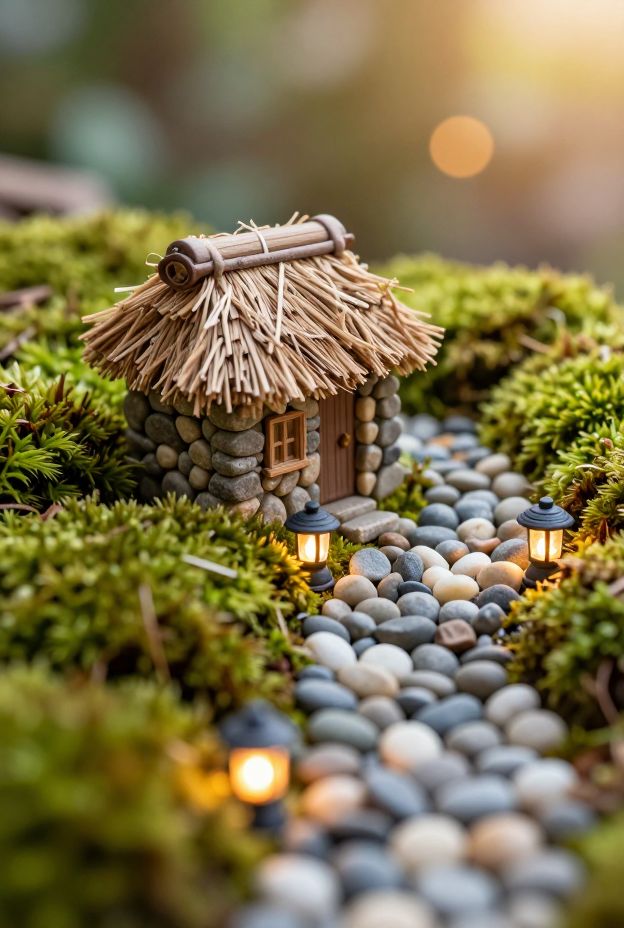
Lay a winding path using small pebbles or gravel from your driveway (yes, really) to give it that storybook feel. Add a few miniature lanterns along the path and you’ve basically built Hobbiton in your garden bed.
What You’ll Need
- A shallow planter or garden bed section
- Miniature cottage figurine or DIY clay house
- Small pebbles or gravel for the path
- Sheet moss or Irish moss groundcover
- Miniature solar lanterns
2. The Teacup Fairy Garden
This one is perfect for small spaces, and honestly, it’s one of the most adorable things you’ll ever put on a windowsill. Grab an oversized vintage teacup — thrift stores are gold mines for these — and plant it up with tiny succulents or moss.
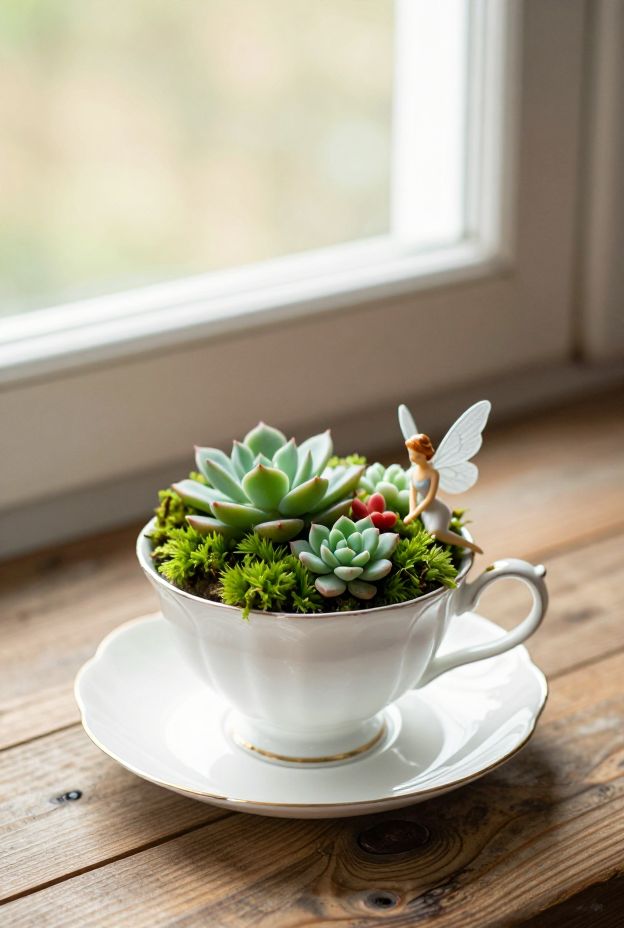
Add a miniature fairy figurine sitting on the rim, and boom, you’ve got a conversation piece that costs under $10 to make. IMO, this is the best beginner fairy garden project out there because it’s low-commitment and high-reward.
3. A Moss and Fern Forest Floor
If you want something that looks like it belongs in an enchanted woodland, go heavy on the living moss and miniature ferns. This style creates a lush, deep-forest vibe that photographs beautifully and stays relatively low maintenance.
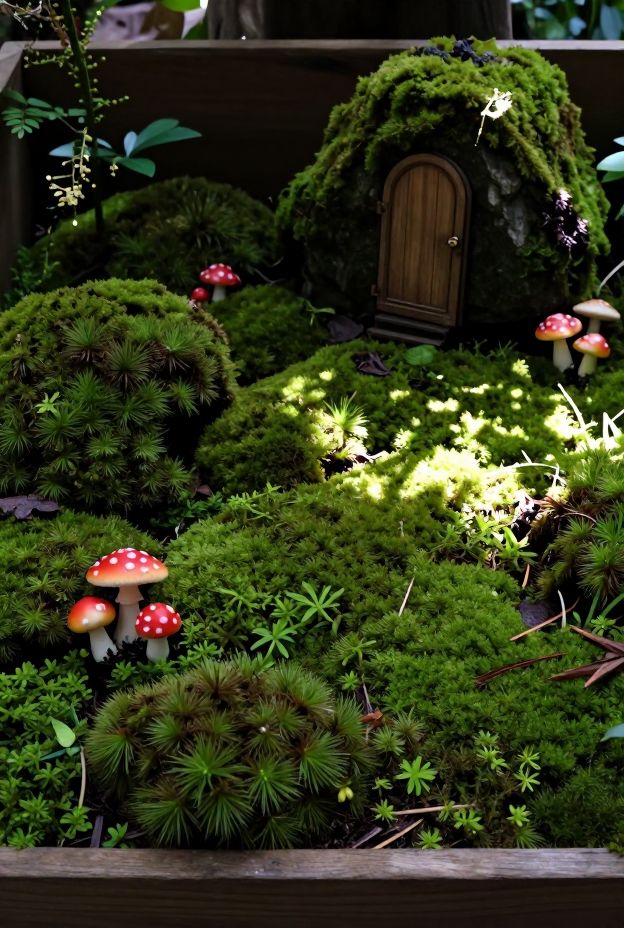
Layer different types of moss — cushion moss, sheet moss, and clump moss — for texture. Tuck in a few tiny mushroom figurines and a wooden fairy door at the base of a tree or large rock, and you’re basically creating a scene straight out of a fantasy novel.
4. The Fairy Door on a Tree Trunk
Ever looked at the base of a big old tree and thought, “Something magical lives in there”? Well, now you can make it official. Fairy doors are small decorative doors you mount at the base of a tree trunk, and they look genuinely enchanting.
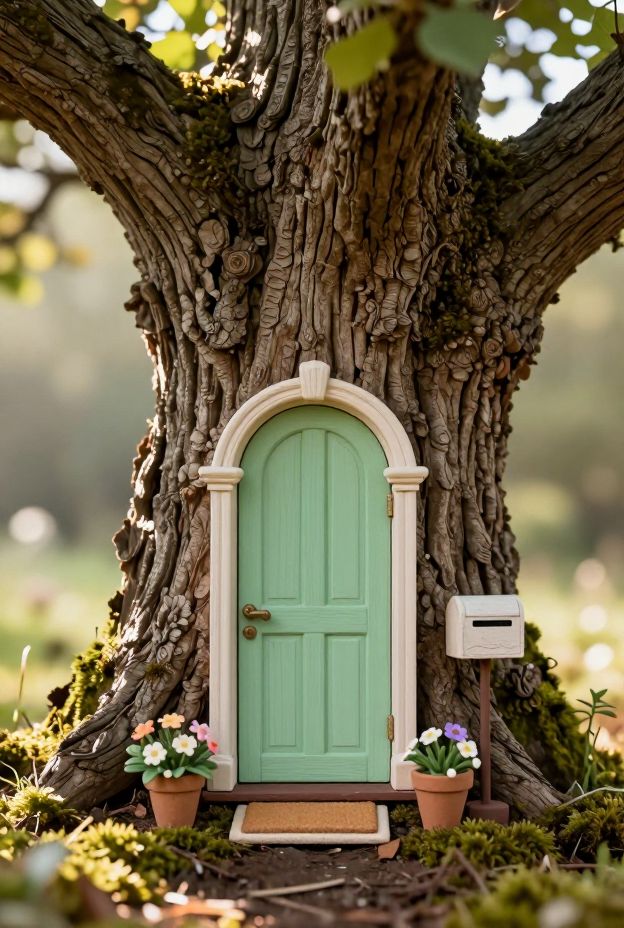
You can buy hand-painted wooden ones or DIY them using craft wood and acrylic paint. Surround the door with tiny potted plants, a miniature welcome mat, and maybe a teeny-tiny mailbox. Kids absolutely lose their minds over this one, and honestly, so do adults.
5. The Tiny Pond with a Pebble Bridge
A miniature pond adds a whole new dimension to any fairy garden. Use a shallow dish or a small resin basin filled with water, and drop in a few aquatic pebbles and a tiny lily pad.
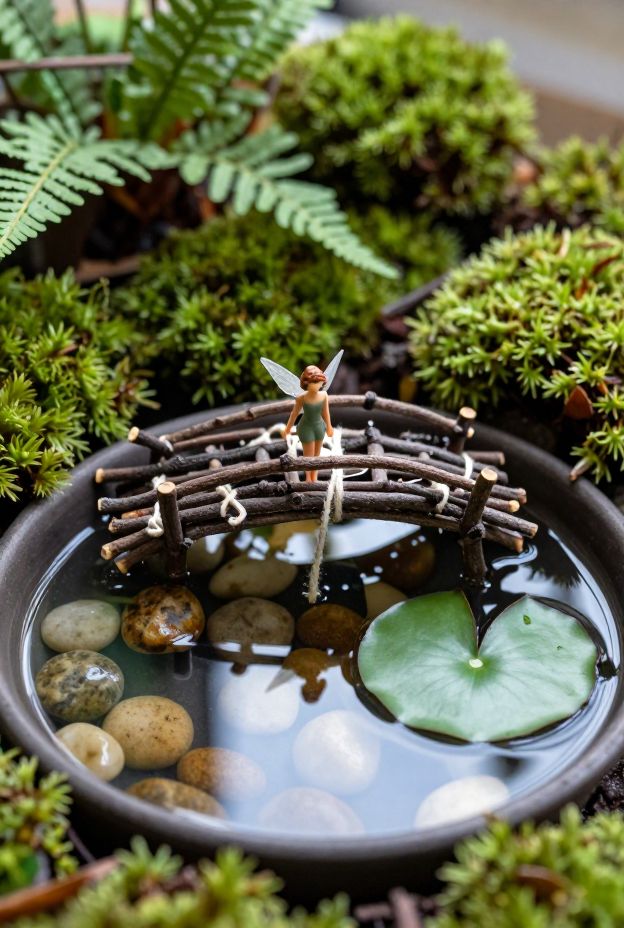
Build a little arched bridge over it using popsicle sticks or small twigs bound with twine. Position a tiny fairy figurine on the bridge for that dramatic effect. The reflection of light off the water makes the whole setup feel genuinely magical, especially in the morning sun.
6. The Mushroom Village
Mushroom fairy gardens are having a serious moment right now, and for good reason. Oversized mushroom figurines in red, orange, and white spotted patterns create a whimsical, fairytale aesthetic that never gets old.
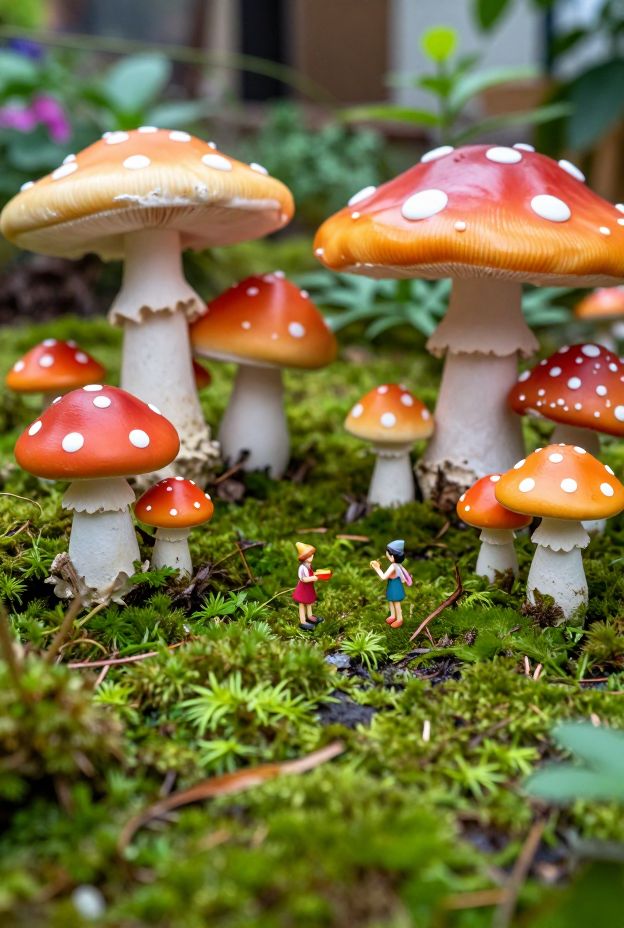
Cluster different-sized mushrooms together to create a little village, and tuck fairy figurines between them like they’re going about their daily business. Pair this with bright green moss as your ground cover and you’ve got yourself a straight-up storybook scene.
7. The Succulent Fairy Garden
Succulents and fairy gardens are basically a match made in heaven. They’re low-maintenance, drought-tolerant, and their naturally miniature scale fits perfectly into a fairy garden layout.
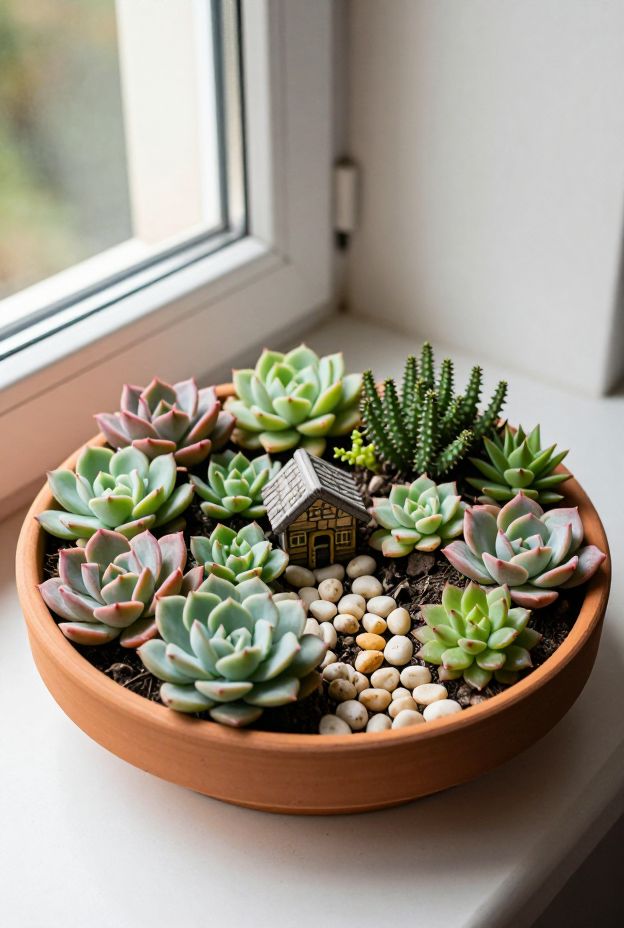
Use a wide, shallow terracotta dish and arrange a mix of echeveria, haworthia, and sedum to create a varied landscape. Add a miniature cottage and a few pebble pathways weaving between the plants. This style works especially well indoors on a sunny shelf.
Best Succulents for Fairy Gardens
- Echeveria — rosette shapes that look like little flowers
- Haworthia — compact and textured, perfect for forest vibes
- Sedum — spreads nicely as a groundcover alternative
- Aloe vera (mini variety) — adds a tropical twist
8. The Recycled Container Garden
Who said you need a fancy planter? Some of the most creative fairy gardens I’ve ever seen use old rain boots, vintage watering cans, and wooden crates as their containers. It’s sustainable, budget-friendly, and has major rustic charm.
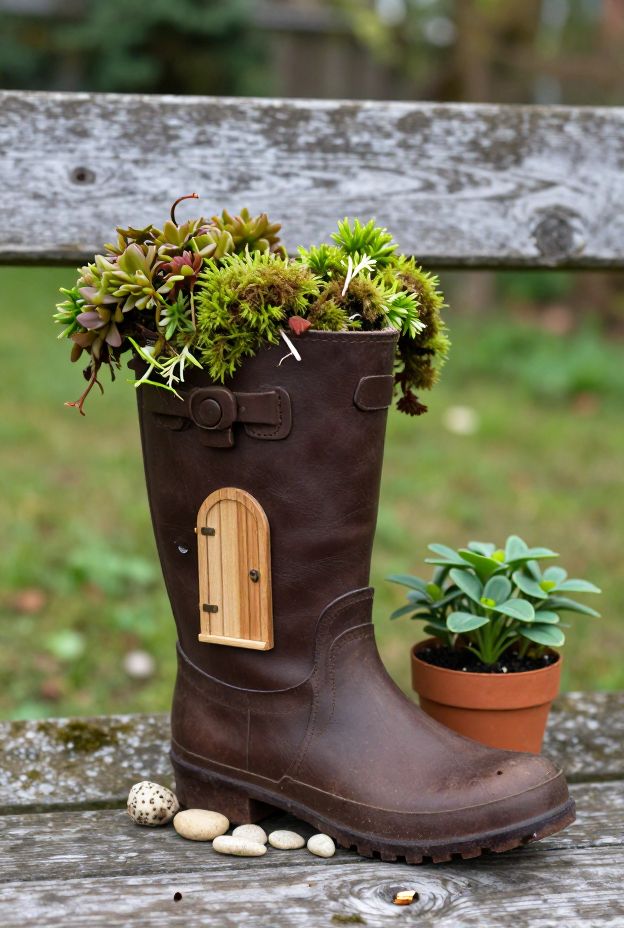
An old leather boot planted with moss and topped with a miniature wooden door is one of those projects that looks complicated but takes about 20 minutes. FYI, drilling a few drainage holes in the bottom of any non-traditional container will save your plants from root rot later.
9. The Glow-in-the-Dark Fairy Garden
Want to take your fairy garden to a whole new level? Add glow elements — and watch it transform completely after sunset. This is especially great if you’re creating it for kids.
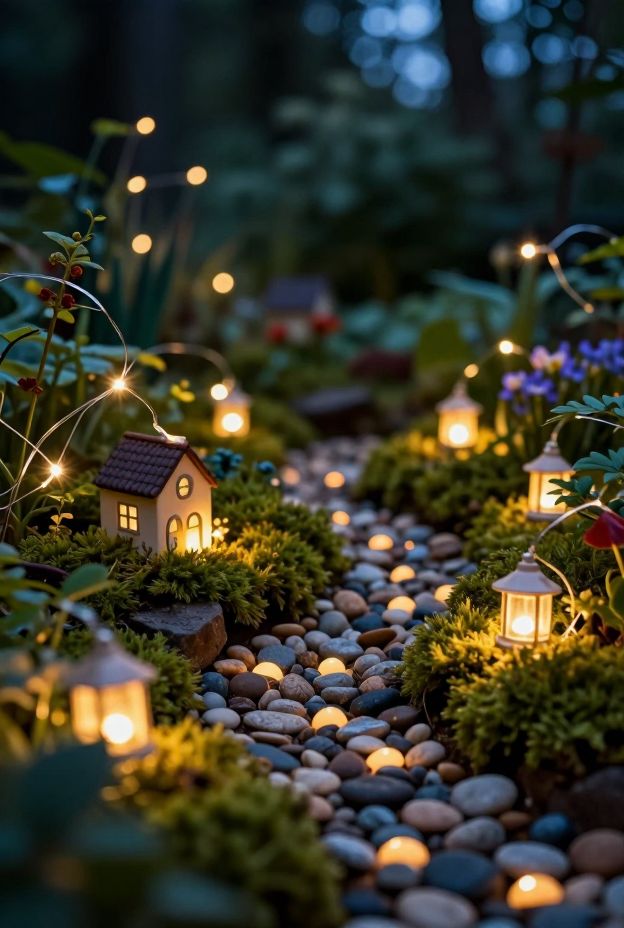
You can use glow-in-the-dark paint on pebbles and figurines, or invest in tiny solar-powered fairy lights that charge during the day and automatically light up at night. The soft, warm glow makes the whole garden look like something out of a dream. Is there anything more magical than that? I don’t think so.
10. The Fairy Swing and Hammock Setup
A tiny fairy swing hanging from a low branch or trellis is one of those details that makes people stop and smile every single time. You can buy miniature swings or craft them from twigs and thin twine.
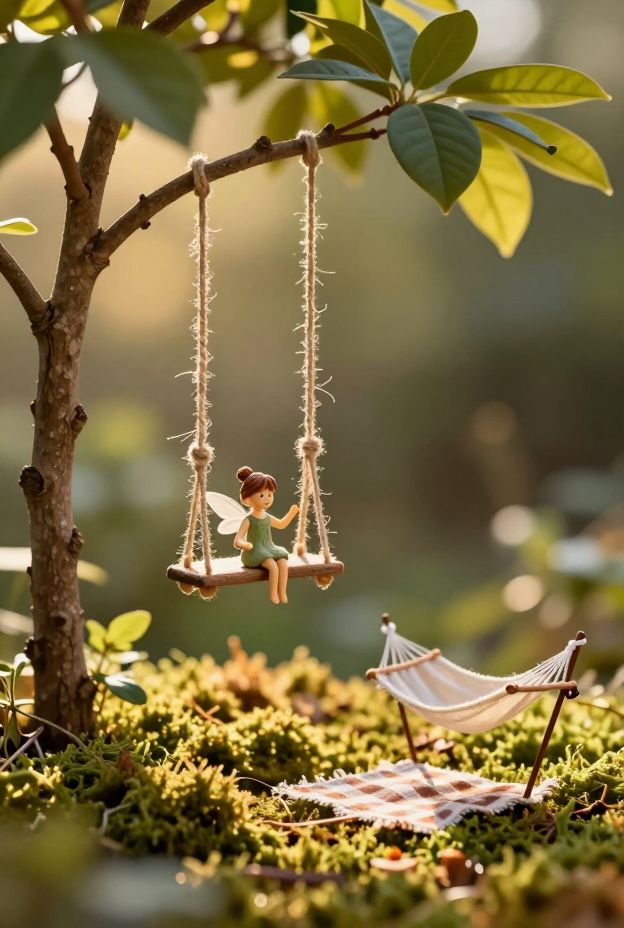
Add a little hammock strung between two small sticks or stakes, and maybe a miniature picnic blanket nearby. The idea that a fairy could just be chilling in her hammock on a lazy afternoon is genuinely delightful — and weirdly relatable.
11. The Seasonal Fairy Garden
One of the best things about fairy gardens is that you can swap out decorations seasonally to keep things fresh. Spring gets pastel flowers and tiny Easter eggs; winter gets mini wreaths and snow-dusted cottages.
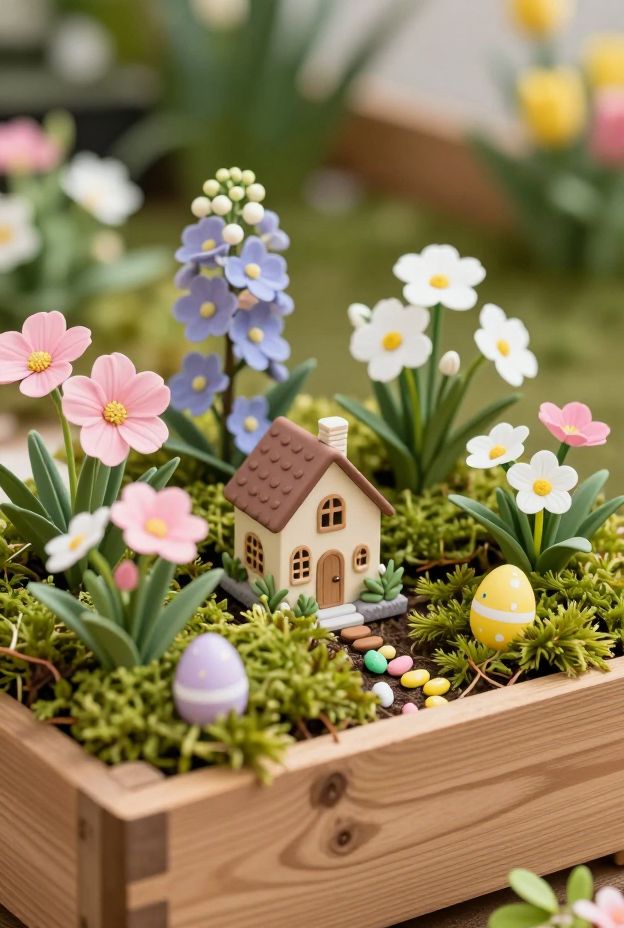
Keeping a base setup of permanent plants and structures means you only need to swap a few accessories to totally change the vibe. This approach also makes fairy gardening an ongoing activity rather than a one-time project — which means more excuses to browse the miniature section at your local craft store. You’re welcome 🙂
12. The Fairy Kitchen Herb Garden
Why not make your fairy garden functional as well as beautiful? Plant a mix of small herbs like thyme, chamomile, and mint to create a living fairy kitchen garden. These plants have naturally small leaves and textures that fit the miniature scale perfectly.
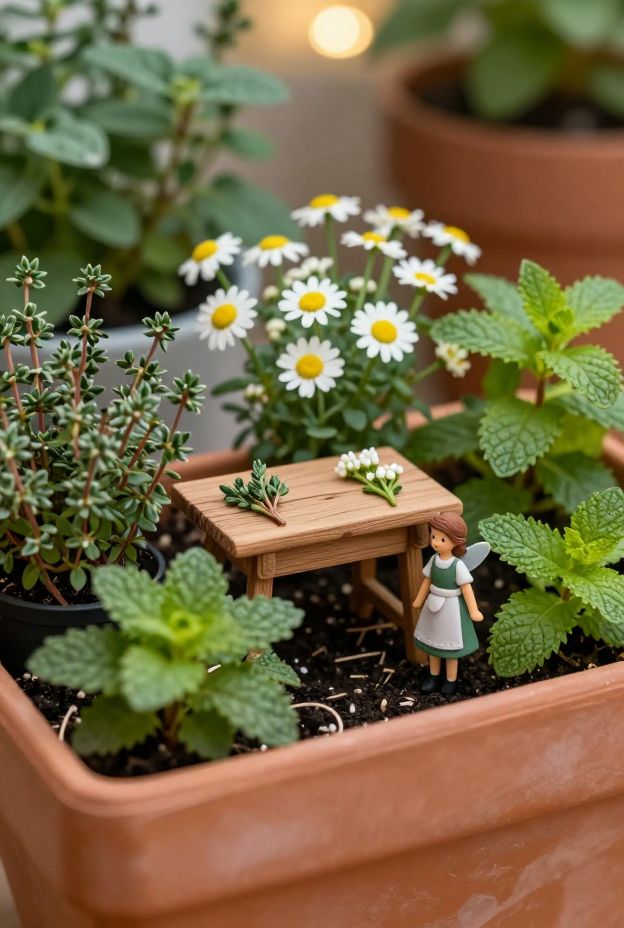
Add tiny clay pots, a miniature wooden table with herb bundles, and a little apron-wearing fairy figurine to really sell the concept. You get a charming display AND fresh herbs for your cooking. That’s what I call a double win.
13. The Beach-Themed Fairy Garden
Take your fairy garden to the coast with a beach-themed setup using sand, shells, and driftwood. This style is especially popular in tropical climates and works beautifully in wide, shallow containers.
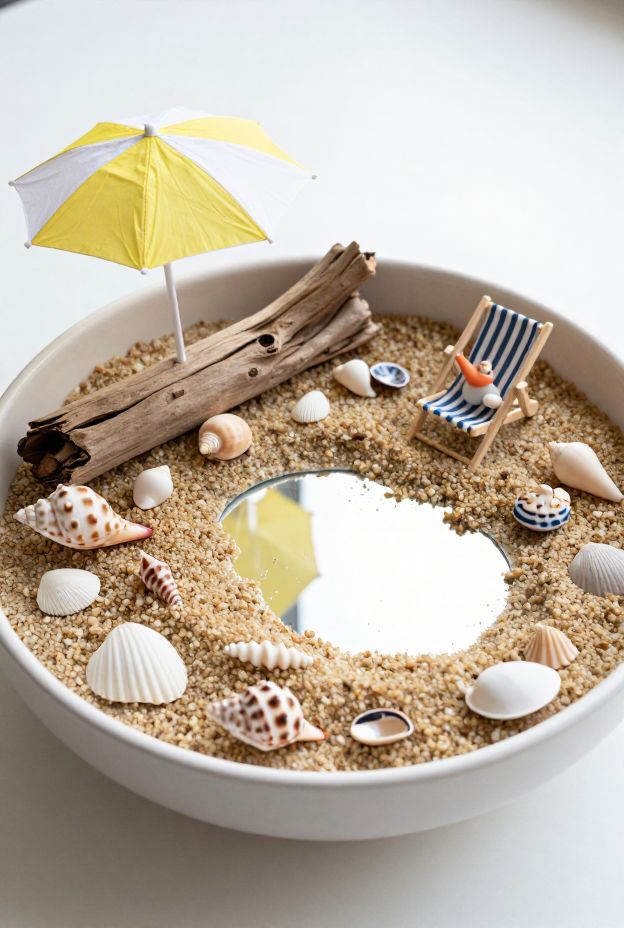
Use fine sand as your base, add shells of varying sizes for architectural interest, and create a tiny beach umbrella scene with a figurine lounging in a miniature chair. A small mirror shard placed flat in the sand makes a convincingly realistic tide pool. Honestly, this one makes me want to book a vacation every time I look at it.
14. The Fairy Greenhouse
A miniature greenhouse inside your fairy garden is one of those details that takes the whole thing to another level of adorable. You can find small glass or acrylic greenhouse structures at craft stores, or build a simple one from wire and clear plastic sheets.
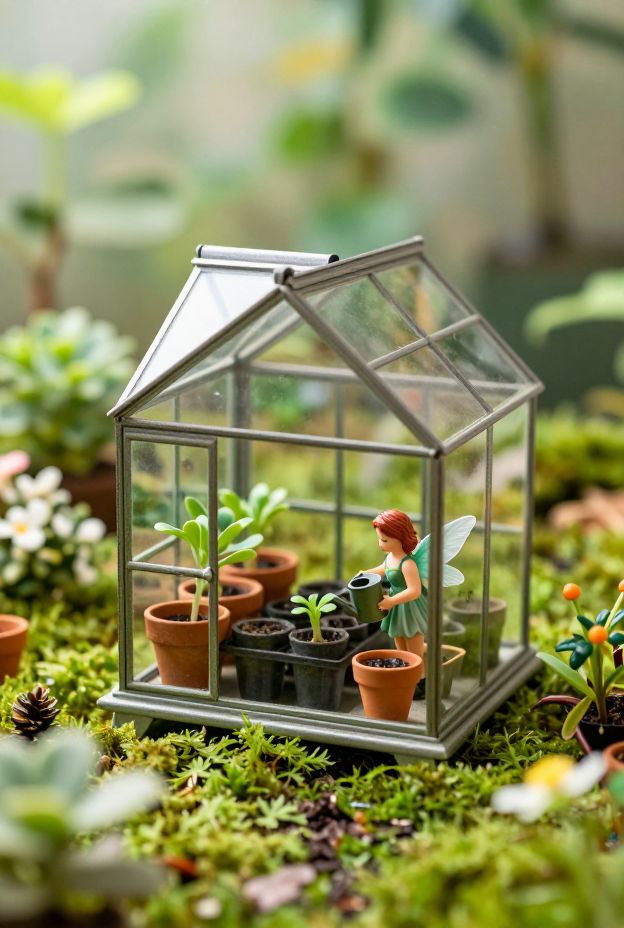
Fill it with tiny potted plants or seed trays made from bottle caps. Add a fairy figurine mid-task — watering can in hand — and you’ve created a whole narrative within your garden. The storytelling element is what makes fairy gardens so universally loved across age groups.
15. The Kids’ DIY Fairy Garden Kit
If you’re creating a fairy garden with or for kids, turn the whole thing into a hands-on DIY project rather than a finished display. Set out a container, a bag of soil, some moss, a few figurines, and pebbles, and let them build their own version.
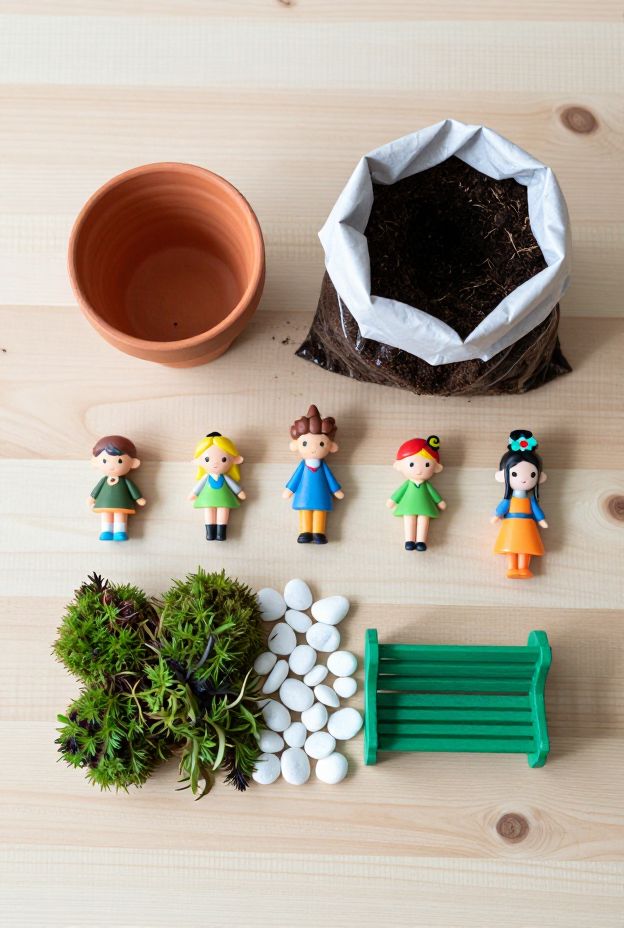
Kids develop an incredible sense of ownership and pride when they create something themselves — and fairy gardens are forgiving enough that there’s no wrong way to do it. You can guide them gently, but mostly just let their imaginations run wild. The “imperfect” ones always end up being the most charming anyway.
Supplies to Include in a Kids’ DIY Kit
- A shallow terracotta planter or wooden box
- Potting mix or coco coir
- Sheet moss and small pebbles
- Two or three fairy or gnome figurines
- Miniature accessories (bench, lantern, gate)
- Small plants like sedums or mind-your-own-business
Ready to Build Your Fairy Garden?
Fairy gardens prove that the smallest spaces can hold the most magic. Whether you go all-in on a sprawling backyard woodland setup or keep it simple with a teacup on your desk, the joy these little scenes bring is genuinely hard to beat.
Start with one idea that resonates with you — don’t overthink it. Grab a container, some moss, a figurine, and just start building. You’ll figure out your style as you go, and trust me, one fairy garden almost always turns into five :/ (in the best possible way). Now go make something magical.