You want a garden that looks amazing, but have you ever stopped to think about what’s actually going into that Instagram-worthy landscape? Spoiler alert: most traditional gardening practices aren’t exactly doing Mother Earth any favors. But here’s the good news: creating a stunning outdoor space while being kind to the planet isn’t just possible—it’s actually easier (and cheaper!) than you might think. I’ve been experimenting with eco-friendly gardening for years, and honestly? I’m never going back to the old ways.
1. Rainwater Harvesting Systems
Why pay for water when it literally falls from the sky? I installed my first rain barrel three years ago, and my water bill dropped noticeably. Rain barrels collect runoff from your roof, storing it for later use in your garden.
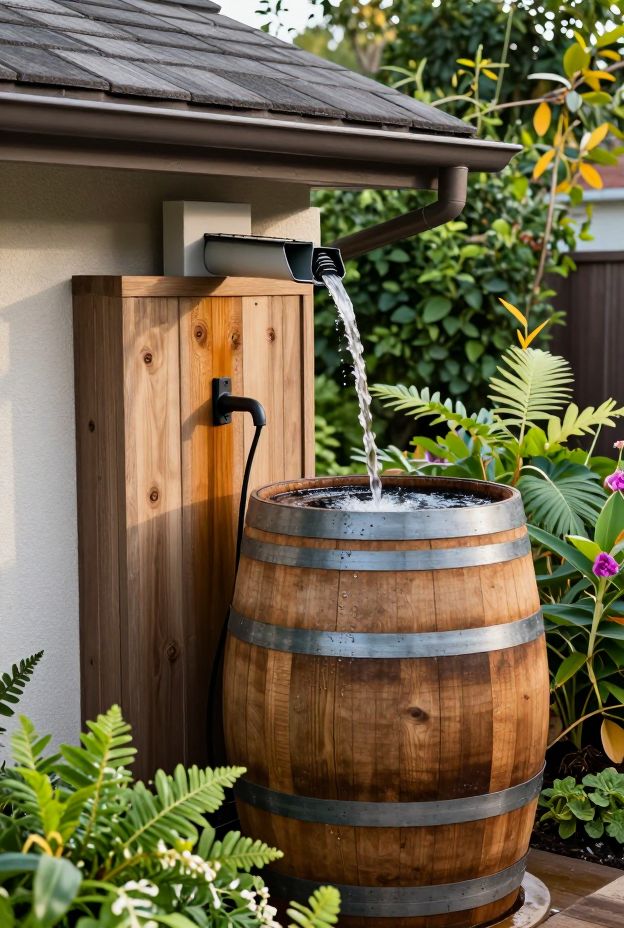
Here’s what makes rainwater harvesting a no-brainer:
- Free water – Your plants love it, your wallet loves it
- Reduces stormwater runoff – Less flooding and erosion in your neighborhood
- Chemical-free – No chlorine or other additives that tap water contains
- Perfect pH balance – Rain is naturally soft and ideal for plants
You can start small with a single 50-gallon barrel or go big with a whole system connected to multiple downspouts. IMO, even one barrel makes a huge difference. Just make sure to cover it with a screen to keep mosquitoes out—trust me on this one.
2. Native Plant Landscaping
Ever wonder why your neighbor’s fancy exotic plants require constant babysitting while wildflowers thrive with zero effort? Native plants evolved in your region for thousands of years, so they’re basically on autopilot.
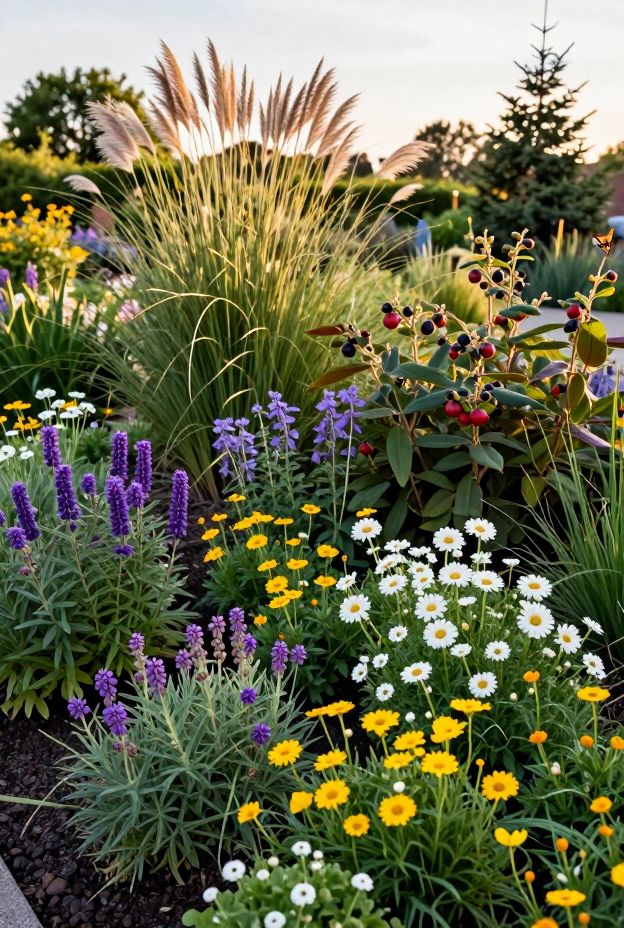
I used to waste weekends watering and fertilizing non-native species that struggled to survive. Now? My native plant garden practically takes care of itself. Native plants require 80% less water than traditional lawns and ornamental plants.
The benefits keep stacking up:
- Supports local wildlife – Bees, butterflies, and birds actually recognize these plants
- Zero fertilizer needed – They’re adapted to local soil conditions
- Disease resistant – Natural defenses against local pests
- Year-round beauty – These plants know how to handle local weather
Check with your local native plant society to find out which species work best in your area. You’ll be amazed at how gorgeous these “wild” plants actually are.
3. Composting Stations
Throwing away kitchen scraps is basically throwing away black gold. Seriously—composting turns your garbage into the richest, most nutritious soil amendment you can find. And no, it doesn’t have to smell or attract pests if you do it right.
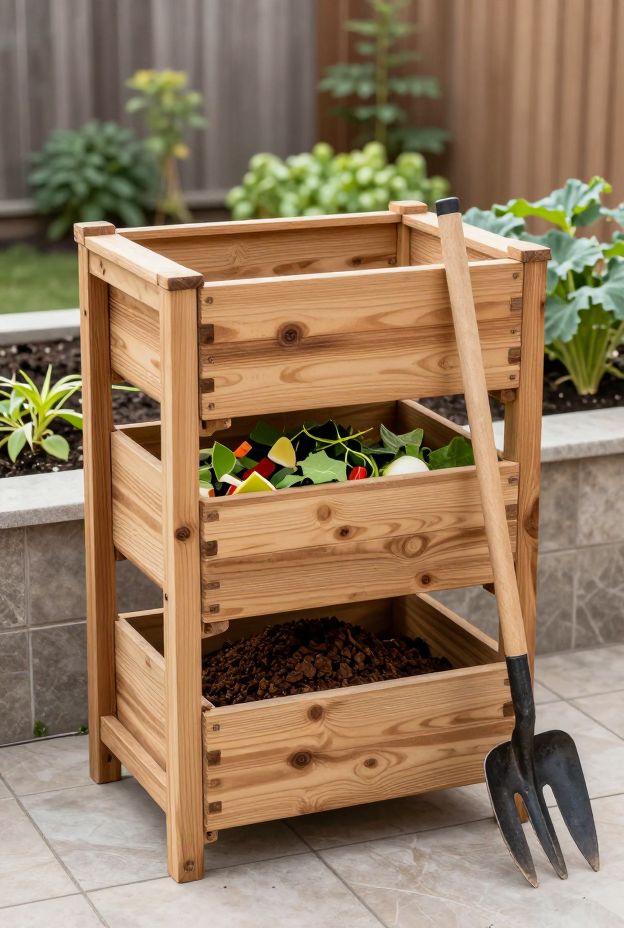
I started composting five years ago, and my garden has never looked better. Plus, I’ve reduced my household waste by about 30%. That’s less stuff sitting in landfills producing methane.
What to Compost
- Fruit and vegetable scraps
- Coffee grounds and tea bags
- Eggshells
- Yard waste like leaves and grass clippings
- Shredded newspaper and cardboard
What NOT to Compost
- Meat or dairy products
- Pet waste
- Diseased plants
- Anything treated with chemicals
You can buy a fancy tumbler or just pile it up in a corner of your yard. Either way works. The key is maintaining the right balance of “greens” (nitrogen-rich materials) and “browns” (carbon-rich materials). Aim for a 3:1 ratio of browns to greens, and you’ll have perfect compost in a few months.
4. Permeable Paving
Traditional concrete and asphalt are basically waterproof blankets suffocating your soil. When rain hits these surfaces, it runs off instead of soaking into the ground, which means wasted water and increased flooding risk.
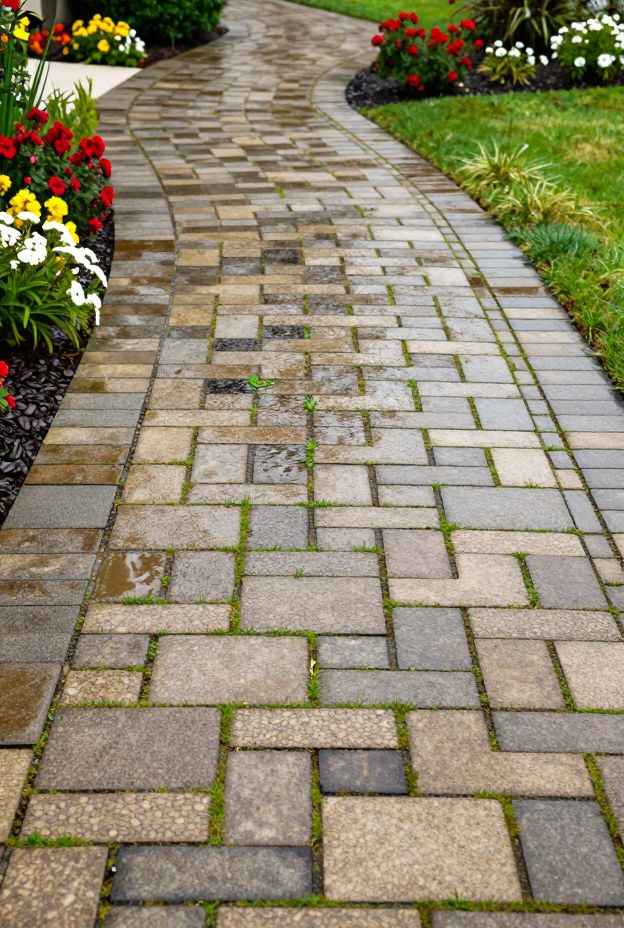
Permeable paving lets water seep through, naturally filtering it as it goes. I replaced my old concrete walkway with permeable pavers last summer, and the difference during heavy rains is incredible—no more puddles or runoff rushing toward the street.
Your permeable options include:
- Permeable pavers – Interlocking stones with gaps for drainage
- Gravel paths – Simple, affordable, and super effective
- Porous concrete – Looks like regular concrete but drains water
- Grass pavers – Grid systems that let grass grow through while supporting weight
These solutions recharge groundwater, reduce runoff pollution, and help prevent urban heat islands. Plus, they often cost less than traditional paving. Win-win 🙂
5. Solar-Powered Garden Lighting
Why run electrical lines and pay for energy when the sun works for free? Solar garden lights have come a long way from those dim, disappointing path lights from ten years ago. Modern solar fixtures are bright, reliable, and ridiculously easy to install.
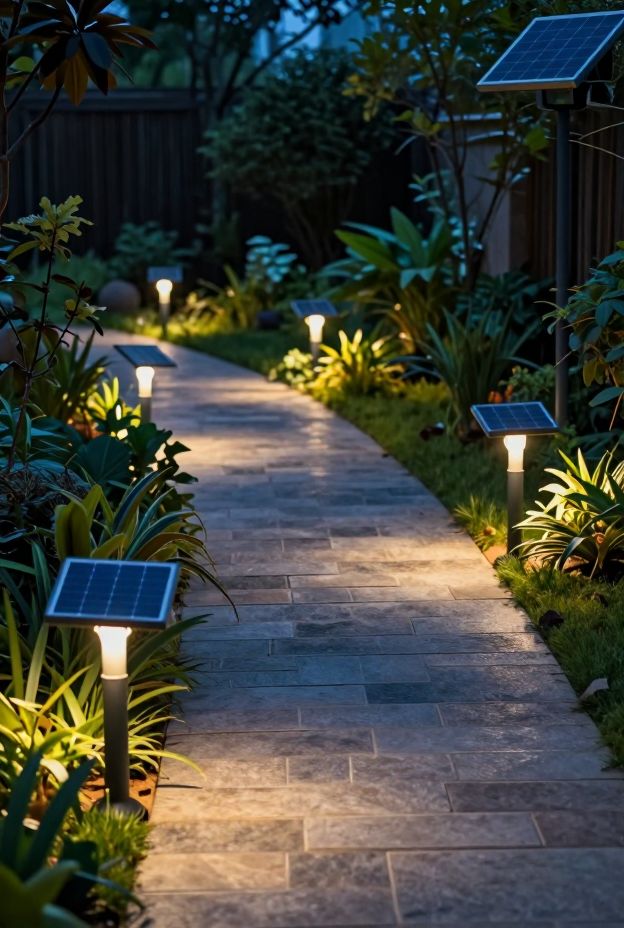
I replaced all my wired landscape lighting with solar options, and honestly? I don’t miss the hassle of dealing with transformers and buried cables. Just stake them in the ground and forget about them.
What makes solar lighting a smart choice:
- Zero electricity costs – The sun charges them daily
- No wiring required – Install anywhere in minutes
- Automatic operation – Built-in sensors turn them on at dusk
- Safe and cool – No heat or electrical hazards
- Portable – Move them around seasonally
6. Xeriscaping with Drought-Tolerant Plants
Let’s be real—lawns are water hogs that demand constant maintenance. Xeriscaping is basically the art of creating beautiful landscapes that thrive with minimal water. And no, it doesn’t mean filling your yard with cacti and gravel (unless that’s your vibe).
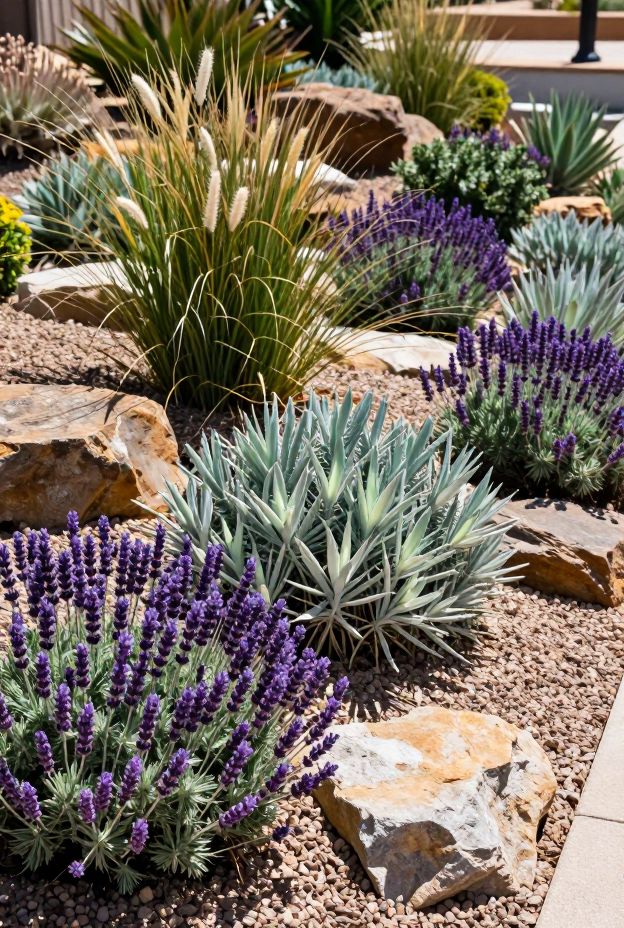
I converted half my lawn to a xeriscape garden, and my water usage dropped by 50%. The average American lawn uses 10,000 gallons of water per year—that’s insane when you think about it.
Drought-Tolerant Beauties
- Lavender – Gorgeous, fragrant, and thrives on neglect
- Succulents – Incredible variety and color
- Ornamental grasses – Movement and texture with zero fuss
- Sage and rosemary – Edible, aromatic, and tough as nails
- Sedum – Ground cover that laughs at drought
Group plants by water needs, mulch heavily to retain moisture, and you’ll have a stunning landscape that practically takes care of itself. FYI, many cities offer rebates for removing lawns and installing drought-tolerant landscaping.
7. Wildlife-Friendly Features
Creating habitat for local critters isn’t just good for the ecosystem—it’s free entertainment. Bird baths, insect hotels, and native plantings turn your garden into a thriving wildlife sanctuary.
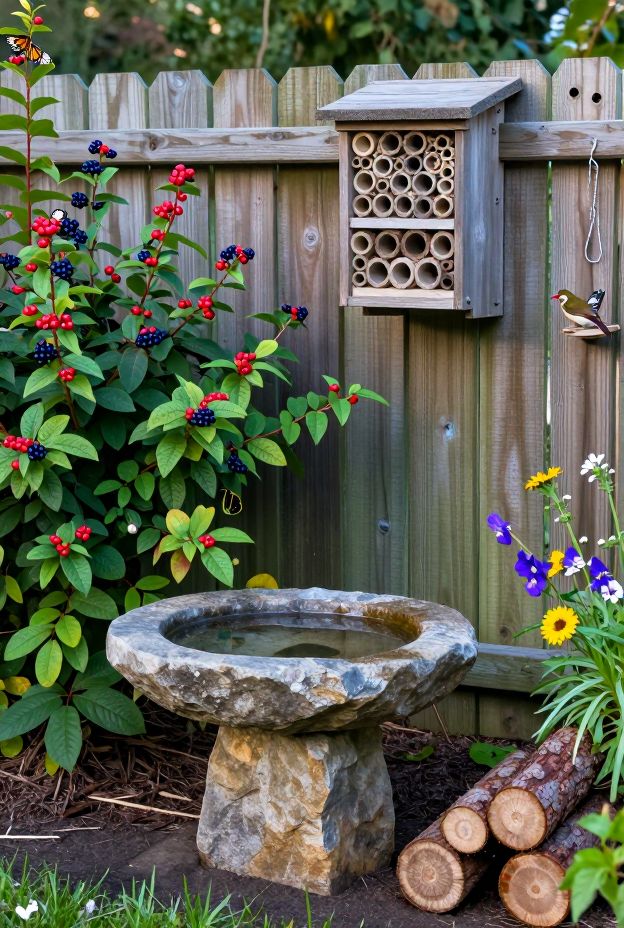
I added a small pond and some brush piles to my yard, and the biodiversity explosion has been amazing. Frogs, birds, butterflies, beneficial insects—my garden is basically a nature documentary now.
Easy wildlife features to add:
- Bird baths and feeders – Fresh water attracts dozens of species
- Bee hotels – Hollow tubes provide nesting sites for solitary bees
- Log piles – Shelter for insects, amphibians, and small mammals
- Native berry bushes – Food sources for birds and pollinators
- Leave some “messy” areas – Fallen leaves and seed heads provide winter habitat
Avoid pesticides completely—they’ll kill the very creatures you’re trying to attract. Natural pest control happens when you create balanced ecosystems where predator insects keep pest populations in check.
8. Mulching for Soil Health
Bare soil is sad soil. Mulch is basically a protective blanket that keeps moisture in, weeds out, and temperatures stable. Plus, organic mulch breaks down over time, feeding your soil with nutrients.
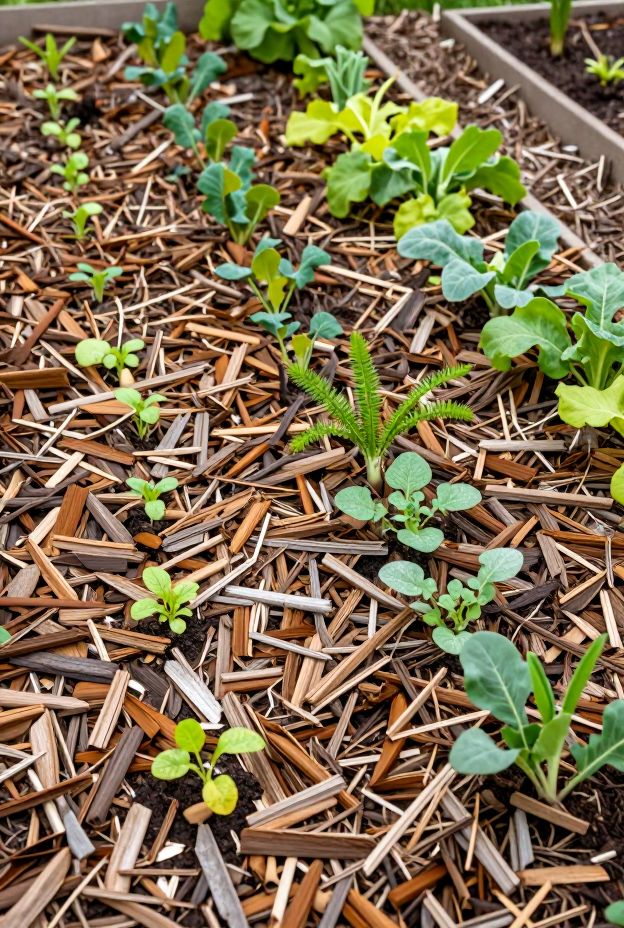
I used to waste so much time watering and weeding before I discovered the magic of deep mulching. Now I apply 3-4 inches of wood chips around all my plants, and my garden maintenance time has been cut in half.
Benefits of organic mulching:
- Reduces water needs by up to 50%
- Suppresses weeds naturally
- Regulates soil temperature
- Prevents erosion
- Improves soil structure as it decomposes
- Provides habitat for beneficial organisms
Best Mulch Options
- Wood chips – Long-lasting and excellent for pathways
- Shredded leaves – Free and nutrient-rich
- Straw – Perfect for vegetable gardens
- Pine needles – Great for acid-loving plants
Skip the dyed mulch—those bright colors come from chemicals you don’t want in your soil. Natural mulch looks better anyway.
9. Vertical Gardens and Living Walls
Short on space? Go vertical! Living walls and vertical gardens maximize your growing area while creating stunning visual features. They’re also incredible insulators that can reduce cooling costs if placed on sunny walls.
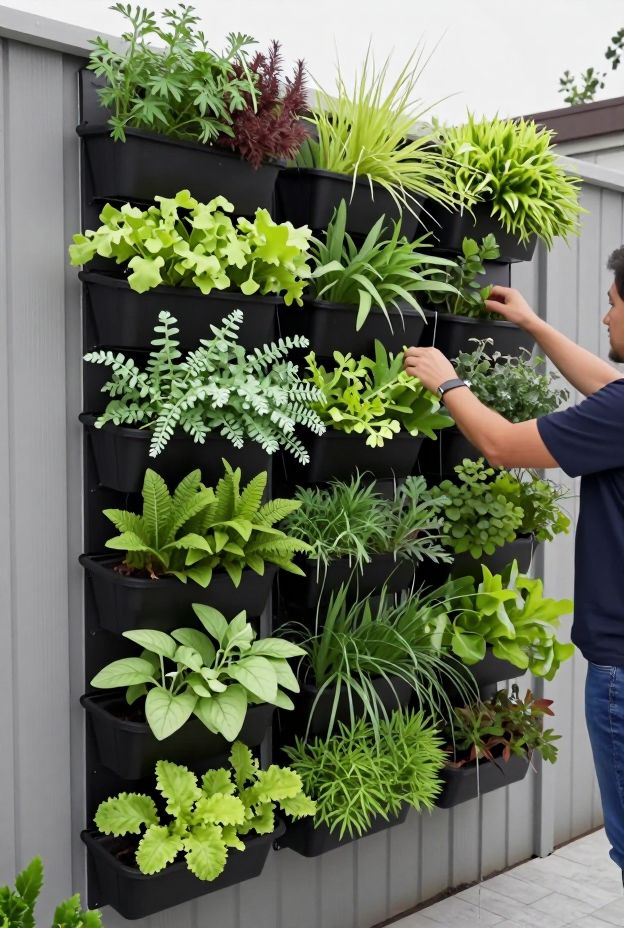
I installed a vertical herb garden on my south-facing fence, and it’s become my favorite garden feature. Fresh herbs within arm’s reach, and the whole structure took up maybe three square feet of ground space.
Why vertical gardens rock:
- Maximize small spaces – Grow more in less area
- Improve air quality – Plants filter airborne pollutants
- Natural insulation – Living walls reduce heat transfer
- Hide ugly structures – Cover walls, fences, or sheds with beauty
- Easy harvesting – No bending or kneeling required
You can go simple with wall-mounted planters or elaborate with modular living wall systems. Either way, you’re creating productive green space without eating up your yard.
10. Organic Pest Control Methods
Chemical pesticides are like using a flamethrower to kill a spider—effective but with massive collateral damage. Organic pest control works with nature instead of against it, and it’s surprisingly effective once you get the hang of it.
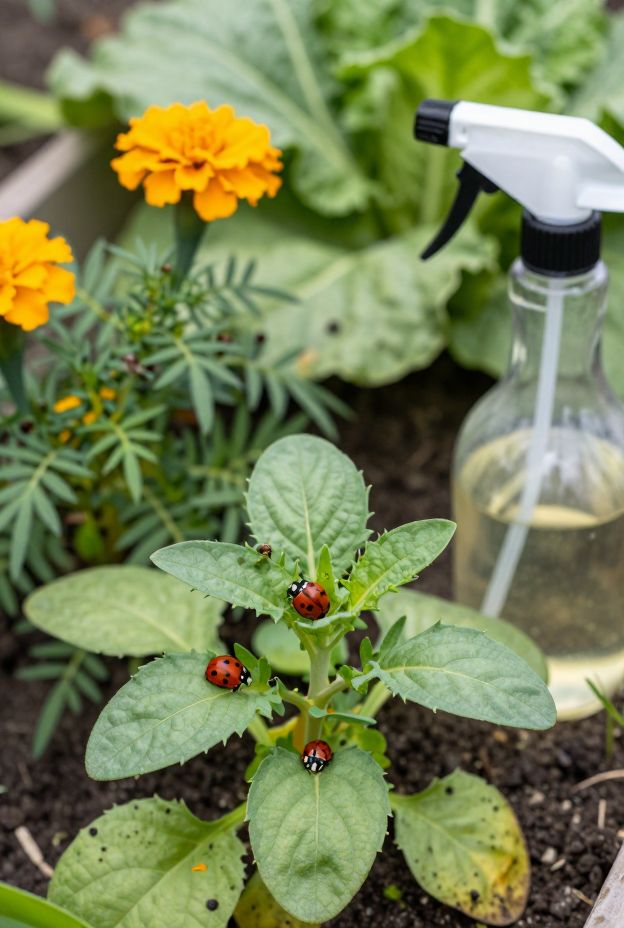
I haven’t used chemical pesticides in years, and my pest problems are actually less severe than when I was spraying everything in sight. Turns out, letting beneficial insects do their job works better than nuking everything.
Natural Pest Control Arsenal
- Companion planting – Marigolds repel aphids, basil deters flies
- Beneficial insects – Ladybugs, lacewings, and parasitic wasps eat pests
- Neem oil spray – Natural fungicide and insecticide
- Diatomaceous earth – Scratches soft-bodied insects without harming plants
- Hand-picking – Yeah, it’s tedious, but super effective for larger pests
- Garlic and pepper sprays – DIY deterrents that actually work
The key is prevention: healthy plants resist pests better, and diverse gardens don’t get overwhelmed by single pest species. Build healthy soil, choose resistant varieties, and let nature balance itself.
11. Edible Landscaping
Why grow ornamental plants when you can grow food that’s just as beautiful? Edible landscaping combines aesthetics with functionality—you get gorgeous garden features that also produce fresh, organic food.
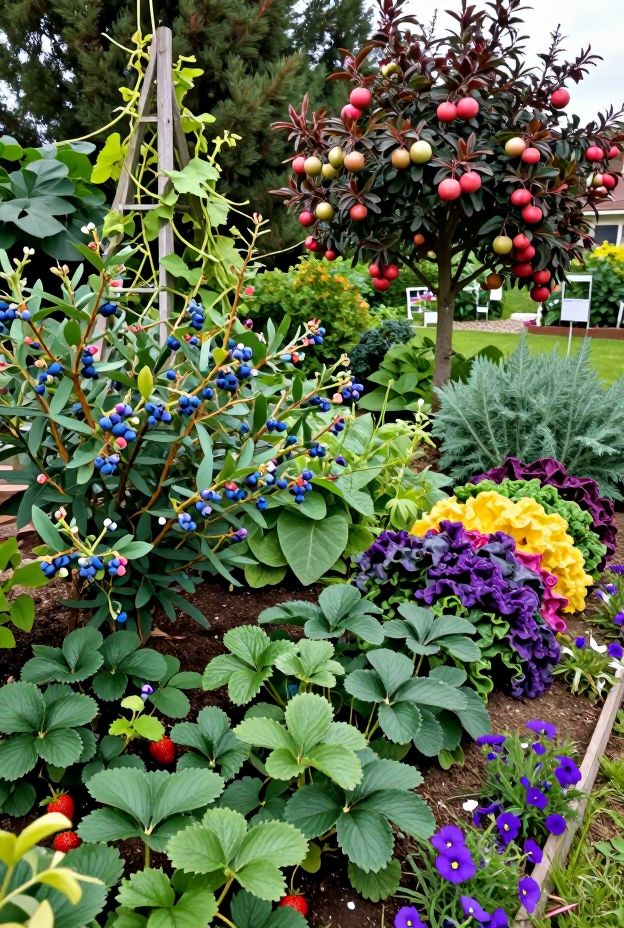
I started sneaking edibles into my ornamental beds five years ago, and now about 70% of my landscape is productive. Blueberry bushes instead of boring shrubs, strawberries as ground cover, and climbing beans on decorative trellises. My neighbors think I’m a genius :/
Beautiful Edibles for Landscaping
- Fruit trees – Apple, cherry, and pear trees provide spring blooms and fall harvests
- Berry bushes – Blueberries, raspberries, and currants look ornamental
- Herb borders – Lavender, thyme, and sage are gorgeous and edible
- Colorful vegetables – Rainbow chard, purple kale, and red lettuce are stunning
- Edible flowers – Nasturtiums, pansies, and calendula add color to salads
You’ll reduce your grocery bills, eliminate transportation emissions from store-bought produce, and always have the freshest ingredients possible. Plus, there’s something deeply satisfying about eating food you grew yourself. The average home garden produces $600 worth of vegetables annually—that’s real money.
Time to Get Your Hands Dirty
Creating an eco-friendly garden isn’t about perfection—it’s about making better choices one step at a time. Start with one or two ideas that resonate with you, and build from there. Your garden will become more beautiful, more productive, and more sustainable with each eco-friendly upgrade.
The planet doesn’t need a handful of people doing sustainable gardening perfectly; it needs millions of people doing it imperfectly. So stop overthinking and just get started. Your garden, your wallet, and every butterfly that visits will thank you for it.