You’re staring at that empty corner of your backyard, imagining something more than just grass and a sad garden gnome. A garden pond with fish and water plants? Now we’re talking. But here’s the thing: creating one that actually looks good (not like a muddy pudhole) takes some planning. I’ve spent way too many weekends perfecting my own pond setup, and honestly, the transformation is wild. So let me walk you through 13 beautiful garden pond ideas that’ll turn your outdoor space into something your neighbors will actually compliment.
1. The Classic Koi Paradise
Let’s start with the gold standard—literally. A koi pond is what most people dream about when they think “fancy backyard water feature.” These vibrant fish need space to swim and show off their colors, so you’re looking at a minimum of 1,000 gallons if you want happy koi. I learned this the hard way when my first attempt was basically a glorified kiddie pool.
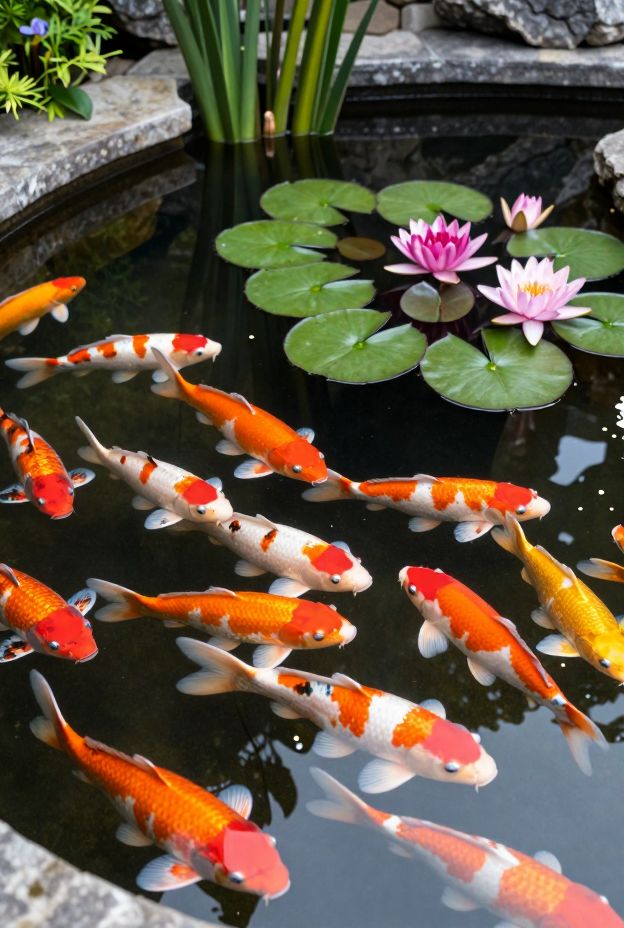
For plants, you’ll want hardy water lilies floating on the surface. They provide shade for your koi and keep algae in check. Add some water iris along the edges for that vertical interest. The combo of orange and white koi gliding beneath pink lily pads? Chef’s kiss.
Pro tip: Install a quality filtration system from day one. Koi are messy eaters, and you don’t want to be doing weekly water changes because your filter can’t keep up. Trust me on this one.
2. The Natural Wildlife Haven
Want to attract frogs, dragonflies, and maybe even a curious bird or two? Go natural with this setup. Forget those rigid preformed liners—use a flexible liner to create irregular, organic shapes that mimic nature. I’m talking about edges that curve and meander, not perfect circles.
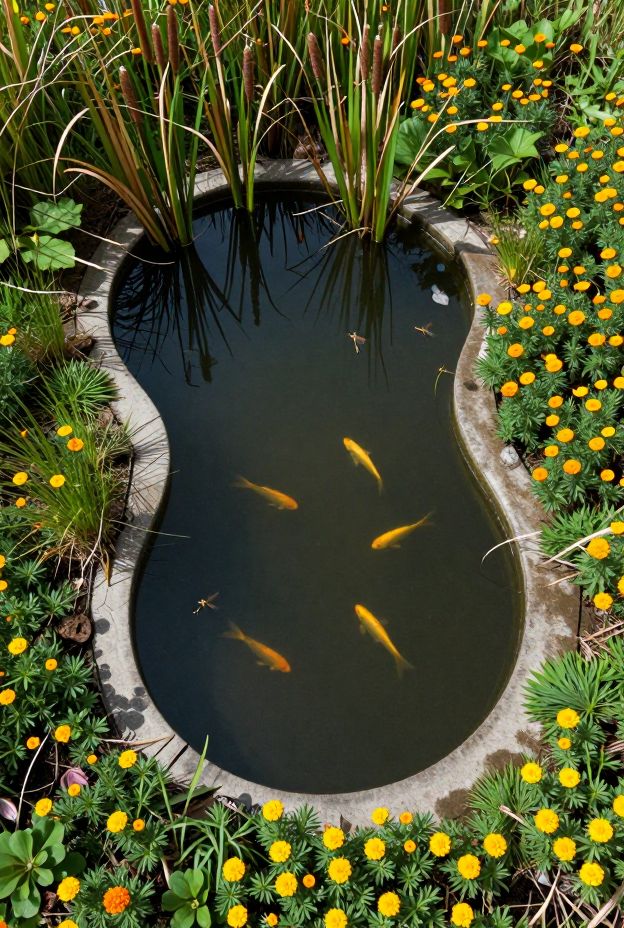
Stock it with native fish like golden shiners or mosquito fish. These guys are low-maintenance and actually help control insect populations. For plants, go crazy with cattails, marsh marigolds, and native sedges. The more “wild” it looks, the better.
Ever noticed how the best wildlife ponds look like they’ve always been there? That’s because you’re working with nature instead of against it. Plus, it’s way easier to maintain than those overly manicured setups.
3. The Zen Japanese-Inspired Pond
If minimalism is your thing, a Japanese-style pond brings peace and simplicity to your garden. We’re talking clean lines, carefully placed rocks, and a restrained plant palette. Less is definitely more here.
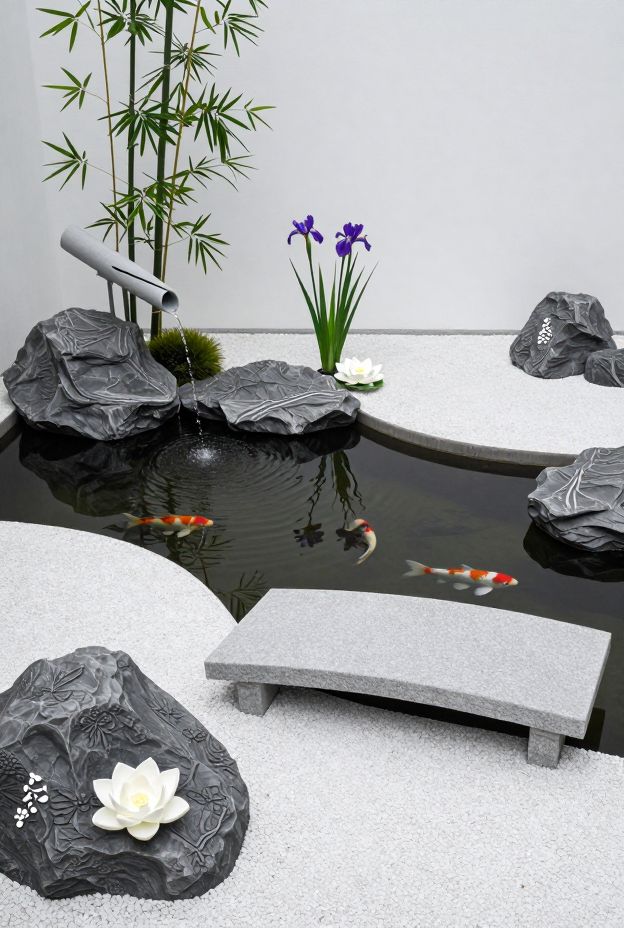
Goldfish or small koi work perfectly in these ponds. Keep the numbers modest—you want to see each fish as an individual, not a swarm. For plants, stick with Japanese iris, lotus, and maybe some dwarf papyrus for texture.
Add a simple bamboo water feature or a flat stone bridge, and suddenly you’ve got yourself a meditation spot. IMO, this style works great for smaller yards where you need maximum impact without eating up all your space.
4. The Raised Container Pond
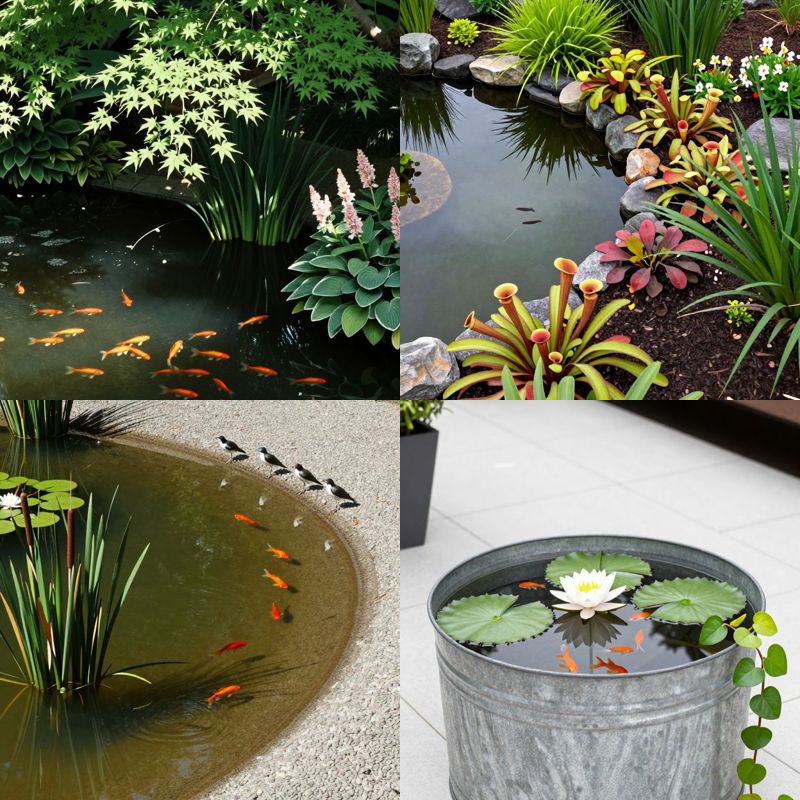
Got a tiny patio or balcony? You can still have a pond—just think vertical. I use large ceramic pots or galvanized stock tanks (yes, the ones meant for farm animals) to create raised ponds. They’re trendy, accessible, and you don’t need to dig a single hole.
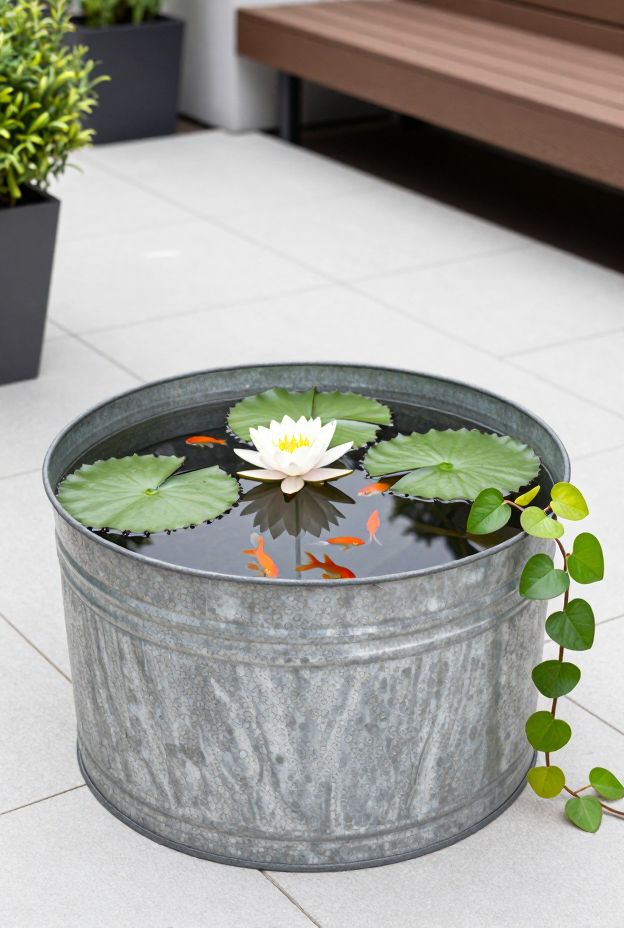
Small goldfish or white cloud mountain minnows thrive in these setups. Keep your plant selection simple: a dwarf water lily, some water lettuce floating on top, and maybe a creeping jenny trailing over the edge. Done.
The best part? You can move these ponds around if you change your mind about placement. Try doing that with an in-ground pond 🙂
5. The Waterfall Cascading Pond
Nothing beats the sound of running water, right? A cascading waterfall pond combines visual drama with that soothing background noise we all crave. I built mine using stacked flagstone, and it took forever, but the payoff is incredible.
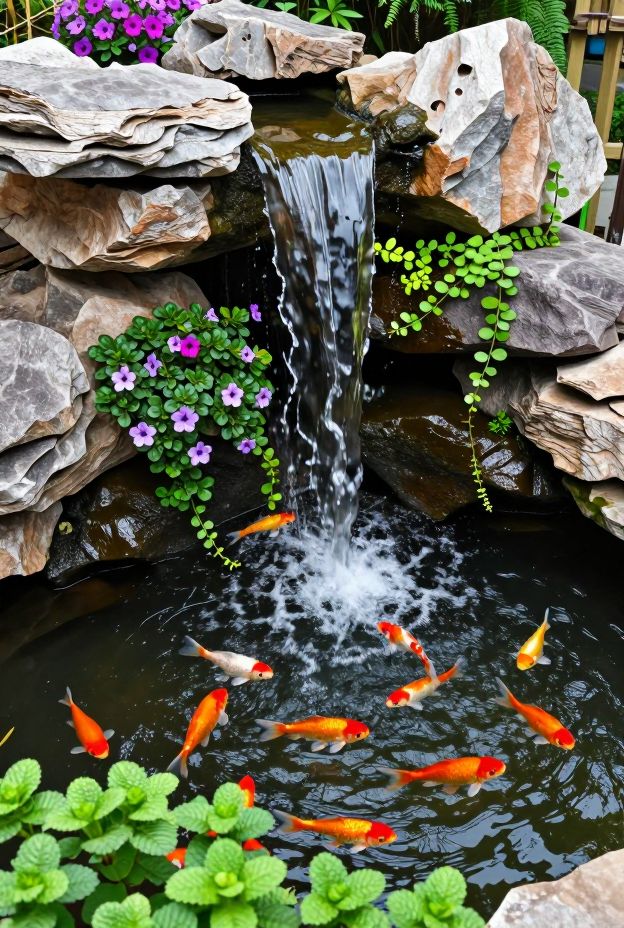
Goldfish love the extra oxygen that moving water provides. Stock your pond with comets or shubunkins—they’re hardy and colorful. For the waterfall area, use trailing plants like creeping Jenny and lobelia to soften the rock edges.
At the base of your falls, plant some water mint or watercress. They’ll spread naturally and create that lush, established look faster than you’d expect. Plus, the moisture from the splashing keeps them happy.
6. The Bog Garden Pond Combo
Why choose between a pond and a bog garden when you can have both? This design integrates a shallow planted area right next to your main pond. The bog section stays constantly moist but not fully submerged—perfect for carnivorous plants if you’re into that.
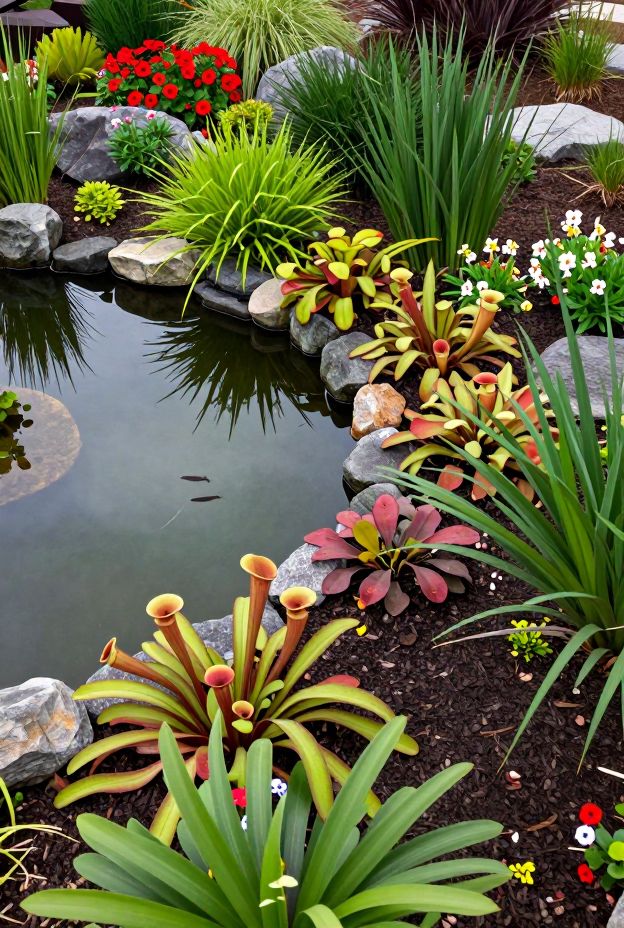
Stock the pond portion with mosquito fish or native minnows. In the bog area, go wild with pitcher plants, sundews, and colorful cardinal flowers. The contrast between the open water and the dense bog planting is seriously striking.
Fun fact: Bog plants are incredible at filtering water naturally, so they actually help keep your pond cleaner. It’s like getting a free filtration assistant that also looks amazing.
7. The Formal Rectangular Pond
If your house leans modern or traditional, a geometric rectangular pond might be your answer. These look particularly stunning in courtyard settings or alongside pathways. The clean edges create a sense of order that complements architectural elements.
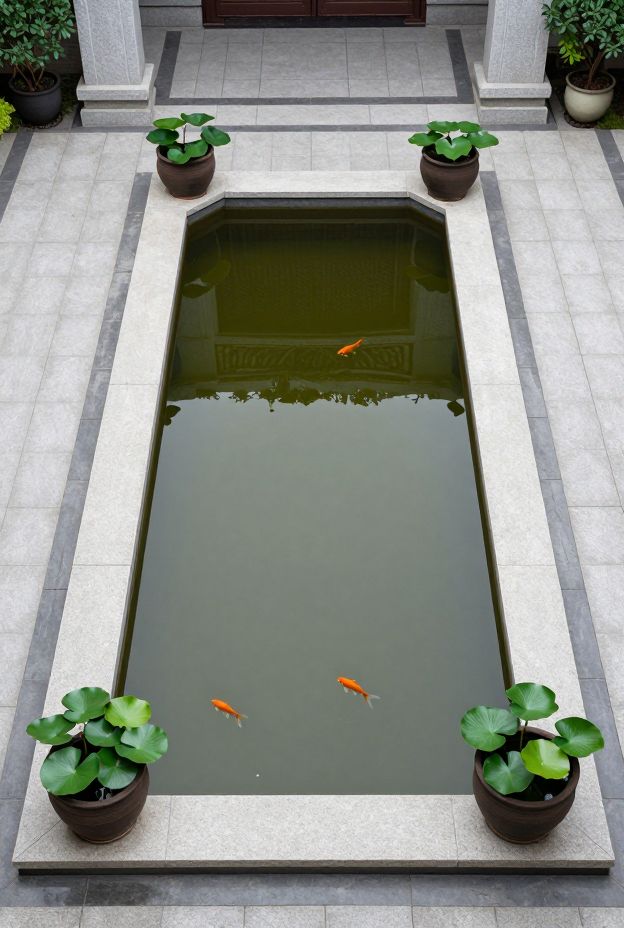
I prefer goldfish for formal ponds—their flowing fins match the elegant vibe. Keep plants simple and symmetrical: maybe four matching pots of water lilies, one in each corner, or a single central lotus as a focal point.
Edge your pond with matching pavers or natural stone cut into uniform pieces. The repetition and symmetry make everything feel intentional and polished. No random rocks scattered about like some kind of pond explosion happened.
8. The Shallow Beach Entry Pond
Here’s a design most people don’t consider: create a gradual slope into your pond, mimicking a beach. This beach entry design lets birds safely access the water and gives your fish different depth zones to explore. Plus, it just looks more natural.
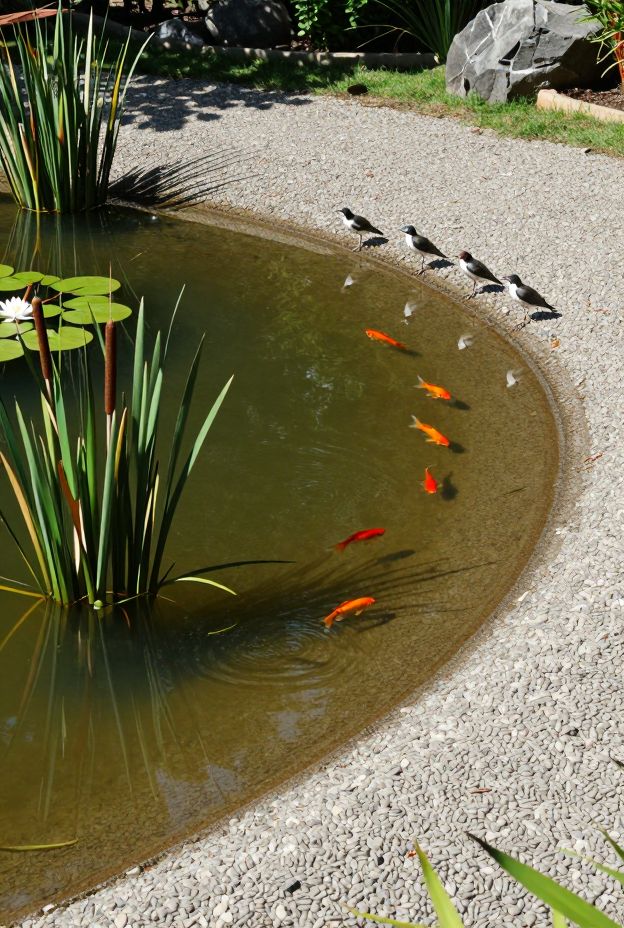
Mix goldfish with different body types—some streamlined comets and a few fancy fantails. For the shallow areas, plant dwarf cattails and forget-me-nots. As the water deepens, transition to water lilies and submerged plants like hornwort.
The slope also makes pond maintenance way easier. You can actually walk into the shallow end when you need to clean or adjust plants without doing some weird balancing act on the edge.
9. The Shaded Woodland Pond
Got more shade than sun? Don’t worry—you can still rock a pond. I built mine under a Japanese maple, and it’s become my favorite spot. The key is choosing shade-tolerant plants and fish that don’t need full sun to thrive.
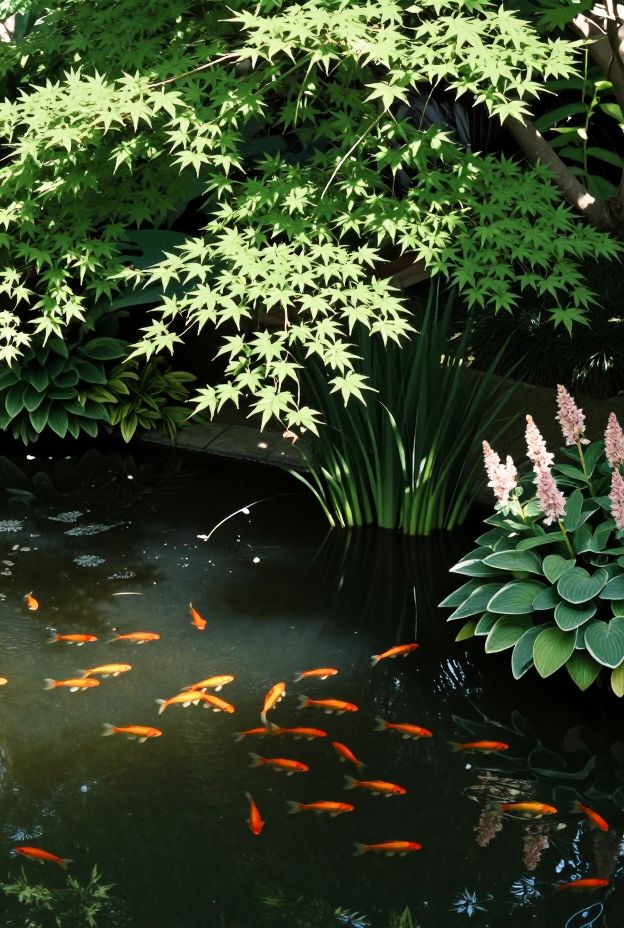
Goldfish handle partial shade just fine. For plants, focus on hostas around the edges (not IN the water, FYI), astilbes for height, and shade-loving marginals like sweet flag. You won’t get as many blooms, but the lush green foliage creates a peaceful, forest-like vibe.
One bonus I didn’t expect? Way less algae problems. Without full sun beating down on the water all day, algae growth stays manageable without constant intervention. Sometimes shade is actually a blessing.
10. The Above-Ground Pond with Viewing Window
Okay, this one’s a bit extra, but hear me out. An above-ground pond with a glass viewing panel lets you watch your fish from the side, aquarium-style. It’s especially cool for kids (or let’s be honest, adults who are still kids at heart).
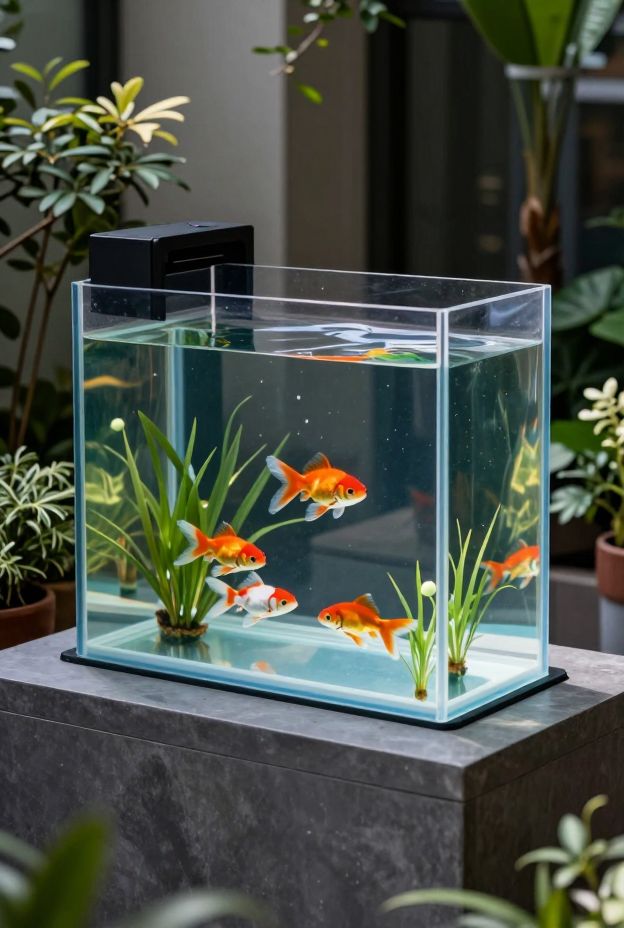
Stock it with colorful goldfish varieties—the more interesting looking, the better. Keep plants minimal inside the pond so they don’t block the view, but go crazy with surrounding container gardens to frame the viewing window.
Building this requires some DIY skills and a quality acrylic panel, but the wow factor is worth it. Your friends will actually want to come see your “pond” instead of just politely nodding when you mention it.
11. The Corner Water Garden
Got an awkward corner that’s too shady for flowers and too small for furniture? Transform it into a corner pond with vertical elements. I’m talking about using that vertical space with tall, architectural plants that draw the eye upward.
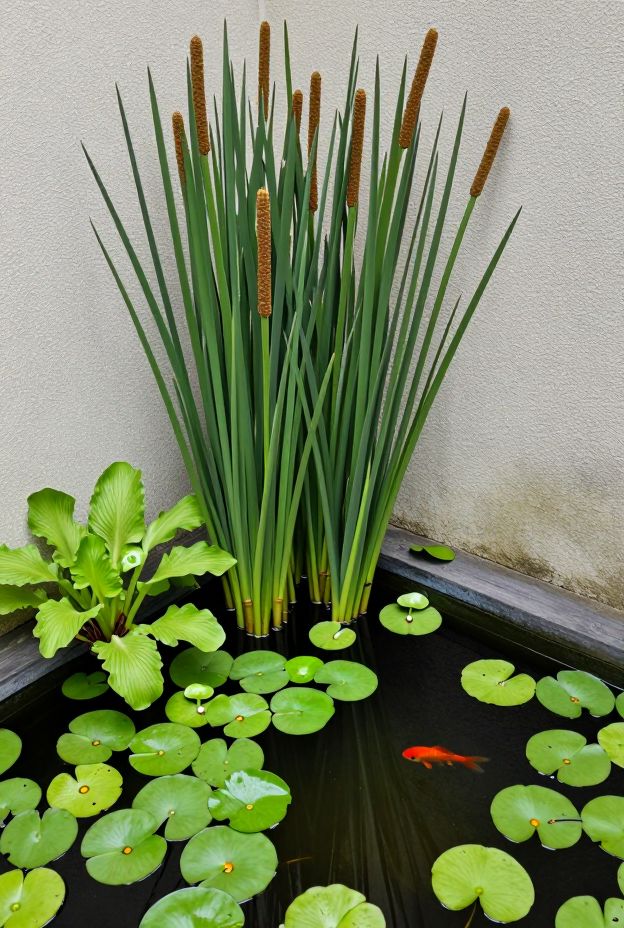
Small goldfish or white cloud minnows work great here since you’re dealing with limited space. Plant tall varieties like horsetail rush, corkscrew rush, or papyrus to add height. Water lettuce and frogbit floating on the surface complete the look.
The trick is making the corner feel intentional, not like you just had nowhere else to put a pond. Use matching materials that tie into your existing landscaping, and suddenly that awkward corner becomes a destination.
12. The Multi-Level Terraced Pond
If you’ve got a slope in your yard, why fight it? Build a multi-level terraced pond system where water flows from one level to the next. Each tier can have its own personality and plant selection, creating multiple mini-ecosystems.
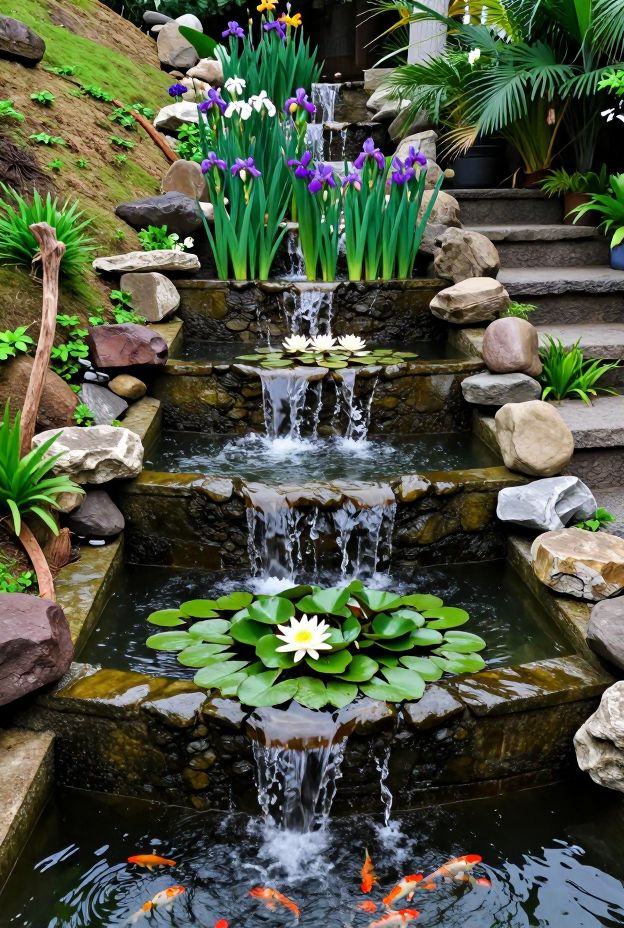
Distribute your fish across the lower levels where there’s more depth and stability. Use the upper levels for spectacular waterfalls and heavy planting. Think iris and cannas in the top tier, water lilies in the middle, and lotus in the deepest pool.
Ever wondered why terraced ponds look so impressive? It’s because you’re getting multiple focal points for the price of one installation. Each level tells its own story while contributing to the overall effect.
13. The Night Garden Pond with Lighting
Let’s end with something dramatic—a pond designed to shine after dark. Strategic underwater and landscape lighting transforms your water feature into evening entertainment. I installed LED spotlights beneath my water lilies, and the effect is magical.
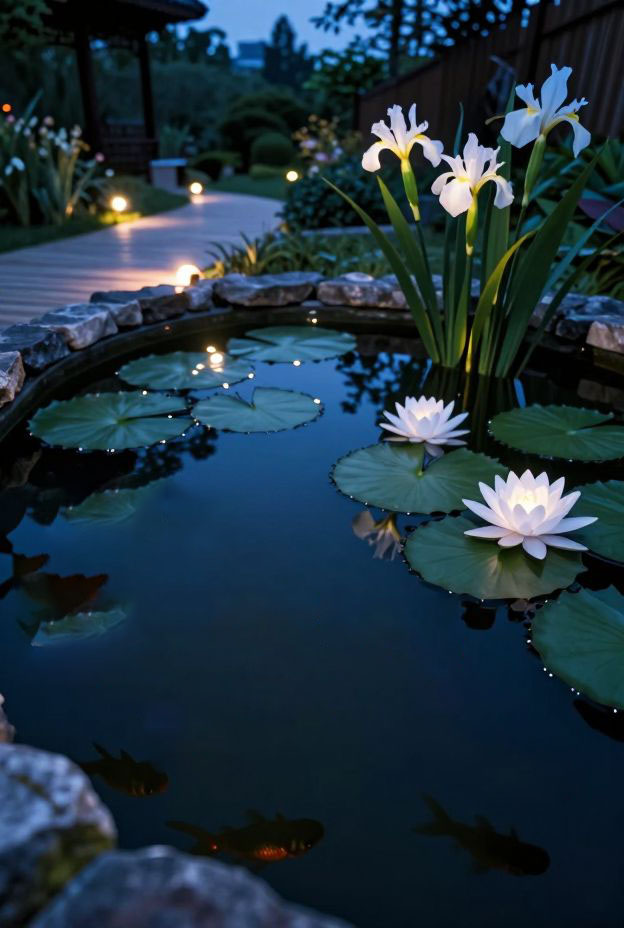
Choose reflective fish like fancy goldfish with metallic scales—they’ll catch and reflect the light beautifully. For plants, focus on white flowering varieties like white water lilies and white iris. They practically glow under proper lighting.
Layer your lighting: underwater lights for the fish, uplighting for tall plants, and maybe some pathway lights leading to the pond. The goal is creating ambiance without looking like a Las Vegas fountain show exploded in your backyard.
Final Thoughts
Here’s the truth about garden ponds: they’re never really “done.” You’ll keep tweaking, adding plants, rearranging rocks, and probably expanding the whole thing at some point. But that’s actually the fun part—watching your pond evolve and mature over time.
Whether you go full Japanese zen or DIY container pond, the key is choosing a style that matches your space and commitment level. Don’t build a massive koi paradise if you’re only home on weekends, you know? Start with something manageable and let it grow with you.
Now get out there and start digging (or not, if you’re going with a raised option). Your backyard is about to get a serious upgrade, and trust me, you’ll wonder why you waited so long to make this happen.