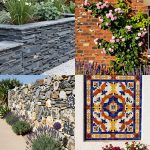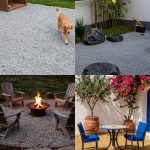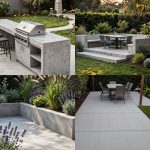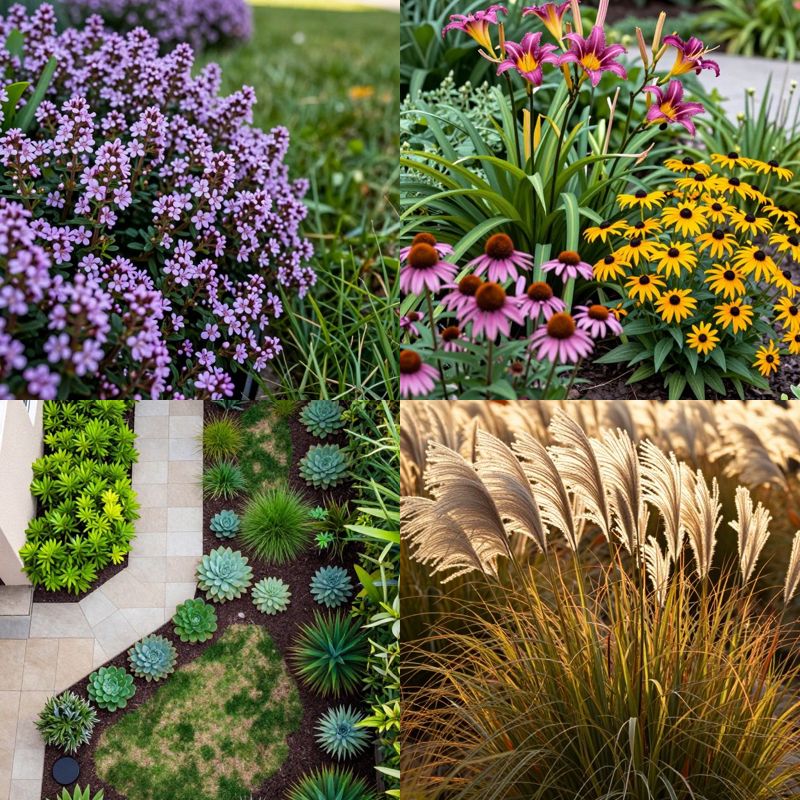
You want a gorgeous yard that makes your neighbors jealous, but you don’t have time to spend every weekend pulling weeds and fussing over finicky plants. Been there, done that, got the dirt-stained jeans to prove it. The good news? You can have a stunning landscape without becoming a slave to your garden. Here are 15 ideas that’ll transform your outdoor space into something beautiful without demanding your entire life.
1. Go Native with Your Plant Choices
Here’s the deal: native plants are basically the lazy gardener’s best friend. They’ve adapted to your local climate over thousands of years, which means they know how to survive without you babying them constantly. I switched to native perennials in my front yard three years ago, and honestly, it’s been a game-changer.
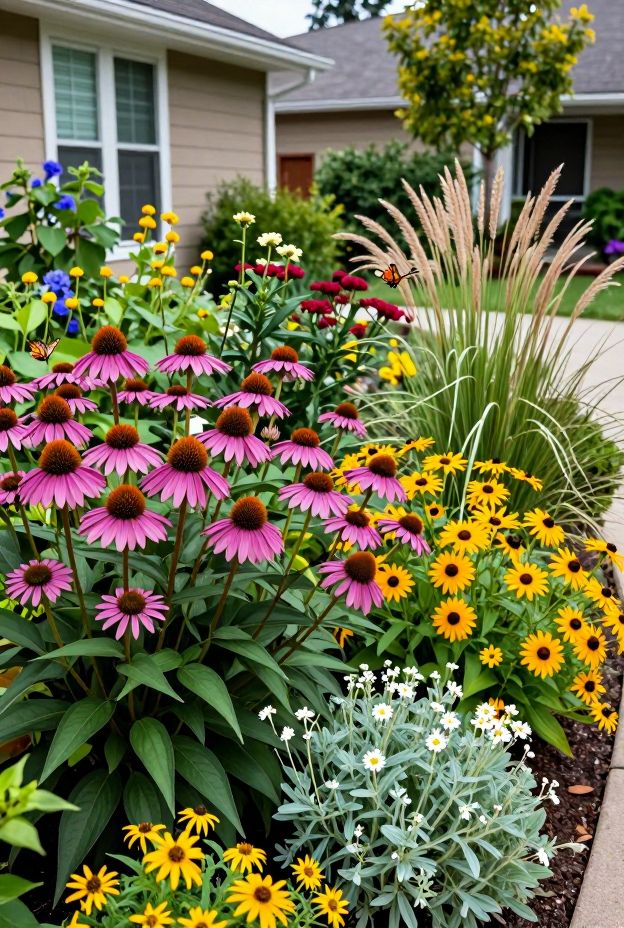
These plants require less water, fewer fertilizers, and minimal pest control because they’re already tough as nails. Plus, local pollinators absolutely love them, so you’ll get bonus points for helping the ecosystem. Check with your local nursery or extension office to find out which natives thrive in your area.
The best part? Once established, many native plants practically take care of themselves. I’m talking about the kind of plants that laugh in the face of drought and shrug off pests like it’s nothing.
2. Install Drip Irrigation Systems
Okay, I know what you’re thinking—installing an irrigation system sounds complicated and expensive. But hear me out. Drip irrigation is ridiculously efficient and saves you from the dreaded daily watering routine.
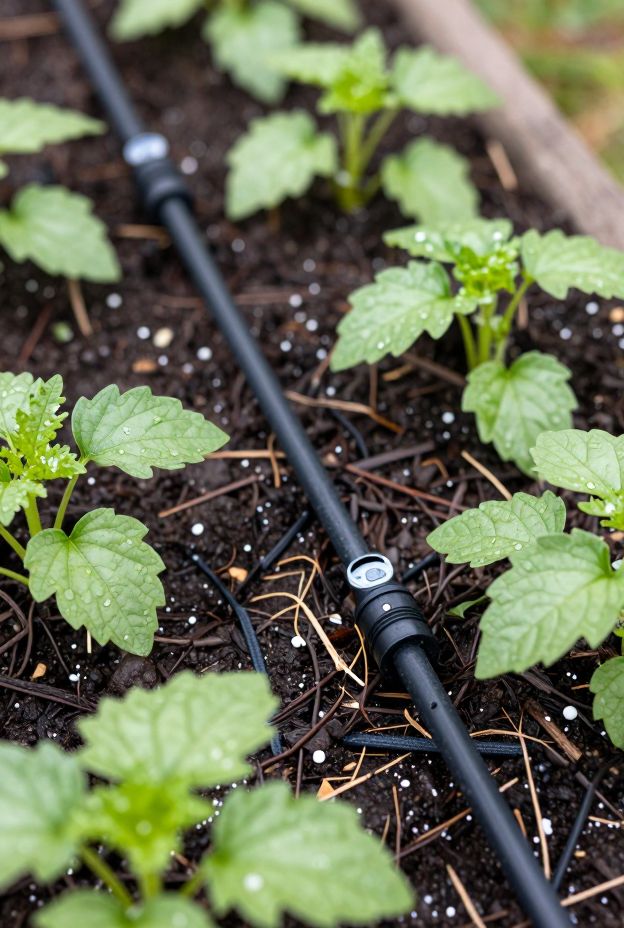
You can set it up on a timer, and it delivers water directly to the plant roots where it’s needed most. No more standing around with a hose for an hour or worrying about your plants while you’re on vacation. The initial setup might take a weekend, but the time you’ll save over the years is absolutely worth it.
I installed mine DIY-style for under $200, and my water bill actually went down. Win-win, right?
3. Embrace Mulch Like Your Garden Depends on It
If mulch isn’t already your garden BFF, it’s time to change that relationship status. A thick layer of mulch (about 2-3 inches) does more heavy lifting than most people realize. It suppresses weeds, retains moisture, regulates soil temperature, and slowly breaks down to improve your soil quality.
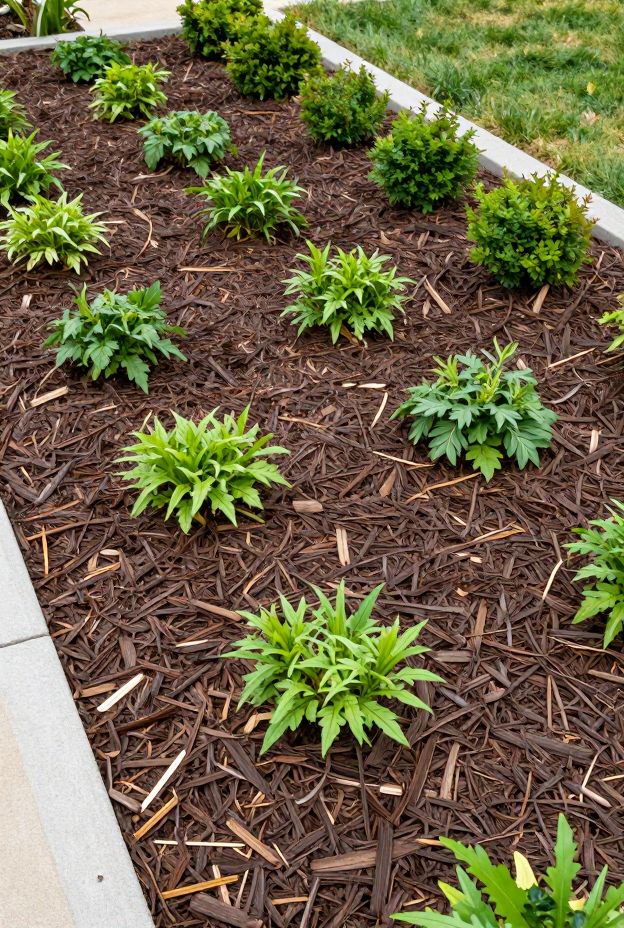
I used to spend hours every week pulling weeds until I got serious about mulching. Now? Maybe 15 minutes a month, tops. Organic mulches like wood chips, bark, or shredded leaves work best. They look natural, smell amazing after it rains, and you don’t have to replace them constantly.
Pro tip: Keep mulch a few inches away from plant stems to prevent rot. You’re welcome 🙂
4. Create Hardscape Focal Points
Want to know a secret? The less actual garden space you have to maintain, the easier your life becomes. Strategic hardscaping reduces your workload while adding serious visual interest to your landscape.
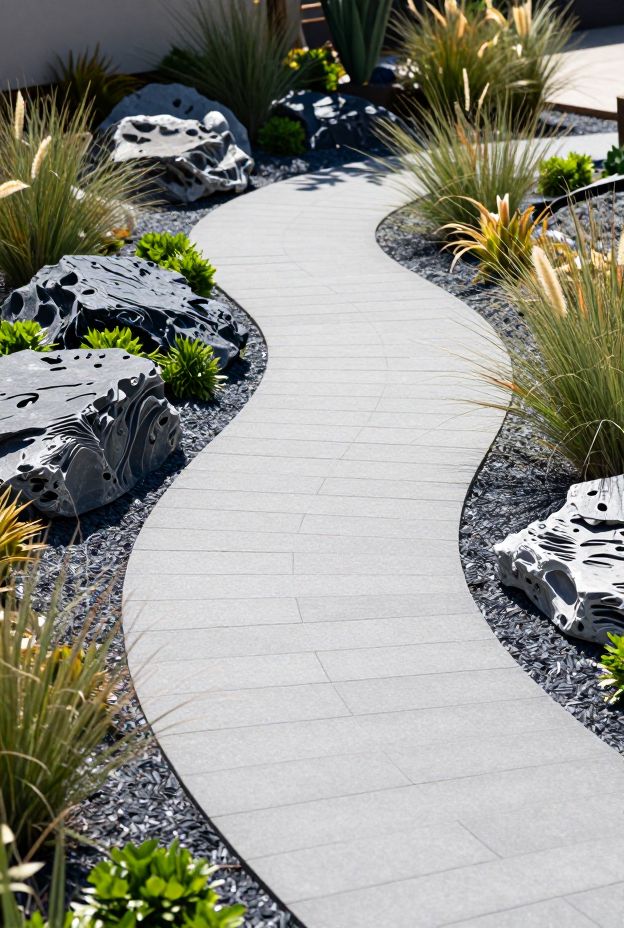
Think patios, pathways, decorative rocks, or even a small water feature. I added a simple stone path through my garden last year, and not only does it look amazing, but it also eliminated about 30 square feet of grass I had to mow. These elements need zero watering, no fertilizing, and they look good year-round.
Plus, hardscaping gives your landscape structure and definition. It’s like adding punctuation to a sentence—suddenly everything makes more sense visually.
5. Zone Your Plants by Water Needs
This concept is called hydrozoning, and it’s brilliant in its simplicity. Group plants with similar water requirements together so you’re not overwatering drought-tolerant plants or under-watering thirsty ones.
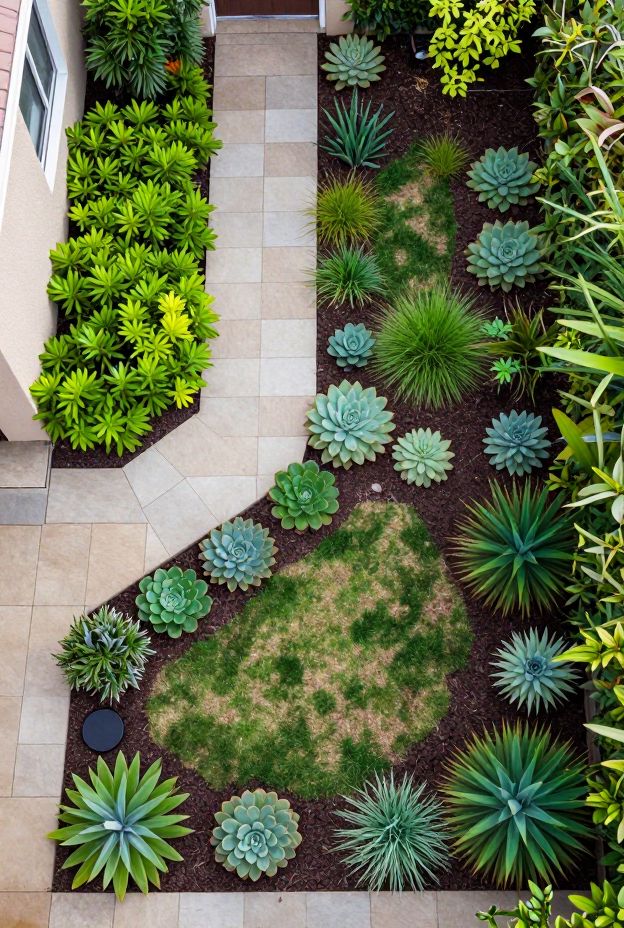
When I finally organized my garden this way, watering became so much more efficient. I have one area near the house with plants that need regular moisture, and the outer zones gradually transition to more drought-tolerant varieties. This strategy cuts down on water waste and keeps plants healthier because each one gets exactly what it needs.
It’s basically Marie Kondo for your garden, but instead of organizing by joy, you’re organizing by thirst level.
6. Let Ground Covers Replace High-Maintenance Grass
Real talk: grass lawns are basically high-maintenance drama queens. They need constant mowing, watering, fertilizing, and aerating. Ground covers like creeping thyme, clover, or sedum offer beautiful alternatives that actually enhance your landscape.
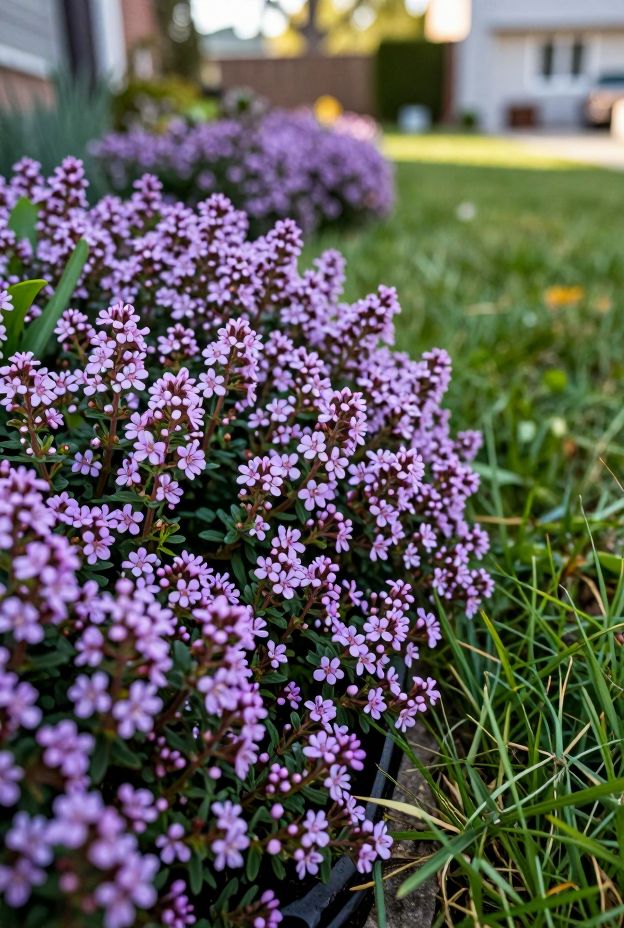
I replaced half my lawn with creeping thyme two summers ago, and it’s been absolutely liberating. It smells incredible when you walk on it, stays green longer than grass, and requires maybe two trims per year instead of weekly mowing. Plus, it’s soft underfoot and flowers beautifully.
The only downside? Your neighbors will keep asking how you got your “lawn” to look so good with so little effort. Prepare for jealousy.
7. Choose Perennials Over Annuals
Listen, annuals are pretty and all, but who wants to replant their entire garden every single year? Not this gardener. Perennials come back season after season, establishing stronger root systems and requiring less care as they mature.
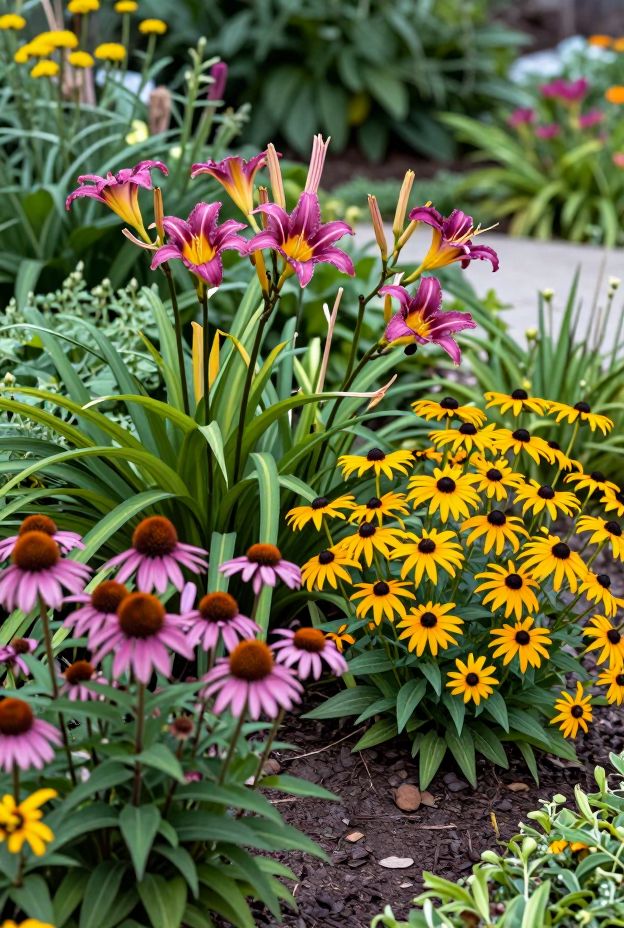
My perennial beds are packed with hostas, daylilies, coneflowers, and black-eyed Susans. They hibernate in winter, pop back up in spring, and give me months of color without any replanting drama. Sure, the initial investment is higher than buying cheap annuals, but the long-term savings in time and money are undeniable.
Think of perennials as the long-term relationship of the plant world—they stick around and just keep getting better.
8. Install Raised Beds for Easy Access
If you’re growing vegetables or herbs, raised beds are absolute game-changers. They provide better drainage, warm up faster in spring, and save your back from all that bending and kneeling.
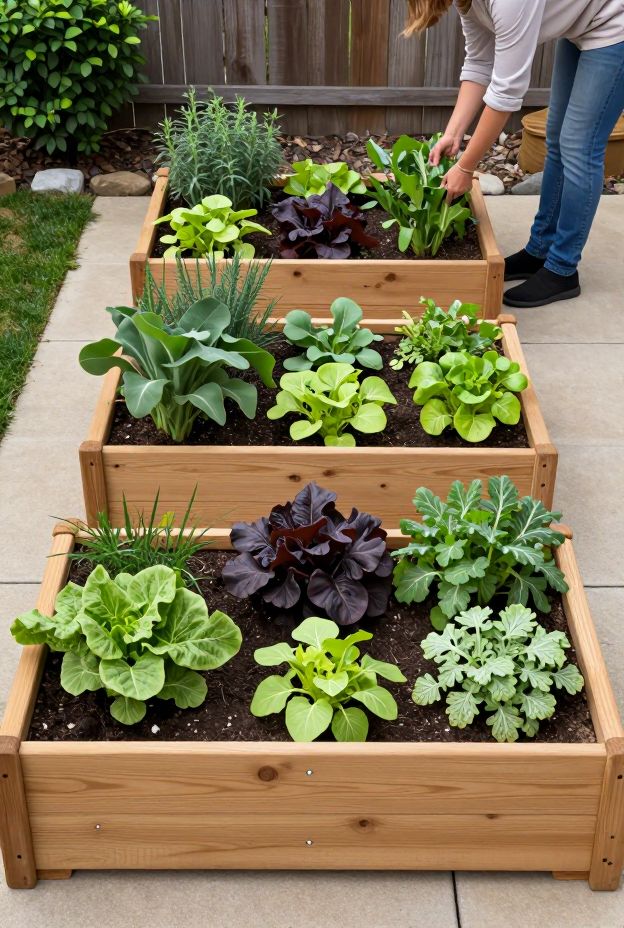
I built three raised beds in my backyard using cedar planks, and they’ve made gardening about 1000% more enjoyable. The soil quality is easier to control, weeds have a harder time invading, and everything just grows better. Plus, you can sit on the edges while you work, which is a surprisingly nice bonus.
FYI, you can make them as high as you want—waist-high beds exist for people who really hate bending over. No judgment here.
9. Use Ornamental Grasses for Year-Round Interest
Ever noticed how ornamental grasses always look effortlessly beautiful? That’s because they’re literally designed to be low-maintenance superstars. These plants provide texture, movement, and visual interest through all four seasons.
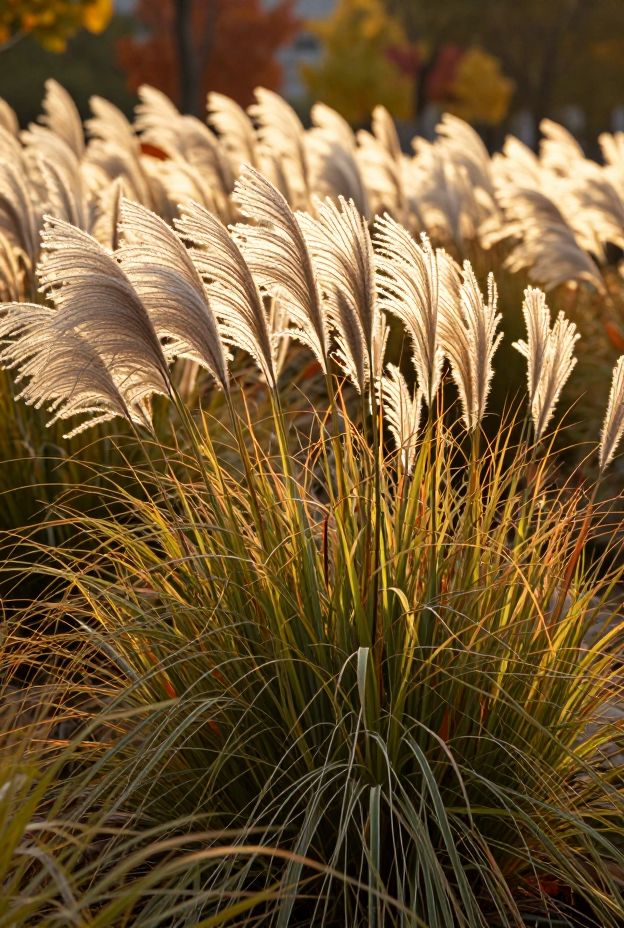
Varieties like fountain grass, maiden grass, or blue fescue require minimal care—basically just a yearly trim in early spring. They’re drought-tolerant once established, deer usually avoid them, and they look amazing swaying in the breeze. I have three large clumps of Karl Foerster feather reed grass in my landscape, and they’re consistently the most complimented feature.
The winter interest alone is worth it. When everything else looks dead, ornamental grasses add structure and beauty to your winter landscape.
10. Create a Rock Garden for Dry Areas
Got a spot where nothing seems to grow? Rock gardens are perfect for those challenging dry, sunny areas that reject regular plants. Combine interesting rocks with drought-tolerant succulents, sedums, and alpine plants for a stunning, zero-fuss display.
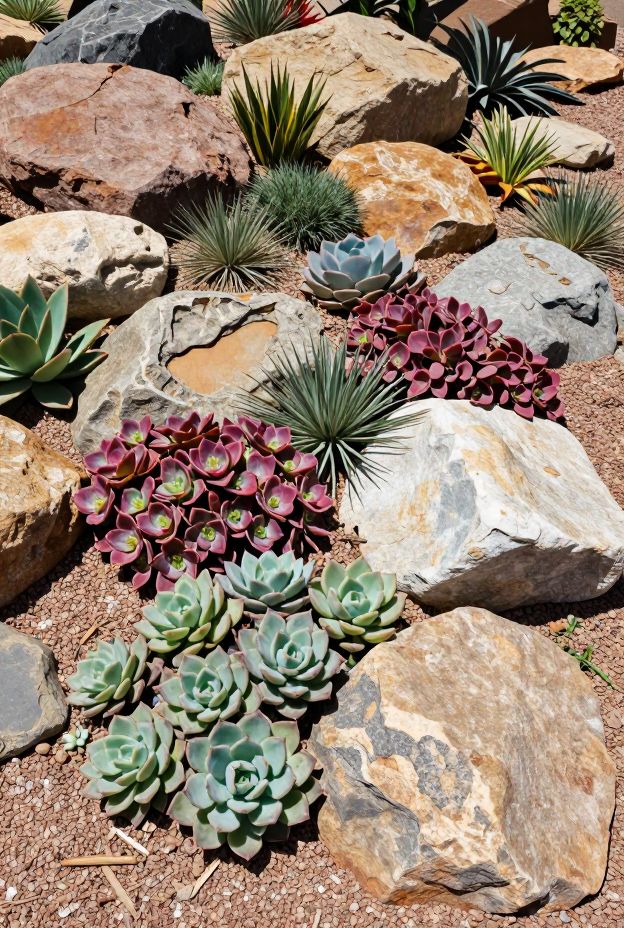
I created a rock garden in the hellstrip between my sidewalk and street where grass refused to grow. Threw in some colorful rocks, planted a few hardy sedums, and boom—problem solved. It looks intentionally artistic and requires maybe 30 minutes of maintenance per year.
Seriously, rock gardens are for people who want gorgeous landscapes but also want to spend their weekends doing literally anything else.
11. Plant Evergreen Shrubs for Structure
Want a landscape that looks good 365 days a year without extra work? Evergreen shrubs are your answer. They provide constant greenery, structure, and privacy without the seasonal drama of deciduous plants.
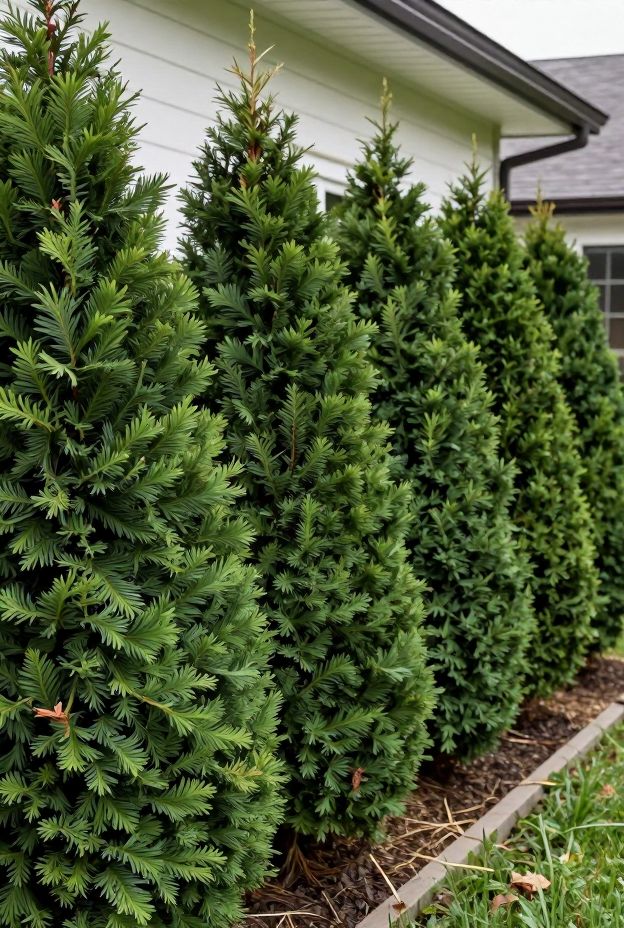
Boxwoods, holly, and dwarf conifers are my go-to choices. They need occasional trimming to maintain shape, but that’s about it. I have a row of boxwoods along my foundation that look exactly the same in January as they do in July. No leaf cleanup, no seasonal dieback, just steady, reliable beauty.
They’re basically the reliable friend who shows up consistently and never creates drama. We all need more of those in our lives, right?
12. Add Landscape Fabric Before Mulching
Okay, this tip is a bit controversial because some gardeners hate landscape fabric. But IMO, using quality landscape fabric under your mulch significantly reduces weed problems in areas where you’re not planning to change plants frequently.
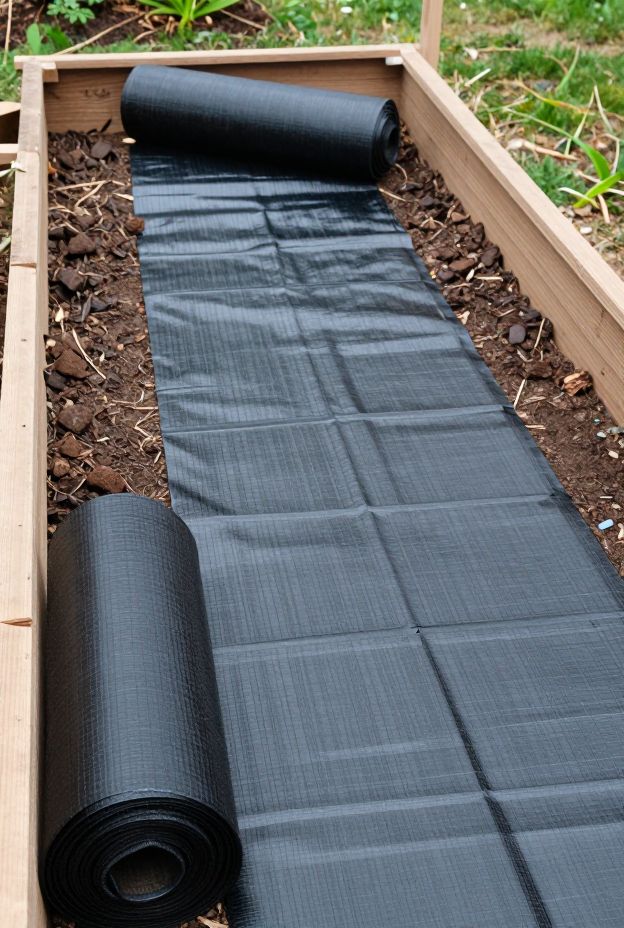
I use it in my foundation beds where the plant layout is permanent. The cheap stuff is worthless—invest in commercial-grade fabric that lets water through but blocks weeds. Cover it with mulch for aesthetics, and you’ll spend way less time weeding.
Just don’t use it in vegetable gardens or anywhere you’ll be planting and replanting regularly. That’s a recipe for frustration.
13. Incorporate Self-Seeding Flowers
Why plant the same flowers every year when they can plant themselves? Self-seeding flowers like cosmos, California poppies, and bachelor’s buttons drop seeds naturally and come back stronger each year.
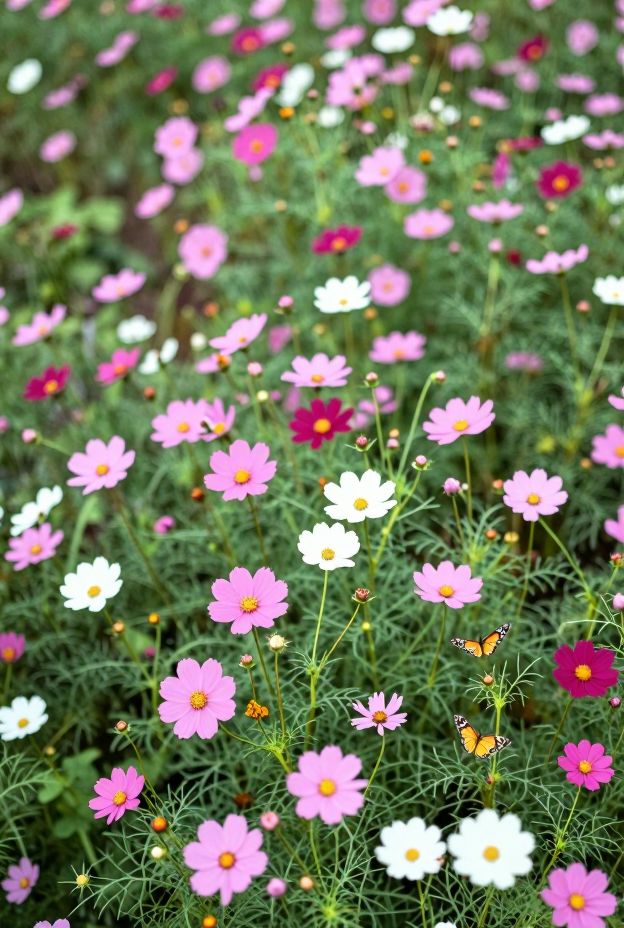
The first year, you plant them. After that, they handle their own reproduction like responsible adults. My cosmos patch has been growing and spreading for three years now, and I haven’t bought or planted a single new plant. They pop up, bloom all summer, drop seeds, and repeat the cycle.
It’s like having a garden that runs on autopilot. What’s not to love?
14. Choose Compact, Dwarf Varieties
Full-size plants often need staking, constant pruning, and more space than most of us have. Dwarf and compact varieties stay naturally small and require significantly less maintenance while still delivering beautiful blooms or foliage.
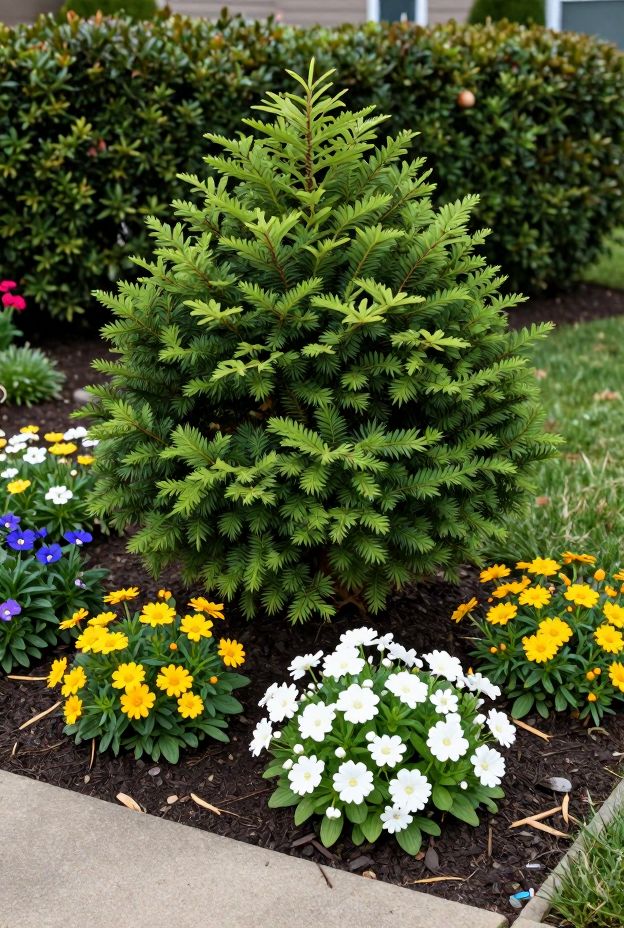
I replaced my oversized butterfly bush with a dwarf variety, and the difference is remarkable. It stays manageable without aggressive pruning, blooms just as profusely, and doesn’t take over half my garden. Same goes for dwarf conifers, compact hydrangeas, and miniature roses.
Think of them as the perfectly edited version of their larger cousins—all the good stuff, none of the overwhelming size.
15. Create Natural Moss Gardens in Shady Spots
Struggling to grow anything in deep shade? Stop fighting nature and encourage moss instead. Moss gardens are ridiculously low-maintenance, stay green year-round, and create a peaceful, zen-like atmosphere.
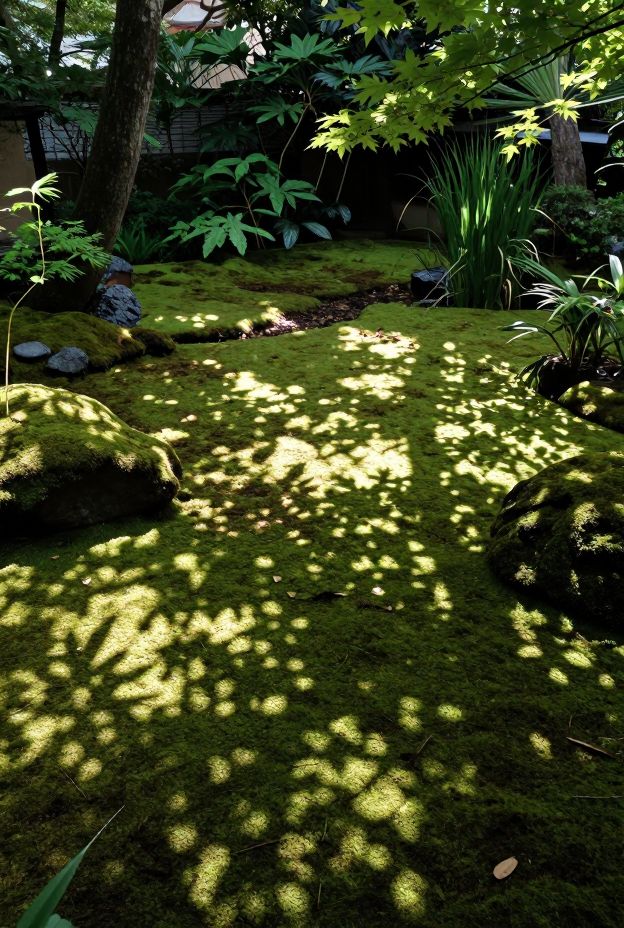
I have a shady corner where grass gave up years ago. Instead of constantly reseeding, I cleared it, kept it moist for a few weeks, and let the native moss take over naturally. Now it’s this lush, soft green carpet that needs zero mowing, no fertilizing, and barely any water once established.
The ancient Japanese have been doing this for centuries, so clearly, they’re onto something. Sometimes the best solution is working with what nature wants to grow anyway.
Final Thoughts
Creating a low-maintenance landscape isn’t about being lazy—it’s about being smart with your time and resources. These 15 ideas prove you can have a stunning outdoor space without sacrificing your weekends to endless garden chores. Start with one or two strategies that match your specific needs, and gradually transform your landscape into something beautiful and manageable.
The goal isn’t perfection; it’s creating an outdoor space you actually enjoy instead of one that feels like a second job. Your future self will thank you when you’re sipping lemonade on your patio instead of pulling weeds 🙂