So you want to grow your own veggies but don’t know where to start? Or maybe you’re already a seasoned gardener looking for fresh ideas to boost your harvest? Either way, you’re in the right spot. I’ve been growing vegetables for years now, and trust me, I’ve made every mistake in the book. But hey, that’s how we learn, right? 🙂 Let me share some ideas that actually work without all the complicated jargon that makes gardening sound like rocket science.
1. Vertical Growing for Space-Challenged Gardeners
Running out of space? Welcome to the club. Here’s the thing: you don’t need a massive backyard to grow tons of vegetables. Vertical gardening changed my life, and I’m not even exaggerating.
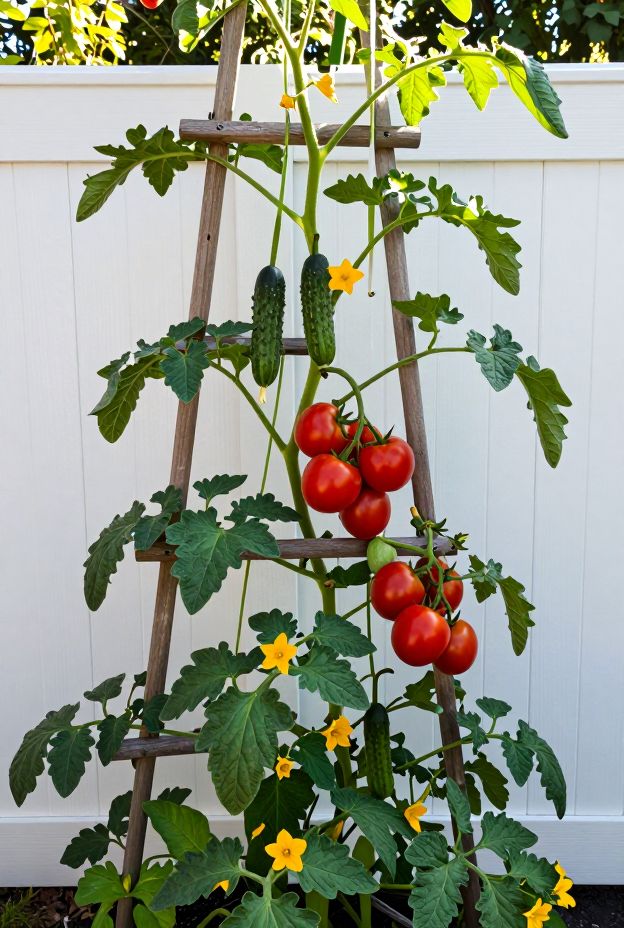
Think trellises, stakes, and wall-mounted planters. Tomatoes, cucumbers, beans, and peas absolutely love climbing upward. You get more yield per square foot, better air circulation (which means fewer diseases), and harvesting becomes way easier because everything’s at eye level.
I attached some simple wire mesh to my fence last season and grew more cucumbers than I knew what to do with. The neighbors got real tired of my cucumber gifts, FYI.
2. Square Foot Gardening Method
Ever heard of this? It’s basically gardening for people who love organization. You divide your garden bed into square-foot sections and plant different crops in each square based on their spacing needs.
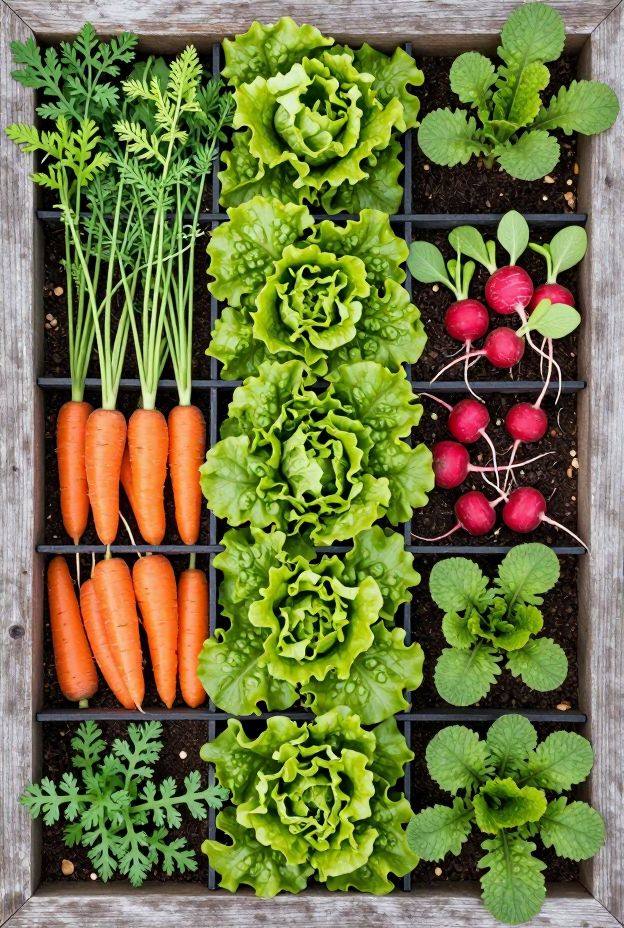
One square foot can hold:
- 1 tomato or pepper plant
- 4 lettuce or chard plants
- 9 beets or spinach plants
- 16 carrots or radishes
This method prevents overplanting and makes crop rotation super simple. Plus, it looks neat, which honestly matters more than it should.
3. Companion Planting Combos That Actually Work
Some plants are besties, others are frenemies. Knowing which is which saves you headaches down the road.
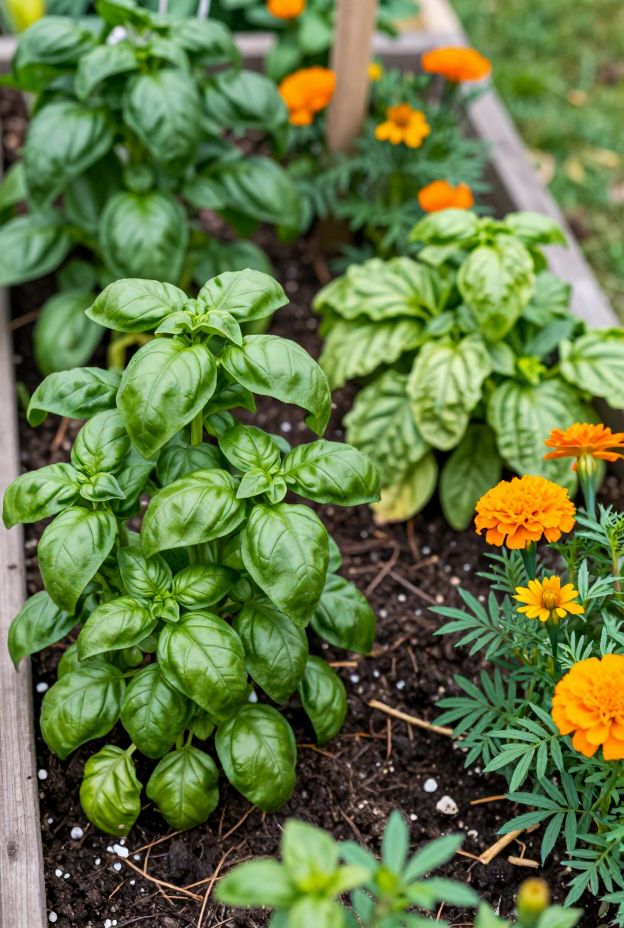
Plant basil next to tomatoes to improve flavor and repel pests. Stick marigolds everywhere because they’re like the bodyguards of the garden world. Carrots and onions make great neighbors since they repel each other’s pests.
But keep beans away from onions, and never plant tomatoes near potatoes. Trust me on this one. I learned the hard way when my tomato plants developed some nasty disease that spread faster than gossip.
4. Raised Bed Gardening
Want better drainage, warmer soil, and fewer weeds? Raised beds are your answer. They’re especially perfect if you’re dealing with terrible soil or have back problems.
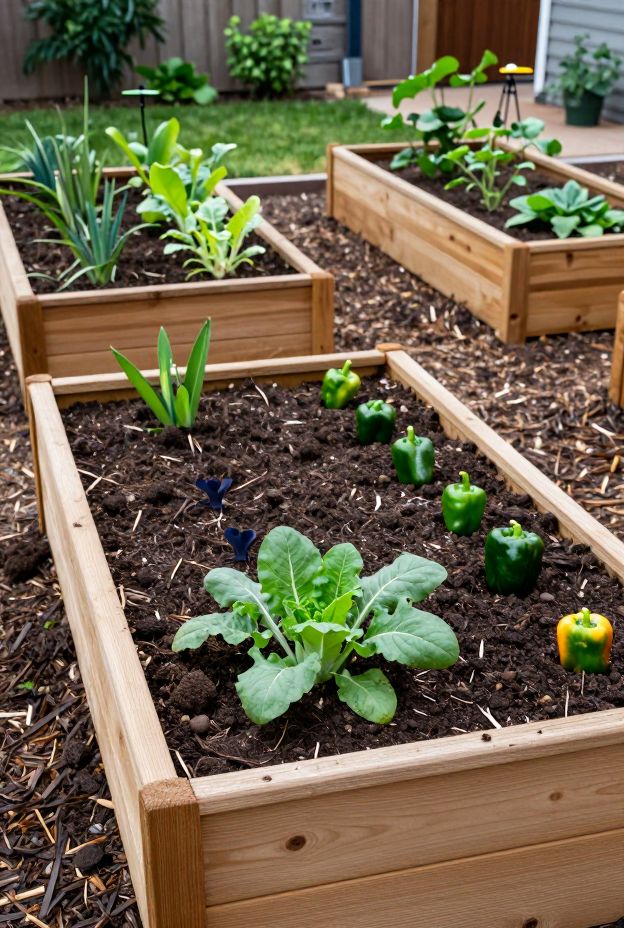
You control exactly what soil goes in there, which means better nutrients for your plants from day one. The soil warms up faster in spring, giving you a head start on the growing season. And honestly? They just look professional.
I built mine from cedar boards (they last longer than pine), filled them with a mix of compost, peat moss, and vermiculite, and never looked back.
5. Succession Planting for Continuous Harvests
Why harvest everything at once when you can have fresh produce all season long? That’s where succession planting comes in.
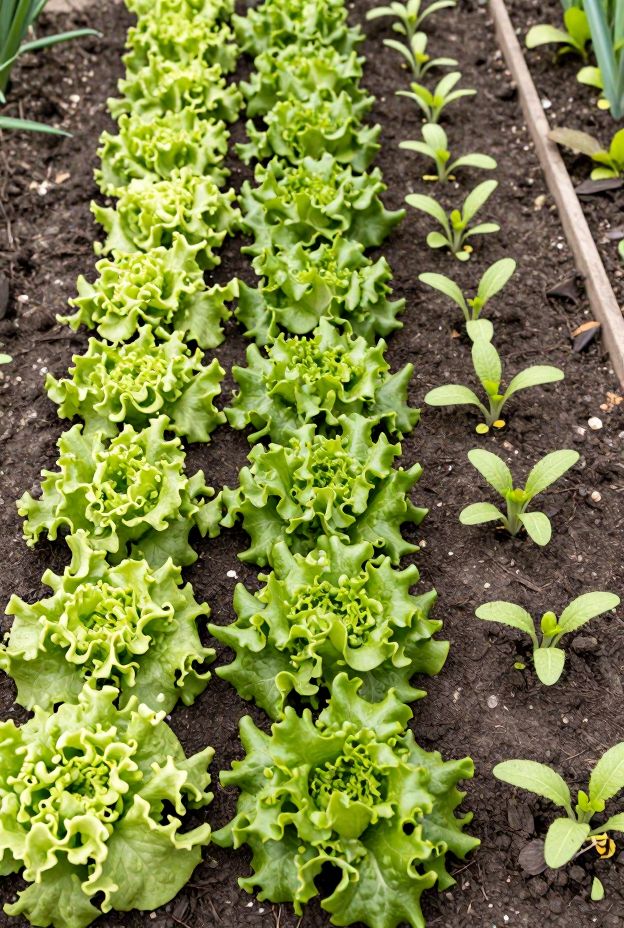
Instead of planting all your lettuce seeds in one go, plant a new batch every two weeks. Same goes for radishes, beans, and carrots. This way, you’re not drowning in lettuce for one week and then eating nothing for the next month.
IMO, this is the difference between casual gardeners and people who actually use what they grow. Space your plantings out, and your future self will thank you.
6. Container Gardening on Patios and Balconies
No yard? No problem. Containers are incredibly versatile and mobile. You can literally chase the sun by moving your pots around.
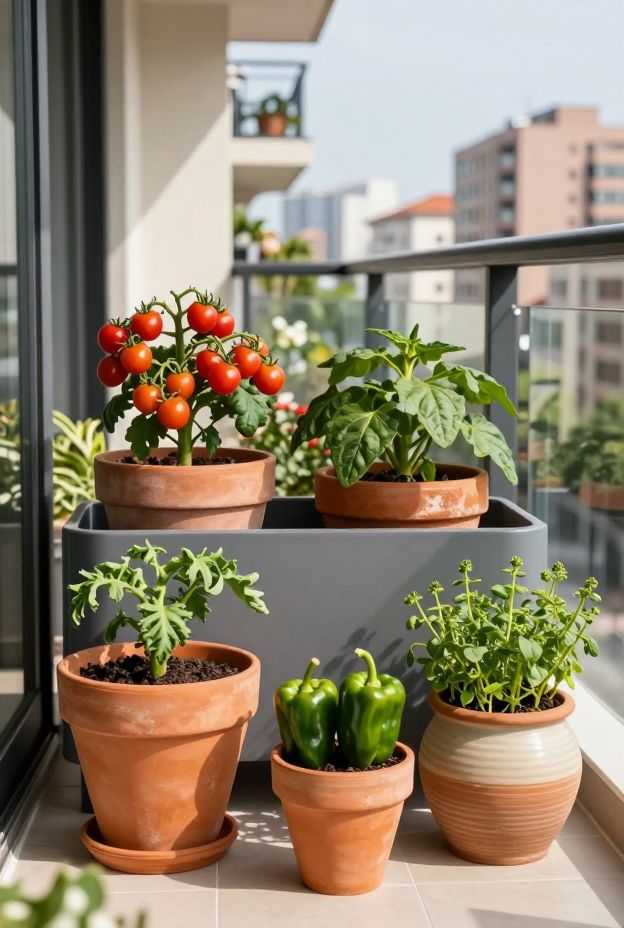
Best vegetables for containers:
- Cherry tomatoes (get a dwarf variety)
- Peppers (they actually prefer containers)
- Lettuce and other salad greens
- Herbs (obviously)
- Bush beans
Just make sure your containers have drainage holes. Seriously, this isn’t optional. Waterlogged roots equal dead plants, and nobody wants that drama.
7. The Three Sisters Garden
This Native American technique has been around for centuries, and there’s a good reason why. You plant corn, beans, and squash together in the same space, and they support each other naturally.
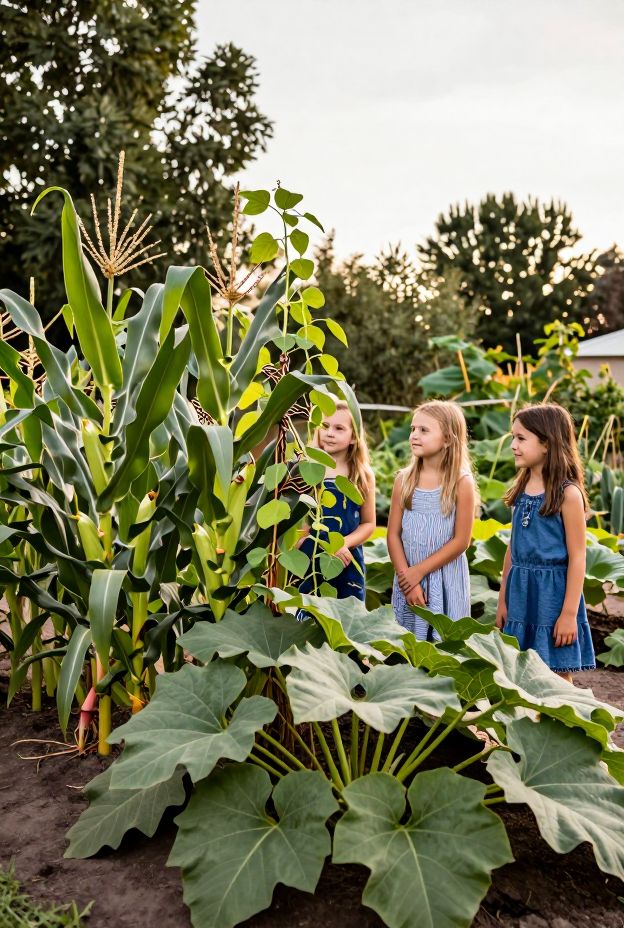
The corn provides a natural trellis for beans to climb. The beans fix nitrogen in the soil, feeding the corn. The squash spreads out below, shading the soil to retain moisture and prevent weeds. It’s like the Avengers of vegetable gardening.
Plus, it looks cool and makes you feel like you know what you’re doing. :/ Even when you’re winging it.
8. Intensive Gardening with Deep Mulching
Want to water less and weed less? Layer on that mulch thick. I’m talking 4-6 inches of organic mulch around your plants.
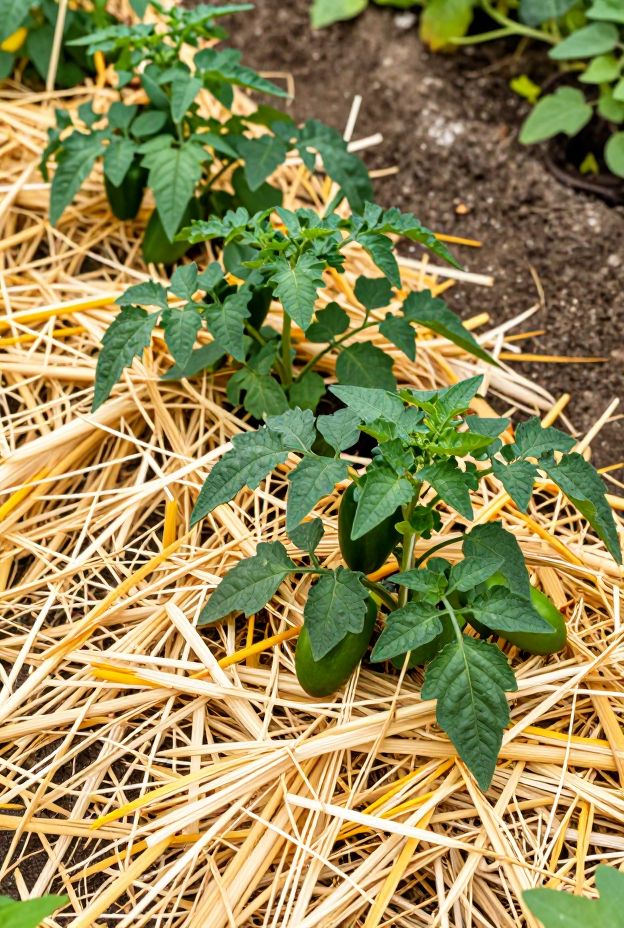
Mulch keeps soil temperatures consistent, retains moisture, and breaks down over time to improve soil quality. Use straw, shredded leaves, or grass clippings. Just avoid using hay because it’s loaded with seeds that’ll sprout into a weed nightmare.
I mulch everything heavily in early summer, and I barely touch my hose afterward. Game changer for lazy gardeners like me who hate daily watering.
9. Season Extension with Row Covers and Cold Frames
Why limit yourself to just summer growing? Stretch your season with some simple protection methods.
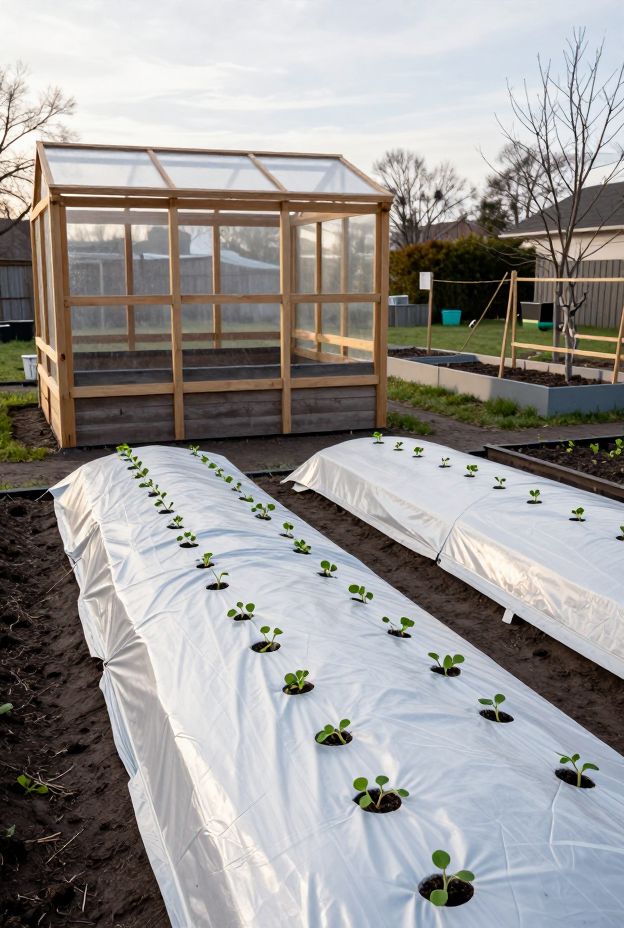
Row covers are lightweight fabric that traps heat while letting water and light through. They protect against light frosts and pests. Cold frames are basically mini greenhouses, perfect for starting seeds early or growing greens into winter.
I use row covers in early spring to get my plants out earlier, and honestly, it gives me a solid three-week advantage over my neighbors. That competitive edge feels good.
10. No-Till Gardening for Soil Health
Tilling destroys soil structure and kills beneficial organisms. So why do we keep doing it? Because tradition, I guess. But there’s a better way.
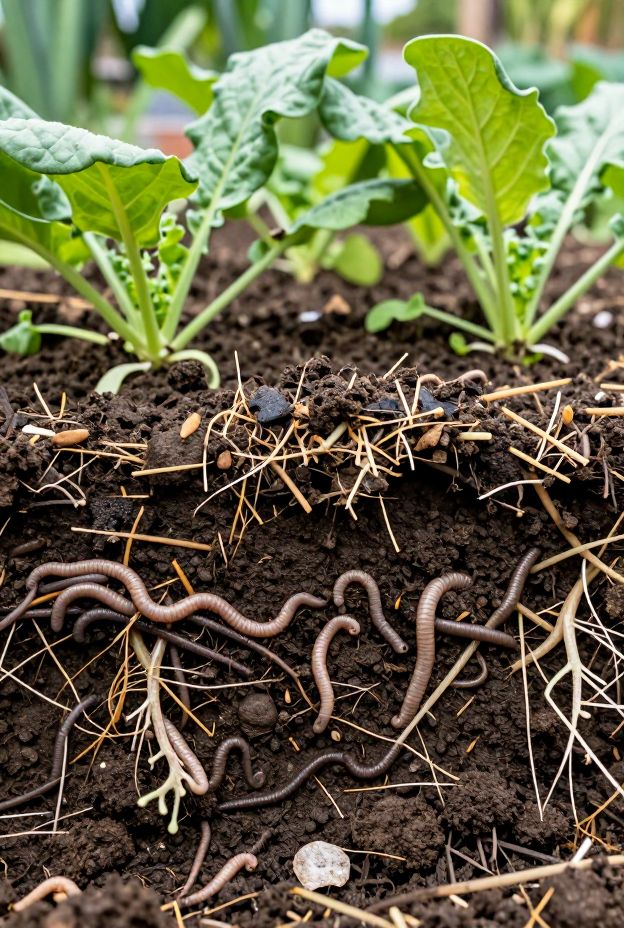
With no-till gardening, you layer compost and organic matter on top of the soil and let nature do the work. Worms and microorganisms will incorporate it over time. Your soil structure stays intact, water retention improves, and you save your back from unnecessary labor.
It takes a season or two to really see the benefits, but once your soil gets fluffy and dark, you’ll understand why people swear by this method.
11. Interplanting Fast and Slow Growers
Ever feel like you’re wasting space while waiting for tomatoes to grow? Plant some quick crops in between.
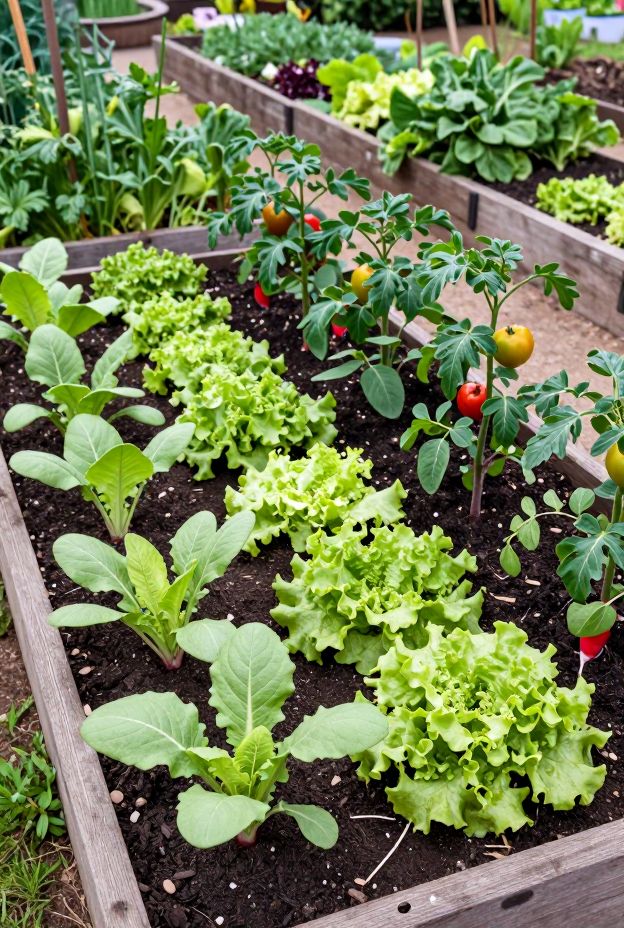
Radishes, lettuce, and spinach mature in 30-45 days. Plant them between your tomatoes, peppers, or squash that won’t fill out for months. By the time your main crops need the space, you’ve already harvested the fast growers.
This technique maximizes space usage and keeps your garden producing constantly. It’s like the gardening version of multitasking.
12. Hydroponic Tower Gardens
Okay, this one’s a bit fancier, but hear me out. If you’re serious about maximizing production in minimal space, hydroponic towers are incredible.
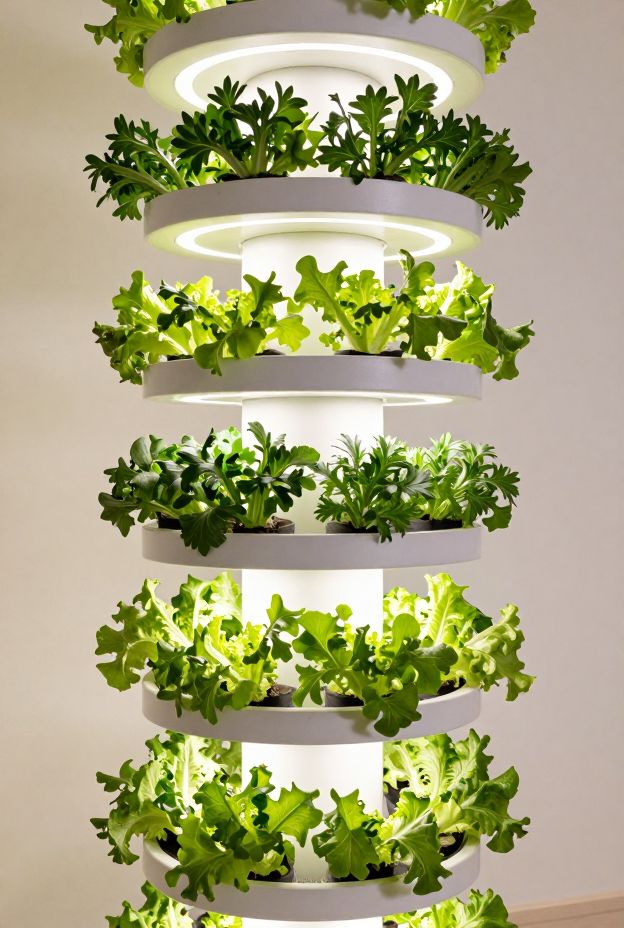
They grow plants vertically without soil, using nutrient-rich water instead. You can grow lettuce, herbs, strawberries, and even tomatoes in a footprint smaller than a laundry basket. Plus, they grow faster because nutrients go straight to the roots.
The initial investment is higher, but if space is your enemy, this solves that problem real quick. I’ve seen people grow entire salads on their apartment balconies with these things.
13. Self-Watering Containers with Reservoirs
Tired of constantly checking if your plants need water? Self-watering containers have a built-in reservoir that lets plants drink as needed.
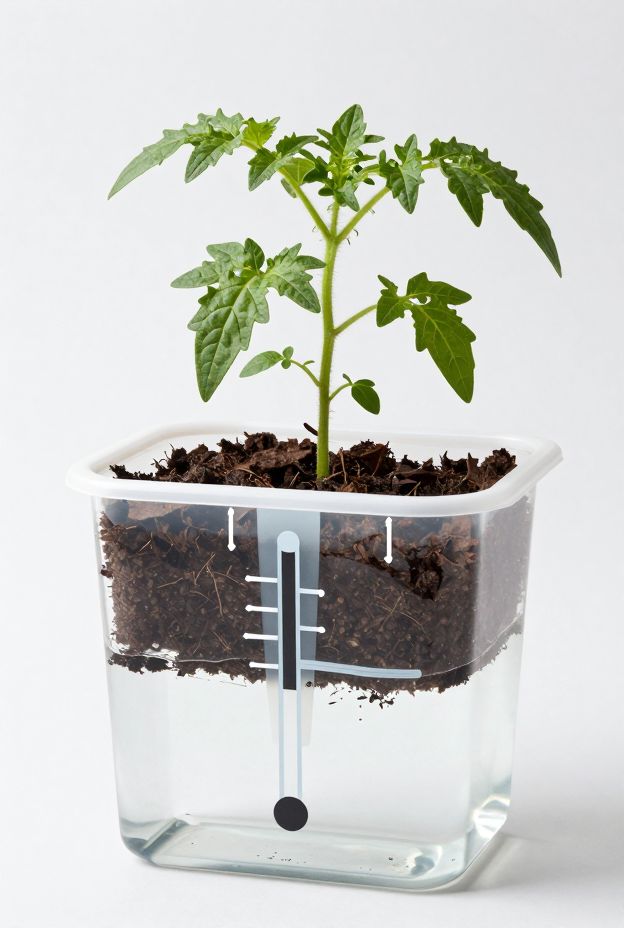
They’re perfect for busy people or frequent travelers. You fill the reservoir every few days instead of watering daily. Plants grow better because they get consistent moisture without the feast-or-famine cycle of hand watering.
You can buy them pre-made or DIY them with buckets and PVC pipe. I’ve done both, and honestly, the DIY versions work just as well for a fraction of the price.
14. Crop Rotation for Disease Prevention
This sounds complicated, but it’s not. Simply put: don’t plant the same vegetable family in the same spot two years in a row.
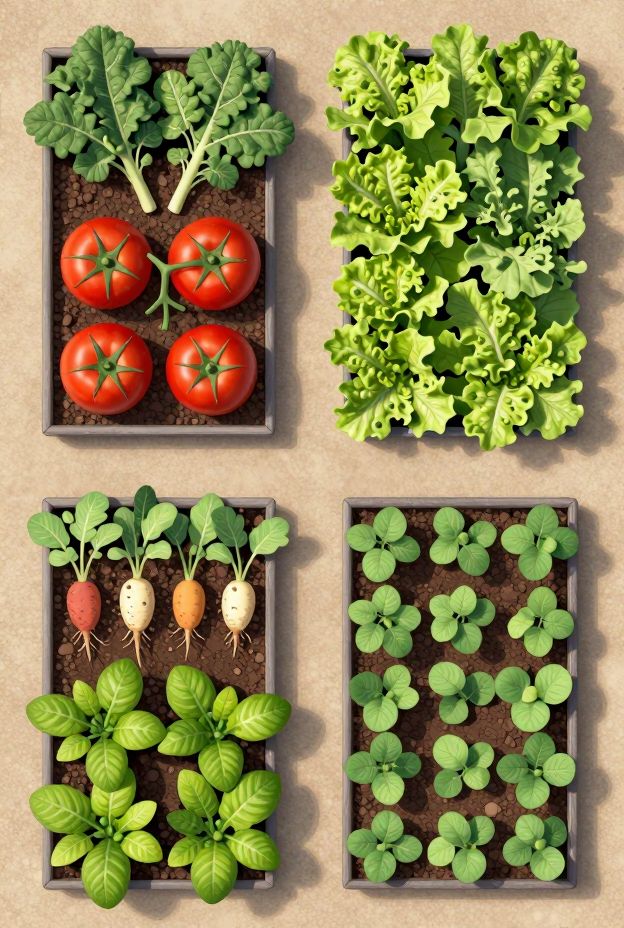
Rotate between plant families to prevent soil-borne diseases and nutrient depletion. Follow heavy feeders (tomatoes, corn) with light feeders (carrots, radishes) or nitrogen fixers (beans, peas).
Basic rotation cycle:
- Year 1: Fruiting crops (tomatoes, peppers)
- Year 2: Leafy greens (lettuce, spinach)
- Year 3: Root vegetables (carrots, beets)
- Year 4: Legumes (beans, peas)
Keep a simple garden journal noting what grew where. Future you will appreciate having that reference instead of relying on memory.
Final Thoughts
Growing your own vegetables doesn’t require perfection or a degree in horticulture. Start with one or two of these ideas and build from there. Every garden is different, and what works for me might need tweaking for your situation.
The best garden is the one you’ll actually maintain. So pick methods that match your lifestyle, space, and energy level. Don’t overthink it. Just get your hands dirty and learn as you go. Your first tomato harvest will make all the effort worth it, I promise.
Now get out there and grow something delicious. You’ve got this.