You’ve got a tiny balcony, a postage-stamp backyard, or maybe just a narrow strip of concrete that’s begging for some greenery. Sound familiar? I’ve been there, and I’m here to tell you that small spaces don’t mean you have to give up your gardening dreams. Raised garden beds are your secret weapon for turning cramped quarters into productive, gorgeous growing spaces.
The beauty of raised beds is that they work anywhere. You control the soil quality, they’re easier on your back, and they look pretty darn good too. Let me walk you through 10 raised garden bed ideas that’ll transform even the tiniest space into a mini farm. Trust me, your neighbors will be jealous 🙂
1. Vertical Tiered Planters
Think of this as the apartment building of garden beds. You stack multiple small beds vertically, creating layers that maximize your growing space without eating up precious square footage. I love these because they turn a boring wall into a living masterpiece.
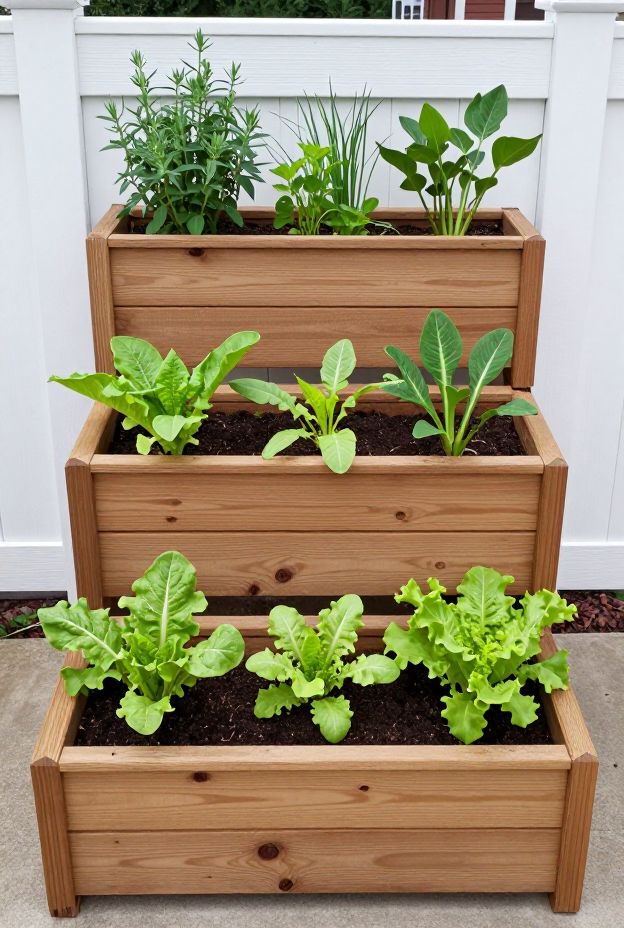
Each tier gets its own microclimate, which is perfect for growing different plants. Put your sun-loving herbs on top and shade-tolerant greens below. You’re essentially tripling your garden space without expanding your footprint. Pretty smart, right?
The best part? You can build these from repurposed wood pallets or buy ready-made versions. Just make sure each level gets adequate drainage, or you’ll end up with a soggy mess. Water flows down naturally from tier to tier, so start watering at the top and work your way down.
2. Corner L-Shaped Beds
Got an awkward corner that’s just sitting there doing nothing? Transform it with an L-shaped raised bed. These beauties hug your space perfectly and make use of areas you’d otherwise waste.
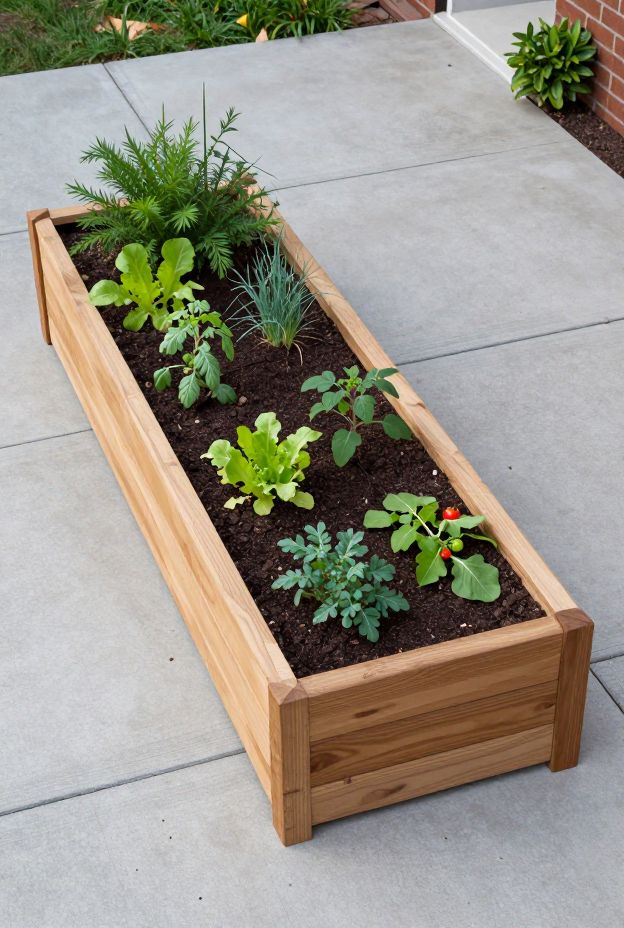
I built one of these in my own tiny patio, and it became my favorite spot. The corner design creates a natural flow and actually makes small spaces feel more intentional rather than cramped. You can even add a small bench on one side and turn it into a cozy garden nook.
Design tip: Keep the width narrow enough that you can reach the back from either side. About 2-3 feet works perfectly. You don’t want to do yoga poses just to harvest your tomatoes.
3. Rolling Garden Carts
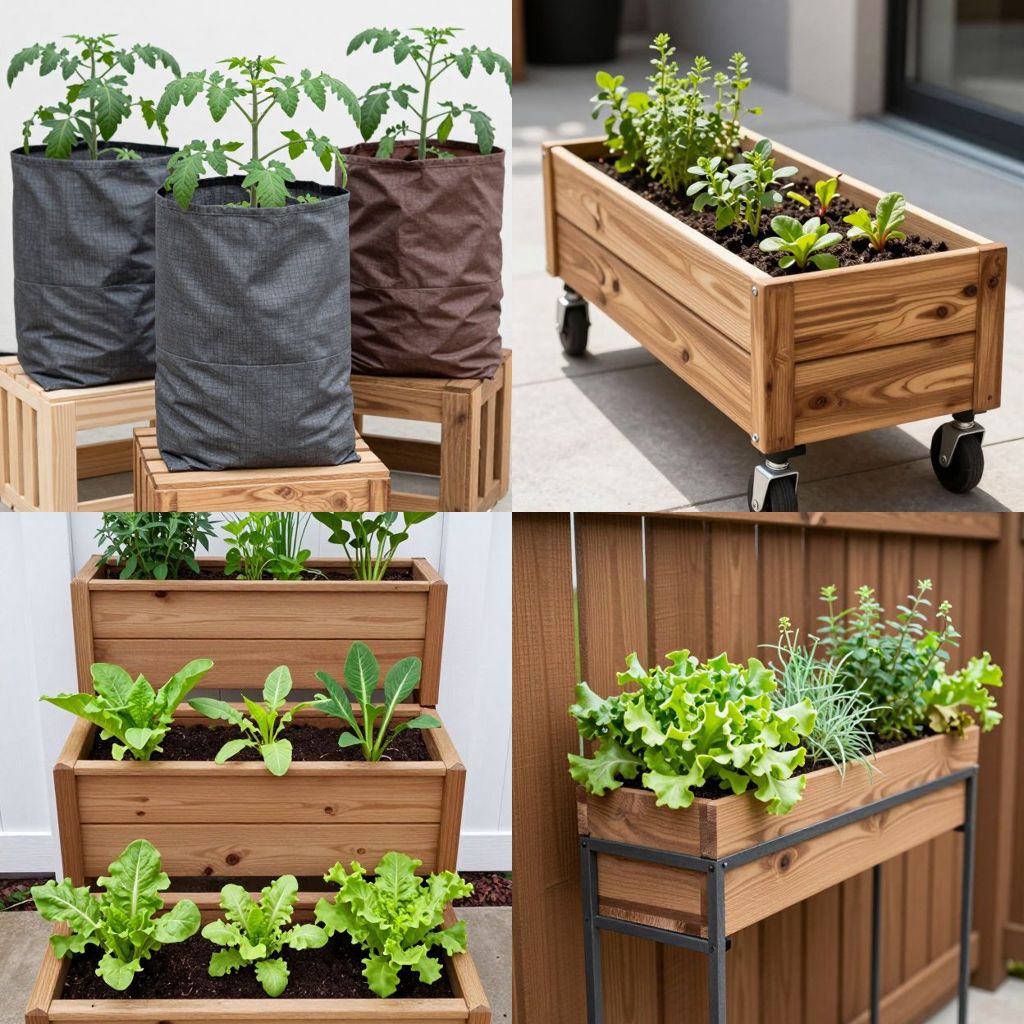
Ever wish you could chase the sun with your plants? Rolling raised beds make that dream a reality. These mobile gardens sit on heavy-duty casters, letting you move them wherever you need.
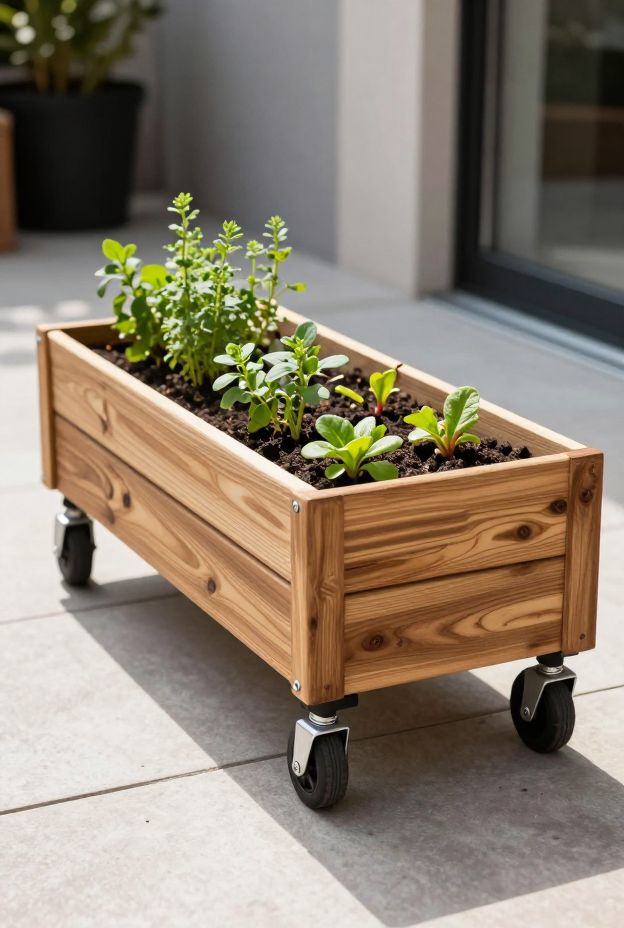
This idea works brilliantly for renters or anyone who might need flexibility. Morning sun on the east side, afternoon shade by the wall, or just roll them out of the way when you’re hosting a barbecue. Maximum versatility, minimum commitment.
FYI, make sure you use locking wheels, or you’ll have runaway tomatoes every time the ground isn’t level. Also, keep these beds shallower and lighter than stationary ones because soil gets heavy fast.
4. Window Box Style Elevated Beds
Remember those charming window boxes in European villages? Now imagine that concept supersized into a raised bed. These long, narrow planters sit at waist height and work perfectly along fences, walls, or balcony railings.
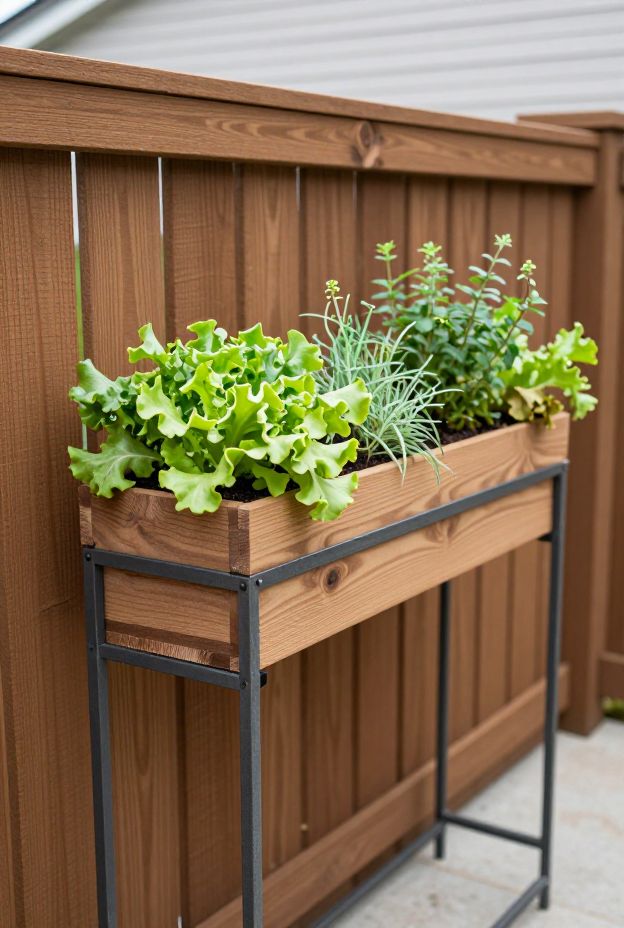
The elevated design means zero bending, which your back will thank you for. I find these perfect for salad greens, herbs, and strawberries. Anything that you harvest frequently benefits from this accessible setup.
You can mount them directly to railings or build simple legs underneath. Just remember to consider weight if you’re attaching them to structures. Soil plus water equals surprisingly heavy, and you don’t want to damage anything.
5. Keyhole Garden Beds
Here’s where things get interesting. Keyhole gardens originated in Africa and pack serious functionality into a circular design. Picture a round raised bed with a wedge cut out for access and a composting basket in the center.
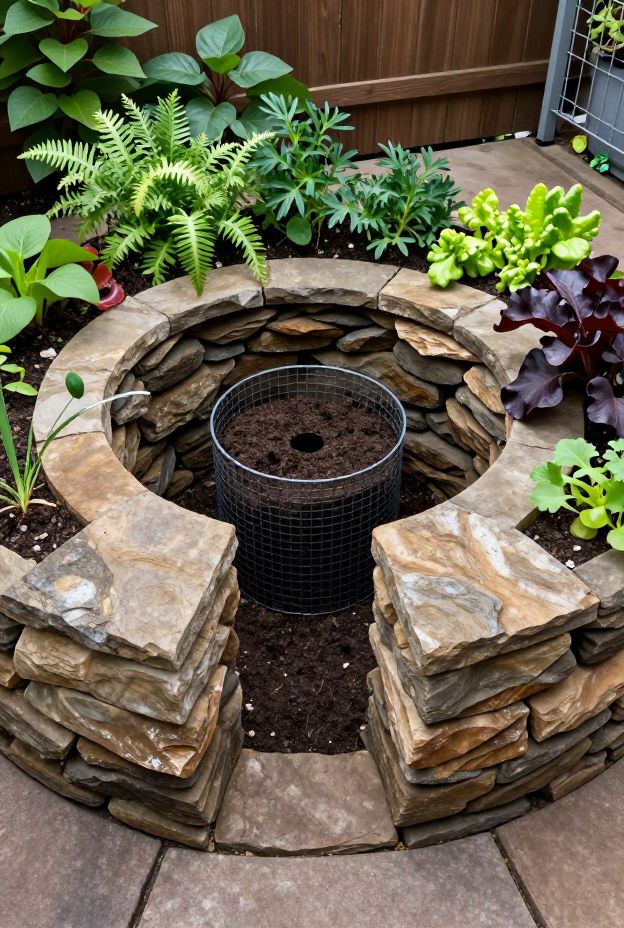
The composting basket feeds your plants directly while you grow them. How efficient is that? You toss your kitchen scraps in the middle, and the nutrients leach out to surrounding plants. It’s like having a built-in fertilizer system that works 24/7.
These fit surprisingly well in small spaces because the keyhole access means you can reach everything without stepping on soil. The 6-foot diameter version gives you about 20 square feet of growing space but takes up way less room than a traditional rectangular bed.
6. Ladder-Style Stepped Beds
Lean an old ladder against your fence, add some planter boxes to each rung, and boom—instant vertical garden. Okay, it’s slightly more involved than that, but not much. This design looks fantastic and uses vertical space like a champ.
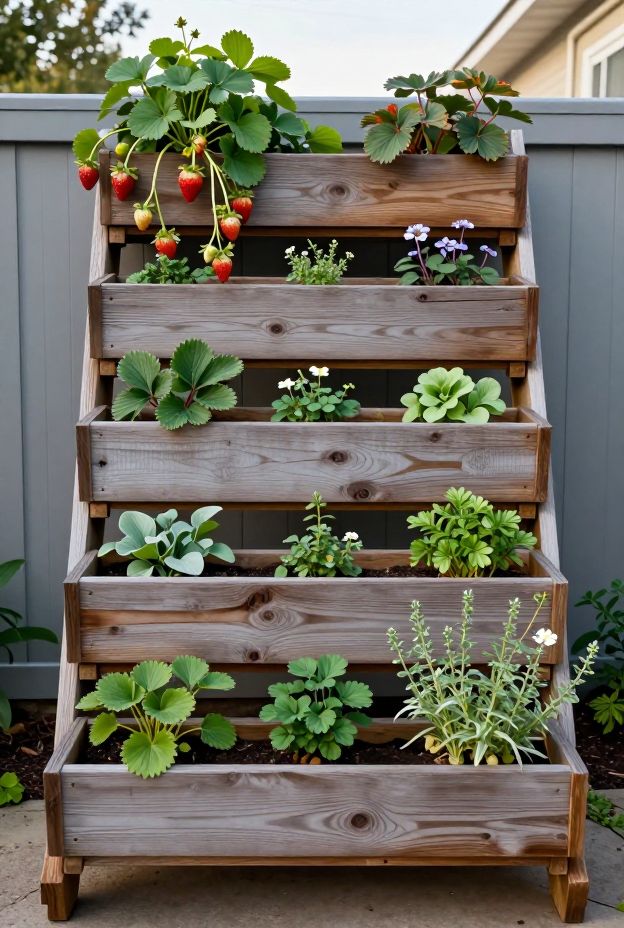
Each step creates a separate growing zone, perfect for different plant heights. Trailing plants like cherry tomatoes or strawberries look amazing cascading down from upper levels. I’ve seen these dressed up with paint and decorative elements that make them genuine focal points.
Pro tip: Secure the ladder firmly to prevent tipping. You can attach it to a wall or fence, or build a more permanent A-frame structure. Either way, stability matters when you’re stacking soil and plants up high.
7. Fabric Grow Bags on Stands
Okay, hear me out on this one. Fabric grow bags technically aren’t “raised beds” in the traditional sense, but when you put them on simple wooden stands or crates, they absolutely count. Plus, they’re ridiculously affordable and portable.
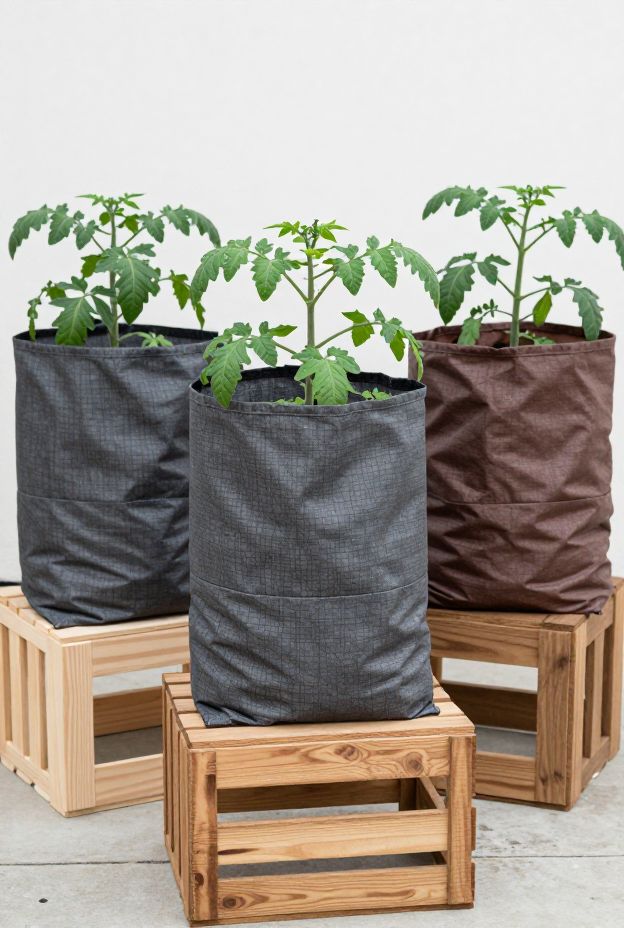
The fabric material provides excellent drainage and air pruning for roots, which means healthier plants. I was skeptical at first, but these things actually outperform rigid containers in many cases. Your roots grow denser and more fibrous instead of circling endlessly.
You can find these in every size imaginable, from tiny 3-gallon bags for herbs to massive 30-gallon behemoths for tomatoes or potatoes. Stack them on old wooden crates or build simple platforms, and you’ve got instant raised beds that cost a fraction of lumber prices.
8. Stair-Step Cascade Design
Picture stadium seating, but make it gardens. This design stacks multiple beds at different heights, creating a cascading effect that looks absolutely stunning. Each level sits slightly behind and above the previous one, so every plant gets full sun exposure.
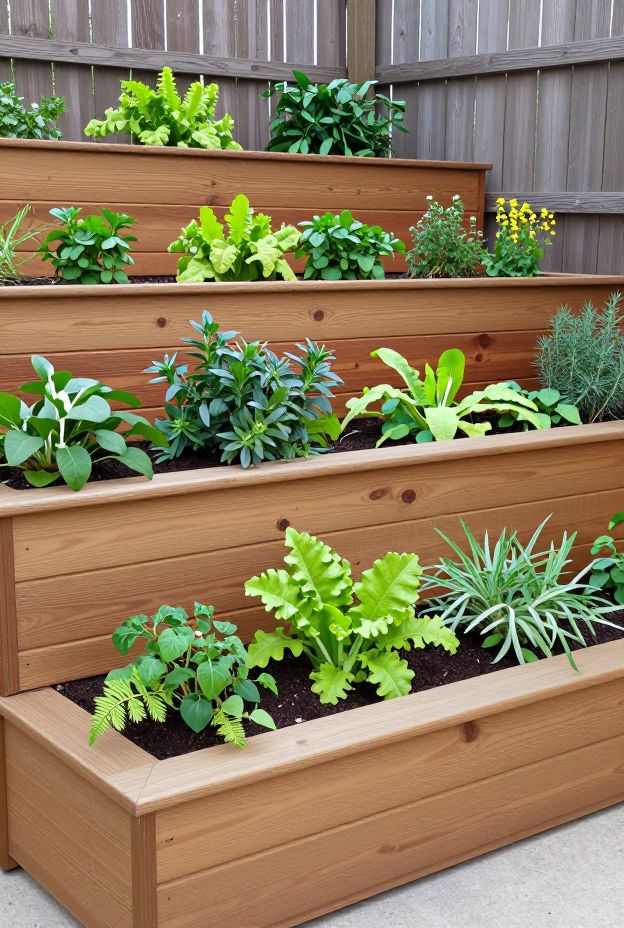
I love this setup for small spaces because it creates visual drama while maximizing growing area. You can fit way more plants in the same footprint compared to a single flat bed. Plus, the height variation naturally guides your eye upward, making small spaces feel larger.
This works especially well against walls or fences. Build 3-4 tiers with each bed about 6-8 inches taller than the one in front. Start with a 12-inch deep bed at the bottom and decrease depth as you go up to keep weight manageable.
9. Pallet Collar Beds
Pallet collars are those wooden frames used in shipping, and they make ridiculously good raised beds. They’re already built, they’re often free or cheap, and you can stack them for extra depth. IMO, this is the easiest DIY option out there.
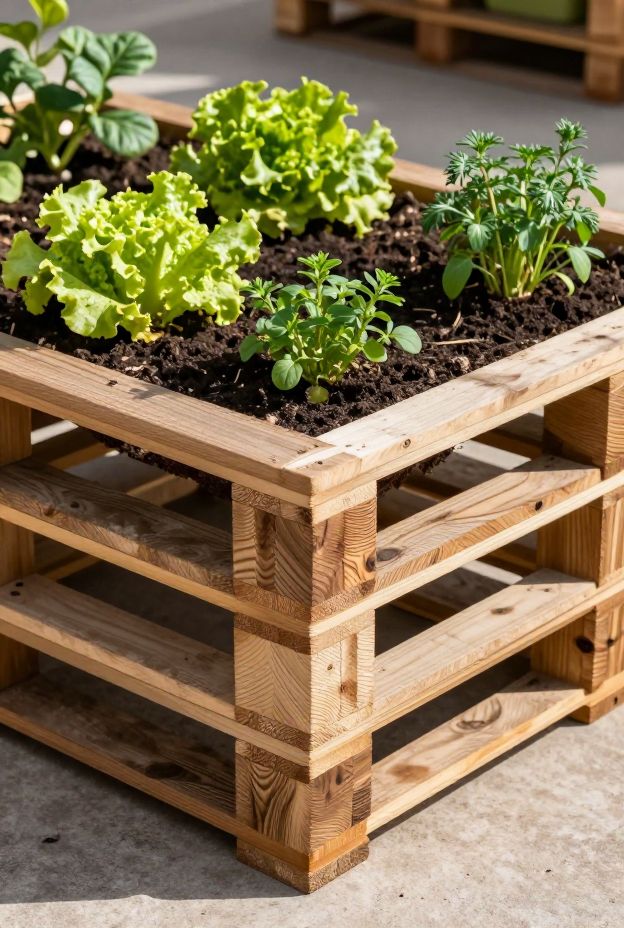
Each collar typically measures about 4×4 feet and 8 inches tall, which gives you perfect raised bed proportions. Stack two or three together for deeper beds, or leave them shallow for herbs and lettuce. The modular design means you can reconfigure them whenever you want.
Just make sure the pallets weren’t treated with nasty chemicals. Look for the HT stamp (heat-treated) rather than MB (methyl bromide). You want to grow food, not science experiments :/
10. Railing Planter Beds
Balcony gardeners, this one’s for you. Railing planters hook directly over balcony rails, creating raised beds that literally float in the air. They take up zero floor space, which is gold when you’re working with limited square footage.
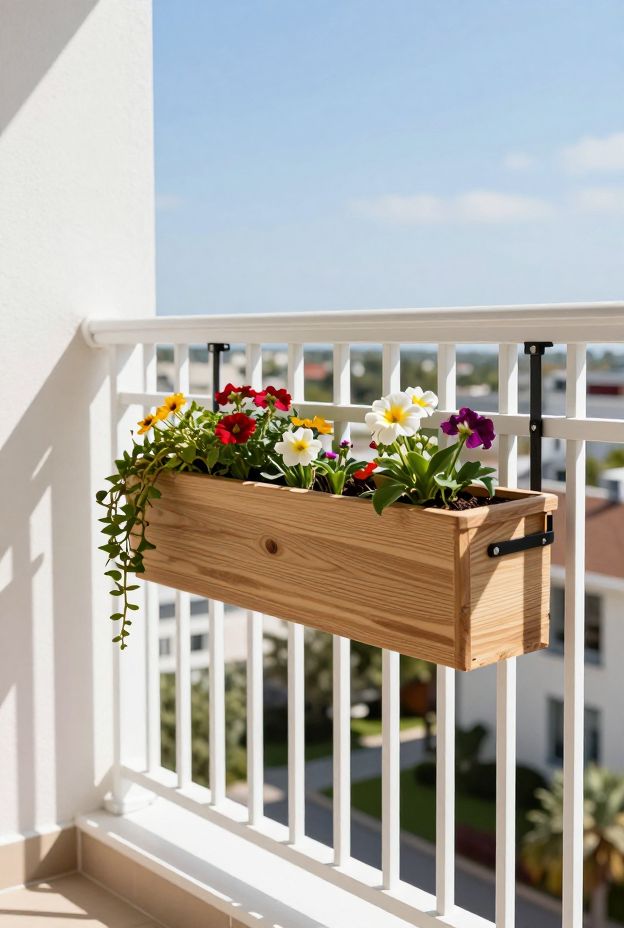
These come in tons of sizes and styles, from simple rectangular boxes to decorative designs. I’ve seen people grow everything from herbs to compact vegetables in these. Salad greens, radishes, and dwarf varieties work particularly well.
The main consideration is weight distribution and secure mounting. Make sure your railing can handle the load, and use proper brackets or hooks. Also, these dry out faster than ground-level beds because they’re exposed to more air circulation, so plan on watering more frequently.
Final Thoughts
Small spaces don’t have to limit your gardening ambitions. With these 10 raised garden bed ideas, you can grow fresh vegetables, herbs, and flowers even if you’re working with just a balcony or tiny yard. The key is thinking vertically, using corners wisely, and choosing designs that fit your specific space.
Start with one or two beds and expand as you get comfortable. You’ll figure out what works best for your situation, and you might even combine several of these ideas. Before you know it, you’ll be that person with the incredible small-space garden that everyone asks about. Now get out there and start building!