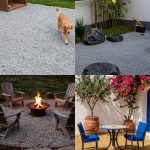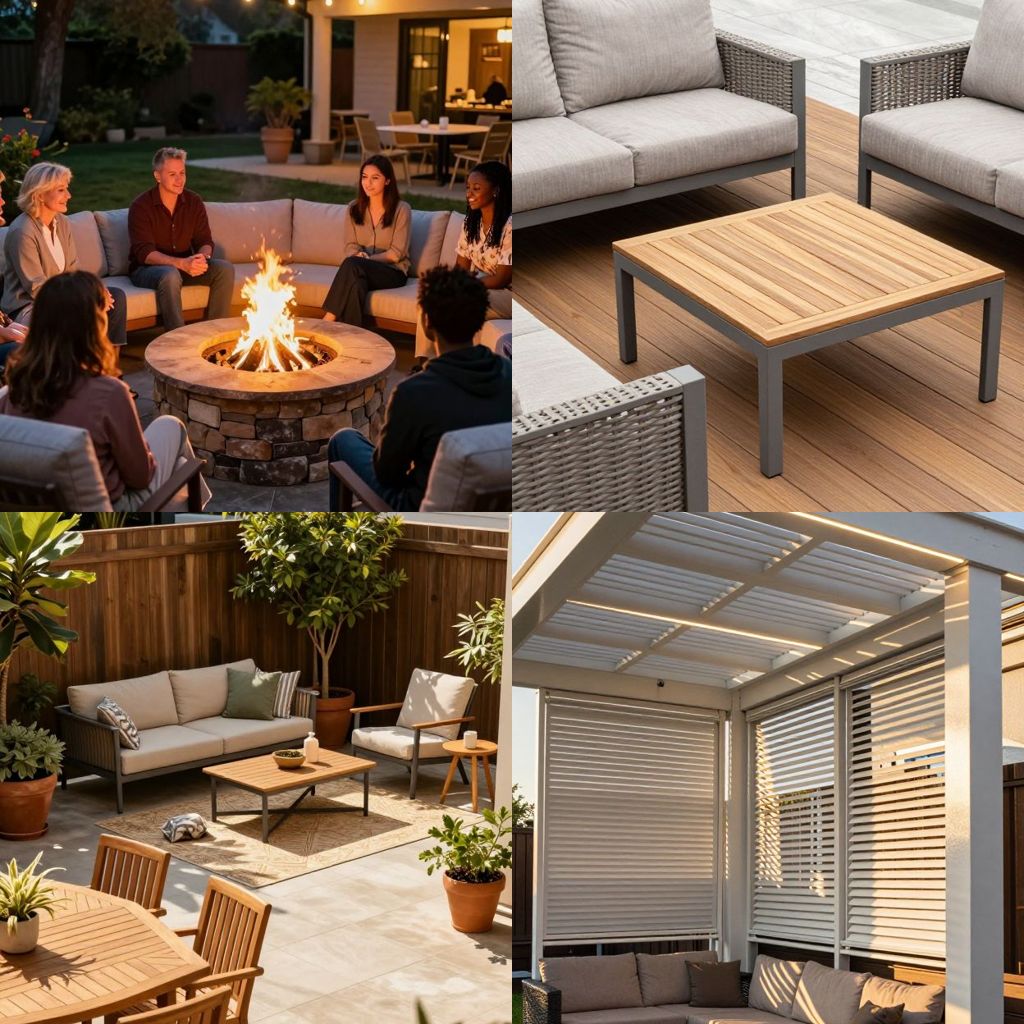
You know that feeling when your indoor couch just isn’t cutting it anymore and you crave some fresh air? Yeah, me too. I’ve spent way too many evenings cramped inside when I could have been lounging under the stars in total comfort. Creating an outdoor living room isn’t just about tossing a couple of chairs on your patio and calling it a day. It’s about transforming your backyard into a space that feels just as cozy as your favorite indoor spot, maybe even better.
Whether you’re working with a sprawling backyard or a compact patio, these outdoor living room ideas will help you build a comfortable retreat that actually makes you want to spend time outside. Let’s get into it.
1. Create Defined Zones for Different Activities
Stop treating your outdoor space like one giant flat surface. I learned this the hard way after trying to host a dinner party where people kept bumping into loungers while grabbing food.
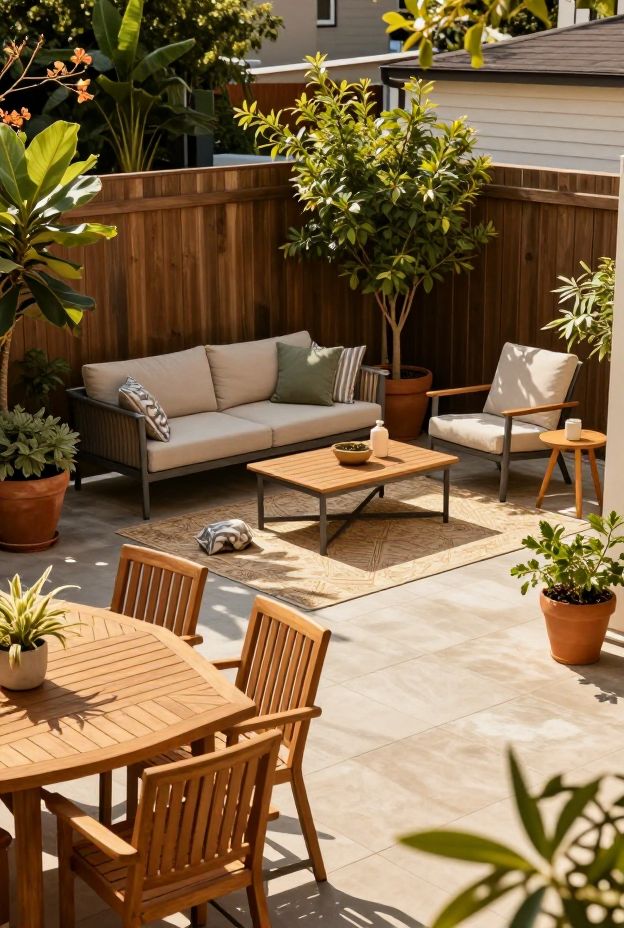
Think of your outdoor area as multiple rooms under the sky. You can create a dining zone near your kitchen door for easy access, a conversation area with comfy seating around a focal point, and maybe even a reading nook tucked away in a corner. Use outdoor rugs, planters, or even low screens to visually separate these zones without building actual walls.
This approach makes your space feel intentional and organized. Plus, it gives everyone their own spot whether they want to chat, eat, or just chill with a book.
2. Invest in Plush, Weather-Resistant Seating
Here’s the truth: those hard plastic chairs from 2010 aren’t going to cut it anymore. Comfort is non-negotiable if you actually want to use your outdoor living room.
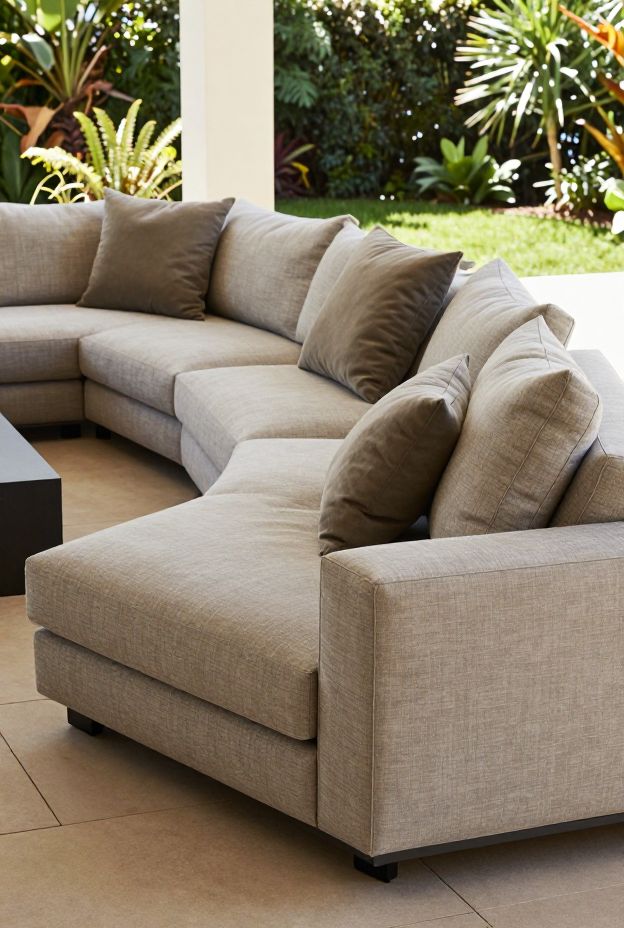
Look for deep-seated sofas and chairs with thick, weather-resistant cushions. I’m talking about the kind of seating that makes you sink in and never want to leave. Materials like Suredura fabric or cushions with water-resistant, mildew-resistant properties will save you from constantly hauling everything inside when the weather turns.
Consider modular sectionals that you can rearrange based on your needs. Hosting a big group? Push the pieces together. Want a more intimate setup? Create cozy clusters around your space.
3. Add a Bioclimatic Pergola for Year-Round Comfort
Want to know what separates an okay outdoor space from an amazing one? Protection from the elements. You can’t enjoy your outdoor living room if you’re getting rained on or roasted by the sun.
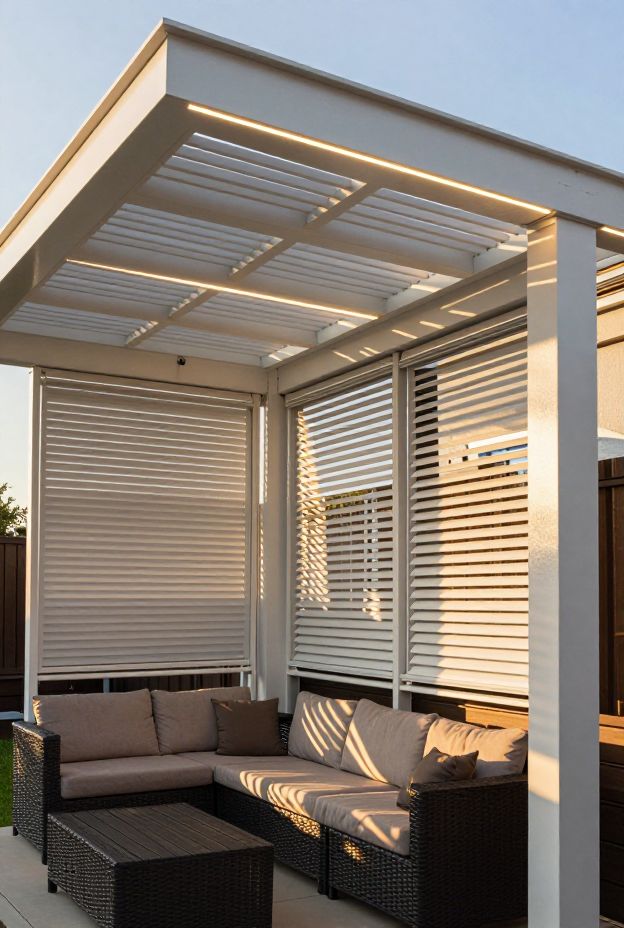
Bioclimatic pergolas are absolute game-changers for 2026. These aren’t your grandma’s basic pergolas. We’re talking about motorized louvers that adjust with the touch of a button to control sunlight and rain. Some even come with integrated lighting, heaters, and drop-down screens.
The investment pays off when you realize you can use your outdoor space in spring, summer, fall, and even mild winter days. No more running inside the second a cloud appears 🙂
4. Build Around a Central Focal Point
Every great living room needs something that draws people in and anchors the space. The same rule applies outdoors.
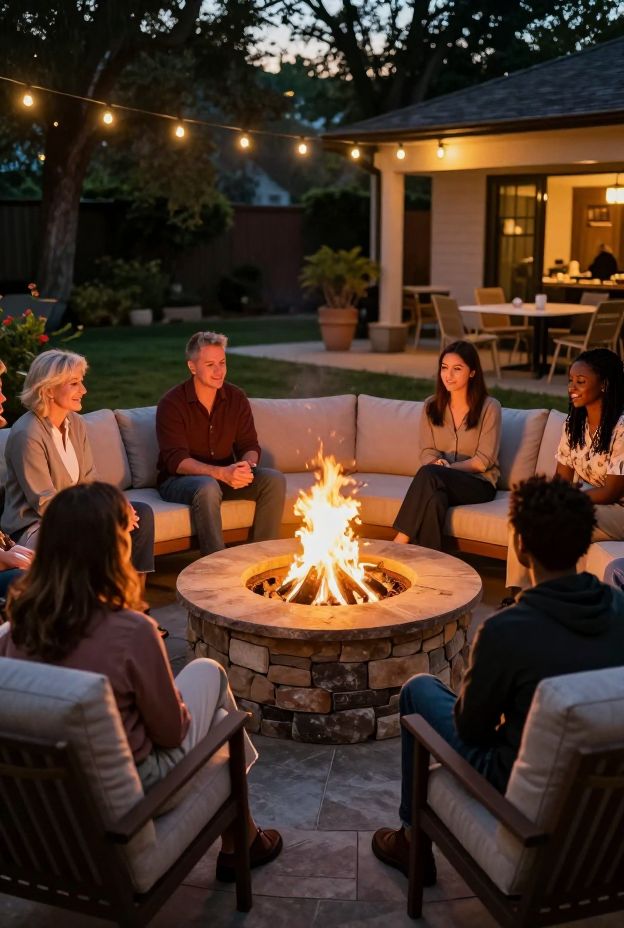
Consider these focal point options:
- Fire pits: Nothing beats gathering around flames on a cool evening
- Large coffee tables: Perfect for setting drinks and snacks within reach
- Water features: The sound of trickling water creates instant zen vibes
- Outdoor fireplaces: More dramatic than fire pits and provide serious warmth
Position your seating in a U-shape or circular pattern around your focal point. This naturally encourages conversation and makes everyone feel included instead of awkwardly scattered around.
5. Layer Your Lighting for Ambiance
Here’s where most people mess up. They throw up one harsh overhead light and wonder why their outdoor space feels more like an interrogation room than a cozy retreat.
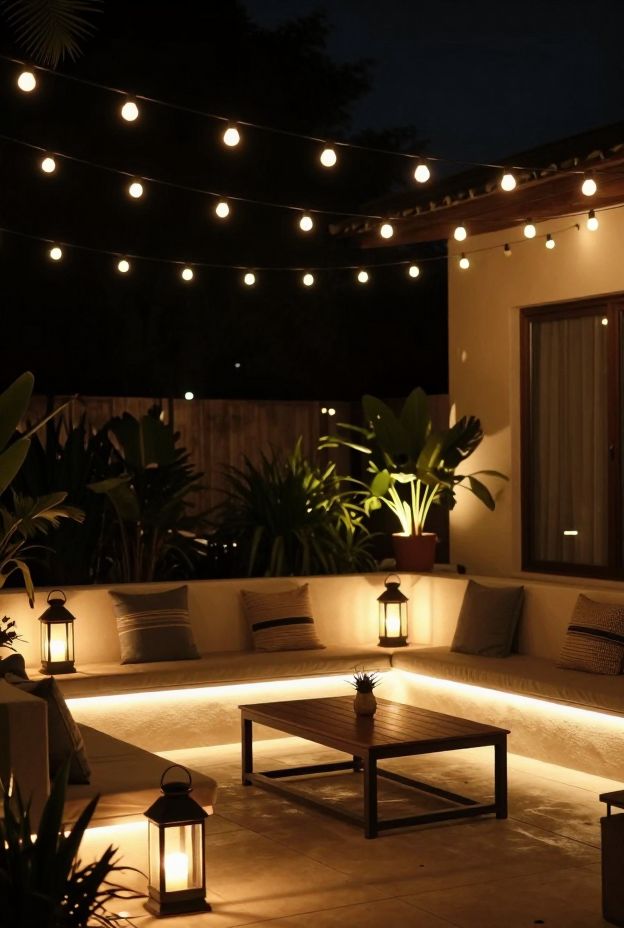
You need multiple light sources at different heights to create that warm, inviting glow. String market lights overhead for soft ambient lighting. Add solar lanterns in various sizes on tables and around seating areas. Install LED strips under built-in benches or along pergola beams for subtle accent lighting.
Don’t forget task lighting if you have a dining area. Nobody wants to eat in the dark, trust me. The goal is creating layers so you can adjust the mood based on the occasion.
6. Extend Your Indoor Style Outdoors
Match Your Interior Aesthetic
Your outdoor living room should feel like a natural extension of your home, not a completely different universe. If your indoor space leans modern and minimalist, carry that vibe outside with clean lines and neutral tones.
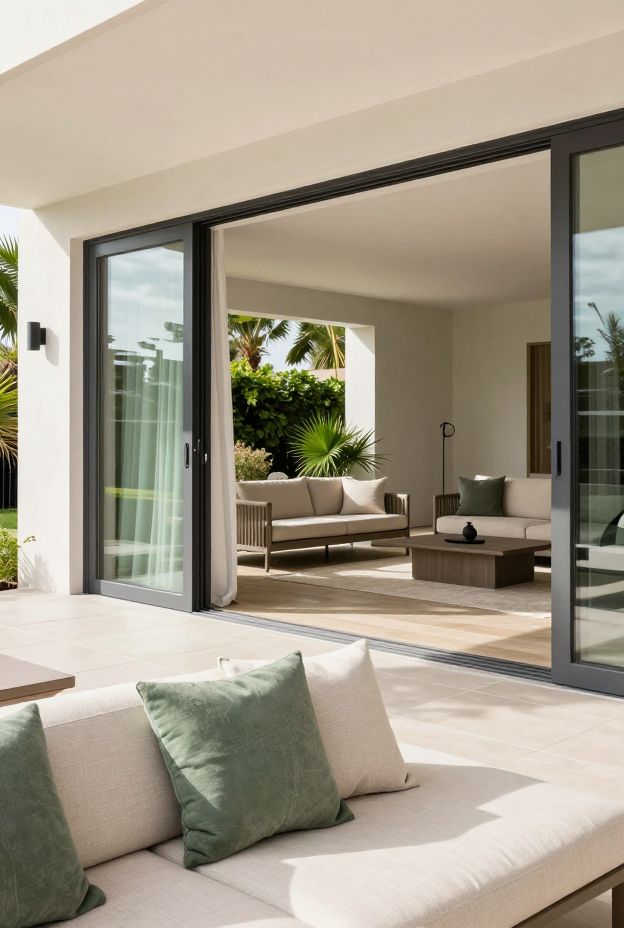
Consider using similar flooring materials or colors that transition seamlessly from inside to out. Large-format tiles or composite decking that mimics your indoor floors create that continuous flow. This makes your home feel bigger and more cohesive.
Coordinate Colors and Textures
You don’t need to match everything perfectly, but picking up on similar color palettes helps. IMO, earthy tones like terracotta, sage green, and warm neutrals work beautifully in outdoor spaces while complementing most interior styles.
Add outdoor throw pillows, blankets, and rugs that echo your indoor textiles. Just make sure they’re specifically designed for outdoor use so they don’t get destroyed by moisture.
7. Incorporate Smart Storage Solutions
Nothing ruins the vibe of a beautiful outdoor living room faster than clutter. Where do you put all the cushions when it rains? What about extra blankets, games, or entertaining supplies?
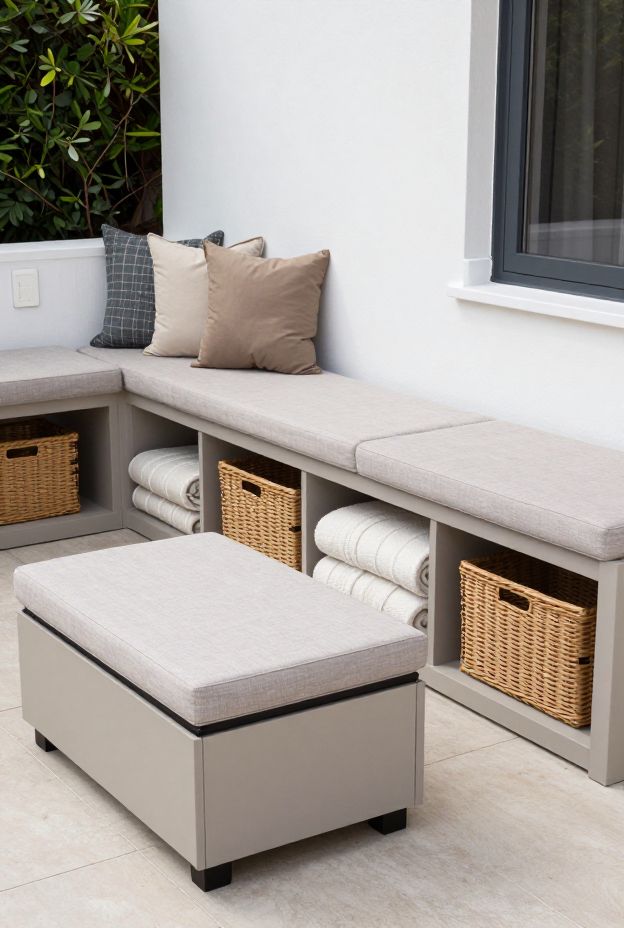
Built-in storage benches are brilliant because they serve double duty as seating and hidden storage. You can also use decorative storage boxes or weather-resistant ottomans with lift-up lids. Keep everything organized and accessible without sacrificing your carefully curated aesthetic.
FYI, having a designated storage spot for cushions will extend their life significantly. You can quickly toss them away when unexpected weather hits instead of letting them soak.
8. Add Greenery and Natural Elements
An outdoor living room surrounded by concrete feels cold and uninviting. You need to soften the space with plants and natural materials.
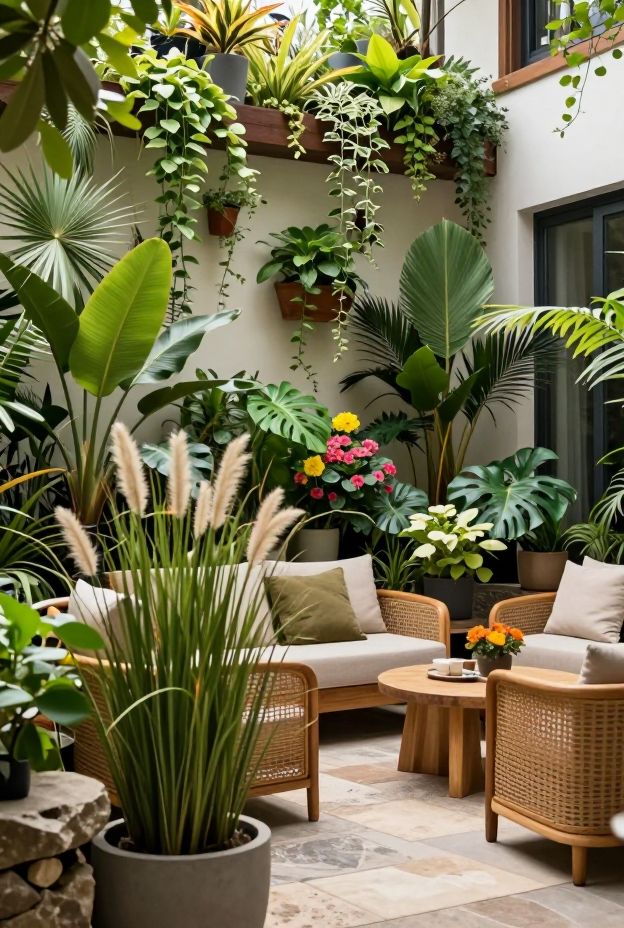
Use a mix of potted plants at different heights to create visual interest. Tall planters with ornamental grasses or small trees provide privacy and shade. Medium-height plants add color and texture. Low ground covers or trailing plants soften hard edges.
Don’t forget about vertical gardening if you’re tight on space. Wall-mounted planters or climbing vines on trellises maximize greenery without eating up precious floor space. Natural wood furniture, stone accents, and woven textures bring that organic, grounded feeling that makes outdoor spaces so appealing.
9. Install Heating Elements for Cooler Months
Why should your outdoor living room sit empty for half the year? Strategic heating extends your outdoor season way beyond summer.
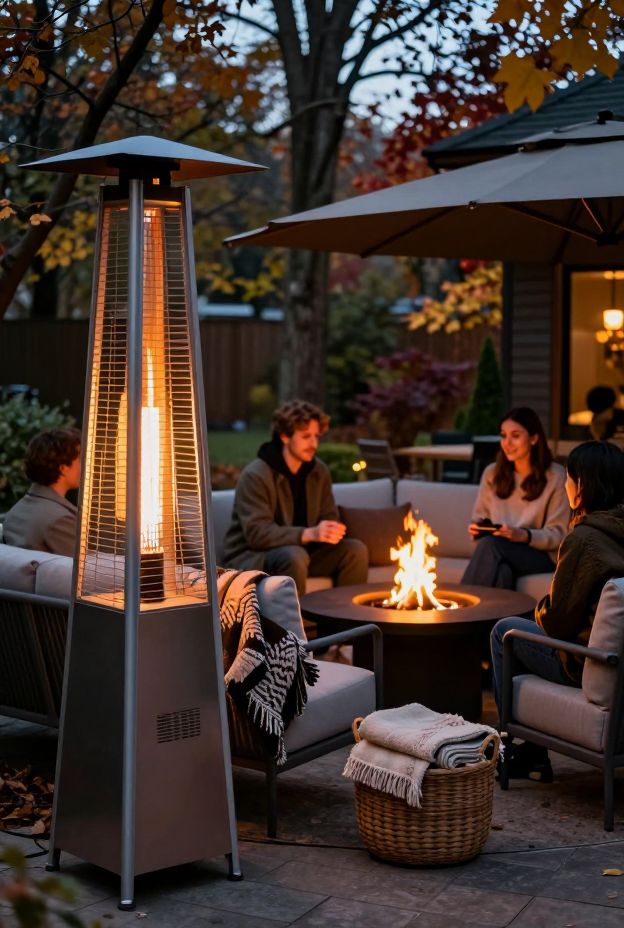
Fire pits provide heat and ambiance, but they’re not always practical for every setup. Patio heaters work well for larger spaces and can be moved around as needed. For a more permanent solution, consider installing infrared heaters under your pergola or overhang.
Even outdoor-safe throw blankets make a difference. Stack a few cozy options in a basket so guests can grab one when the temperature drops. There’s something magical about sitting outside on a crisp evening, all bundled up with a warm drink.
10. Choose Durable, Low-Maintenance Materials
Let’s be real about something. If your outdoor living room requires constant maintenance, you’re not going to enjoy it. You’ll spend all your time scrubbing, refinishing, and replacing instead of actually relaxing.
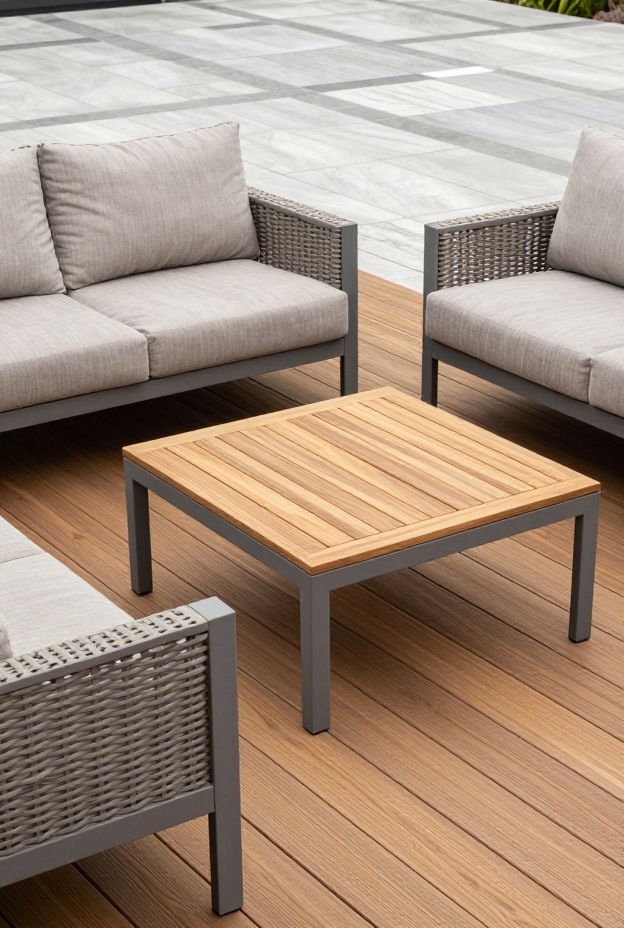
Opt for materials that can handle the elements:
- Aluminum or powder-coated metal furniture: Rust-resistant and lightweight
- All-weather wicker: Looks natural but stands up to moisture
- Eucalyptus or teak wood: Naturally weather-resistant hardwoods
- Porcelain tile or composite decking: Durable flooring that resists moisture and mold
- Solution-dyed acrylic fabrics: UV-resistant and won’t fade quickly
Sure, these materials might cost more upfront. But you’ll save money and sanity in the long run when you’re not constantly replacing worn-out furniture or refinishing surfaces every season.
Bringing It All Together
Creating an outdoor living room that actually gets used comes down to prioritizing comfort and making smart design choices. You don’t need to implement all ten of these ideas at once. Start with the basics like comfortable seating and proper lighting, then build from there.
The best outdoor spaces feel like natural extensions of your home where you genuinely want to spend time. Think about how you’ll actually use the area and design around those needs. Whether you’re reading solo with your morning coffee or hosting weekend gatherings, your outdoor living room should make those moments better.
Now go transform that neglected patio into the comfortable outdoor retreat you’ve been dreaming about. Your future self will thank you when you’re lounging outside instead of being stuck indoors 🙂